
Giacomo Bologna Braida Bricco dell’ Uccellone
Philip Day discusses Giacomo Bologna Braida Bricco dell’ Uccellone from the Piedmont region of northwest Italy. In this article, he waxes lyrical about the vineyard’s glorious Barbera d’Asti DOCG. Moreover, he looks closely at Braida’s history and its viticulture.
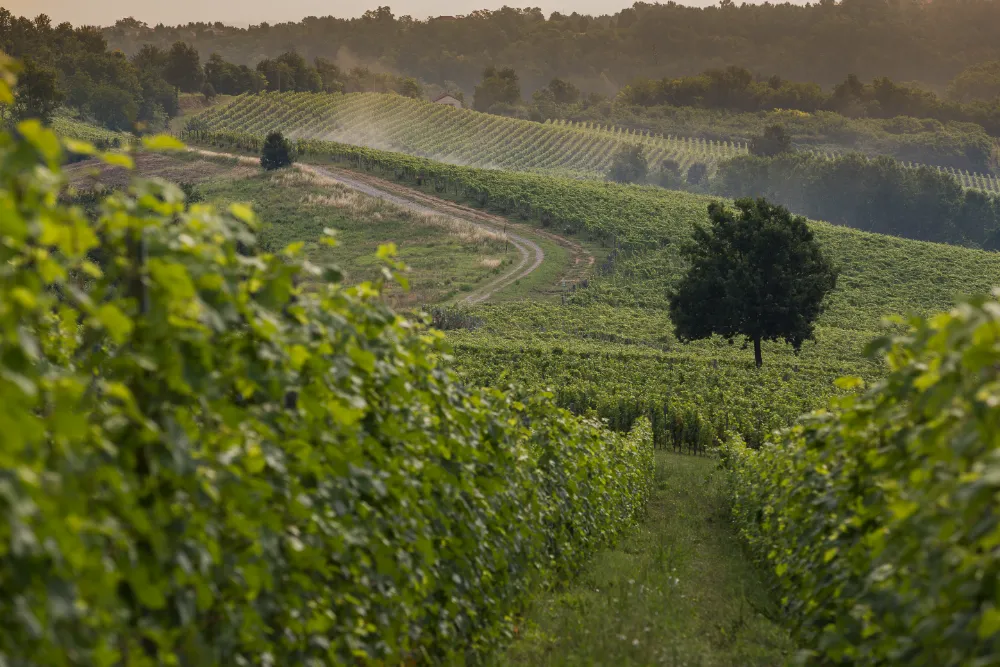
Giacomo Bologna Braida Bricco dell’ Uccellone – Piedmont region
The most common Piedmontese grape variety, Barbera was once dismissed as being too common or mundane to inspire respect because it was so widely planted in the Piedmont region (Piemonte) of north-west Italy. However, no other grape variety has undergone such a spectacular upgrade in its fortunes and image in the last 20 years to become Piedmont’s second most glamorous grape.
The two best-known red wines of Piedmont, Barolo and Barbaresco (both expressions of the Nebbiolo grape variety) take their names from the villages of the areas they are grown in, while the majority of the bottlings bear the name of a single-vineyard, cru (grown on a reputed terroir ) or bricco (the summit or highest point of a vineyard – relating to the belief that hillside vineyards are superior for grape growing) whilst others are blended from wines all over the communes.
The most widely planted grape of the Piedmont region though is Barbera, accounting for over 50% of the annual DOC red wine production and 35% of land devoted to vine production.
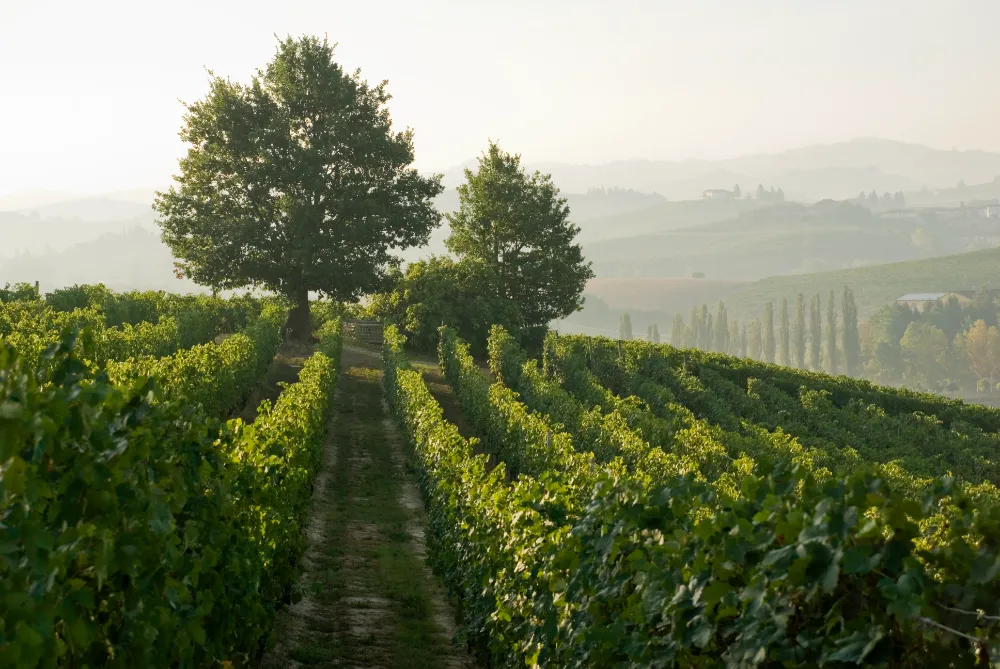
Thought to be native to the Piedmont, Barbera has been cultivated there for centuries. Barbera is an unusual grape variety because it is early-maturing and the dark ruby colour of its juice is high in acidity with low tannin levels.
Barbera wine can be drunk well while young but also can easily be aged for around a decade. Indeed, many would go so far as to say that it does not begin to reach its peak until at least six or eight years from the vintage. Some producers, however, recognised the potential of Barbera by planting the grapes in some of their choicest vineyard locations, those that normally would have been reserved for Nebbiolo. The results of these experiments proved that Barbera could bring forth wines of exceptional quality. The result is that there are some wonderful Barberas that are more affordable too than their more honoured Nebbiolo cousins.
The best Barberas come from three different Piedmont DOC’s created in 1970: Barbera d’Asti, Barbera d’Alba and Barbera del Monferrato.
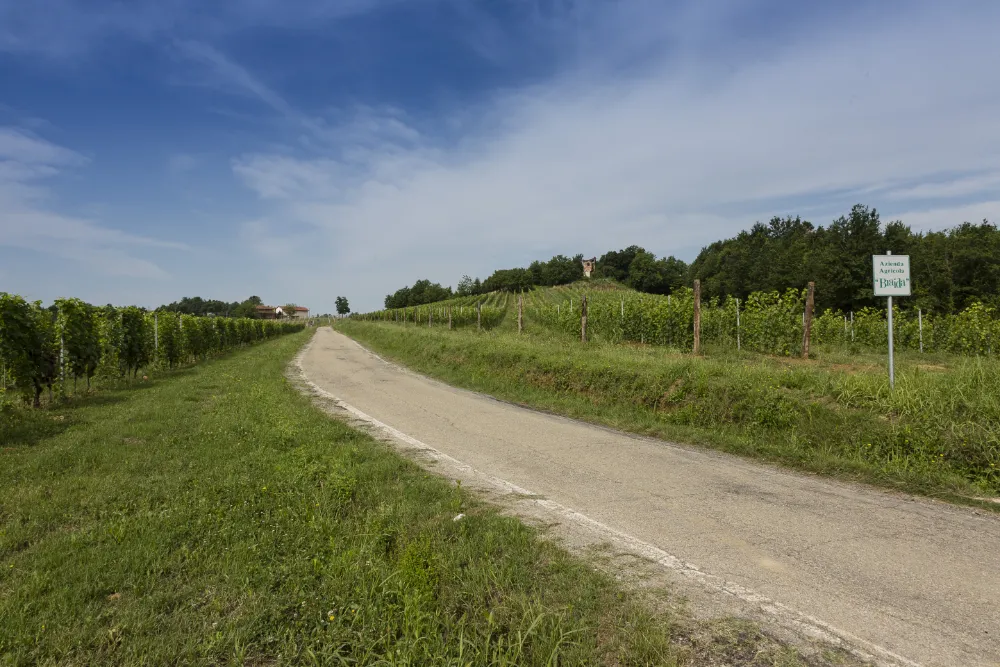
Barbera d’Alba vines are planted on steep sloped hills that surround the town of Alba, the Piedmont’s unofficial wine capital, that are composed of chalky clay. The area overlaps the Barolo and Barbaresco zones and as a consequence most of the Barberas from this zone are produced by vintners that also produce Nebbiolo grapes for Barolo or Barbaresco wines. In the Barbera d’Alba zone, the wine is made entirely from Barbera and is typically a deep ruby colour and full-bodied with ripe plum and cherry flavours. The majority of the top vineyards in this area make Barberas that many consider to be more dense and masculine than others.
Just to the east, the Barbera d’Asti zone is centred on the town of Asti, the town more readily famous for its sweet, sparkling wines – Asti Spumante and Moscato d’Asti. It is located in the hilly areas of the Asti and Alessandria provinces, where the region shares its borders with Lombardy and Emilia-Romagna. The grapes of Barbera d’Asti wines are typically raised on vineyards situated on hilly terrain, at an altitude ranging from 300ft to 1000ft (90m to 305m).
Barbera is the main red wine grape varietal planted in the zone. Much of the Barbera that was produced here was unfortunately the thinner characterless wine that gave Barbera a poor reputation for many years. Thankfully, these days there are many excellent wines produced throughout the area. In its youth, it is softer and perhaps more approachable than the Nebbiolo used to make Piedmont’s most prestigious wines, being light-bodied with tart fruit flavours and lively acidity and are considered perhaps a bit more feminine in nature than the Alba zone wines. Barbera d’Asti is without question a firm favourite among winemakers and consumers.
Barbera d’Asti became a DOC in 1970 and its classification was upgraded to DOCG in 2008 (the highest level of Italian wine classification), adding to Piedmont’s impressive haul of DOCG titles.

According to DOC regulations, any classified Barbera d’Asti wine must consist of at least 85% Barbera. The remaining 15% can be Freisa, Grignolino or Dolcetto grapes. The bottled wine can only be released for sale after 1 March in the year following that of the grape harvest. It must also achieve a minimum final alcohol level of at least 11.5% alcohol by volume. There is also a ‘superiore’ designation that calls for a minimum of 12 months of additional ageing before release with at least six months of this time spent in wooden barrels.
In late 2000, the Barbera d’Asti DOC laws were revised to officially recognize and separate the sottozone (sub-zones) within Asti that make superiore wines: Nizza, Tinella and Colli Astiani. These three sottozone are considered to produce Barbera d’Asti that are particularly high in quality, and have a style that reflects their unique, respective terroirs. These wines are often aged an additional 24 months before release.
Barbera d’Asti is a particularly good ageing wine, with the potential to reward cellaring for up to eight years. When it achieves its best drinking time, it has an intense ruby-red colour complimenting a rich, tangy, full-bodied wine taste. As it matures, it takes on a garnet red colour and its flavours become more balanced and appealing.
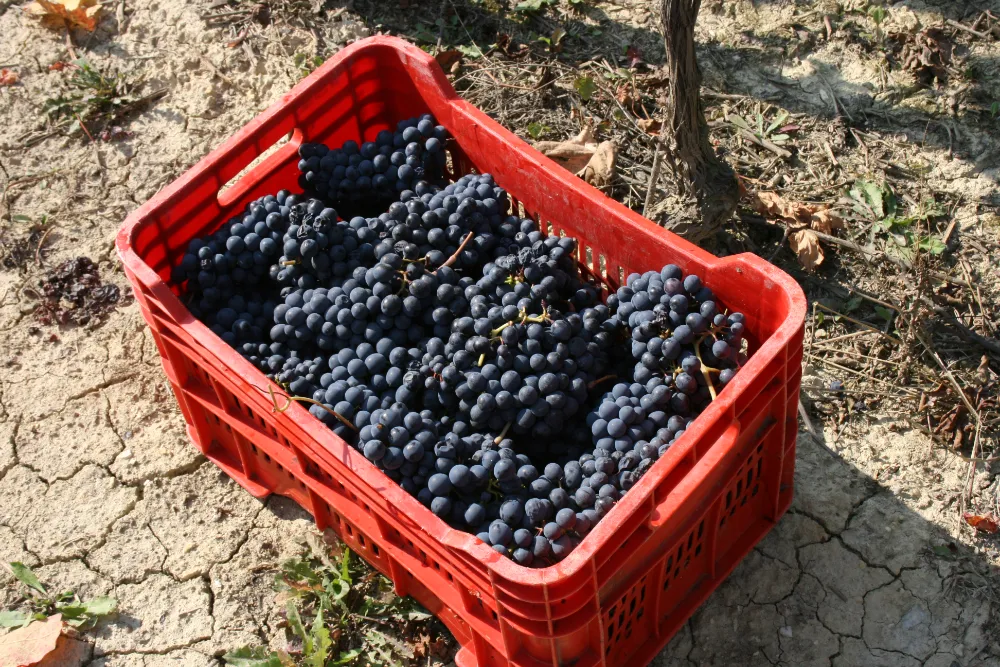
The third DOC zone, Barbera del Monferrato is also the largest. It includes the provinces of Asti and Alessandria but most of the Barbera production is centred around the town of Alessandria. Its Barbera wines are blended wines with a minimum of 85% Barbera grapes and optional additions of lesser percentages of other local red varietals, usually Freisa or Grignolino. It is also available in a frizzante (sparkling) style.
The superiore designation calls for 12 months of additional ageing before release with a minimum of 6 months in wood. These wines, though quite good, may lack some of the structure of the Alba wines and are generally lighter, more lively, aromatic wines. In recent years, however, some winemakers have introduced a change in their style to make them more structured and complex wines.
There are in fact many differences between the Barbera wines from the three areas. Which you may prefer depends on the winery, vintage and most of all, your personal tastes.
There’s also the matter of vinification, which can differ from winery to winery, further confusing drinkers. Some Barberas are aged in new French barriques (small barrels), which impart to the wine, perceptible tannins and a certain spicy bouquet, while others are aged in old large barrels. Alternatively, other Barberas are stored directly in stainless steel tanks, which produce wines that are fresh and juicy but not very complex.
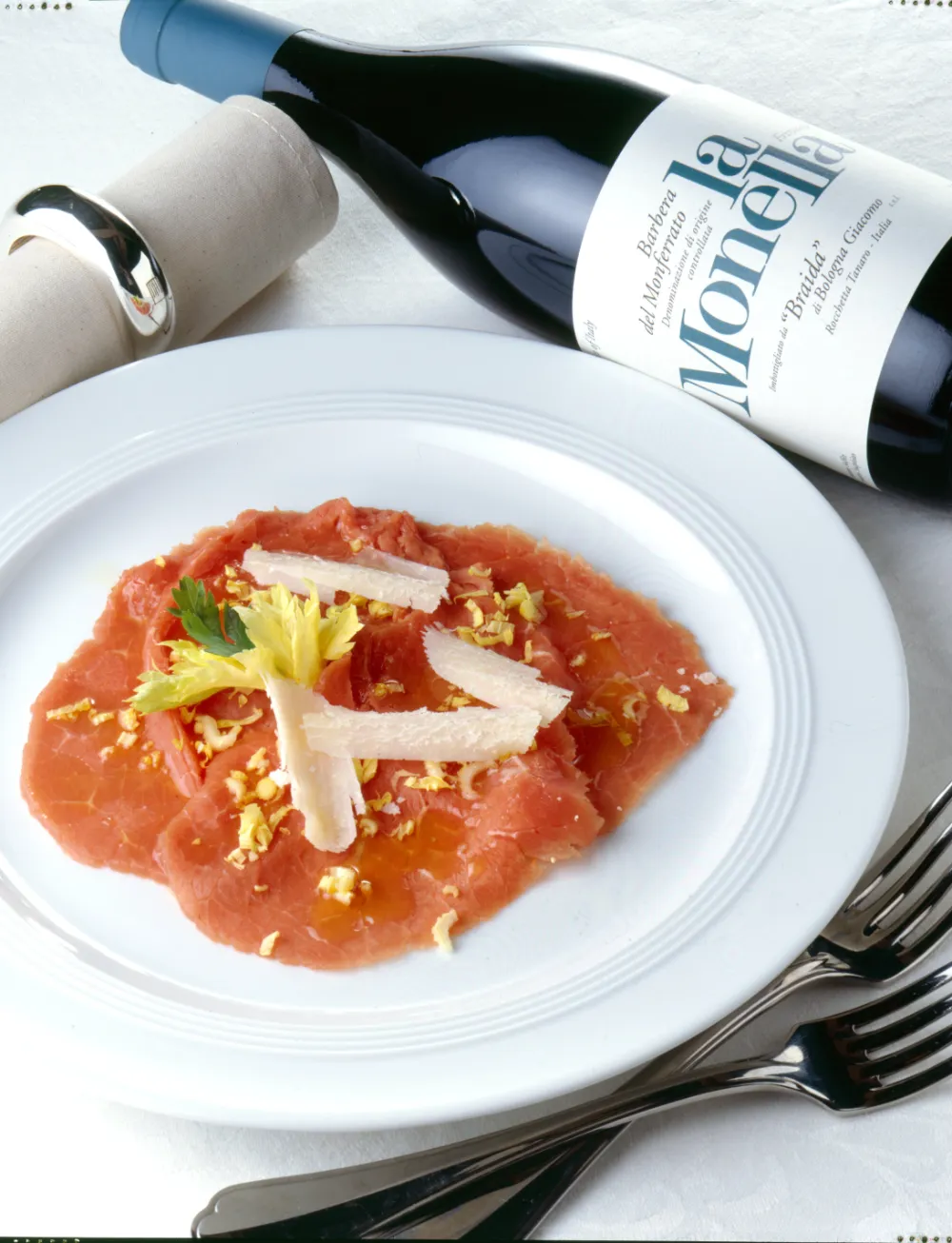
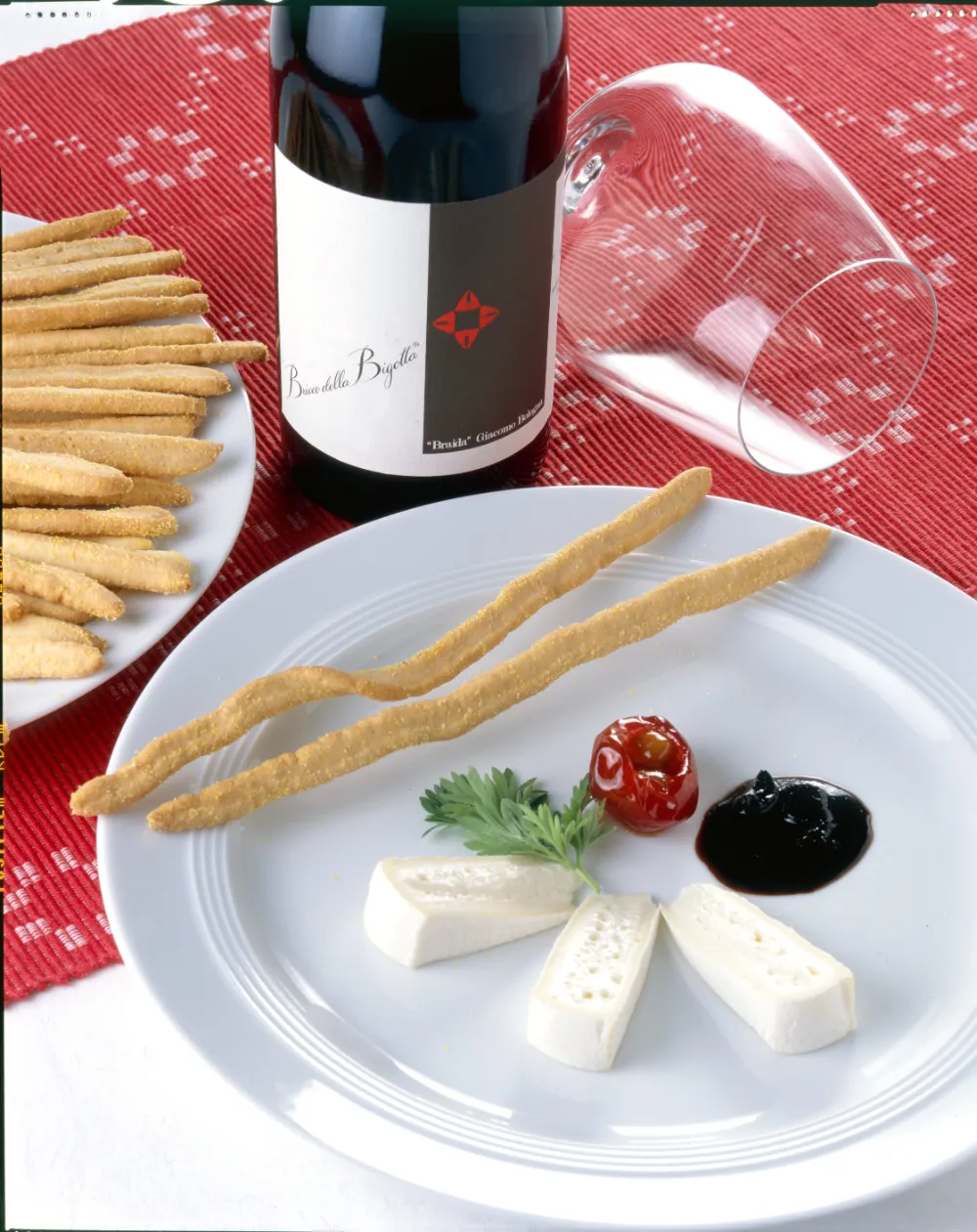
All styles of Barbera go remarkably well with a wide range of dishes. Generally, however, those made in the lighter style, with high acidity and low tannins complement fish, pasta, rice and tomato-based dishes, whereas the barrique-aged, tannin enriched Barberas with their more full-bodied, rounder and complex structure pair well with grilled and roasted meats and aged cheeses.
Beginning in the 1980’s a small group of producers independently began tweaking various aspects of the Barbera production process to see if they could give their wine a chance to step out of Nebbiolo’s shadow, by making more interesting and serious Barberas.

They undertook two steps to bring the grape into the spotlight. The first, to do with growing, was to experiment with better, choicer sites for Barbera plantings; using single vineyard designations; delaying the harvest of the grapes, to allow greater ripening; making use of selective pruning to limit yields. In short, they lavished the same care and attention on the Barbera varietal that producers in the d’Alba zone showed to their prestigious Barolo and Barbaresco wines.
The second key to success was to age the wine in smaller new French oak barrels. Barbera makes dark wines that are naturally low in tannins. The new French oak lends the wine contained in them tannins of its own, enhancing the structure and complexity of this newer style of Barbera, while balancing its acidity.
Giacomo Bologna
The person most responsible for bringing about the Barbera revolution, who demonstrated that it was capable of being used to make serious wine, was the late colourful and flamboyant Piedmont producer Giacomo Bologna of the Braida estate.
In 1985 he released his first bottling of Bricco dell’ Uccellone, a wine produced entirely from much lower-than-usual yields of Barbera grapes that originated from a single prestigious vineyard in Rocchetta Tanaro. The grapes had been harvested in 1982 and were aged for 18 months in new French oak barriques. The resulting wine with its intensely generous fruit flavours, its suave tannic structure, with the added complexity of Barbera’s characteristic crisp acidity was a delight, receiving immediate and favourable critical attention.
Although Giacomo Bologna was not the first to bottle single-vineyard, barrique-aged Barbera, his Bricco dell’ Uccellone became a template for other winemakers to adapt, creating their own versions of Barbara. In the space of a few years Barbera’s status was indelibly changed from that of a rustic, country wine to a serious, cellar-worthy wine that gained favour with wine enthusiasts worldwide.
Giacomo Bologna Braida Bricco dell’ Uccellone – history
The son of a winemaker, Giacomo Bologna established the small Braida Winery in Rocchetta Tanaro, in the province of Asti, Piedmont, in 1961.
His father Giuseppe Bologna earned the nickname ‘Braida’ as a youth thanks to his passion for playing ‘pallone elastico’ (pallapugno or fist-ball), a traditional Italian ball game played with bandaged wrists in teams of four. A wheelwright by profession, the young Giuseppe owned a large Barbera vineyard, the ‘Braida’ estate, in Rocchetta Tanaro where he produced wine for his own and the friend’s consumption. It was this vineyard that he passed on to Giacomo Bologna, as well as the nickname, which Giacomo then bestowed on the winery, together with an abundance of love for this wine and an enduring respect for the land which produced it. Giacomo was firmly of the belief that great wine must come from great soil and considered himself fortunate enough to have inherited land that was ideal for grape growing.

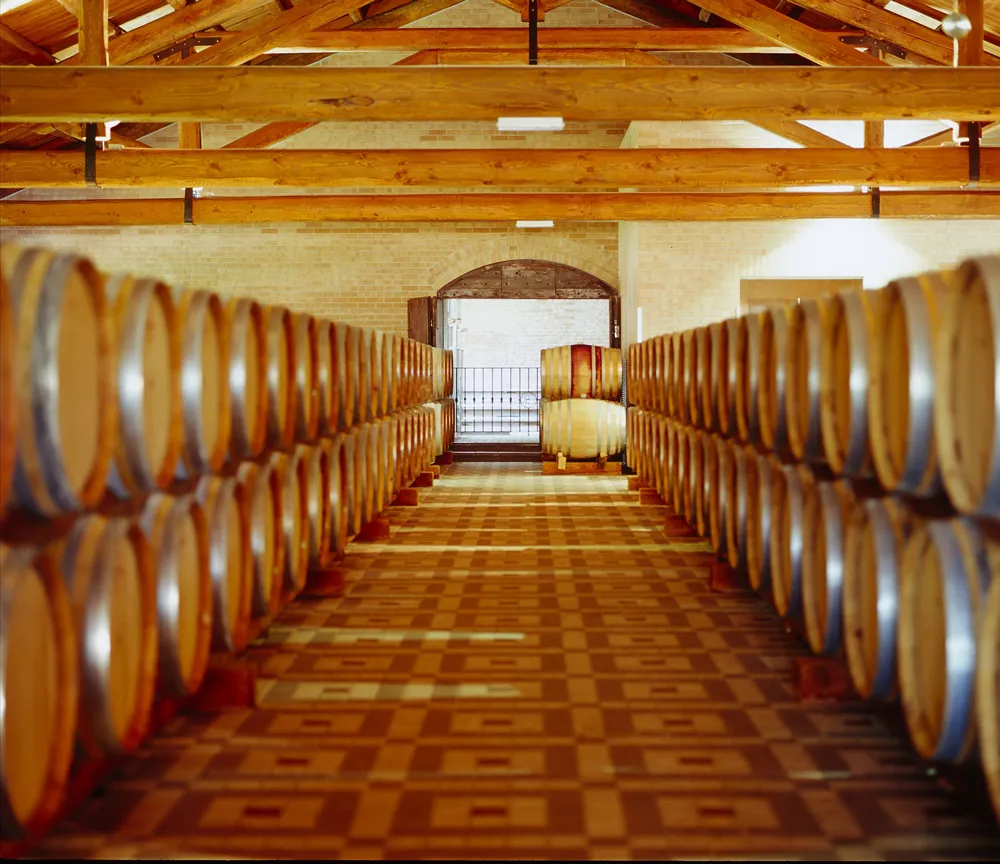
Giacomo Bologna was among the first producers to realize that Barbera could age brilliantly in small oak barrels, by ageing his finest examples of Barbera d’Asti in French oak barriques (approximately 50 (UK) gallons, 225 litres) rather than the large barrels (grandi botti), which had been the norm for decades. As Barbera has naturally high acidity, Bologna and others of like mind believed that the wine aged in this new way would take on tannins from the oak but would still maintain enough acidity to yield a balanced product.
He also decided to harvest the Barbera grapes slightly later than normal, which resulted in the grapes gaining extra natural sugar, while also slightly decreasing the overall acidity.
Bologna’s first great success with a Barbera in this experimental style was the Bricco dell’Uccellone bottling from the 1982 vintage. The grapes were sourced exclusively from a single hillside vineyard, planted in 1972, with optimal southern exposure and the wine was aged for more than 16 months in French oak barrriques.
Bricco dell’Uccellone was previewed at the VinItaly wine fair in 1984 and was instantly singled out as a new direction for Barbera. Bologna was able to stun the Piedmont wine world by creating deeply flavourful, complex wines out of a variety normally considered to be an acidic filler.
Bricco dell’ Uccellone is widely regarded as Italy’s top Barbera. The name literally means ‘big bird’ as the vineyard and its workers tending the vines were often watched over by a very tall woman who would stand on the balcony of her villa people watching. (From Bologna’s nick name for her – ‘l’uselun’)
Soon Bologna added another single vineyard Barbera, Bricco della Bigotta, which saw its first bottling from the 1985 vintage, sourced from vines planted in 1982.
Shortly following the premature death of Giacomo Bologna, a third Barbera, named ‘Ai Suma’ was released in 1990. Translated from ‘we’ve done it’ in the local dialect, ‘Ai Suma’ is a reference to Giacomo’s quest for perfection.
Giacomo Bologna Braida Bricco dell’ Uccellone – Raffaella Bologna
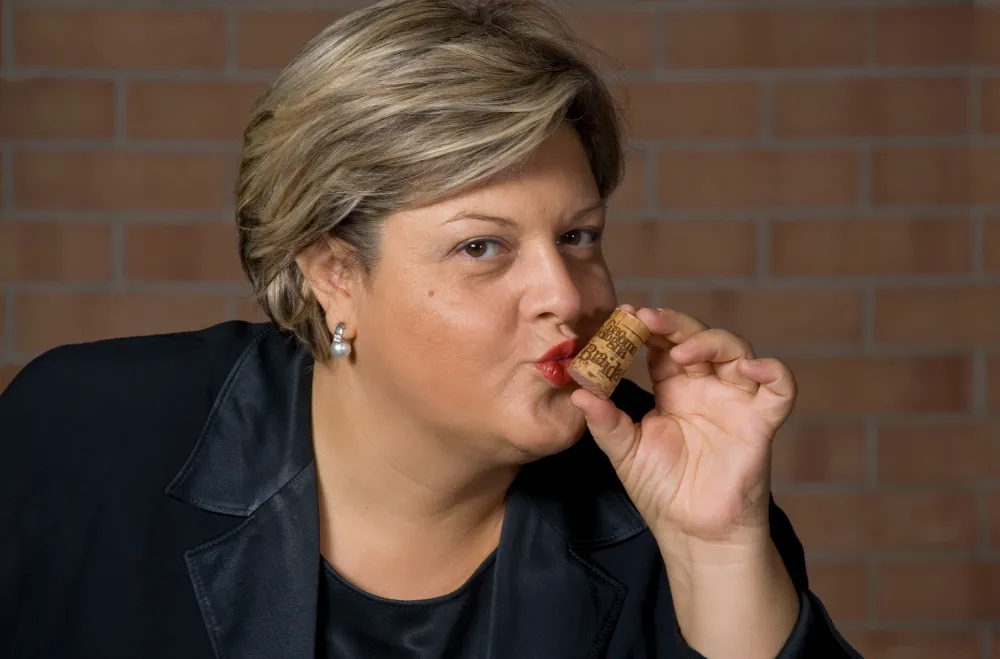
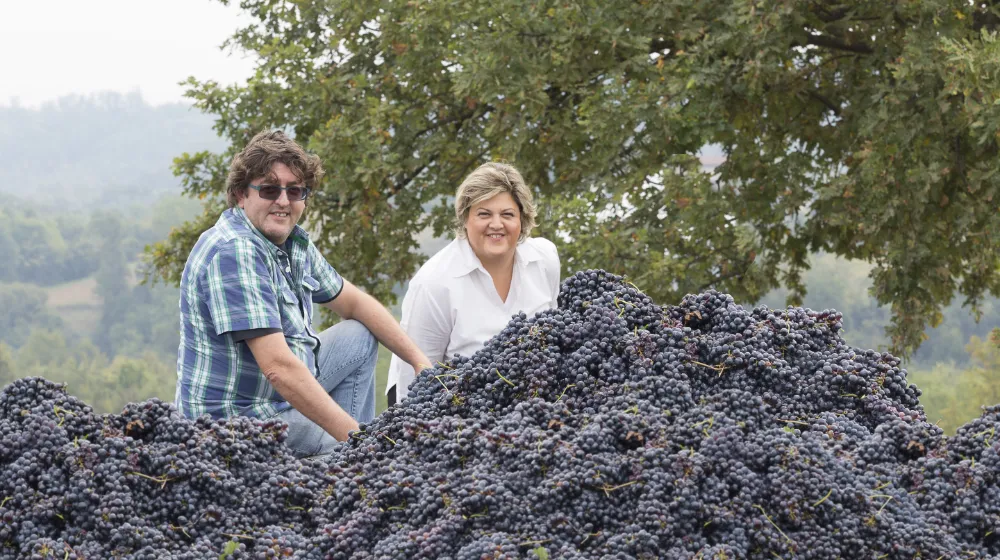
These days, Bologna’s children run the wine estate. His daughter Raffaella is in charge of the winery, responsible for sales and marketing, while her brother Giuseppe (nicknamed Beppe) is the winemaker and in charge of the agricultural aspects. With their state-of-the-art cellars and forward-thinking work ethic, they have made their grandfather’s and father’s legacy, Braida one of the most-respected wineries in Piedmont.
| Appellation |
Barbera d’Asti ‘Bricco dell’ Uccellone’ DOCG |
| Owner |
Raffaella and Giuseppe Bologna |
| Planted acreage |
Total: 56 hectares (138 acres) |
| Grape varieties |
Barbera. Other varietals grown include: Moscato, Grignolino, Merlot, Pinot Noir, Cabernet Sauvignon, Chardonnay, Riesling. |
| Wines produced | DOCG wines (Barbera, Moscato, Branchetto) and DOC wines (Grignolino, Monferrato Rosso, Langhe Bianco, Langhe Chardonnay). |
| Terroir |
Medium to heavy textured soil, composed of equal proportions of clay and sand.
|
| Production |
Data unavailable
|
| Top Vintages Produced
|
2005, 2006, 2007, 2008, 2009, 2010, 2011, 2012, 2013. |
Giacomo Bologna Braida Bricco dell’ Uccellone – viticulture
The entire concept of what Barbera is and what to expect from a bottle of Barbera was fundamentally changed for the better.
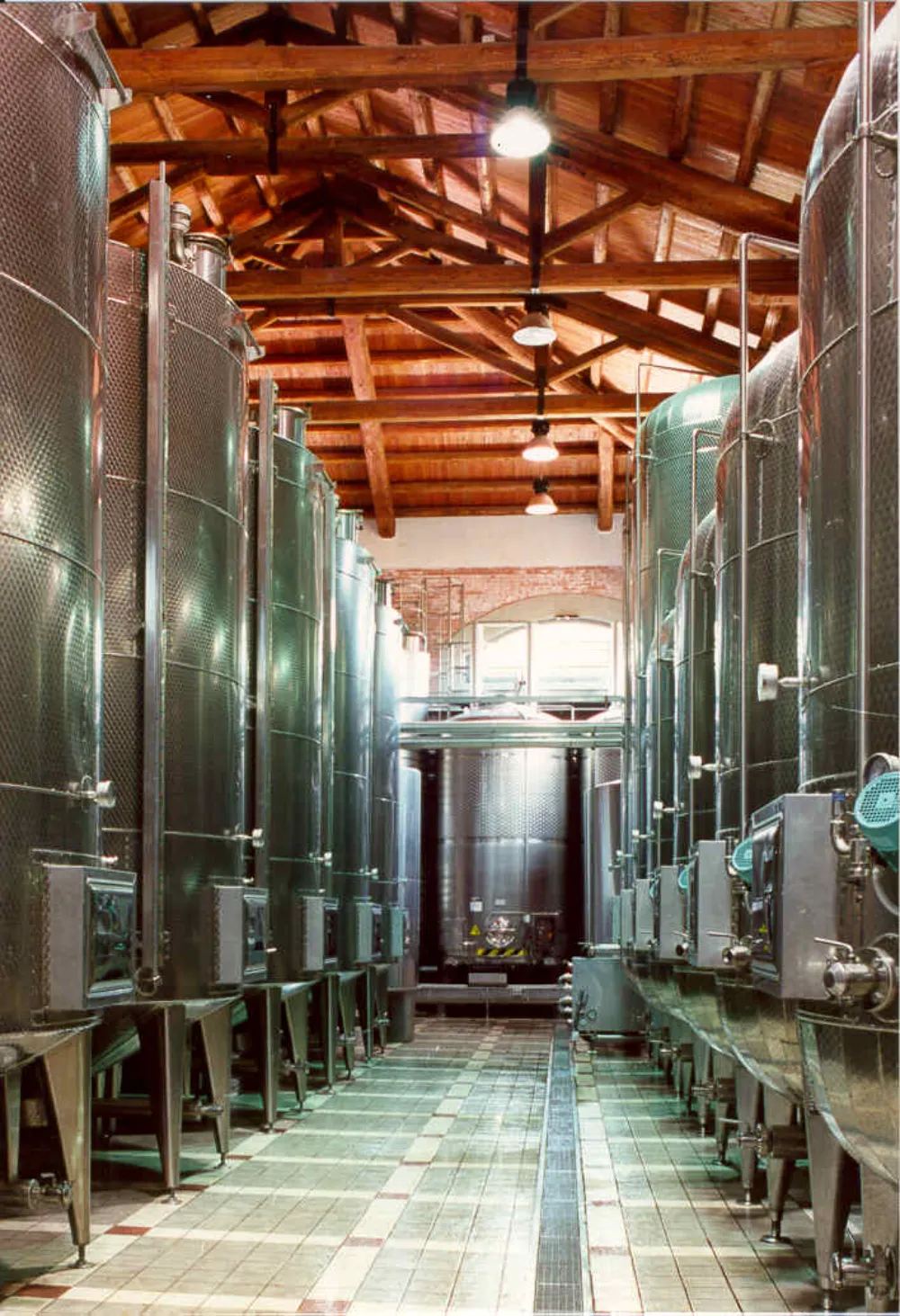
The way in which Bricco dell’Uccellone is produced follows a process that has changed very little over the last thirty years. The 100% Barbera grapes are harvested by hand, once they have been brought to full ripeness. They are manually sorted then soft pressed and vinified under temperature-controlled maceration processes for 20 days in stainless steel tanks. Secondary fermentation then takes place in oak barrels. (15 months of ageing in oak followed by 12 months in the bottle.)
New, small (approximately 50 (UK) gallons, 225 litres) French oak barrels, barriques, were chosen by Giacomo Bologna for his experimentation in ageing the new style of Barbera because they facilitate more wood-wine contact, causing a fundamental impact on the chemistry of the wine being aged. The result can be a better-balanced wine with a deeper, darker hue and enhanced aromatics. The barriques impart some much-needed wood tannin to the wine, enhancing the wine’s structure and complexity. They also help soften the inherent tart acidity of the Barbera varietal. The net result was a less acidic, better balanced, softer and slightly more tannin-laden, cellar-worthy wine.
However, Bologna found that if not used judiciously, barriques can have a negative impact on the wine. There is a danger of producing wines whose aromatics and taste are so ‘woody’ that the essence of Barbera – its bright fruit flavours and natural acidity are obscured. It’s a delicate balancing act. Wines should be true to the grape varietal and not the oak barrels in which the wine has been aged. While a winemaker may want to enhance the wine’s structure and complexity, they should not overwhelm Barbera’s inherent fruity and generous character.
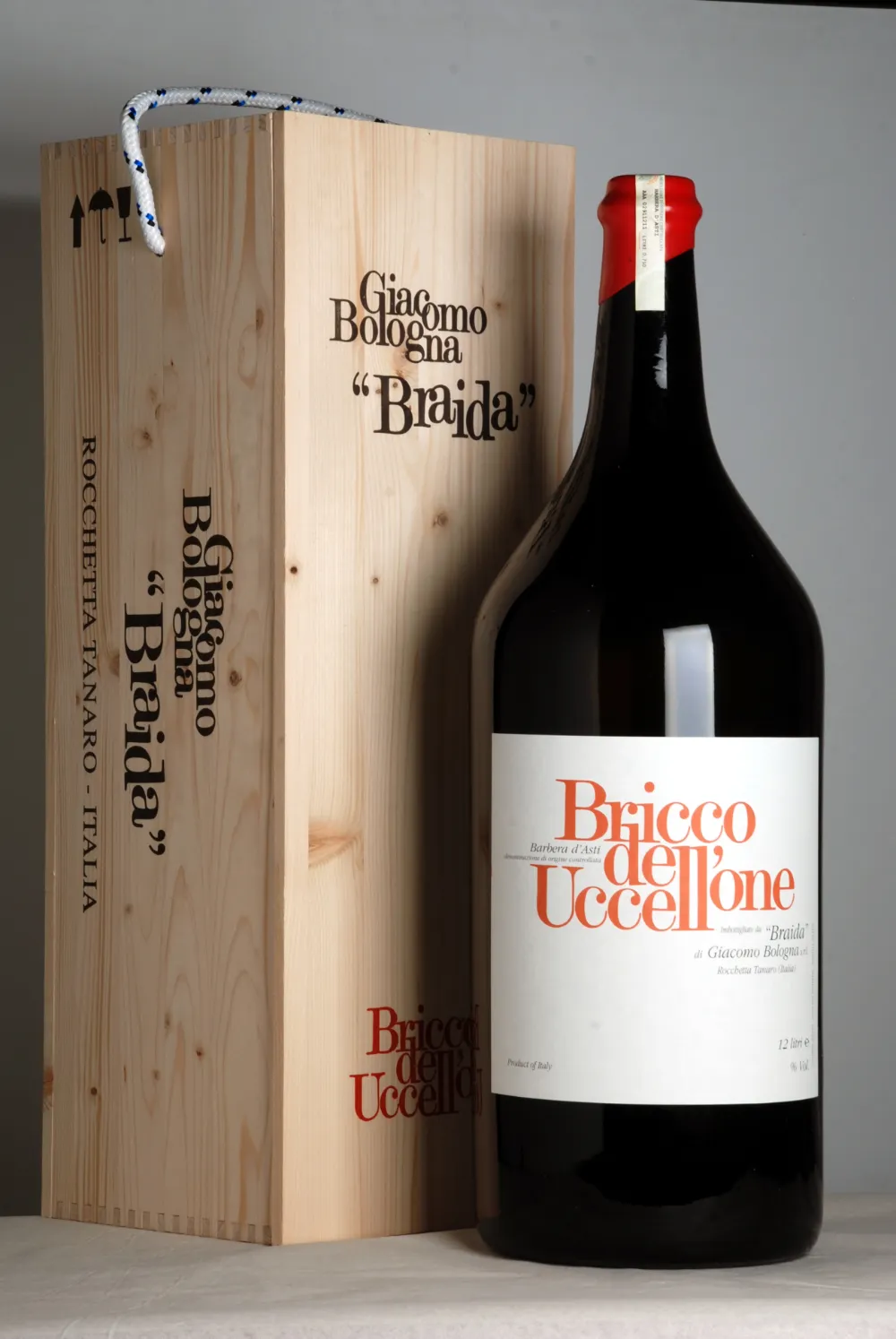
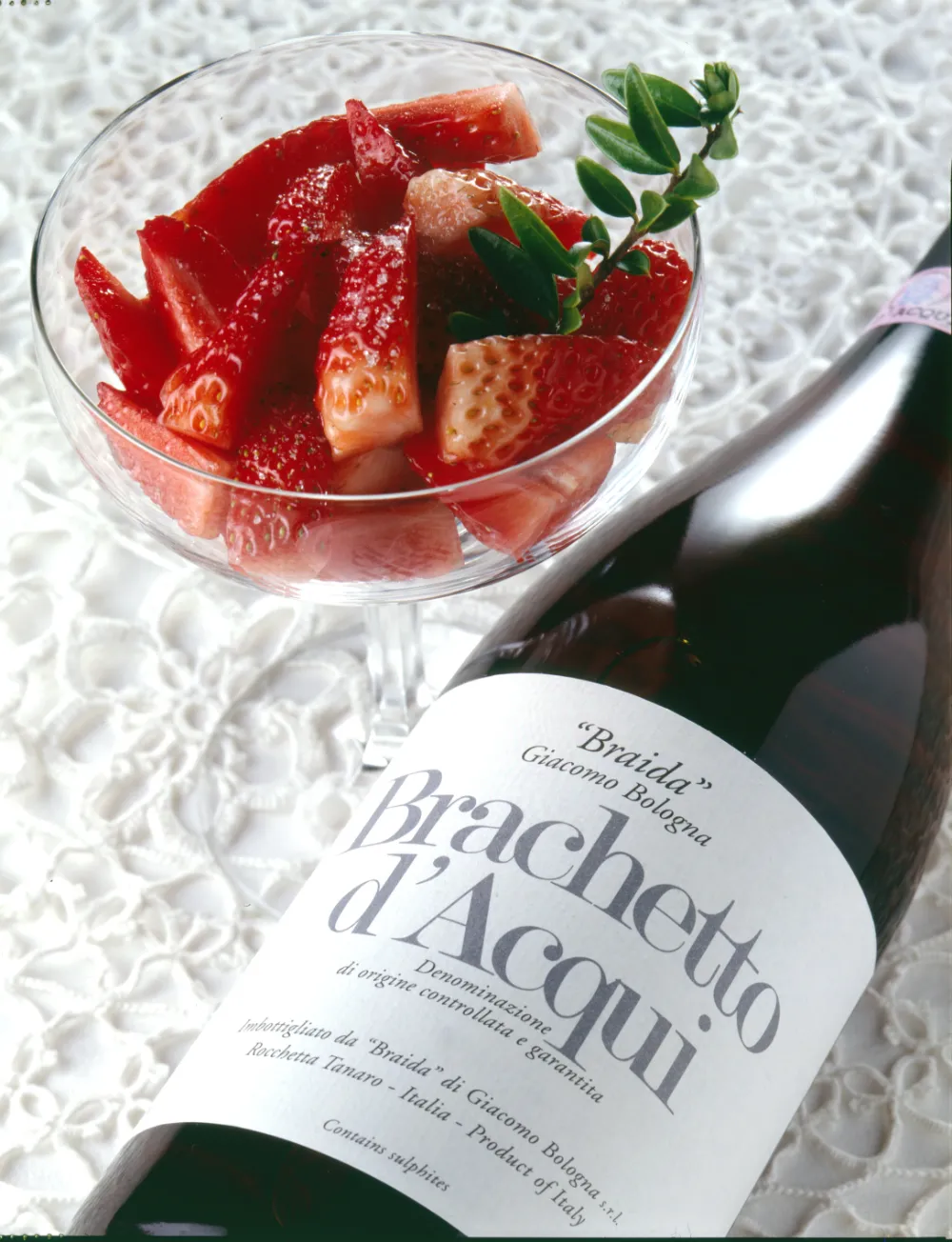
All three of the bottlings of Barbera: Bricco dell’Uccellone, Bricco della Bigotta and ‘Ai Suma’ are still ranked as among the finest of their type each year, as are their charming versions of Moscato d’Asti – whimsically named ‘Vigna Senza Nome’ (‘vineyard without a name’) an elegant, aromatic wine– and Brachetto d’Acqui, a slightly sweet red sparkling wine from grapes in the province of Asti.
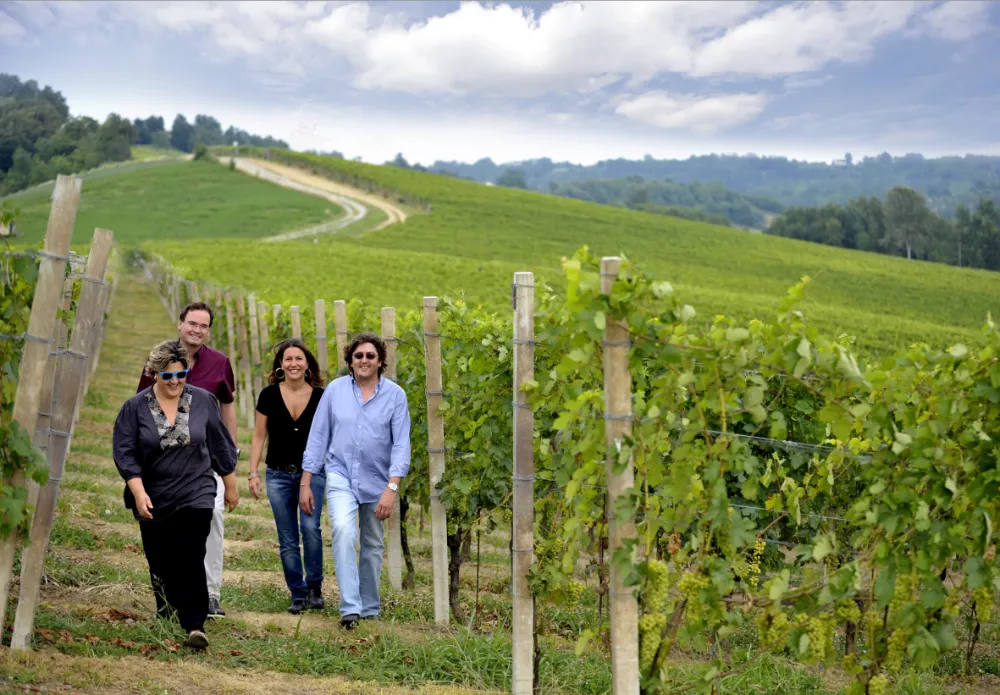
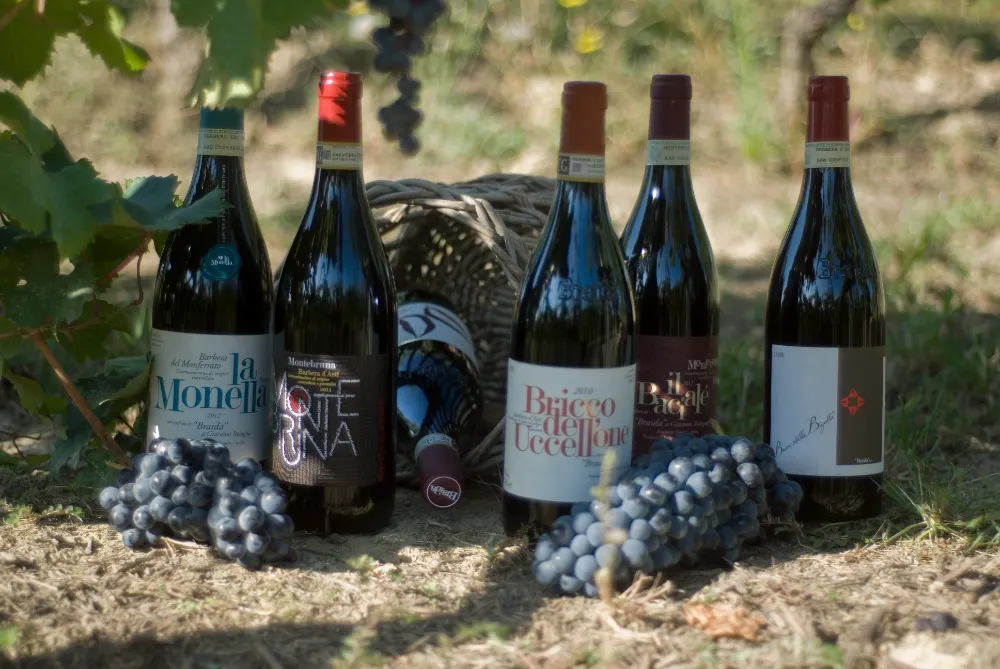
All of their wines, mostly made from indigenous varieties are well recognised and sought after among wine lovers as being refreshing, easy-to-drink ambassadors of the region. Other highly rated wines include Il Bacialé, an elegant blend made with Barbera and Pinot Nero, Cabernet Sauvignon and Merlot; Montebruna, made in a large wooden barrel according to ancient tradition; and Brachetto d’Acqui, a sparkling, fresh and delicate red.
What Giacomo Bologna and the other pioneering ‘barberistas’ proved was that when the Barbera varietal is allocated prime vineyard sites and great care is taken in reducing vineyard yields, hand selecting the grapes at harvest for optimal ripeness, together with meticulous monitoring of the vinification process, regardless of whether it has been made in the ‘traditional’ or ‘modern’ style – the resulting Barbera drinking experience can be nothing short of decadent.
Giacomo Bologna Braida Bricco dell’ Uccellone – contact details
Braida of Bologna Giacomo Srl
Registered office, logistics and offices
Provincial Road SP27, n. 9
Località Ciappellette
14030 Rocchetta Tanaro (Asti)
Piedmont – ITALY
Tel: +39 0141 644113
info@braida.it
References
- Johnson H & Robinson J (2013) The World Atlas of Wine 7th Edition, Octopus Publishing Group Ltd., London.
- Johnson H, (2014) Hugh Johnson’s Pocket Wine Book, 2015, Octopus Publishing Group Ltd., London
- Clarke O, (2014) Pocket Wine Book 2015, Pavilion, London.