
Frederique Constant Classic Power Reserve Big Date
Frederique Constant Classic Power Reserve Big Date Manufacture Watch Review The Frederique Constant Classic Power Reserve Big Date…



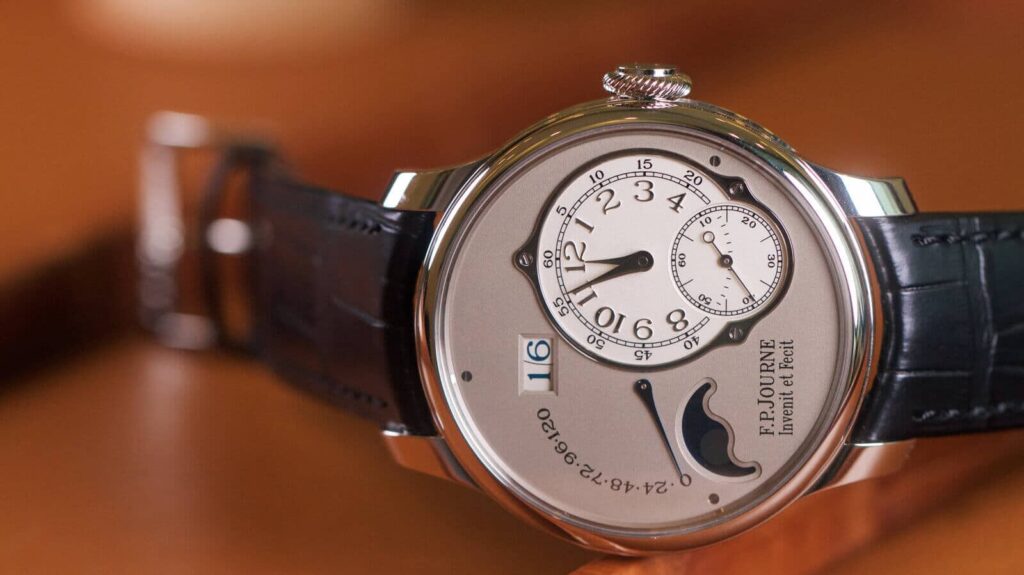
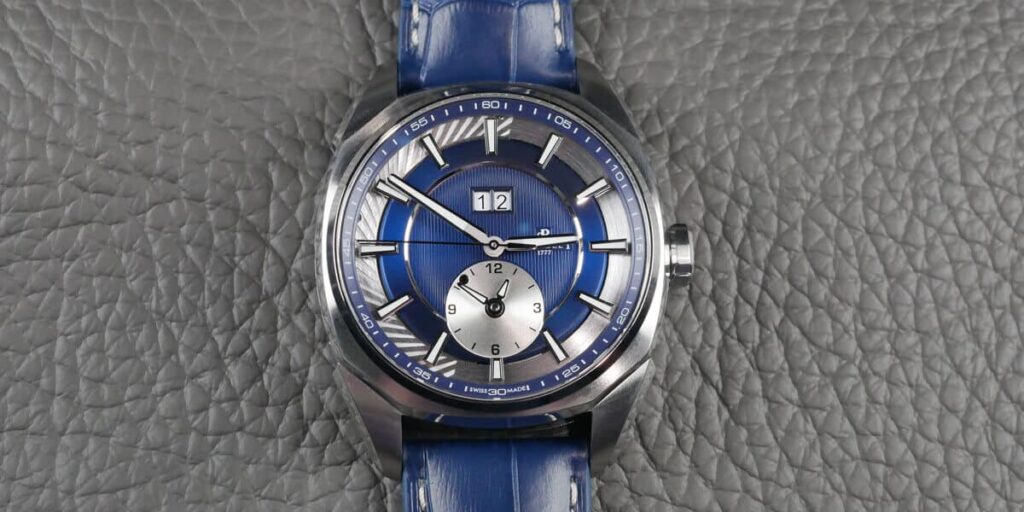
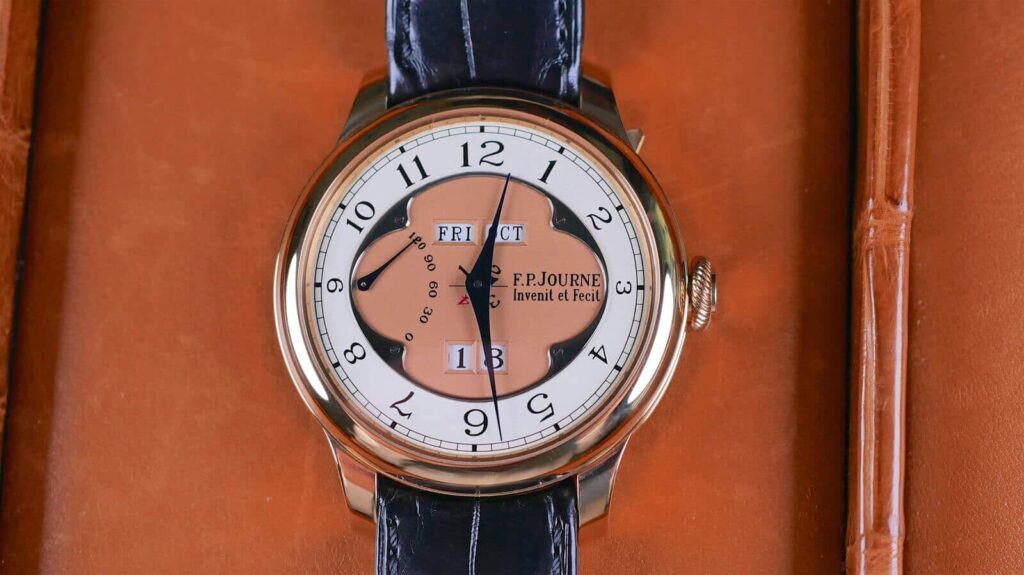

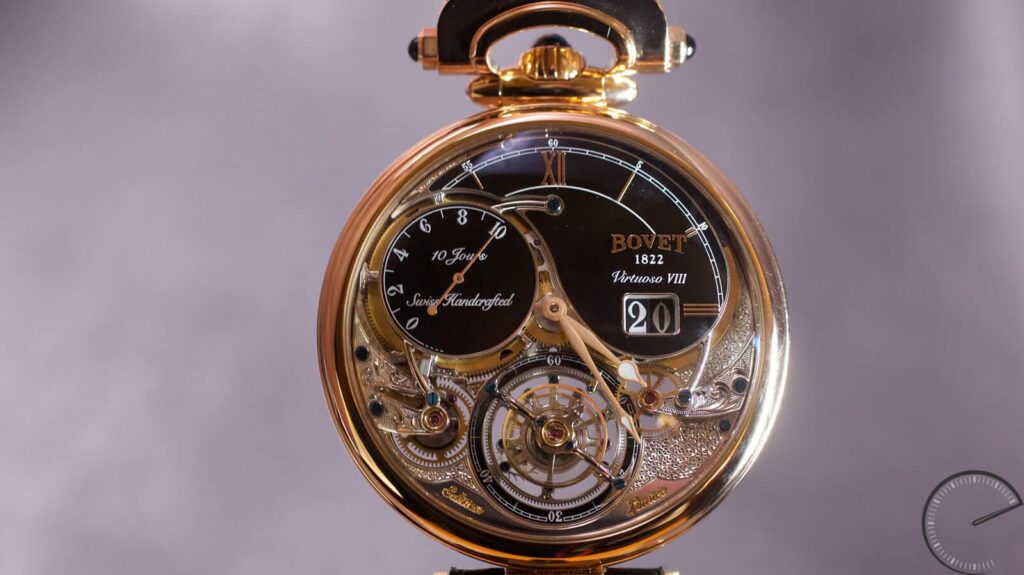


A ‘Big Date’ watch features a large date aperture function. This makes the date more legible than previous versions, which presented tiny dates that many couldn’t read quickly or easily enough.
The Big Date complication originated in 1932 which was pioneered by Louis Brandt & Frere’s Swiss watch brand, Helvetia.
The more modern version of this complication was led by German watch brand, A. Lange & Söhne, with their Lange 1 model in 1994.
To set the date, pull the crown to the first (middle) position and turn it clockwise or counter-clockwise.
A Big Date complication uses two separate date discs, one for the tens and one for the units digits, often housed in a double aperture. This allows for a larger, more legible display than a standard date window (which usually uses a single, smaller disc).