
Ca’ del Bosco Cuvée Annamaria Clementi DOCG
Philip Day discusses the sparkling wine from Italy, Franciacorta and in particular one of the finest examples of this sparking ‘Italian superstar’, Ca’ del Bosco Cuvée Annamaria Clementi DOCG.

To most of the British public who buy Italian fizz, this generally means Prosecco. Indeed last summer the sales of this fashionable, relatively cheap wine, literally flew of the shelves along with Lambrusco, which saw a revival and not forgetting the continued success of chic Italian whites such as Gavi and Pecorino thanks to discounting and promotions in supermarkets and high street wine merchants.
This summer another sparkling Italian superstar is set to become Italy’s next big thing on the UK market: the sparkling wines of Franciacorta.

Along with Champagne and Cava, Franciacorta is one of the big three named European sparkling wines made in the ‘traditional method’, that is ‘a la methode champenoise’, involving a secondary fermentation inside the bottle. This endows the wine with a finesse that prosecco producers can only dream about, given that their product is produced under the ‘tank-fermented method’ – making fizz under pressure in large stainless steel tanks.
One of the best producers of Franciacorta is undoubtedly Ca’ del Bosco and my recommendation of choice would be the splendid Cuvee Annamaria Clementi DOCG.
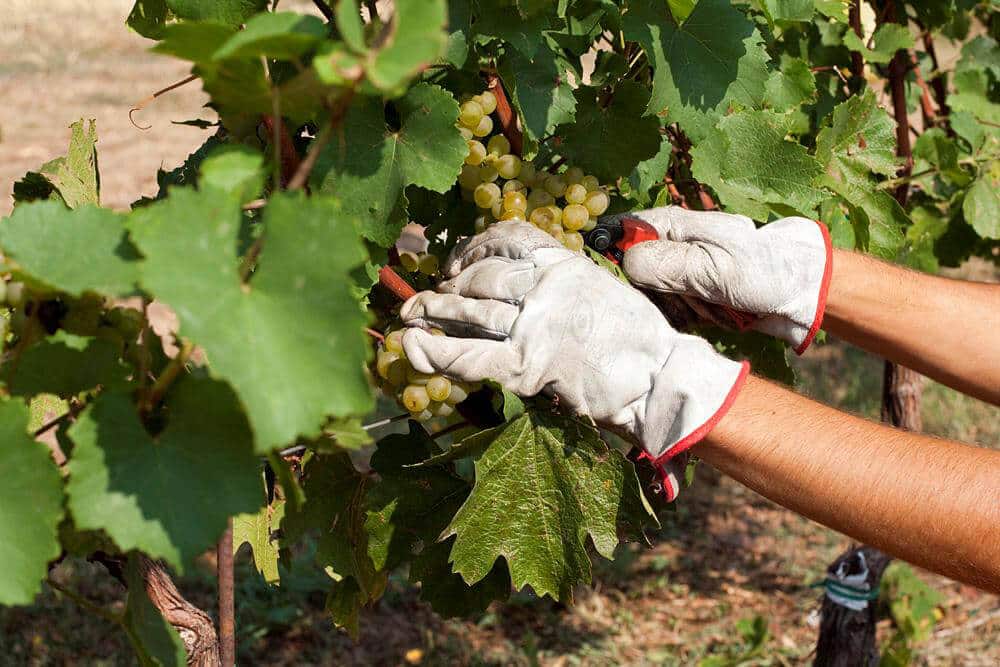
It is a consistent winner of the most influential wine guide in Italy, ‘Gambero Rosso’s Tre Bicchieri (literally the ‘three glasses’ award). Here the wine receives the same adulation as a great Champagne, being aged a full seven years on its lees before being disgorged.
History
The best Franciacorta sparkling wine of Ca’ del Bosco, Cuvee Annamaria Clementi, is named after vineyard owner Maurizio Zanella’s mother who planted the first vineyard, when she moved to Erbusco, a comune in the province of Brescia, in Lombardy, north east of Milan.
Following an eventful trip to Champagne, visiting many of the famous maisons Zanella became fascinated and so inspired by the quality and taste of the wines that he resolved to embark on a quest for excellence to make a wine of similar quality and prestige in Italy. So keen was he to match the excellence of fine Champagnes that Zanella’s first winemaker previously had worked at Dom Perignon.
Franciacorta was one of the first regions to get D.O.C. status, in 1967. Its products quickly gained fame, as did the commitment shown by its winemakers, including Zanella who invested both resources and ideas in the pursuit of quality oenology. In 1995, Franciacorta was given D.O.C.G. (Denomination of Origin Controlled and Guaranteed) status, a noteworthy testimonial to the continued commitment to the pursuance of excellence by its winemakers.
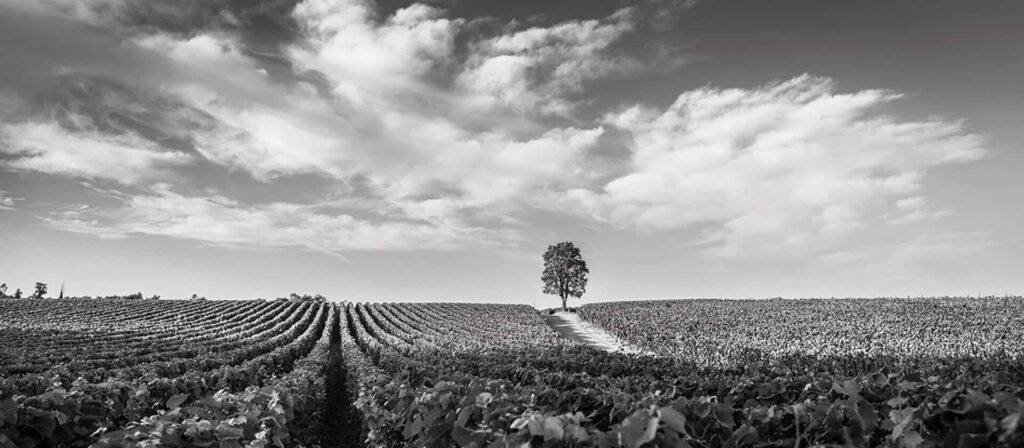
Since 1 August, 2003, Franciacorta has been the only Italian wine not obliged to declare its DOCG appellation on its label, in the same manner that a Champagne is permitted to exclude its AOC from its labels.
| Appellation | Franciacorta DOCG
|
| Owner | Ca’ del Bosco
|
| Planted acreage | Total: approximately 184.5 hectares in eight different communities of Franciacorta |
| Grape varieties | chardonnay, pinot noir and pinot blanc |
| Wines produced |
|
| Terroir | Mineral-rich, granular-sized, calcareous gravel and sandy morainal soils covering a bedrock of limestone
|
| Production | Around 27,000 hectolitres are produced annually across the region with an average of 1.2 to 1.4 million bottles of Franciacorta wine.
|
| Top Vintages Produced | 1989, 1990, 1993, 1994, 1997, 1998, 1999, 2001, 2002, 2003, 2004, 2005, 2009
|
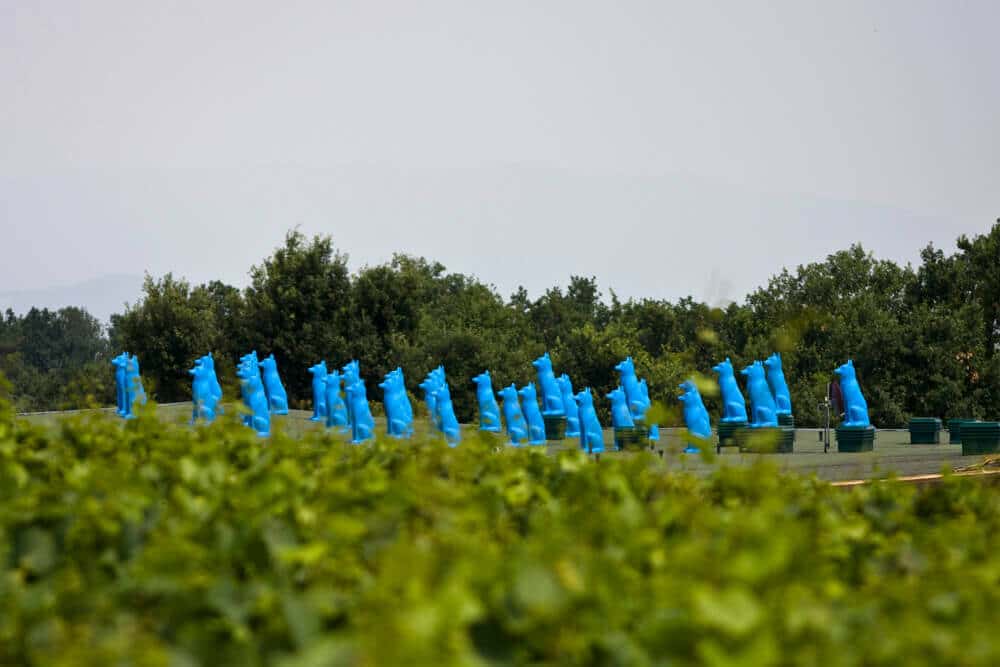
There is also an excellent visitors’ centre at Ca’ del Bosco, where in addition to sampling the many varieties of wine produced by the company there are also many examples of artistic installations to astound its visitors that augment their experience of the day. This fusion of art and wine, nature and culture, creates a magical effect that touches people’s spirits and senses.
Viticulture
The wine region of Franciacorta is part of the Province of Brescia in the Italian Region of Lombardy. The geography of this area of rolling hills was shaped by glacial action. The soil, consisting of gravel and sand over limestone, drains well, and is ideal for the cultivation of grapes and wine-making. The region’s weather is temperate and constant, thanks to its location south of the foothills of the Alps, while the presence of large lakes help moderate temperature extremes.
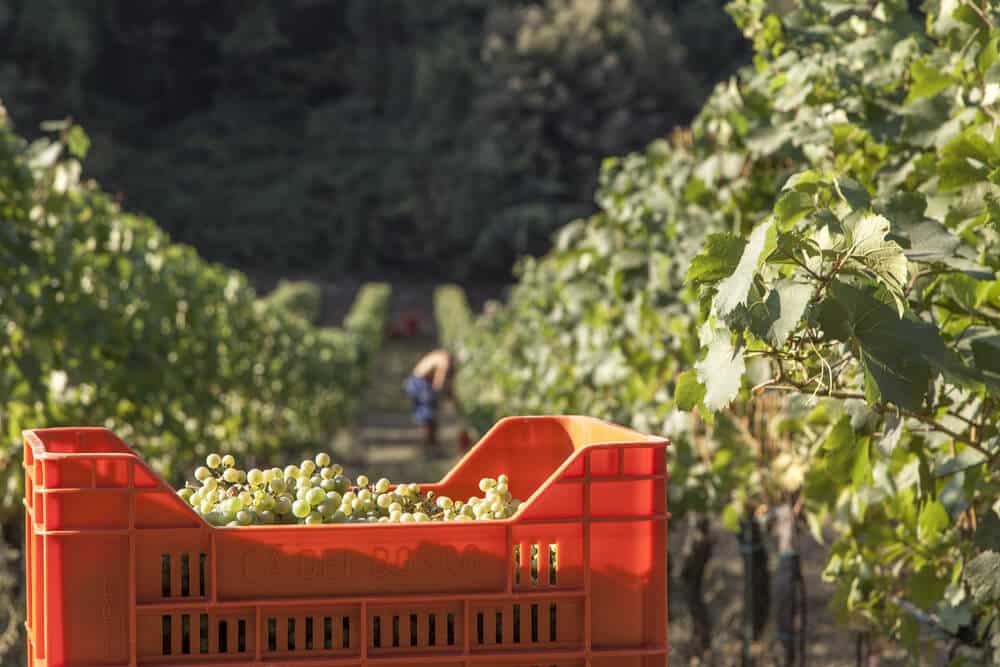
Franciacorta was Italy’s first wine to be produced in the classic ‘me?thode champenoise’ allowing a second fermentation in the bottle.
In the case of Cuve?e Annamaria Clementi DOCG, Maurizio Zanella offers no compromises, nor concessions. Only the finest grapes from the various crus are destined to be earmarked for this iconic wine. Even then, it is only released in the finest years.
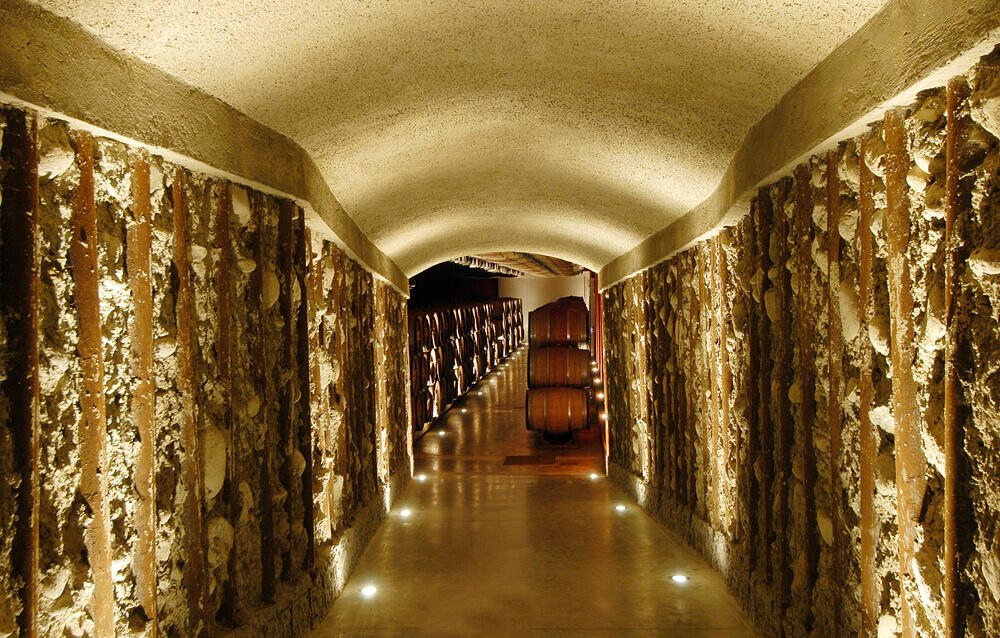
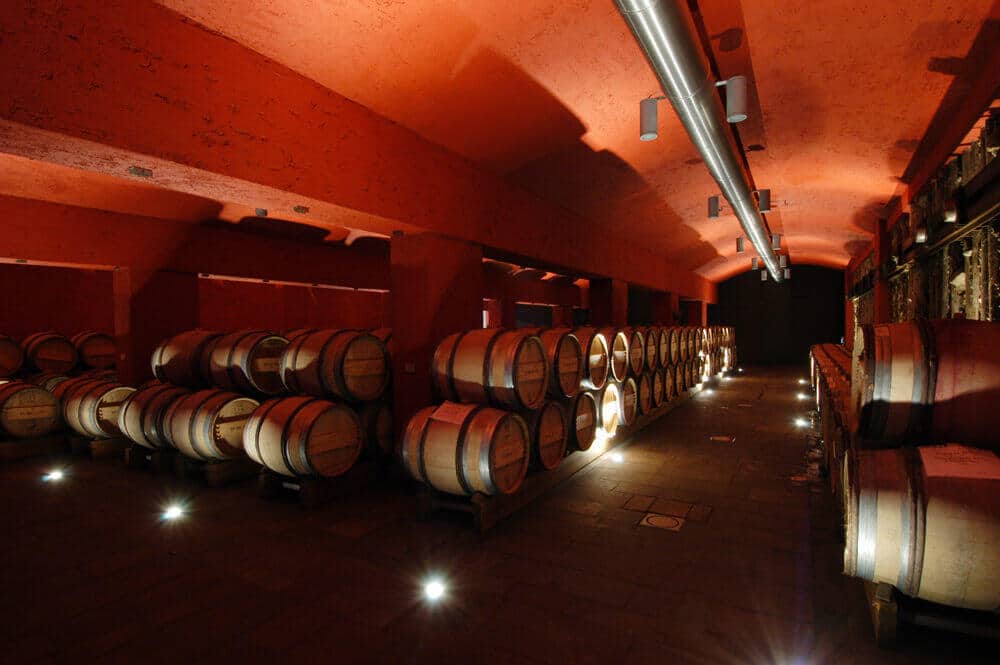
The wines, made from chardonnay, pinot noir and pinot blanc grapes varieties, are impressively like those used in the best Champagnes. Meticulous vinification and very lengthy bottle refinement – at least seven years ageing on the lees (yeast sediment) in the bottle imbues the magnificently golden liquid with a slightly softer acidity and a unique richness, creaminess and complexity, in comparison to simpler tank-fermented sparkling wines (such as Prosecco).

Disgorgement is undertaken in the absence of oxygen using a unique system designed and patented by Ca’ del Bosco. By the employment of this procedure, it avoids oxidative stress or the need for additional sulphites, making Ca’ del Bosco Franciacortas purer, more appealing and longer lived. Finally, to ensure its traceability and to bolster consumer confidence that what they have purchased is not counterfeit, every bottle is given an individual marking.

CUVEE PRESTIGE

CUVEE ANNAMARIA CLEMENTI
Cuve?e Annamaria Clementi DOCG benefits from an extraordinarily complex bouquet, an exceptionally full and lasting taste, with ultra-fine perlage that makes it more mellow than Champagne, with slightly softer flavours. Perfection.
In the news
- Franciacorta will be the official Sparkling Wine of the Universal Exposition in Milan see: https://www.expo2015.org/en/consortium-of-franciacorta-
Contact details
Address: Ca’ del Bosco, Via Albano Zanella, 13 25030 ERBUSCO (BS) Italia
T: +39 030 7766111
F: +39 030 7268425
E: cadelbosco@cadelbosco.com
References
- MacNeil, Karen (2001) The Wine Bible, Workman Publishing, USA.
- Johnson H & Robinson J (2013) The World Atlas of Wine 7th Edition, Octopus Publishing Group Ltd., London.
- Johnson H, (2014) Hugh Johnson’s Pocket Wine Book, 2015, Octopus Publishing Group Ltd., London
- Clarke O, (2014) Pocket Wine Book 2015, Pavilion, London.
About the author
Philip Day is an early-retired academic in linguistics who has published many articles.
A North-Midlander (The Potteries) by birth, he currently lives close to the Lancashire Pennines which he regularly explores with his Patterdale terrier, Max.
In particular he has a keen interest in European fine wines and good food and will be contributing further articles in the future for Escapementmagazine.com.