
Pequignet Calibre Royal Automatic Movement
Angus Davies recently travelled to Morteau in France, where he was given a tour of Pequignet’s Manufacture. In this feature, the Lancastrian delves into the history of French watchmaking, offers insight into the work undertaken at Pequignet’s Manufacture and takes a deep dive into the specification of the Calibre Royal, a movement billed as ‘French-made watchmaking excellence’.
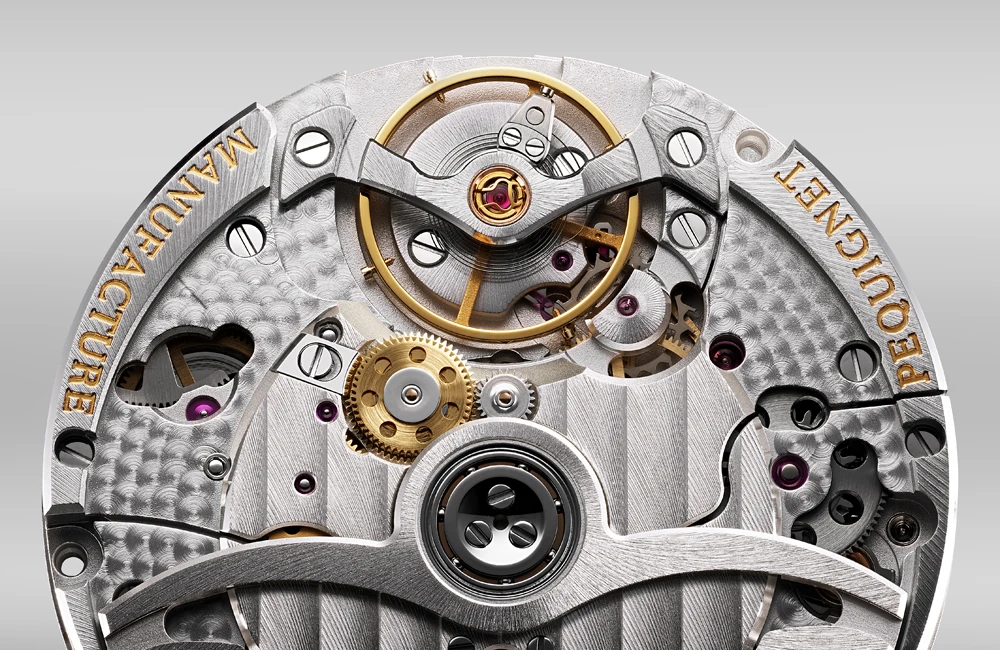
Image – Pequignet Calibre Royal
Made in France
Should you have the good fortune to visit Paris, I recommend taking a stroll along Rue du Faubourg Saint-Honoré for a spot of window shopping. Better still, visit Place Vendôme armed with a black credit card and indulge in a spot of retail therapy. Indeed, France does luxury better than most countries. Whether it’s haute couture, haute cuisine, a bottle of Petrus or the enchanting fragrance of a fine parfum, this European nation is synonymous with ‘the finer things in life’, offering discerning souls an array of products and services brimming with elegance and refinement.
Today, when discussing Haute Horlogerie, our gaze usually turns to Switzerland. However, if we look back to the 17th and 18th centuries, France was at the forefront of watchmaking. Indeed, Ferdinand Berthoud (1727-1807) and Abraham-Louis Breguet (1747-1823), both Swiss by birth, travelled to Paris, aware of its preeminence in horology. Thumb through the annals of watchmaking and you will discover other illustrious names such as Antide Janvier, Pierre Le Roy, Jean Antoine Lépine, Louis Moinet and Adrien Philippe.
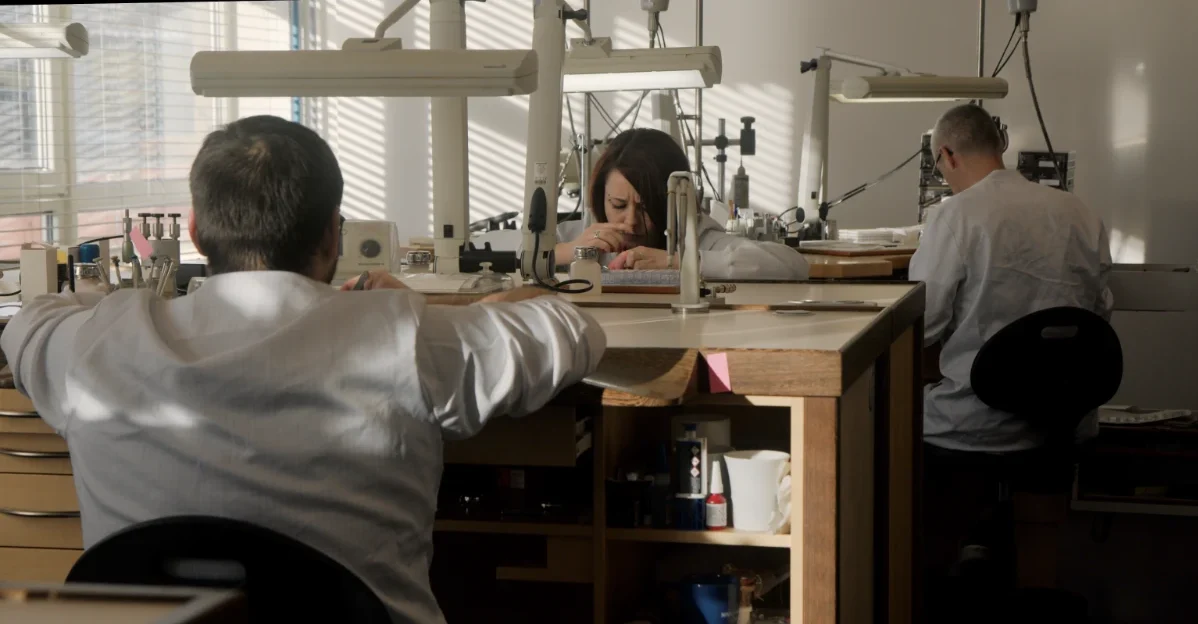
Image – watchmakers assembling watches at Pequignet
Huguenots and the French Revolution
There have been several political events which have adversely affected French watchmaking over the years. During the 16th century, Huguenots (French protestants) suffered persecution in various parts of the predominantly Catholic nation, especially Paris. Eventually, King Henry IV introduced the Edict of Nantes (1598), affording Huguenots new political and religious rights; however, by that stage many had already fled to England, the Netherlands and Geneva.
John Calvin, himself a Huguenot, ran Geneva with a rod of iron until 1555. He banned the making of extravagant jewellery, leading some artisans who arrived from France to repurpose their skills for the making of watches, thereby giving rise to a new industry. The Edict of Nantes was eventually repealed in 1685, outlawing Protestantism. Needless to say, a second wave of refugees fled France to settle in various European countries, including England, Ireland, Germany and the Netherlands.
The French Revolution (1789 – 1799) also had a major impact on the production of clocks and watches. With the execution of royals and members of the bourgeoisie losing their fortunes, many watchmakers witnessed their businesses suffer. Moreover, fearing persecution, some adopted a new identity, opting to work incognito, while others chose to leave the country under the cover of darkness. Indeed, in August 1793, Breguet sought sanctuary in Switzerland for a while. He eventually returned to Paris in the Spring of 1795 and his business prospered, albeit that was not the case for many of his contemporaries.

Image – Pequignet Manufacture in Morteau
Franche-Comté region
During the late 18th century, with the French Revolution raging havoc in Paris, many of the city’s watchmakers moved to Besançon in the Franche-Comté region. Interestingly, revolutions were not the sole preserve of France. For instance, Geneva experienced political turmoil with the Geneva Revolution of 1782. Laurent Mégevand, a Genevan watchmaker, relocated to Besançon and established Manufacture d’Horlogerie Française. Other Swiss watchmakers relocated to the city, often financially incentivised to set up businesses in the region. By 1860, Besançon was widely recognised as the centre of the French watchmaking industry, providing employment to thousands of workers.
Such was the significance of watchmaking in the region that L’Observatoire de Besançon was inaugurated in 1884. With navies using marine chronometers to determine longitude at sea, precision was of great importance. Pocket watches were tested by various astronomical observatories throughout Europe, with watchmakers keen to win prestigious prizes for chronometry.
The observatory in Besançon remains in operation today and is ‘one of only three organisations in the world authorised to award, under Vipère label, mechanical chronometer certification’. Complete watches (ie cased) are now evaluated over a 16-day period in accordance with international standard ISO 3159 and, if successful, receive the Poinçon Vipère (the criteria is shown at the end of this feature).
Pequignet states, “Through this group, we are currently launching a new certification that will allow us to certify movements in large quantities rather than watch heads in small volumes. For the moment, the Besançon Observatory remains a small entity, but we are working to change this with new equipment.”

Image – Pequignet Manufacture in Morteau
Morteau is home to Lycée Edgar Faure, a prestigious watchmaking school. It has trained some of the most talented watchmakers of today, including Rémy Cools, Théo Auffret and Alexandre Hazemann and is currently teaching future generations.
In common with the Swiss watch industry, watchmaking in the Franche-Comté region suffered during the 70s with the advent of quartz technology. However, the area is now experiencing a renaissance with brands like Peguignet leading the way. Interestingly, due to the proximity of the region to the neighbouring Swiss watch industry, supplies of components frequently cross the nearby border, moving in both directions. In addition, several Swiss brands, including Breitling and Swatch, have chosen to locate service centres in the region.
Pequignet depuis 1973
Émile Péquignet founded his eponymous business in Morteau, back in 1973. Initially, the company made watches fitted with quartz or Swiss movements; however, everything changed in 2011 when the Maison unveiled its first Manufacture movement, the Calibre Royal.
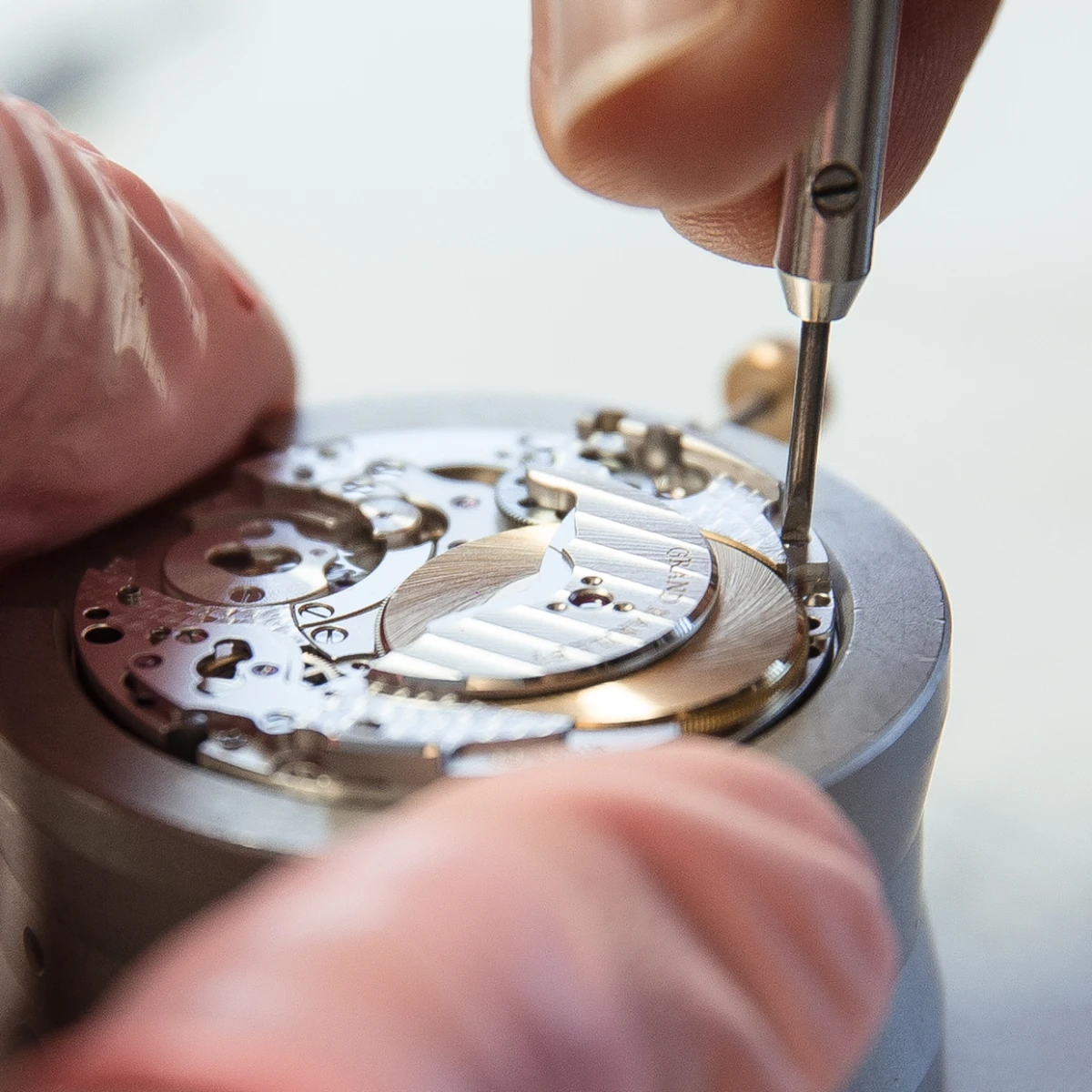
Image – Pequignet Manufacture Royal
In 2014, Pequignet received the ‘Entreprise du Patrimoine Vivant (EPV) label’ from the French government in recognition of its rare exceptional know-how. Since the release of the Calibre Royal, the company has unveiled further in-house movements, including the Calibre Royal Manuel (2018), the Calibre Initial (2021) and the Calibre Royal Tourbillon (2025). Pequignet was acquired in 2021 by Maisons & Manufactures.
Today, operating from its modern Manufacture in Morteau, Pequignet states that it is the only really independent manufacture of Haute Horlogerie in France.
Pequignet first exhibited at Watches & Wonders in 2023. The brand returned to the Geneva-based fair again in 2024, 2025 and 2026. It was while attending W&W 2025 that I first handled the Pequignet Royale Paris 39.5 mm, a watch I wrote about on my return to the UK. The design of each element delivered something different from rival Swiss and German products. Indeed, rather than seek to emulate Swiss Haute Horlogerie, Pequignet has clearly chosen to imbue its watches with a distinctive character all their own and specific to the Franche-Comté region.
An invitation to visit Morteau
Throughout my career, I have visited watch factories in Switzerland, Germany and Japan; however, until recently, I have never visited a Manufacture in France. Pequignet invited me to visit its facility in Morteau to look behind the scenes.
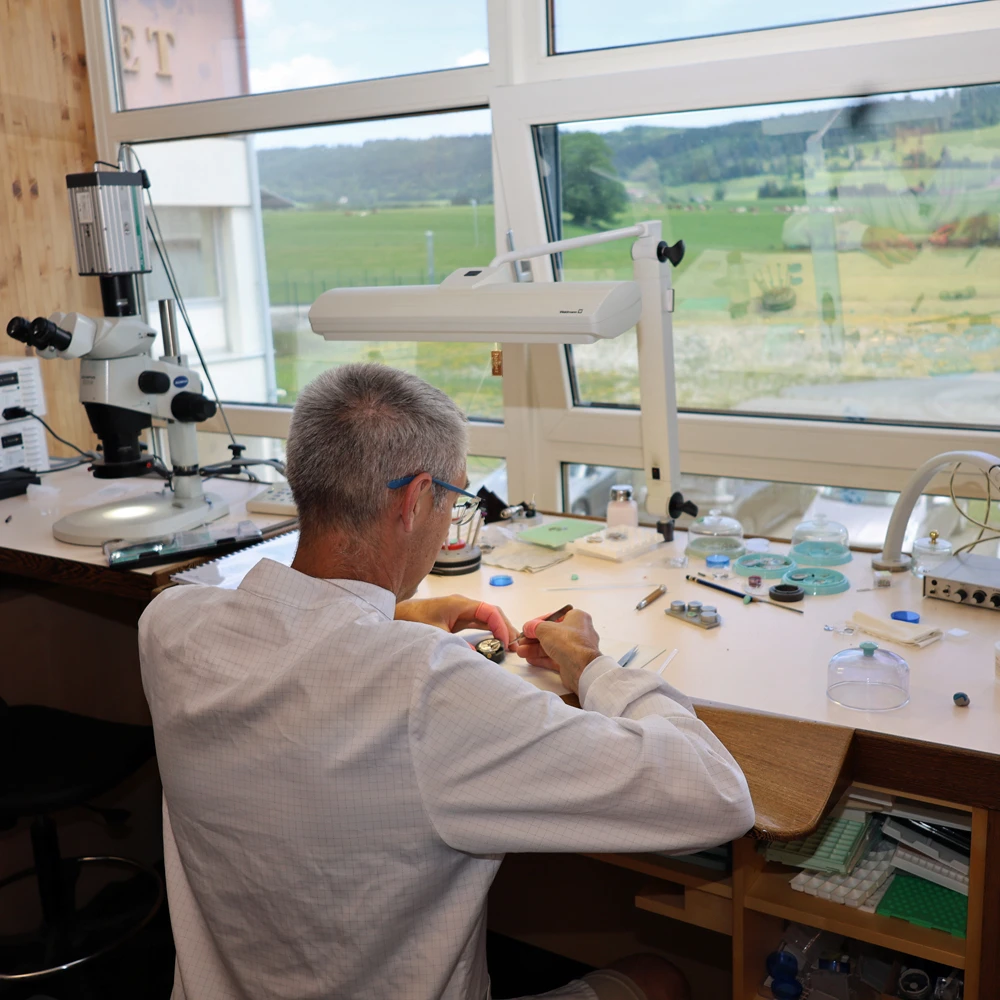
Image – a watchmaker working at a bench with views of a beautiful landscape
The Manufacture is modern, yet sits at ease with its surroundings. Large windows drink in natural light, a useful resource for watchmakers manipulating tools. The windows also grant sight of grazing cattle in fields and tree-clad hills in the distance, providing calm, pleasant views when workers are not assembling, regulating or servicing watches.
The Concepteur
Pequignet designs, engineers and develops its movements at the Manufacture, hence it was logical that my visit began with meeting the personnel responsible for undertaking these tasks. The ‘concepteur’, using CAD (Computer Aided Design) software, works on movement designs, both in two and three-dimensional forms. With a slight movement of a computer mouse, the concepteur is able to rotate an image of the movement on the computer screen, viewing it from different angles. Likewise, he can virtually remove layers of parts, such as a bridge, to see the interaction of components beneath. The forces acting on parts can be assessed, ensuring the movement will be precise and reliable. In addition, gearing profiles and friction coefficients are also calculated. The addition of complications to a movement adds a further layer of complexity to the concepteur’s job.
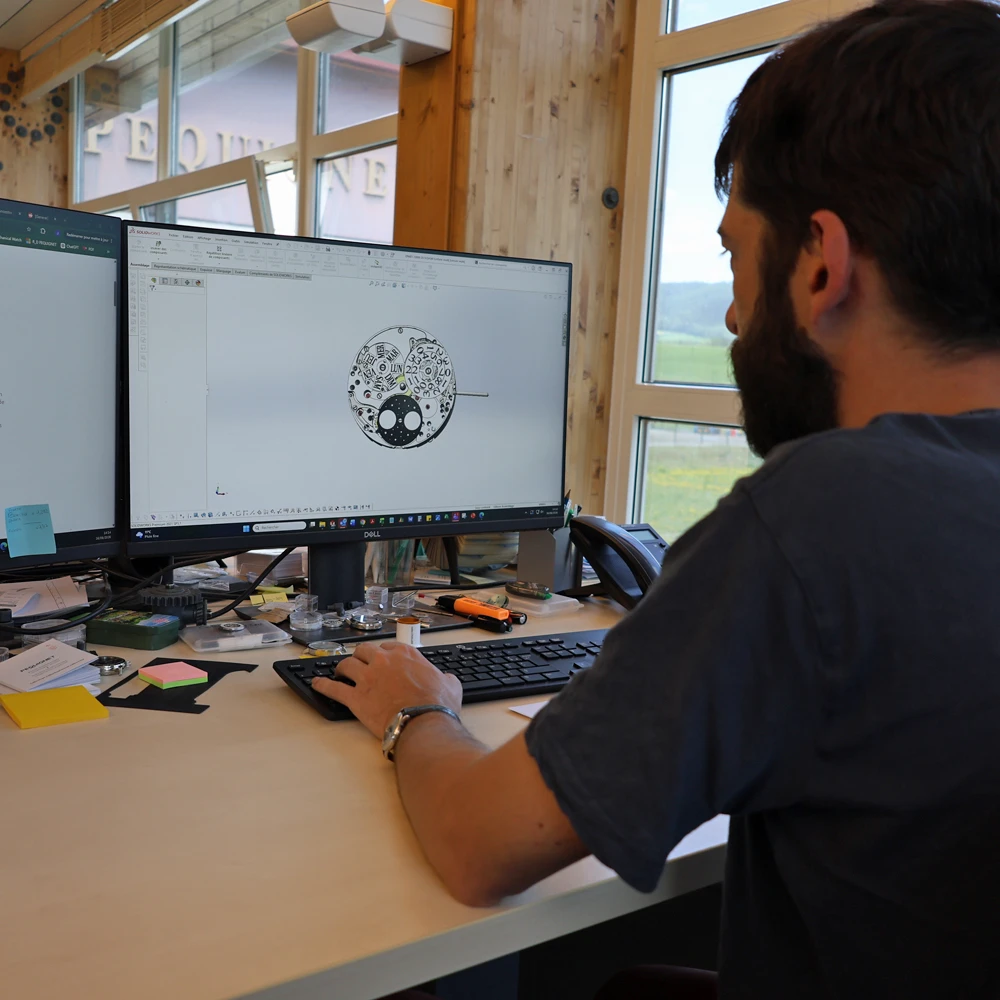
In some cases, models are made using a 3D printer, allowing the team to inspect a mechanism, ensuring each part functions as intended. Each detail is refined, tolerances are calculated and drawings are produced. Everything is done to ensure that when mainplates, bridges, wheels and the many components that form the movement are produced, they will come together and work in symphony. Indeed, the 318 components that form the Calibre Royal are produced to a tolerance of 2 microns (0.002 mm). The margins for error are infinitesimal.
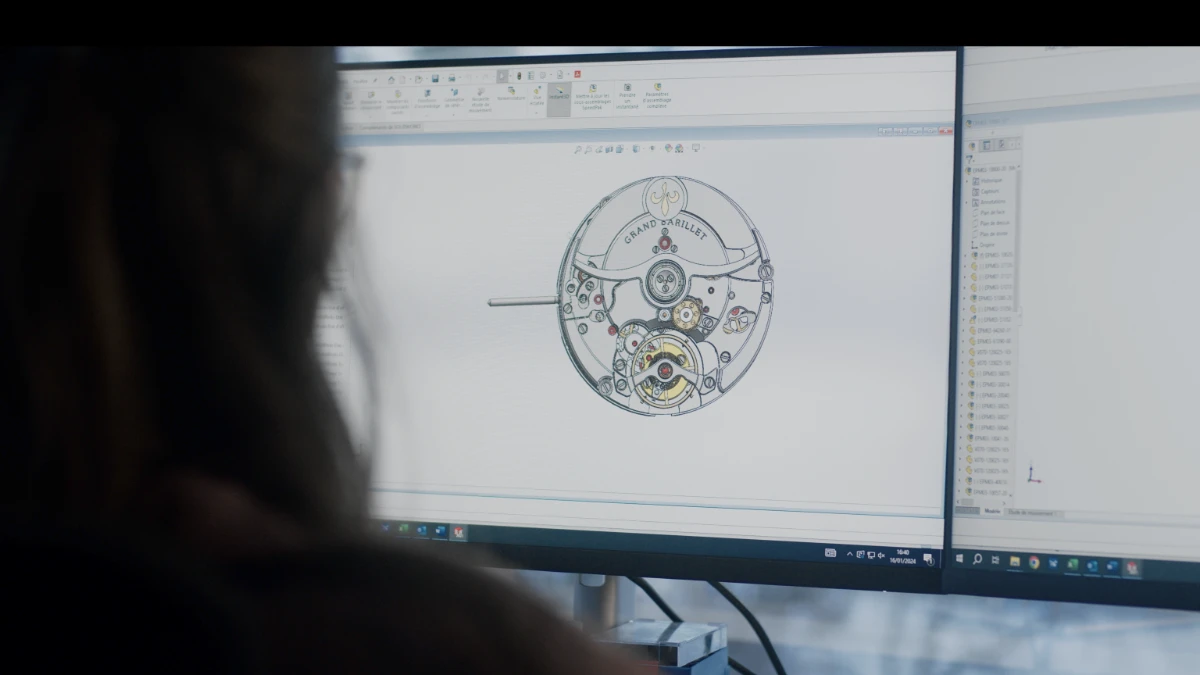
To provide some context, when Pequignet unveiled the Calibre Royal back in 2011, the design required 279 industrial plans and involved making 150 specific tools. The innovative brand also patented eight mechanisms.
A Pequignet watch – a product of its region
After the concepteur has created drawings, parts are procured from local suppliers, each made to Pequignet’s specification. The company works with approximately 70 suppliers, all located within 80 km of the Manufacture. In terms of the Calibre Initial, the Maison states that 72% of components are made in France.
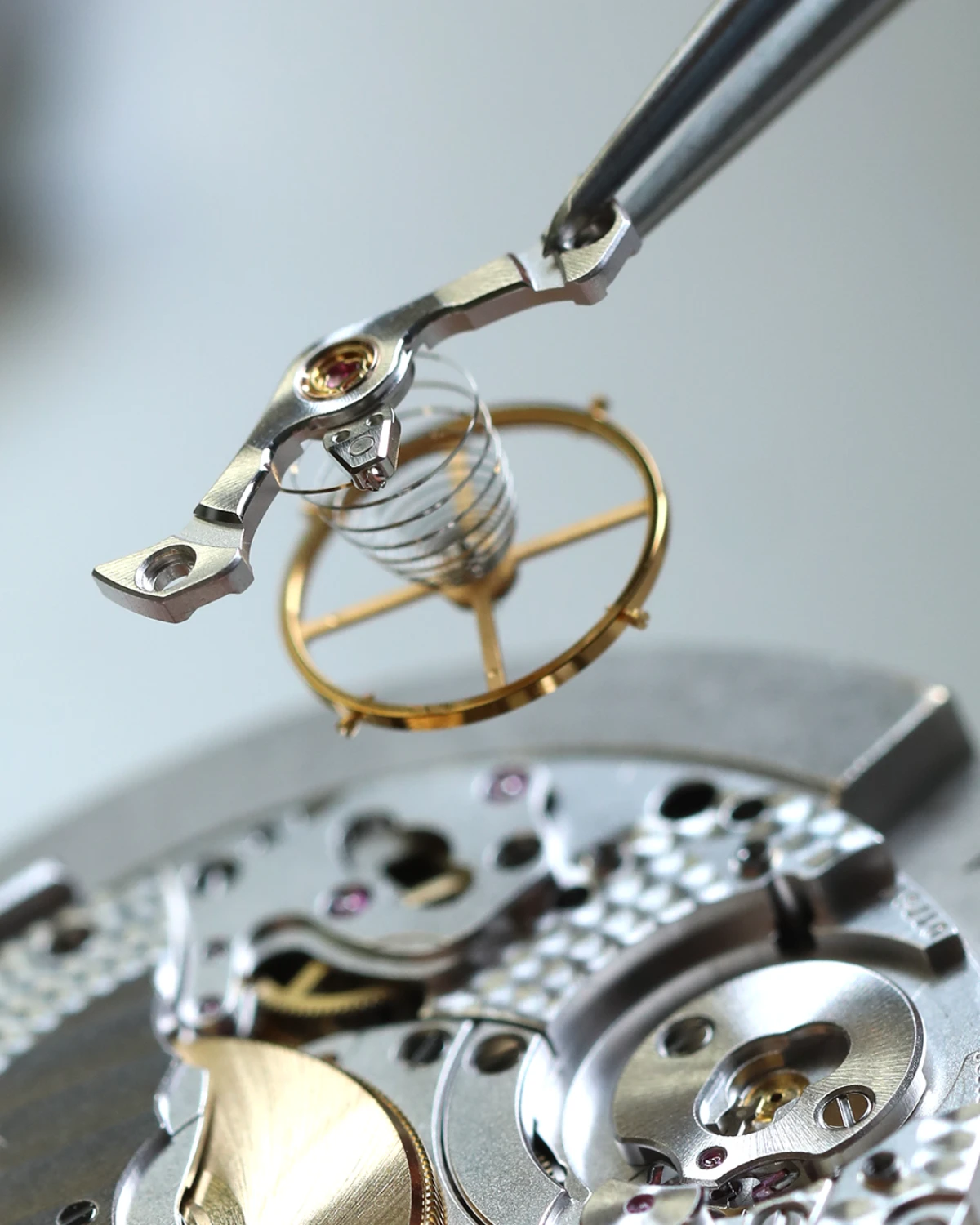
Image – a balance being fitted to the Pequignet Calibre Royal
My host proceeded to show me an array of parts, including polished screws, dials and bridges, to name but a few. Some components, such as the hands, originate from the Franche-Comté region. Indeed, the area is developing into a regional horological hub with several companies striving to support one another. In some instances, Pequignet uses Swiss components when they proffer superior performance or when French alternatives are unavailable. For example, the balance spring is supplied by Nivarox-FAR, ‘the leading Swiss specialist in the production of oscillating and escapement parts’.
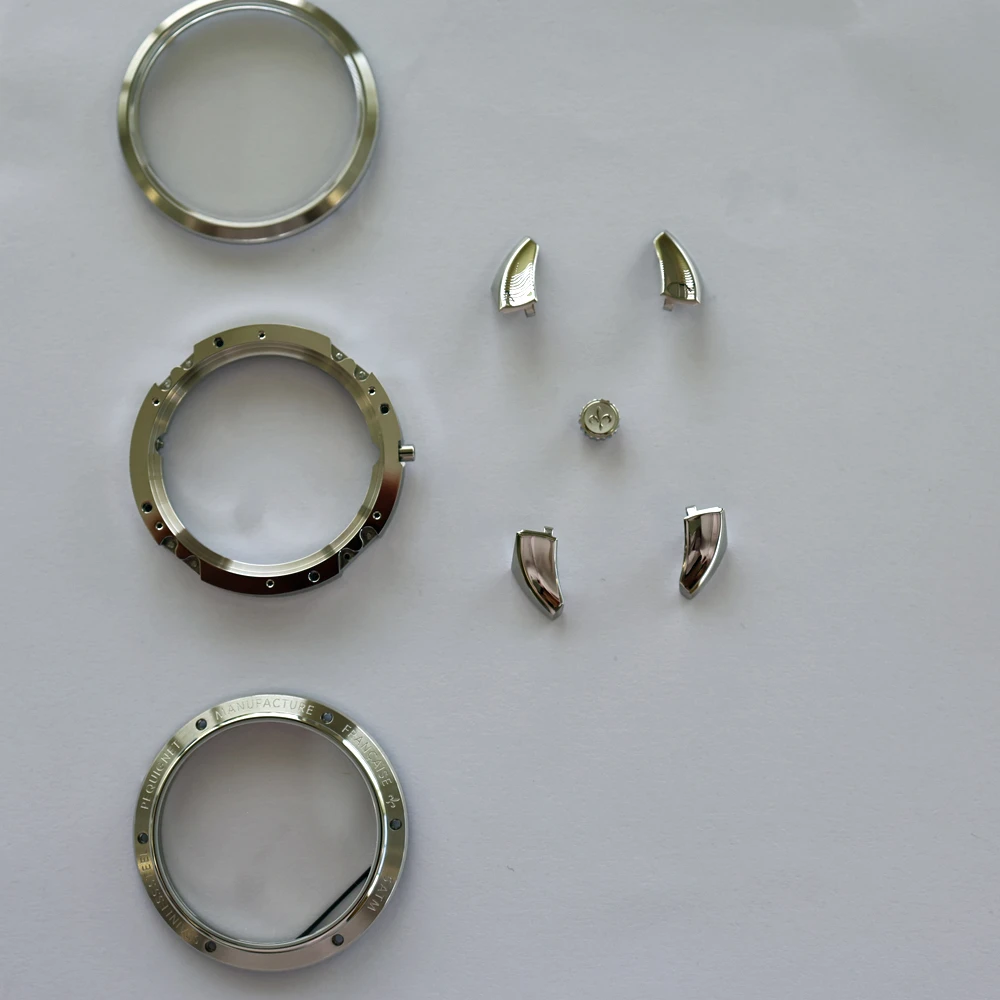
Image – case components including the crown
Similar to a bottle of fine Bordeaux, various factors influence the flavour of a Pequignet watch. Indeed, the ‘terroir’ endows each watch with a distinctive character. For instance, the case of the Pequignet Royal Paris is more complex than it first appears, comprising 11 parts in total (excluding the sapphire crystals, positioned front and rear). The parts include the bezel, the case middle, caseback, crown and four individual lugs. Consistent with the finest expressions of Haute Horlogerie, each lug is a discrete component, allowing the Maison to imbue them with a superior level of finishing. Sometimes brands solder the lugs to the case middle, but on this occasion Pequignet prefers to attach the lugs with screws. This means, should a lug become damaged at a future point, it can be removed for repair or even replaced.
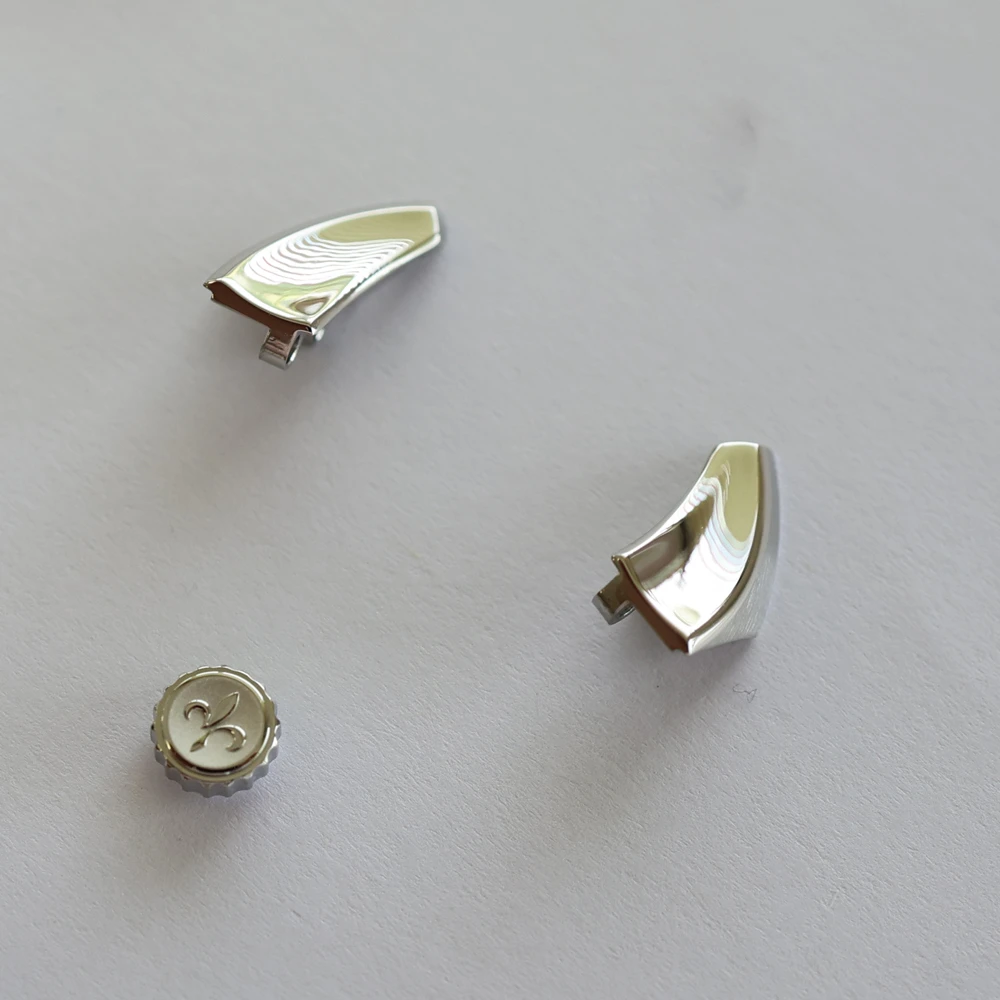
Image – lugs for the Pequignet Royale Paris 39.5 mm
Parts are controlled
When parts are received from suppliers, they are ‘controlled’ to ensure they conform with the agreed specification. The department responsible is dotted with an array of equipment for checking parts in microscopic detail. Assuming components conform, they are placed in storage, ready to be requisitioned by the watchmakers. In addition, some of these parts may be required by the onsite service centre.
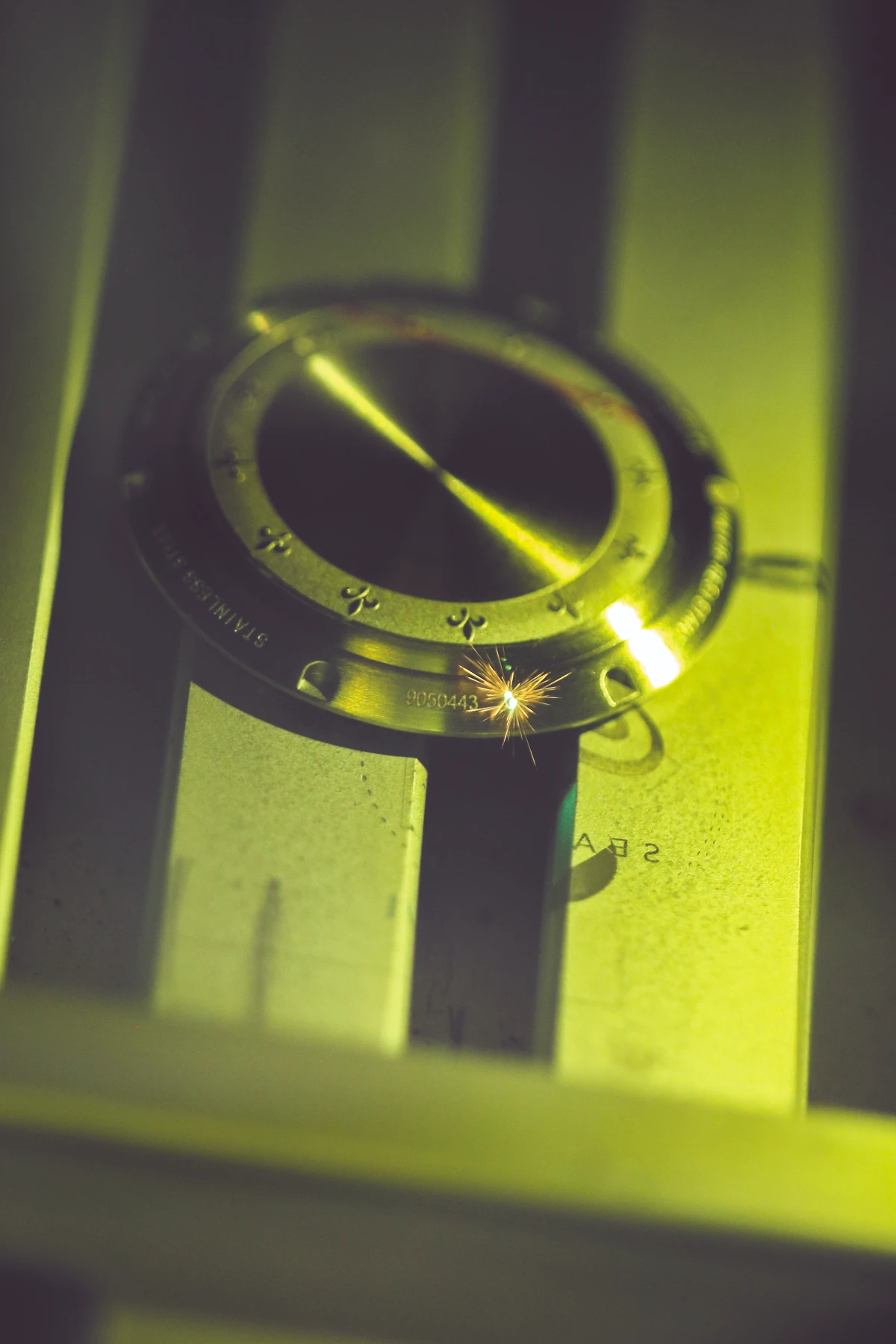
Image – laser engraving of a caseback
Another process that takes place in this department relates to the caseback. It is laser engraved with its identifying marks and then stored ready to be used at a future point.
Watch assembly
Consistent with the finest examples of Haute Horlogerie, each watch is assembled in its entirety by one watchmaker. Unlike some large factories which adopt a conveyor-belt approach to watch production, the assembly of a Pequignet timepiece mainly takes place at the watchmaker’s bench, save for some quality control steps (see later) which are performed on the other side of the room. The assembly area is bright, clean and operates to the accompanying sound of a monastic hush.
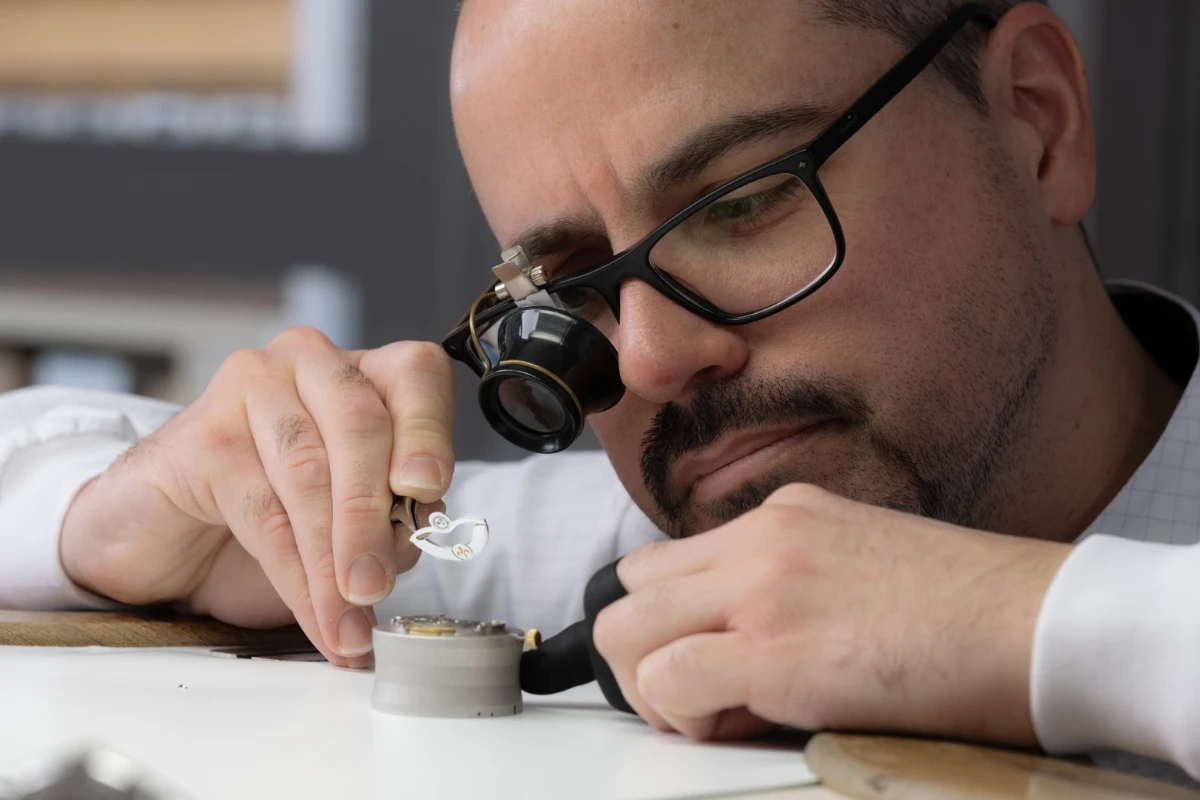
Image – a watchmaker working on a Pequignet Calibre Royal
The workbenches feature plastic containers, protecting parts from going astray or becoming contaminated. Screwdrivers, loupes and tweezers are all close to hand. Oilers and a series of lubricants of varying viscosity are poised, waiting to be applied to pivots in jewels and other moving parts. Occasionally, there is the sound of hissing as the watchmaker blasts a component with clear, high-pressure air, removing any trace of dust or debris from a part. A small container on each bench contains acetone. This is applied to parts with a cotton swab to remove unwanted marks, lubricants or other contaminants. Cleanliness is absolute, hence part-assembled movements are often seen beneath a protective cloche.
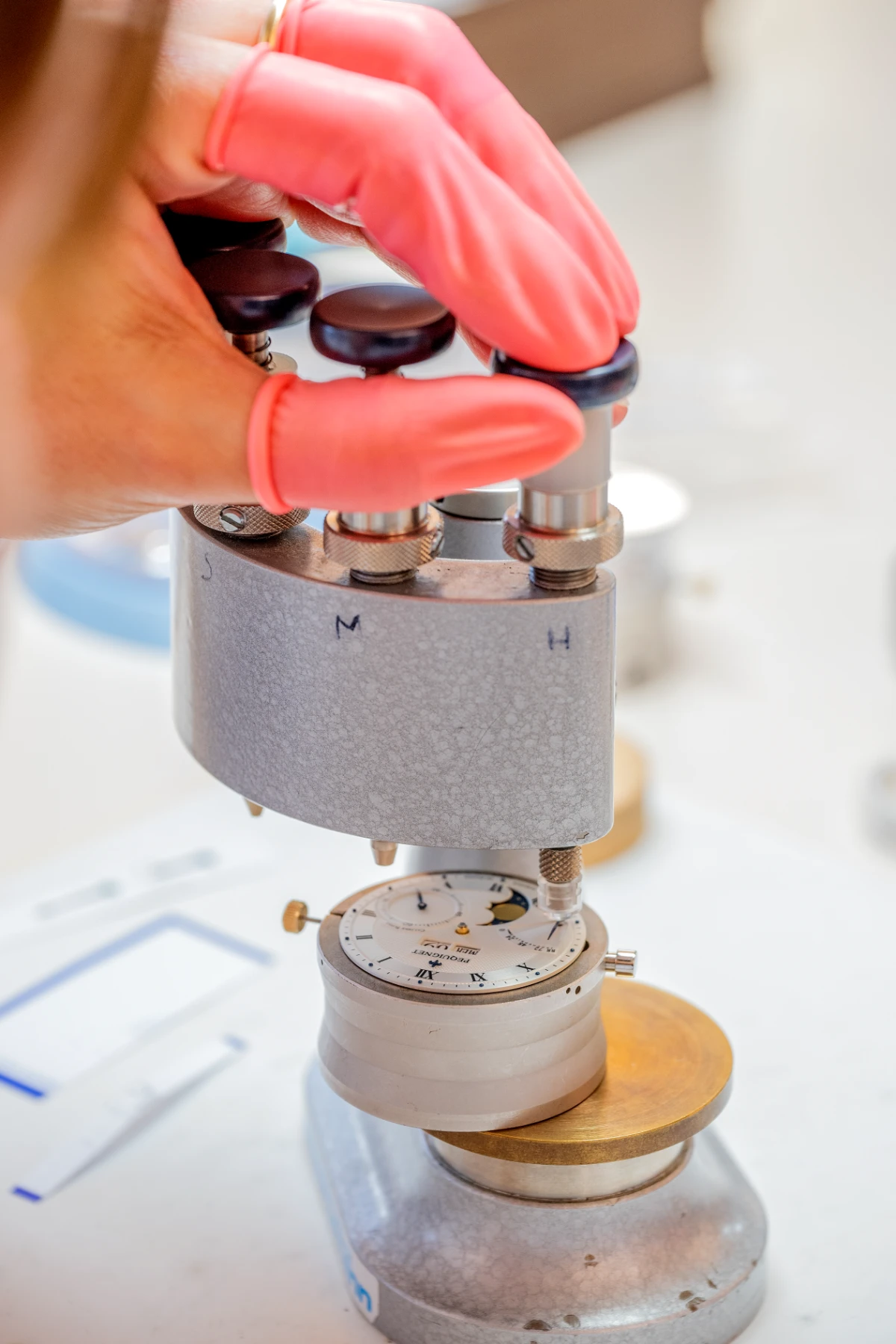
Image – hand fitting using a manual press
Hands are fixed using a manual press, a proven method that has been employed for years. However, Pequignet is clearly not averse to modernity. For example, each bench is equipped with a Witschi Watch Expert, the go-to machine for measuring rate variation (seconds per day), amplitude (the balance wheel’s rotation in degrees) and beat error (the difference between the balance wheel’s clockwise and counterclockwise swings).
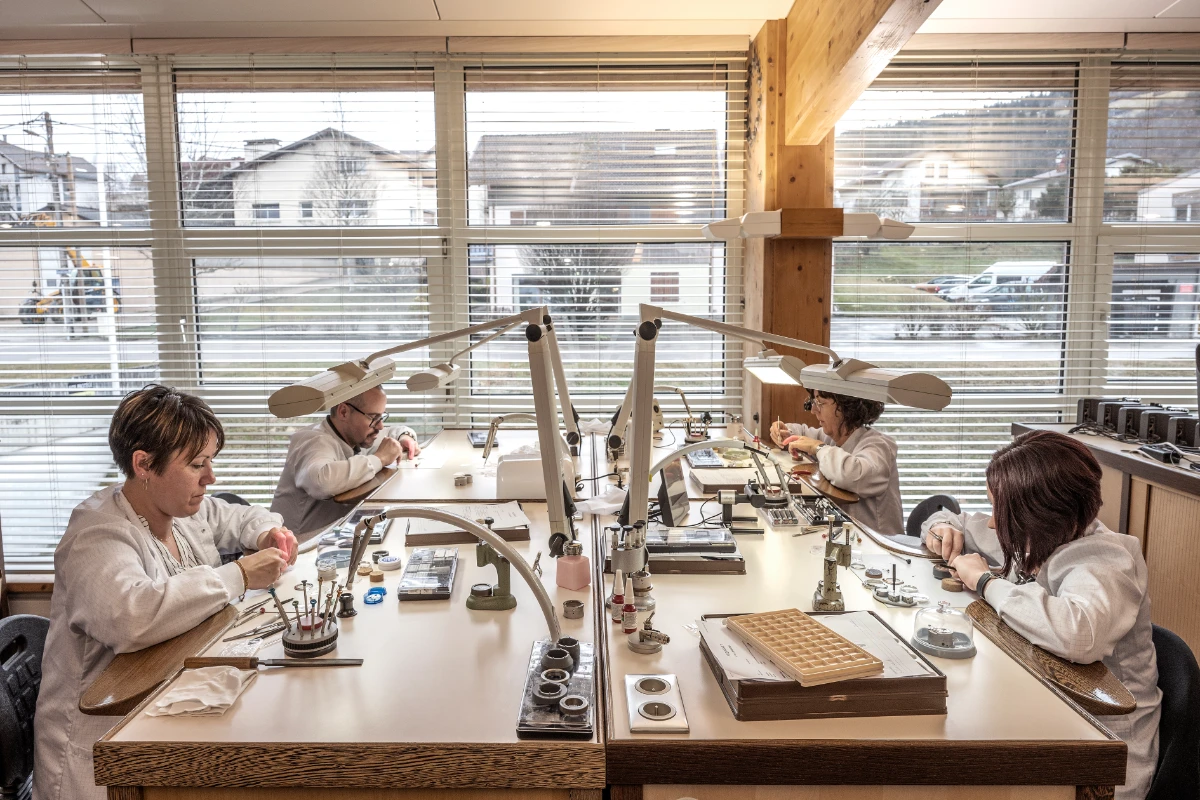
Image – assembly workshop
Some processes are performed away from the benches. For instance, one machine, equipped with a high-power microscope, is used to check the interaction of the pallet jewels with the escape wheel. My host explained that subtle adjustments of just 1 micron (0.001 mm) can be made to achieve the optimum interaction. Another piece of equipment is used to test the ‘end shake’, a term used to describe the amount of vertical play a pivot has between the upper and lower jewels.
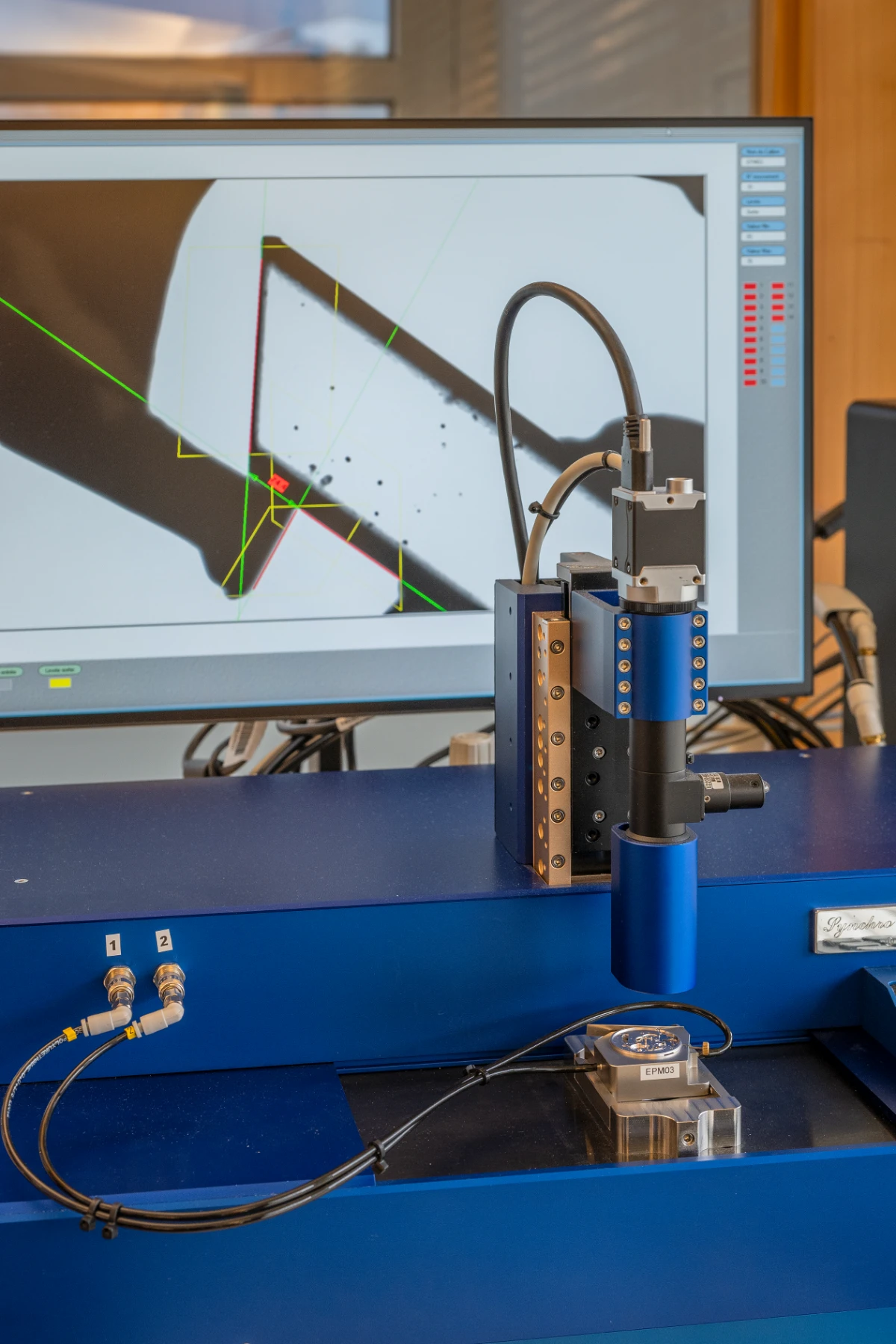
Image – checking the interaction of the pallet jewels with the escape wheel
Ultimately, once a movement has been assembled, it must be regulated. The watch head is placed in a holder that’s connected to the Witschi machine. While retained in the holder, the position of the watch is tested in different positions. This is because the escapement and regulating organ will behave differently depending on which position the watch is held. Pequignet states the Calibre Initial is adjusted to six positions with a tolerance of -4 to + 6 seconds per day. The French marque offers some products that have been tested by the observatory in Besançon, with successful watches receiving the Poinçon Vipère.
Quality controls also extend to water resistance testing and the use of a multi-test machine for checking the winding efficiency of automatic watches. While the Pequignet assembly area is not the largest I have seen, it certainly left me with a favourable impression. Indeed, there is an overriding sense of exactitude and quality that pervades this company.
Pequignet Calibre Royal – the anatomy of the movement
One of the movements that I was keen to learn more about was the Pequignet Calibre Royal. Back in 2011, it was the brand’s very first Manufacture movement. I’ve penned articles about the Calibre Royal but prior to my recent visit to Morteau, I have never had the opportunity to see it in disassembled form.
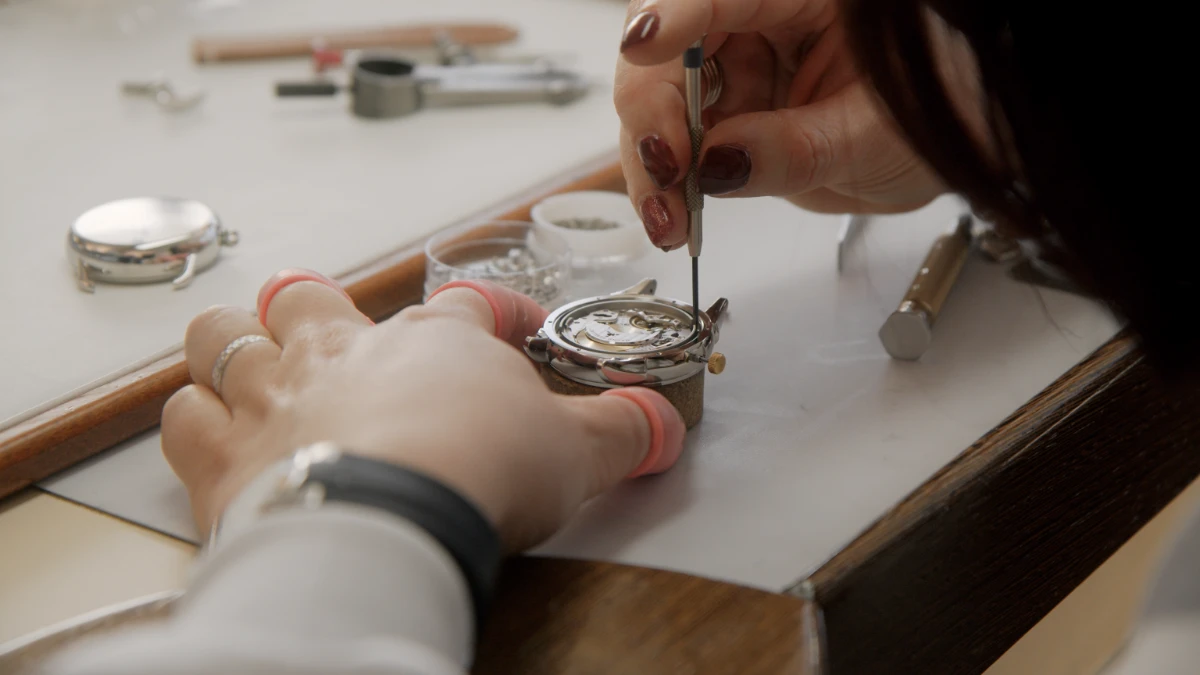
Pequignet Calibre Royal – oscillating weight
The Calibre Royal is a self-winding movement, harvesting energy from the natural motion of the wearer’s wrist to energise the mainspring. The oscillating mass (aka rotor) is bidirectional, bears the brand’s fleur de lys emblem and is openworked. This latter characteristic affords the owner with superior views of the attractively decorated movement.
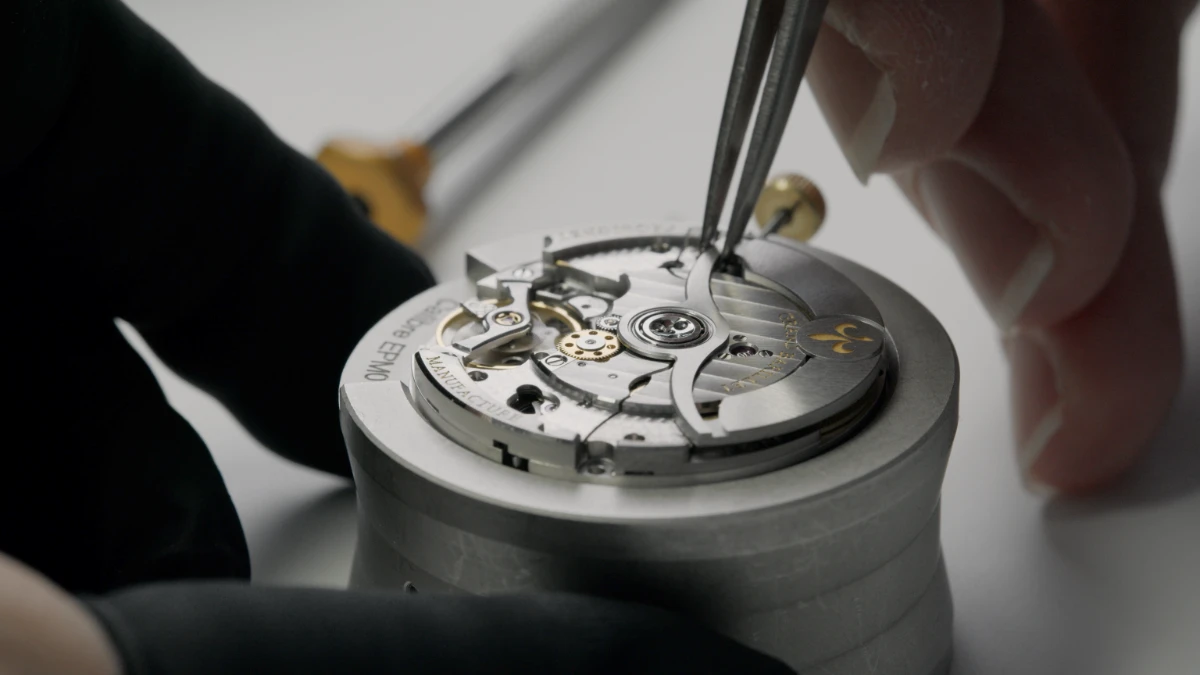
Interestingly, the movement features a patented winding system that declutches the automatic mechanism when the mainspring is being manually tensioned with the crown. Another refinement with this movement is a patented winding gear. It features teeth with a non-standard profile, improving the interaction between the crown and the castle wheel. By adopting this approach, Pequignet has improved efficiency and reduced wear.
Pequignet Calibre Royal – Grand Barillet
If we consider a ‘regular’ hand-wound watch, the wearer introduces energy to the movement by rotating the crown, causing the transmission wheel (aka crown wheel) to rotate, making the ratchet wheel move. With most watches, when the ratchet wheel revolves it turns the barrel arbor, tensioning the mainspring within the barrel. Teeth on the outside of the barrel drum subsequently drive the centre pinion.
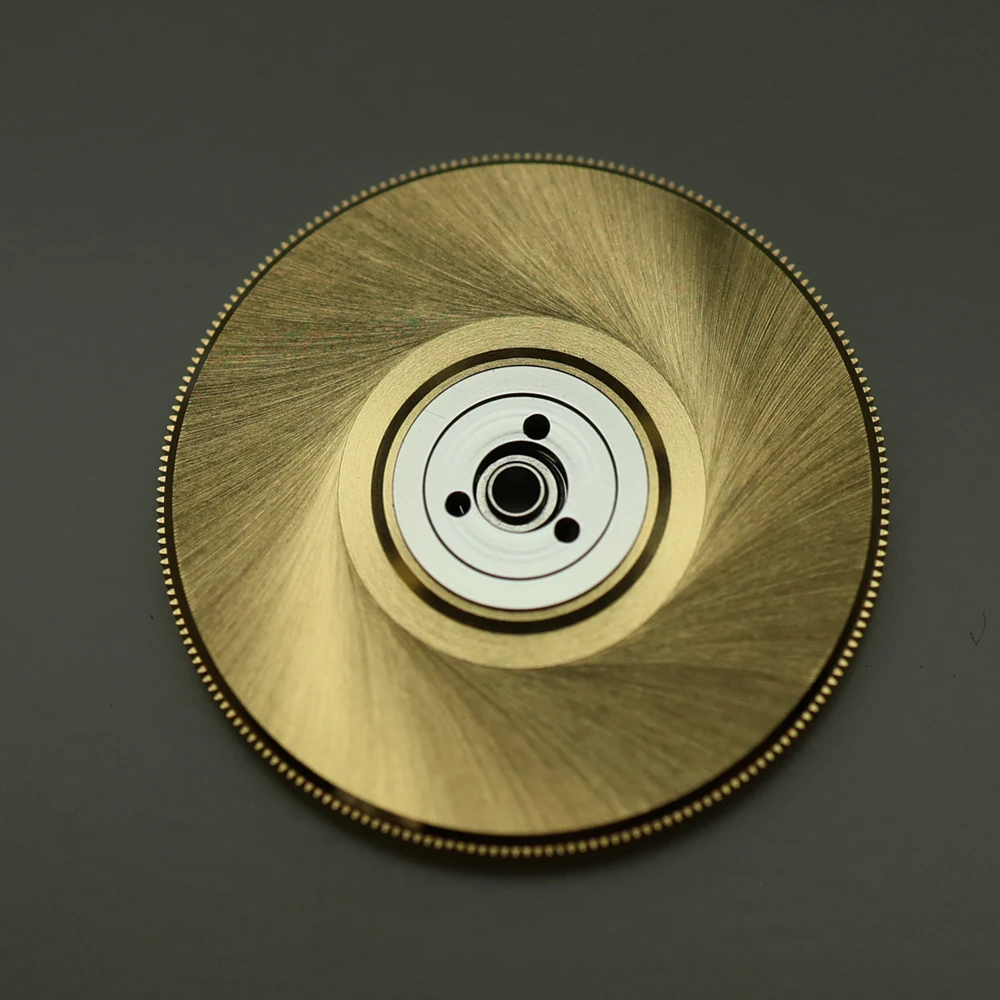
Image – Barrel with snailing (spiral-shaped motif)
However, Pequignet has taken a different approach. Rather than the mainspring being wound by the arbor, it is tensioned by the complete barrel drum turning. As the brand explains, the force is ‘distributed by a central barrel axis’ (I wrote about this at length when I reviewed the Pequignet Royale Paris 39.5 mm). Pequignet’s approach, again patented, is more complicated both in terms of design and assembly, but as it became abundantly clear during my visit, the French brand does not shy away from complexity when it delivers tangible benefits to its clientele.
Similar designs were used in American railroad pocket watches in the 19th century. Should the mainspring break, it would not cause any damage to the gear train, hence, it was sometimes called a ‘safety barrel’.
By using the central barrel axis to transmit energy to the gear train, there is less friction, helping to reduce energy consumption. But perhaps most important of all, the energy or force transmitted through the gear train, and ultimately to the escapement, is more linear. A watch with better rate stability will ultimately confer superior precision.
What is rate stability? If a watch is tested on a Witschi machine ‘Dial Up’ and shows a rate variation of +2 seconds per day after 12 hours, ideally the rate should be the same after 24 hours. However, in most instances, this is not the case. Sometimes, watches are fitted with elaborate constant force mechanisms to deliver rate stability, but these often come with six-figure price tags.
My host at Pequignet showed me a series of graphs which demonstrated that for the first 72 hours of the power-reserve, the torque curve is virtually flat, indicating impressive rate stability. The movement will run autonomously for 96 hours.
Pequignet Calibre Royal – ‘Integrated complications on the same plate’
Often, watch companies create a base movement and then add complications in the form of additional modules. However, the Calibre Royal features several complications on the same plate, a costlier and more elegant approach. Indeed, the movement is svelte with a thickness of just 5.8 mm.
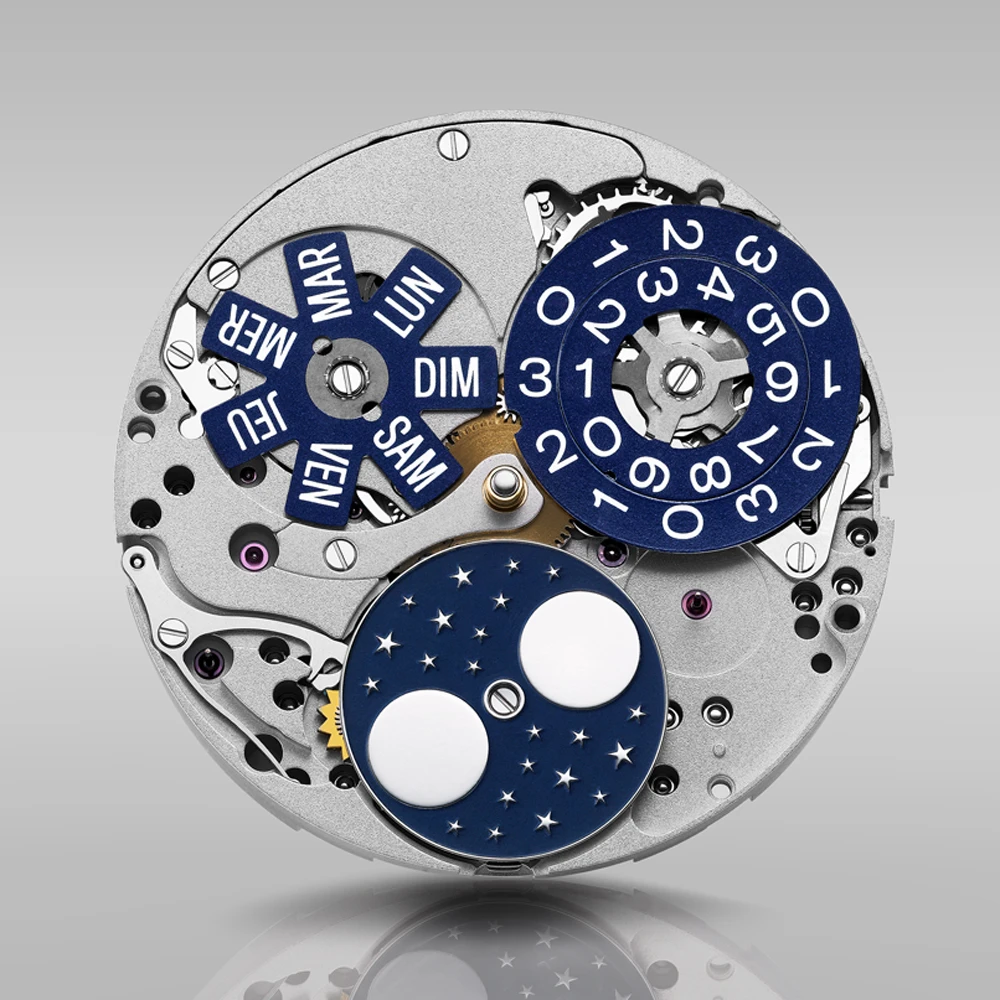
Pequignet Calibre Royal – dial indications
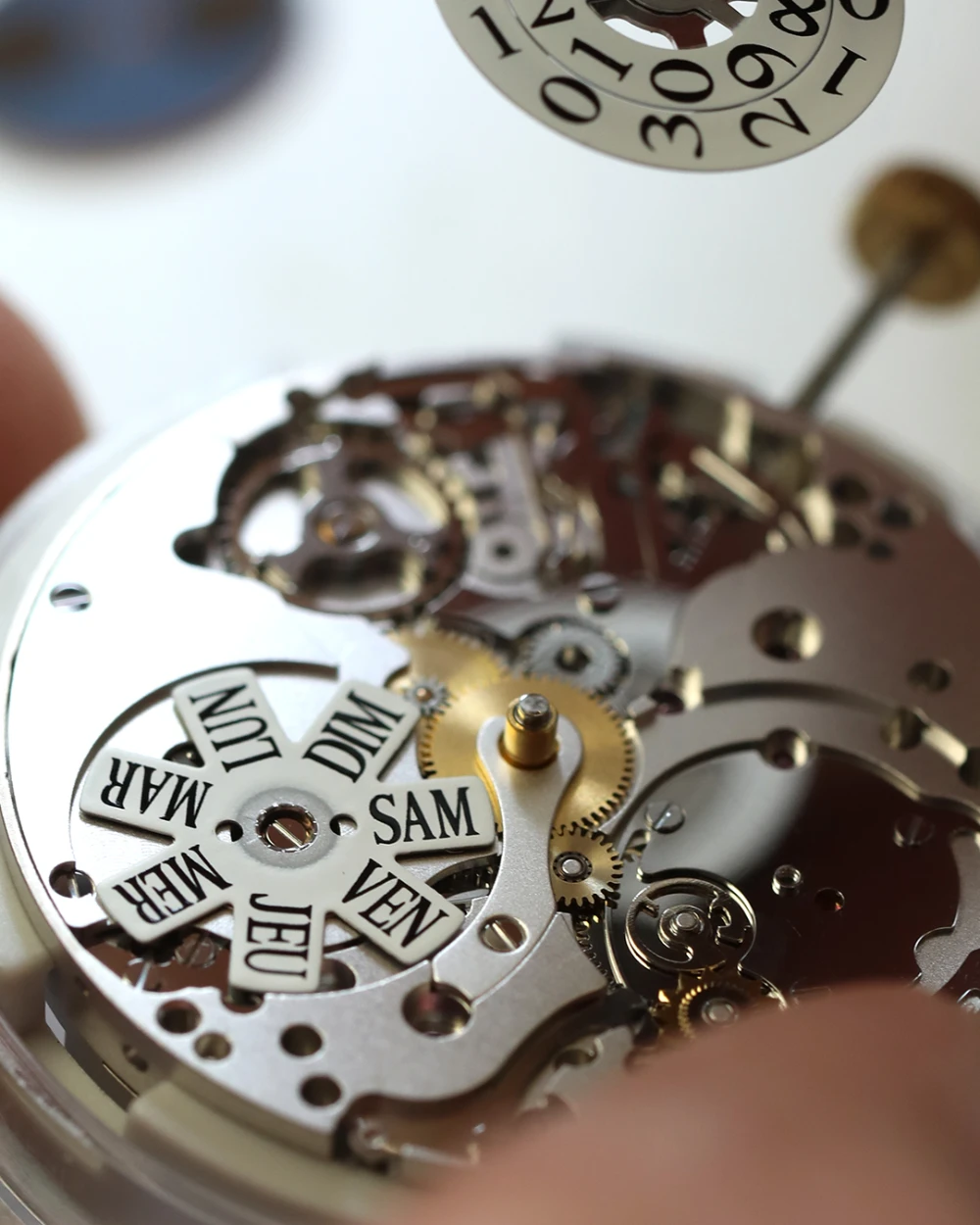
The recto side of the movement (dial side) features a day wheel (between 10 and 11 o’clock) and two date wheels (between 1 and 3 o’clock). Unlike a regular date display, employing a disc marked with 31 values, the Calibre Royal features a tens disc and a units disc. Sometimes termed a ‘grand date’ or ‘large date’ display, this latter system is more complex, but proffers superior legibility due to the comparatively large size of the numerals. Needless to say, large date displays are usually the preserve of Haute Horlogerie and priced accordingly.
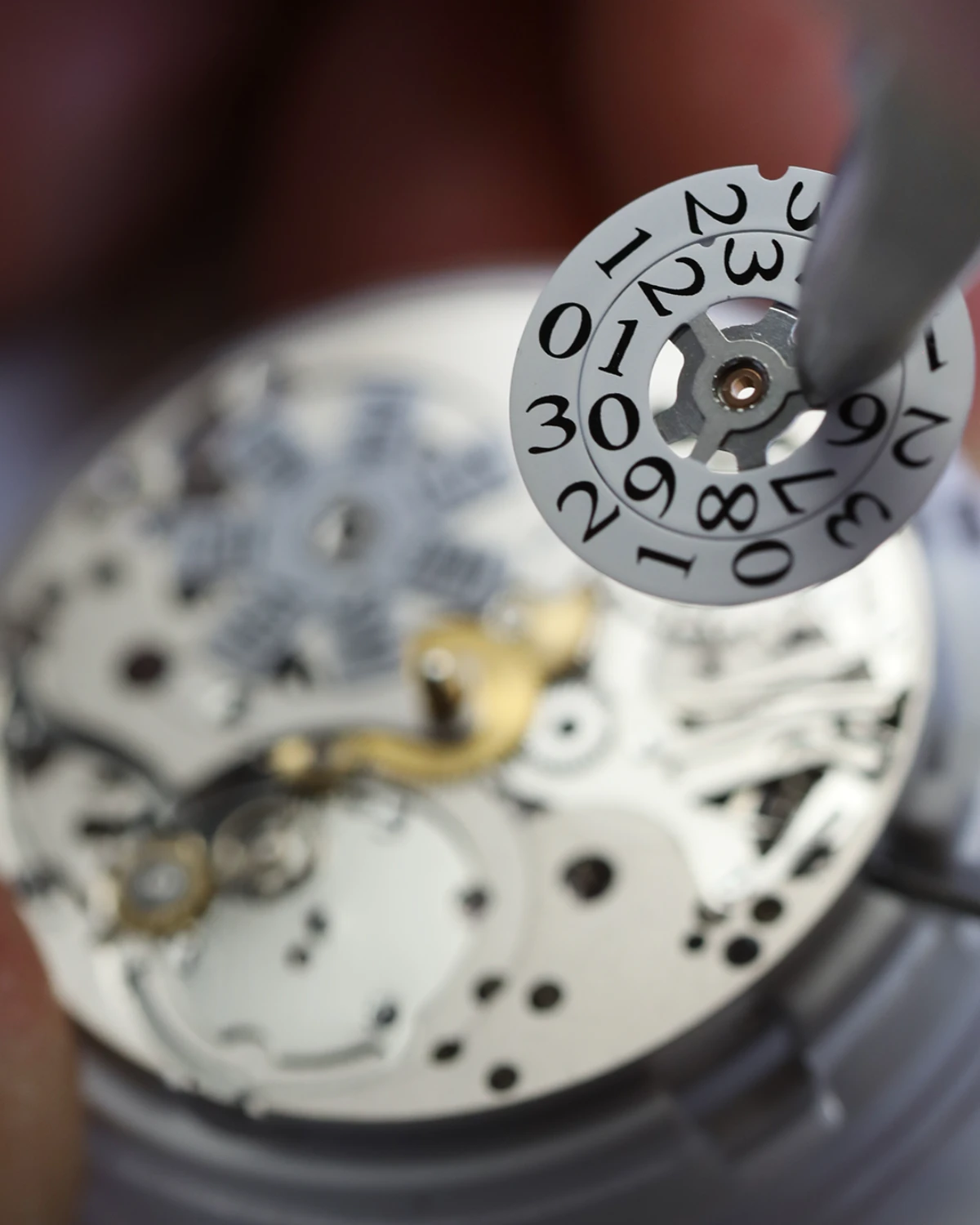
Where the Pequignet approach transcends most other large date displays is that both date discs are positioned at the same height, unlike some rival watches where one disc sits higher than its neighbour. This is a far more elegant approach. Moreover, the two date values and the adjacent day display are arranged at the same height, aiding readability. Another notable attribute of the display is the instant jump date. The date transitions in 0.02 seconds (to provide context, the blink of a human eye typically lasts 0.1 to 0.4 seconds).
A large moonphase display at the base of the movement (recto) shows the moon phase in the Northern and Southern Hemisphere simultaneously. Consistent with other high-end watches, the moon phase will remain accurate for 122 years, at which point it will only require adjustment by one day. The aforementioned Pequignet Royale Paris 39.5 mm also indicates the hours, minutes and small seconds as well as the power-reserve.
Pequignet Calibre Royal – escapement and regulating organ
The balance is supported by a bridge, fixed at two points. When contrasted with a balance cock (secured at one point) the balance bridge provides a more stable construction, thereby granting superior precision and reliability. Moreover, its symmetrical appearance is particularly attractive.
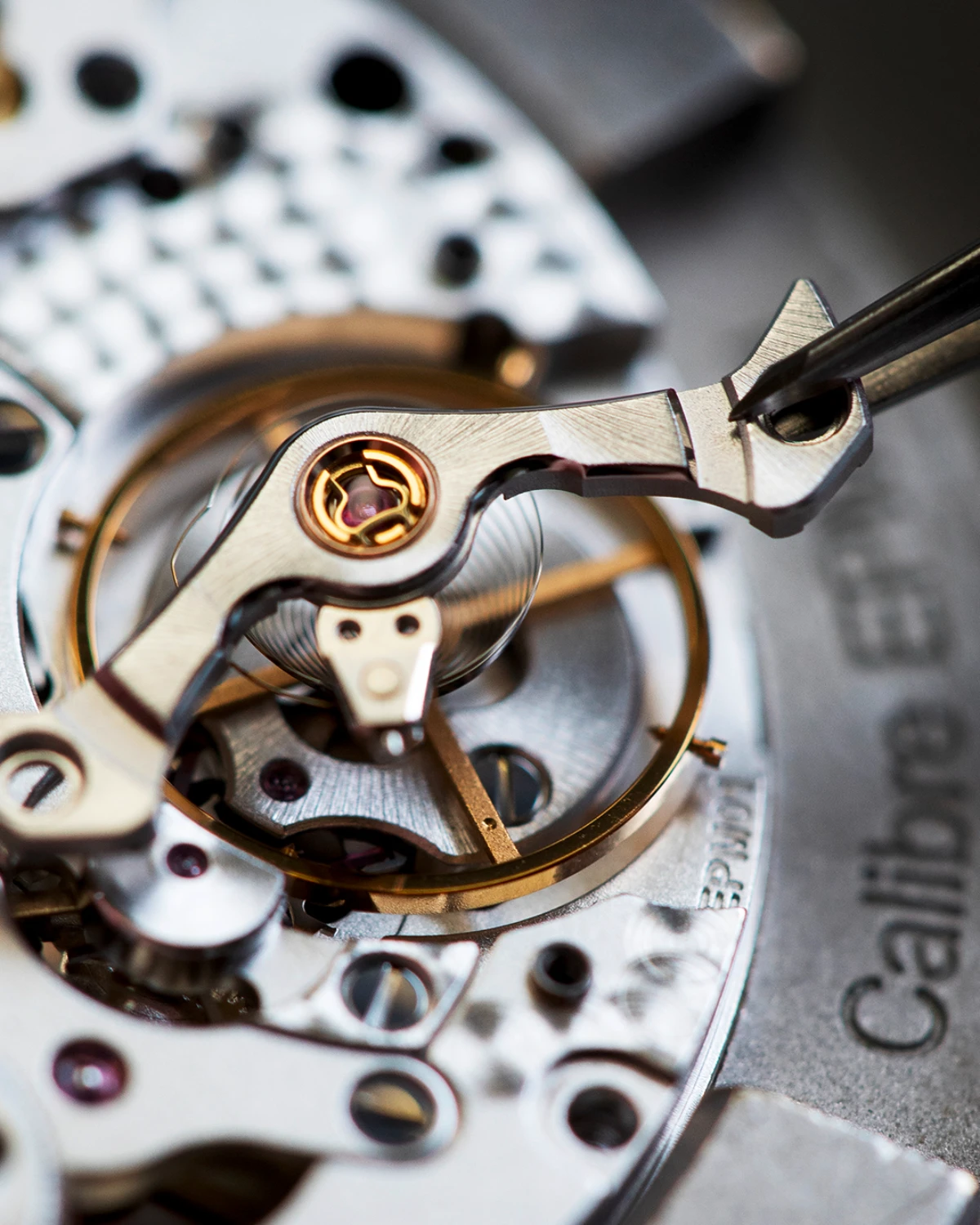
The Calibre Royal is fitted with a large balance wheel measuring 9.5 mm in diameter. Using a large balance wheel increases rotational inertia, making it less susceptible to shocks which, by default, enhances precision. Larger balance wheels in combination with a modest cadence (this movement has a frequency of 3 Hz) consume less energy and are less prone to wear.
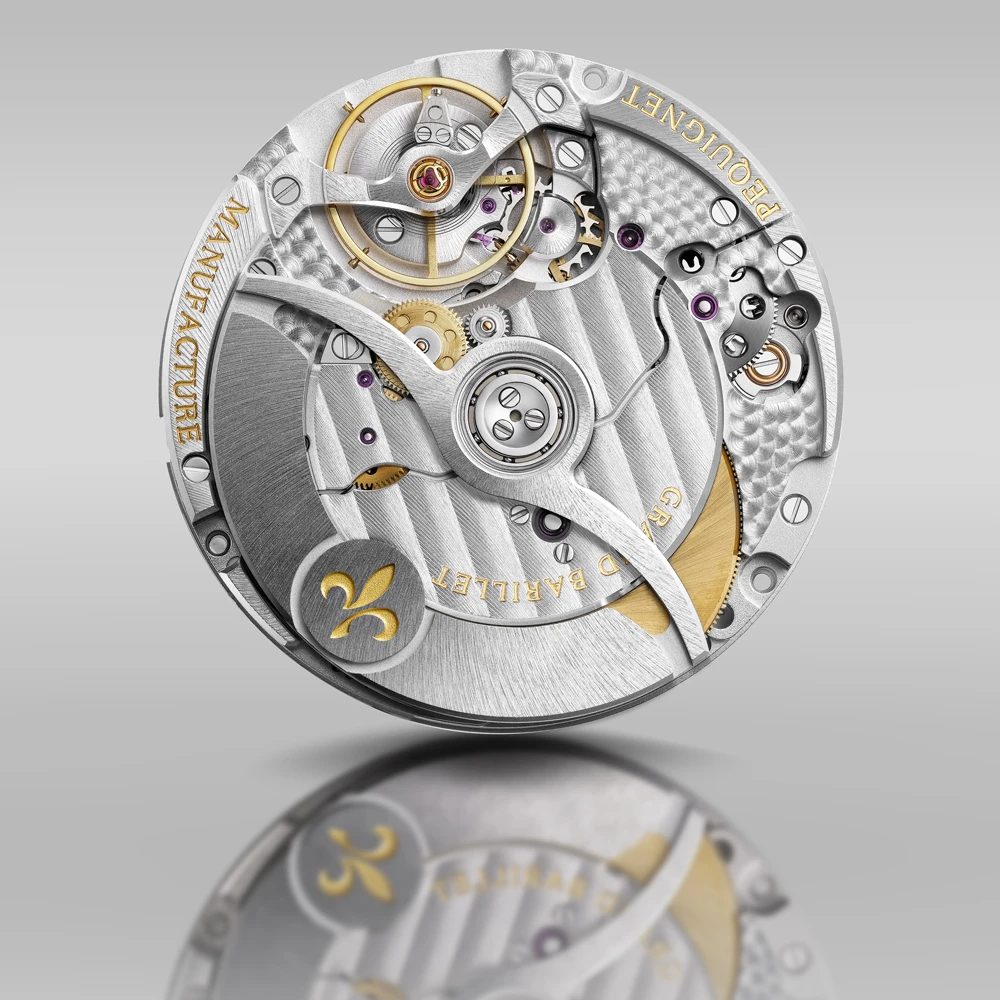
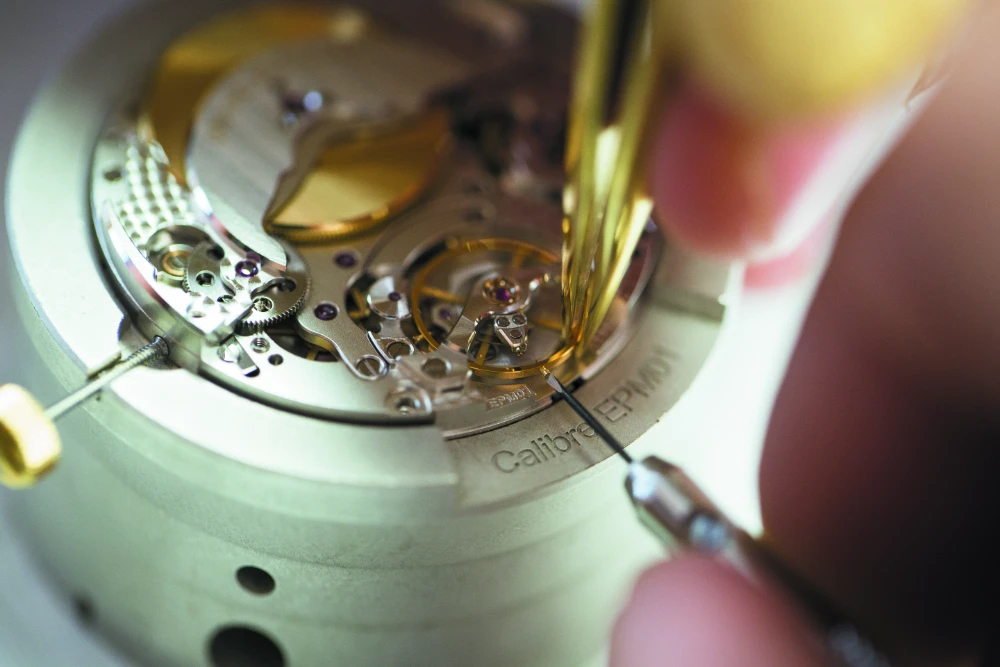
Most accessible watches are fitted with an index-regulated balance. In this instance, the balance spring passes between two curb pins affixed to the index or raquette. Moving the index towards or away from the stud alters the effective length of the balance spring, making the watch run faster/slower. Pequignet has chosen to equip the Calibre Royal with a superior variable-inertia balance, a regulation system where the length of the balance spring is fixed. The rate is altered by adjusting four timing screws affixed to the rim of the balance wheel. Tightening/loosening the screws alters the moment of inertia, making the watch run faster or slower.
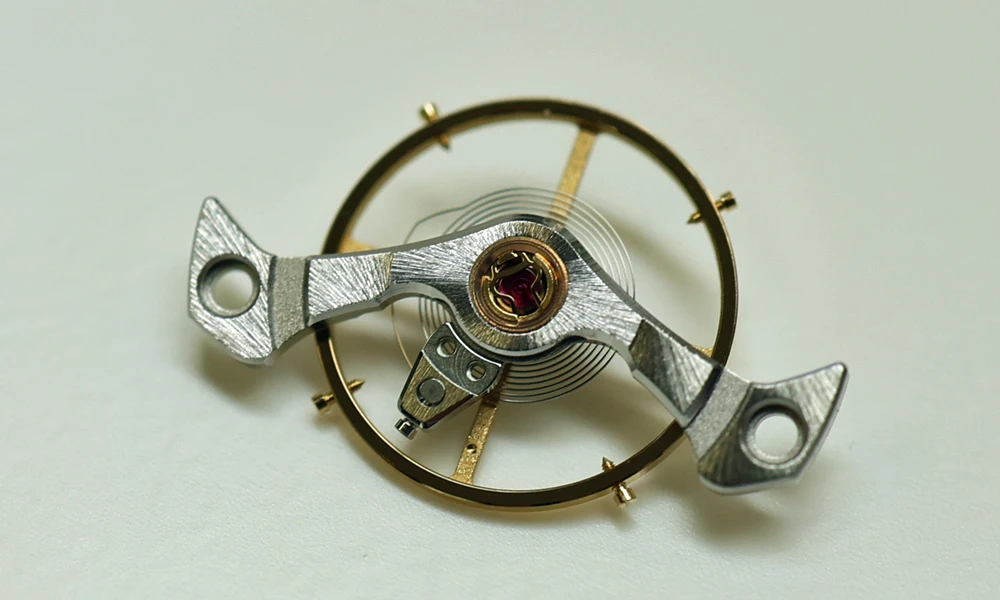
Although fine-tuning a variable-inertia balance takes longer, it provides several benefits. For instance, it proffers superior precision and should the watch be subjected to a shock, it is less likely to require remedial regulation. Pequignet states the Calibre Royal is regulated to ‘an average of +2 or -2 seconds per day’.
Pequignet Calibre Royal – finishing
While finishing components serves to heighten their visual appeal, there are several additional reasons for decorating parts. Firstly, finishing removes burrs which can impair the motion of moving parts. Secondly, finishing enhances the corrosion resistance of components. Thirdly, when crafting Haute Horlogerie movements, all signs of machining should be eradicated, hence parts are decorated.
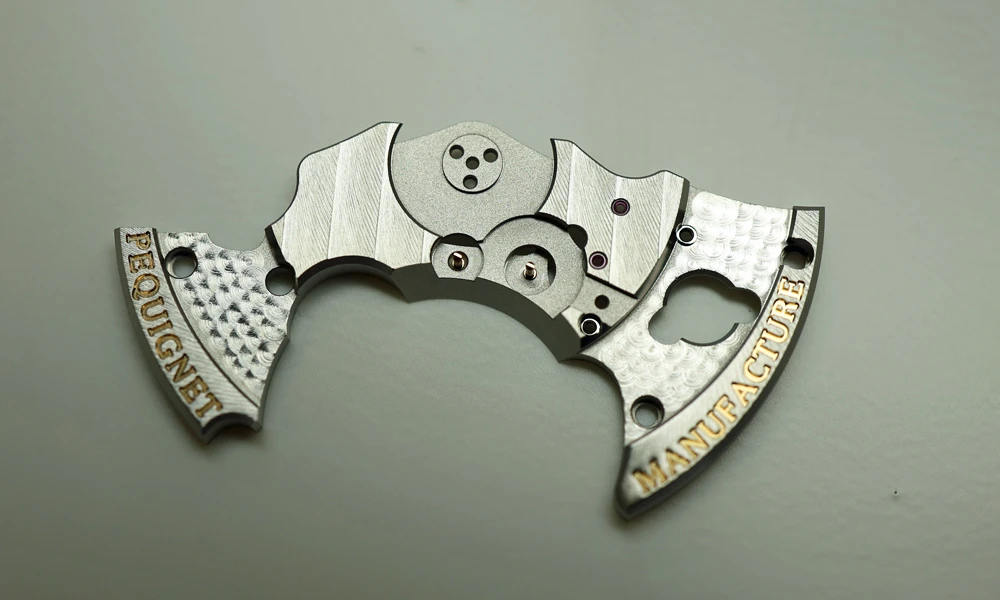
Image – bridge decorated with perlage and Côtes de Genève
Many years ago, watch cases were susceptible to dust ingress, which could restrict the motion of parts. The solution came in the form of overlapping circles (perlage) applied to the mainplate. These retained any dust, preventing it from interfering with the motion of moving parts. Historically, Côtes de Genève was another decoration technique that was employed to capture dust, albeit this is less of an issue with modern-day watches. The Calibre Royal is adorned with a variety of finishes, including perlage, Côtes de Genève and colimaçonnage.
Closing remarks
Pequignet clearly has a prowess for designing, engineering and developing movements in-house. Indeed, rather than follow the well-trodden path taken by others, it has demonstrated a remarkable ability to innovate its own mechanisms. In many instances, these developments help mitigate wear, improve rate stability and augment precision.
While the assembly area is modern, it still employs traditional working practices, including tasking one watchmaker with assembling and regulating a watch, from start to finish. Conversely, the Maison uses modern equipment for quality control checks and regulation. By embracing a mix of contemporary and traditional techniques, Pequignet clearly enjoys ‘the best of both worlds’.
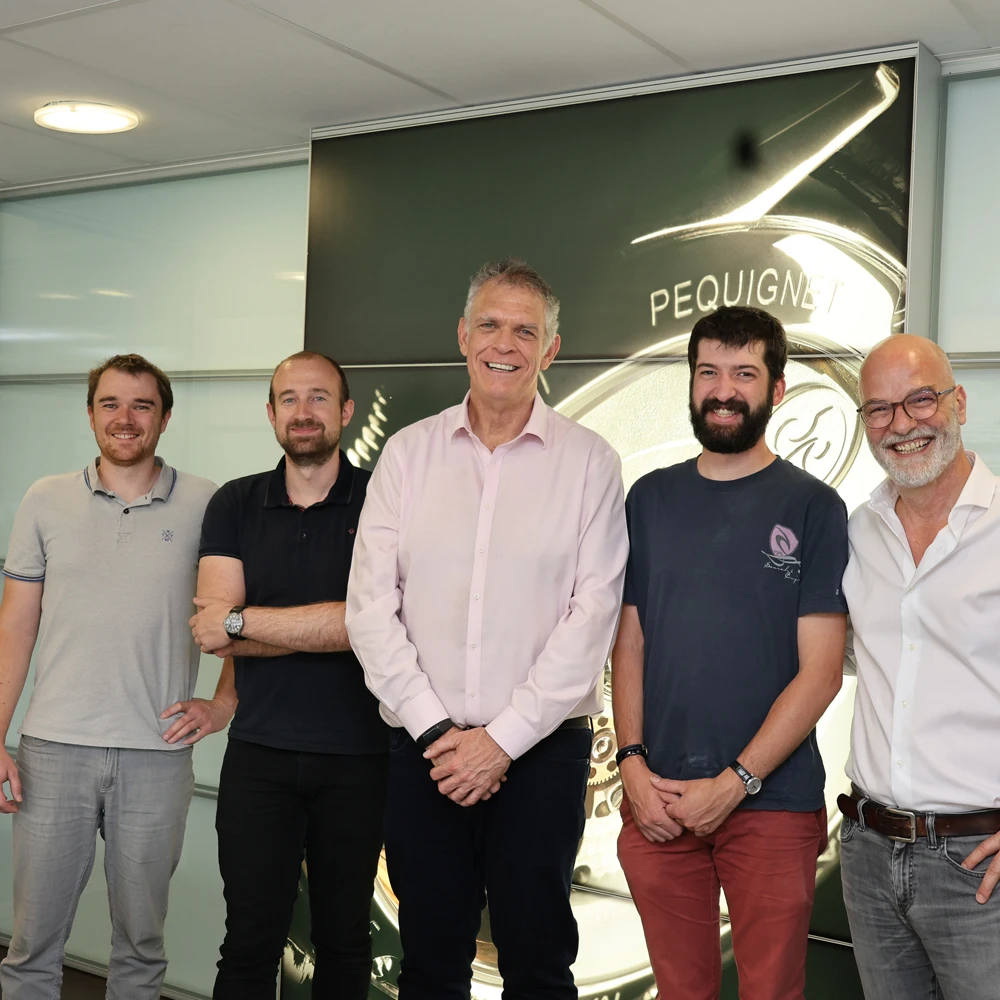
Image – I’m pictured here with some of Pequignet’s talented team
The Calibre Royal is particularly impressive with its ‘integrated complications on the same plate’, meaning the presentation of the day and large date is in a line and at the same height, conferring eye appeal and aiding interpretation. The ingenious barrel design, the variable-inertia balance and the attractive finishing also make compelling arguments for acquisition.
Having visited Pequignet, it is clear the Manufacture is leading a horological renaissance and, by default, enlarging the portfolio of French luxury products.
Further reading
Calibre Royal – technical specification
- Movement: Calibre Royal
- Dimensions: diameter 31 mm, thickness 5.88 mm
- Functions: hours, minutes, small seconds at 4 o’clock, day, large date, moon phase (Northern Hemisphere), moon phase (Southern Hemisphere), power-reserve indicator at 8 o’clock.
- Winding system: bidirectional automatic winding
- Frequency: 21,600 vph (3 Hz)
- Other details: 39 jewels, power reserve 96 hours, 8 patents
Poinçon Vipère – the Viper’s chronometric certification (published 2 May 2026)
The Besançon Observatory is one of only three organizations in the world authorized to award, under the Vipère label, mechanical chronometer certification. This prestigious title is granted after a rigorous 16-day examination, in accordance with the international standard ISO 3159.
Evaluation criteria:
Seven technical criteria are analyzed to validate the accuracy of the watches:
- The average walking time over 24 hours;
- The average variation of the steps according to the 5 control positions;
- The greatest variation in steps between these 5 positions;
- The difference in walking distance between the horizontal and vertical positions;
- The greatest variation in pace among the first 10 measures;
- Behaviour at different temperatures (8°C, 23°C, 38°C);
- Resuming walking.
Each watch meeting all these criteria is given an individual performance certificate, attesting to its accuracy.