
Vacheron Constantin Métiers d’Art Tribute to the Animal Kingdom Watch Review
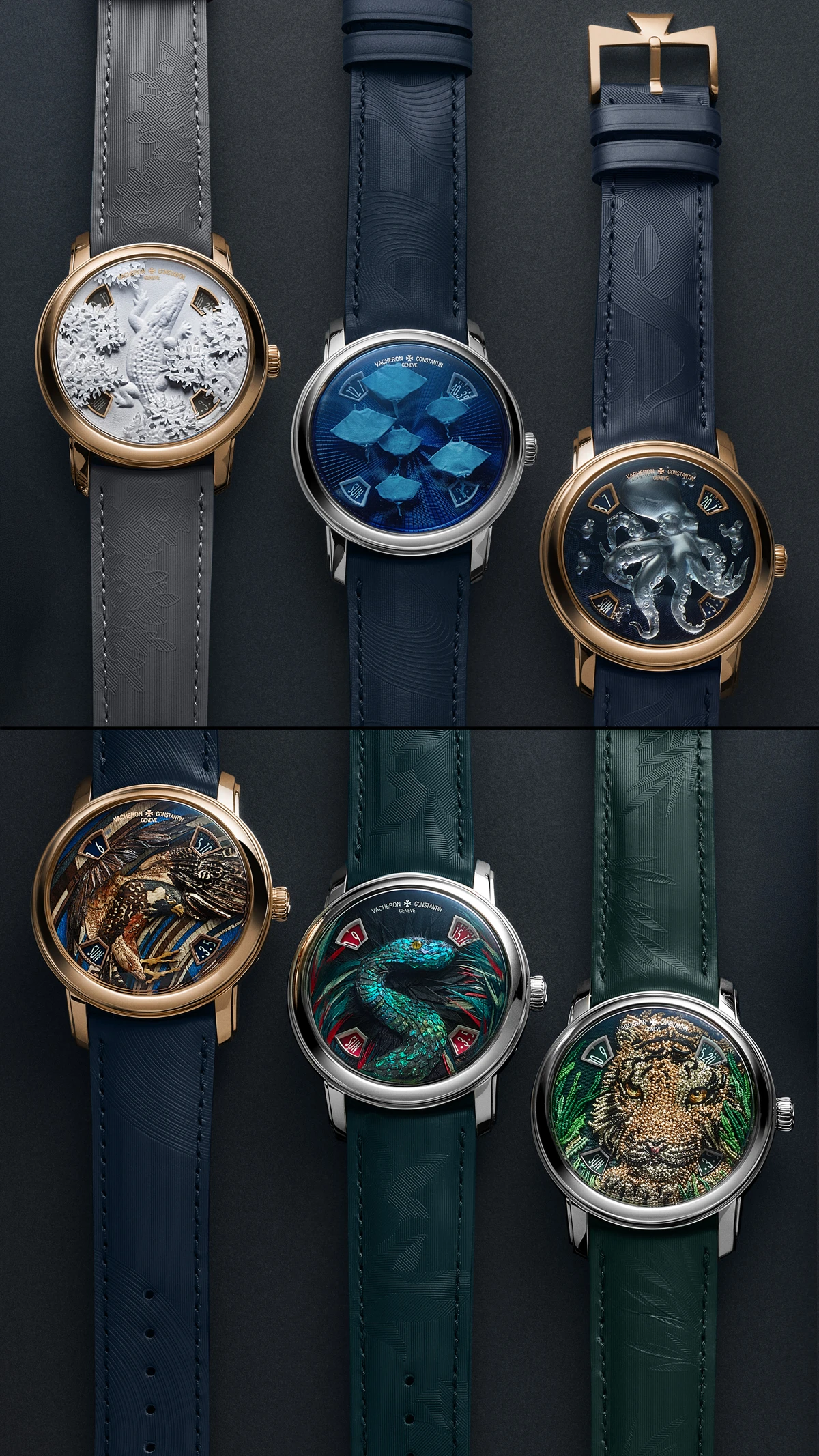
Métiers d’Art Tribute to the Animal Kingdom is a series of ‘miniature works of art’ comprising six concept watches, each employing different artisanal techniques. Part of the Maison’s ‘One of Not Many Crafts Programme’, all models are equipped with the Calibre 2460 G4 which displays the hours, minutes, day, and date through four apertures, leaving an expansive canvas for creative expression.
Vacheron Constantin x Métiers d’Art
Tucked within the Vacheron Constantin Manufacture, dedicated Métiers d’Art workshops are places of both preservation and wonder. Here, master artisans transform centuries-old techniques into extraordinary creations that keep rare crafts alive while elevating them into art. Guillochage, engraving, enamelling and gem-setting are among the Métiers d’Art practised alongside Haute Horlogerie. But Vacheron Constantin does more than pass the secrets of these crafts from one generation to the next: the Maison pushes boundaries by introducing artistic techniques never before used in watchmaking, expanding the vocabulary and possibilities for horological artistic expression.
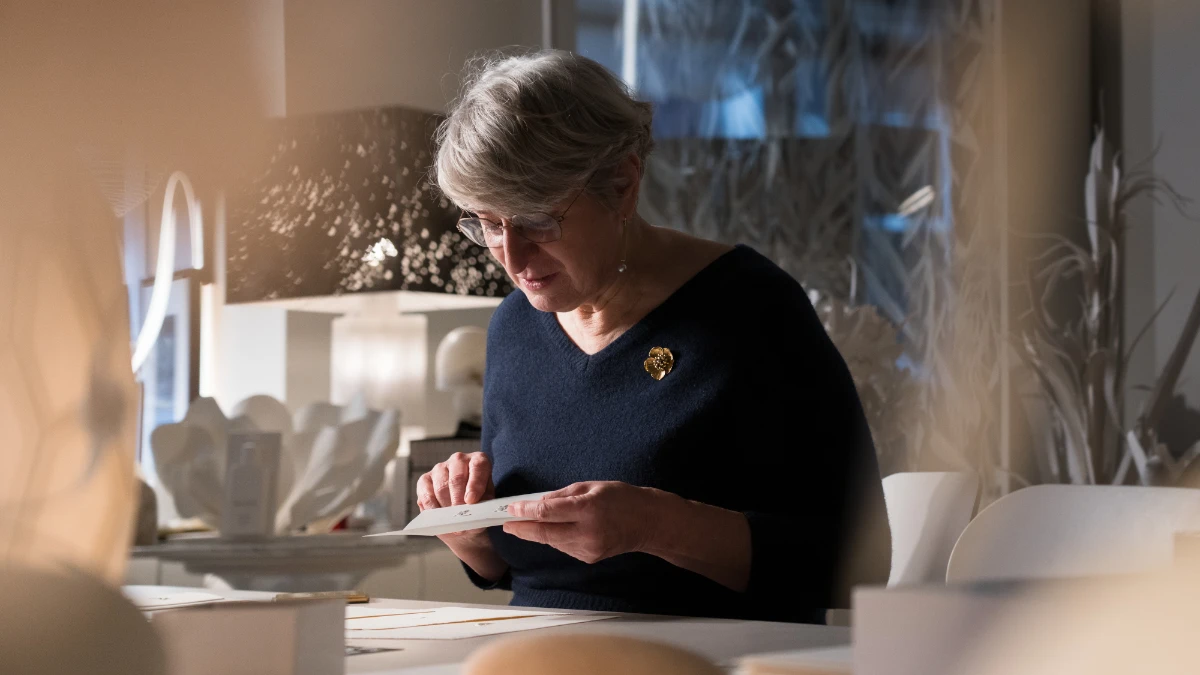
Image – Métiers d’Art Tribute to the Animal Kingdom – Papercroc (Reference: 7630A/000R-H202)
Vacheron Constantin One of Not Many Crafts Programme
Whenever Vacheron Constantin unveils timepieces from its One of Not Many Crafts Programme, I can’t wait to see what fantastical scenes will flourish across the dials and bring the watches to life. Now, after years of research, development and prototyping, the Maison presents Métiers d’Art Tribute to the Animal Kingdom, a series of six concept watches that transform the dials into a miniature menagerie. For centuries, the animal kingdom has inspired the house. Examples include a pocket watch from 1826 featuring a black enamelled serpent, and a jewelled scarab pendant watch from 1910 that inspired the creation of Les Cabinotiers Tourbillon joaillerie – Hippocampe from 2022, depicting a seahorse crafted using four artistic crafts.
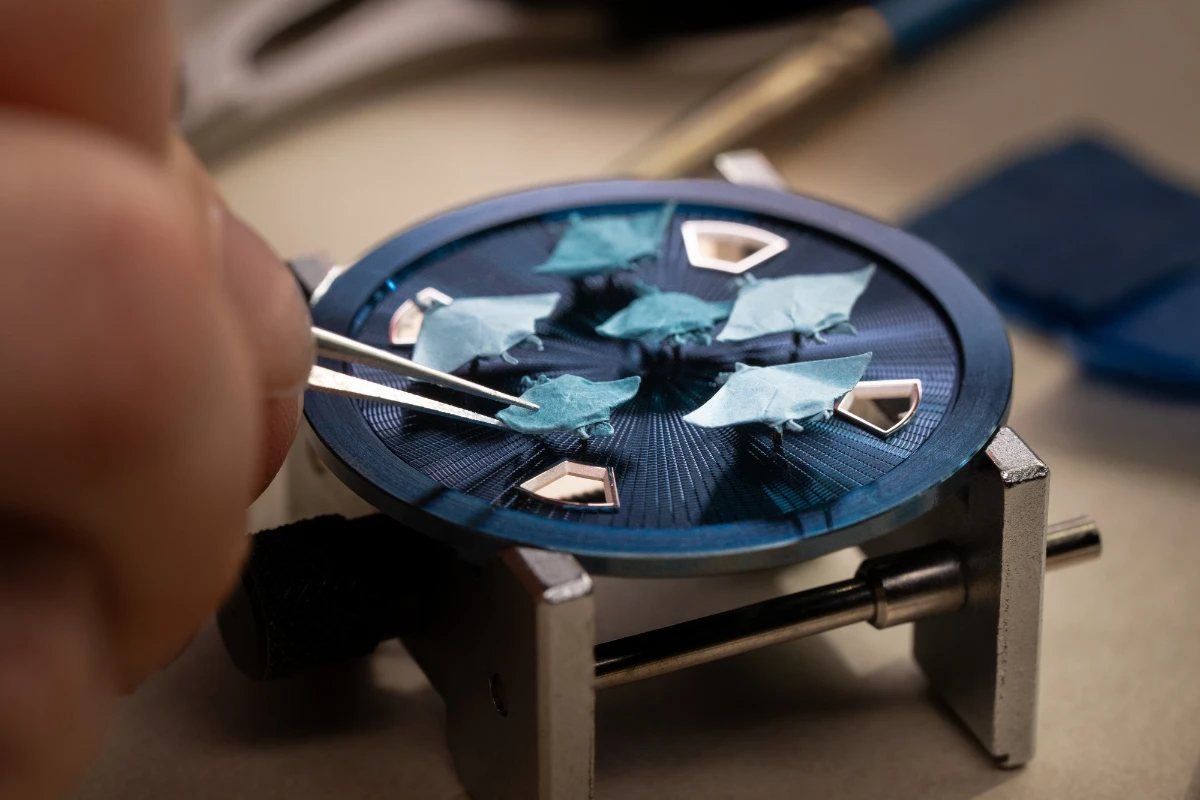
Image – Métiers d’Art Tribute to the Animal Kingdom – Oraygami (Reference: 7630A/000G-H204)
In this newest collection, we see the snake, octopus, manta ray, tiger, crocodile and falcon brought to life with a series of models. Each of the dials employs a selection of crafts including featherwork, gold embroidery, paper sculpting, wood marquetry, glass sculpting and micro-origami. The brand invited six highly regarded, independent artisans who work in these disciplines, albeit in different fields and never before at the miniature scale of watchmaking. The artisans worked in collaboration with Vacheron’s own Métiers d’Art masters, the resulting challenge necessitating the invention of new tools, procedures and processes for the project.
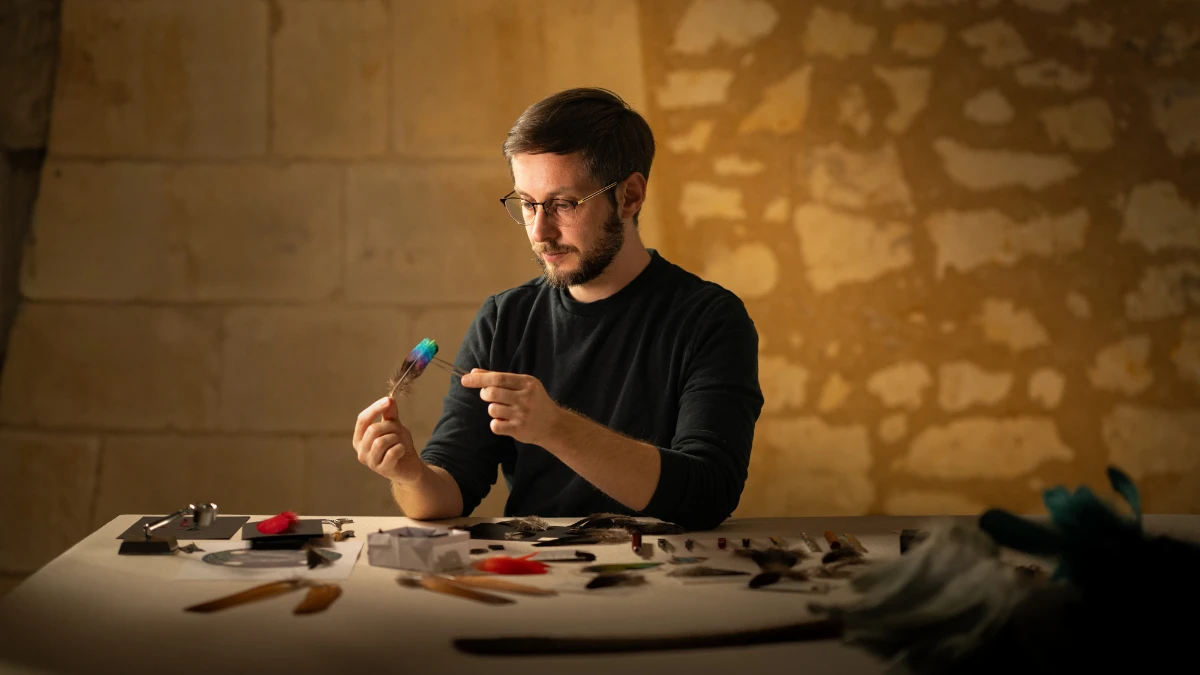
Image – Métiers d’Art Tribute to the Animal Kingdom – Feather snake (Reference: 7630A/000G-H206)
Before we take a look at these masterpieces, consider the constrained dimensions these artisans had to work within: a 42 mm case size with only 4 mm of space between the dial and the sapphire crystal.

Image – Métiers d’Art Tribute to the Animal Kingdom – Tiger broidery (Reference: 7630A/000G-H207)
Métiers d’Art Tribute to the Animal Kingdom – Feather snake
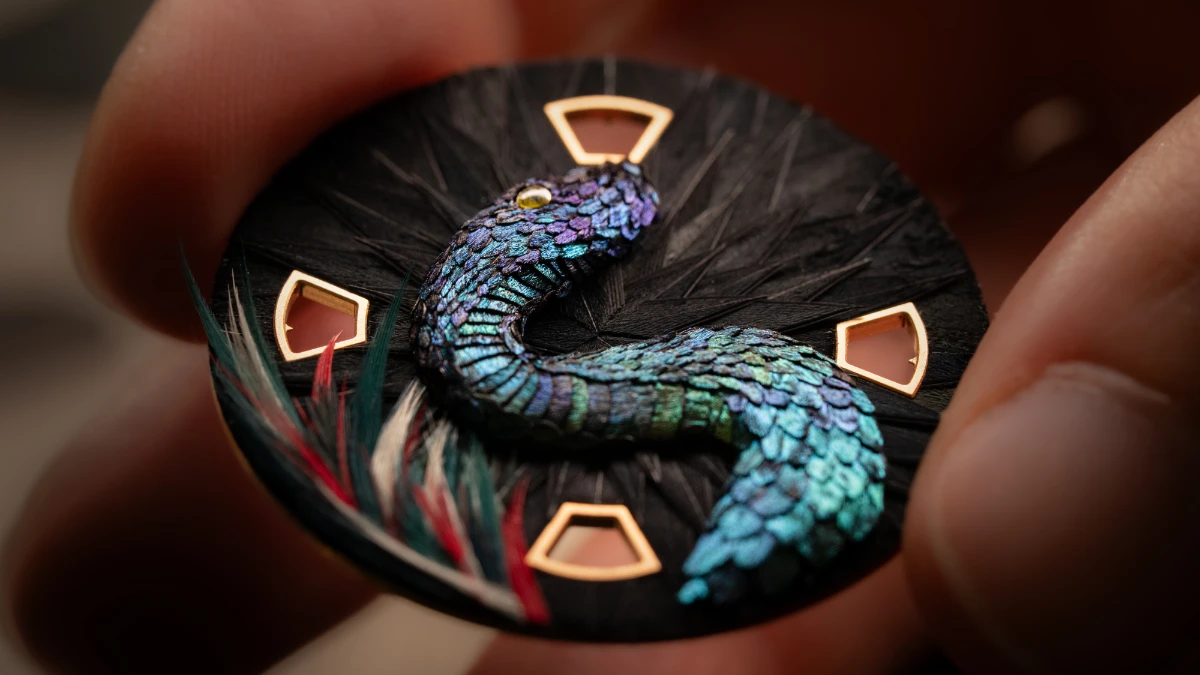
The Feather Snake makes those constraints most palpable, with its shimmering, three-dimensional body appearing to coil right off the dial. The snake rises in a three-dimensional effect, achieved through a bespoke metal applique serving to support the feathers. Notice the shifting reflections of the iridescent plumes, further enhancing the sense of depth. The seven feathers chosen to create this illusion are from the male Lophophore (Himalayan monal), a rare species whose plumage transitions from metallic blue, green, purple and copper as the light shifts.
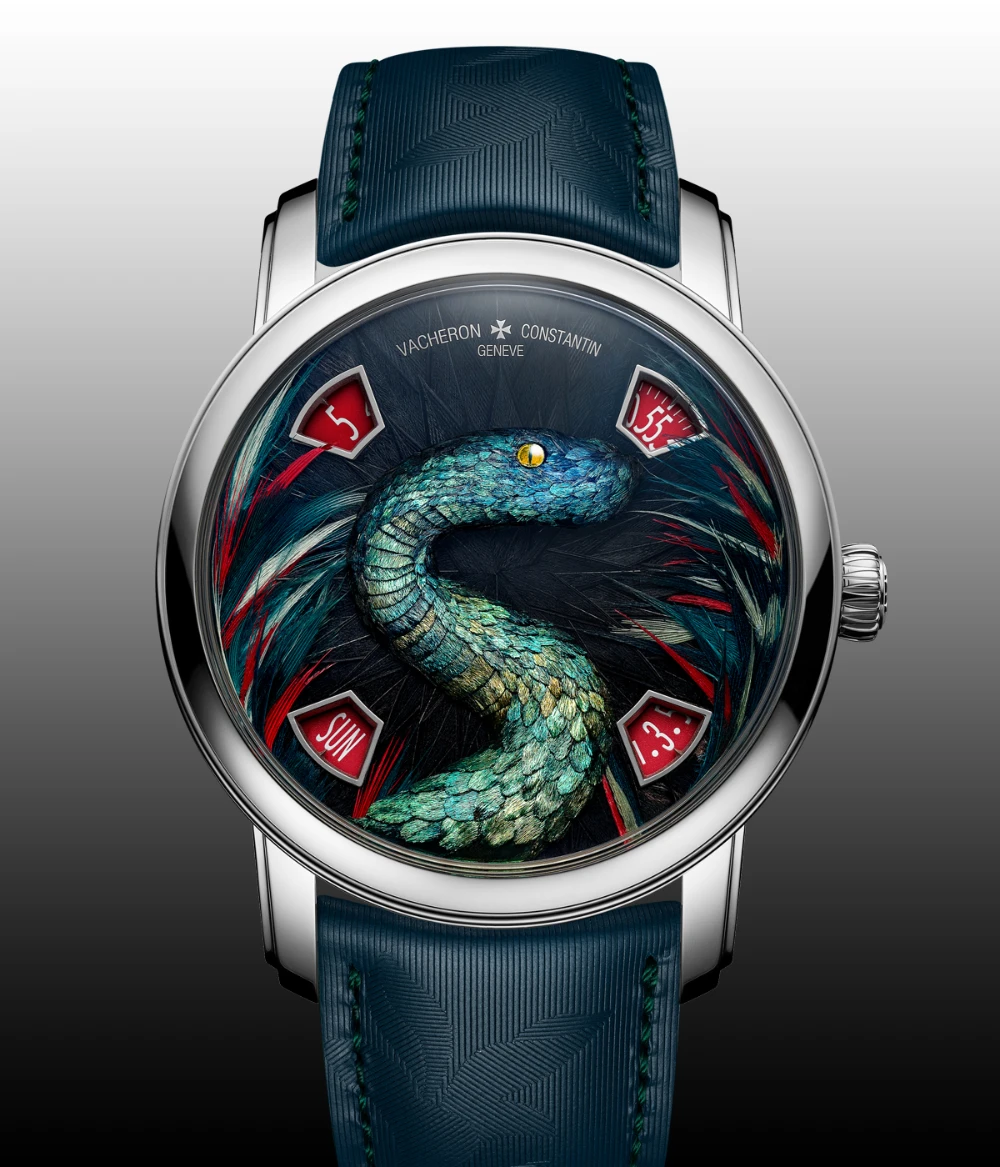
Cut up into 200 tiny precise pieces, the feathers were then applied onto silk paper to form the snake. Continuing the feather theme, the surrounding foliage around the snake is constructed from goose feathers. While the snake’s scales bring a kinetic flow to the composition, the snake’s eye, crafted in 18K gold and enamel, is a focal point of stillness. Completing the scene, a calfskin strap with an embossed leaf motif secures the watch to the wrist and locks into place with an 18K white-gold buckle.
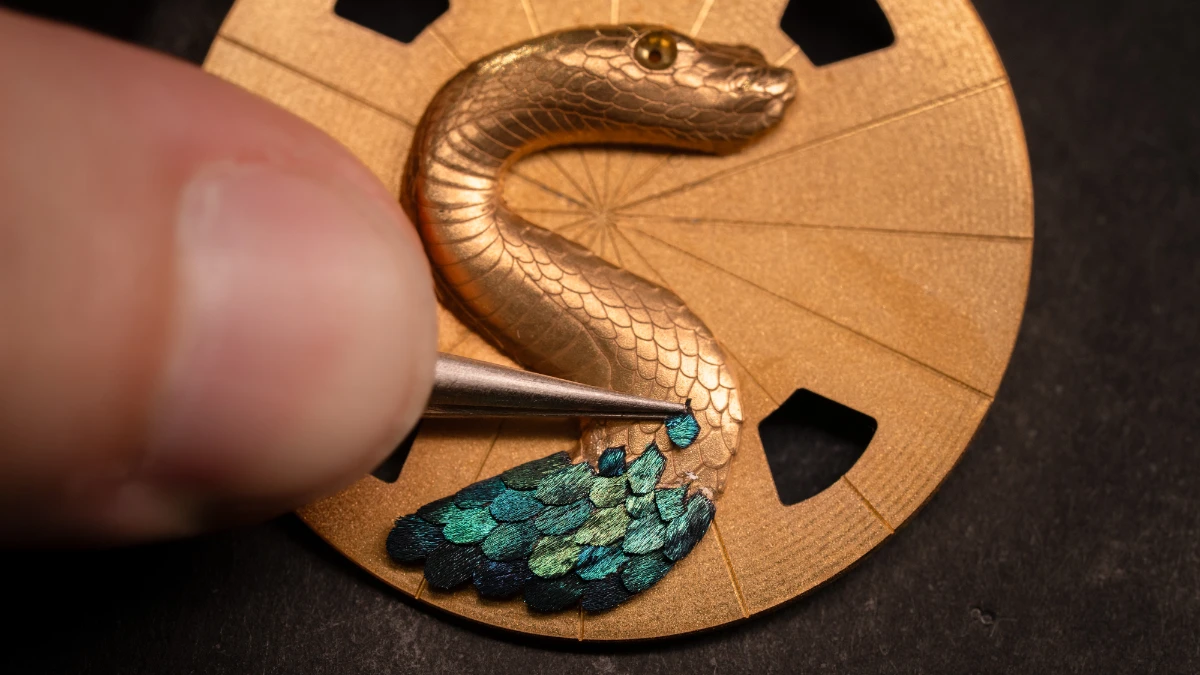
The Feather snake took about 250 hours to complete and the dexterity required to work at that intense level could be compared to a surgeon’s hand. Since there weren’t tools available to work at this microscale, the artisan had to create a custom micro-scalpel from a reshaped needle, in addition to a sewing needle adapted to apply dots of glue.
Métiers d’Art Tribute to the Animal Kingdom – Tiger broidery
The technique of gold embroidery is seen on the piece entitled Tiger broidery. In this depiction, a fierce tiger dominates the lush vegetation of the jungle. 9K yellow and white gold embroidery wires were used to get the warm orange tones along with the white details of a tiger’s sleek coat. The black stripes required another technique, using ceramic-coated black wires laid over a copper base. This combination of materials creates a wonderful chiaroscuro effect.
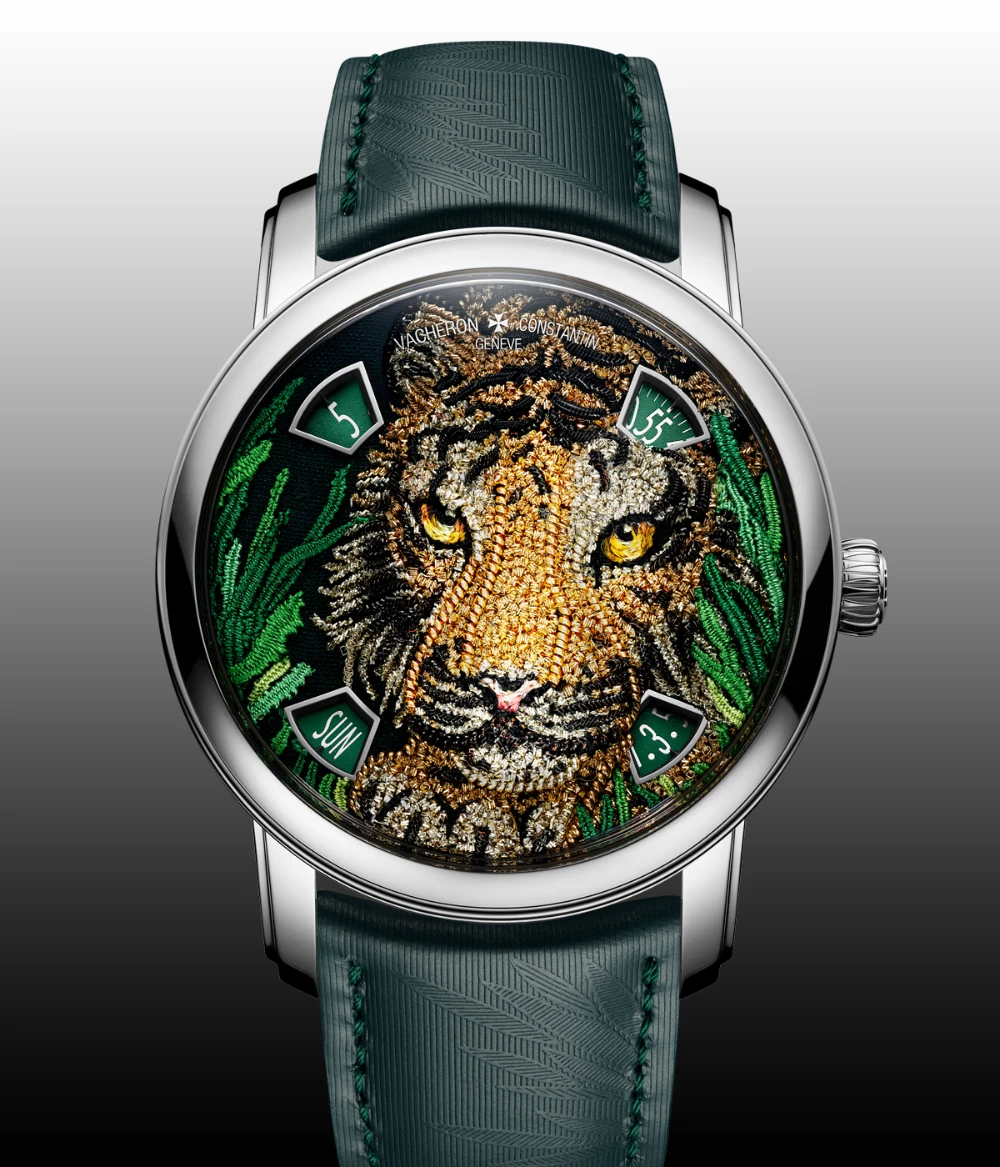
The tiger resides in a jungle embroidered onto green silk specially commissioned from a British silk manufacturer. Grasses framing the tiger were individually stitched in multiple shades of Japanese silk using textured weaving techniques to imitate the vegetation’s movement. In order to secure the embroidery, the silk was directly stitched onto a titanium dial plate especially engineered for smoothness and tension, then layered with silk and cotton to support the embroidery. The watch is finished with a fitted calfskin strap, embossed with a vegetal motif to mirror the foliage, and secures to the wrist with a white-gold buckle.
What makes this Tiger broidery piece even more distinctive is the use of 9K gold threads. Goldwork embroidery typically uses gilt wires with a small percentage of gold, but Vacheron wanted to incorporate a more “precious” material. When more gold content is added, it changes the behaviour of the metal, so new tools had to be developed to twist and coil the gold into wires that were stable enough to use. In total, the dial took approximately 175 hours to complete.
Métiers d’Art Tribute to the Animal Kingdom – Paper croc
The Paper croc highlights the ancient art of paper sculpting. While the material used isn’t as precious as the others in the set, the result is magnificent: a white crocodile slinking through what appears to be vegetation covered in snow. The monochromatic scene looks as though it has been carved from ice, but it is constructed entirely from acid-free white cotton paper.
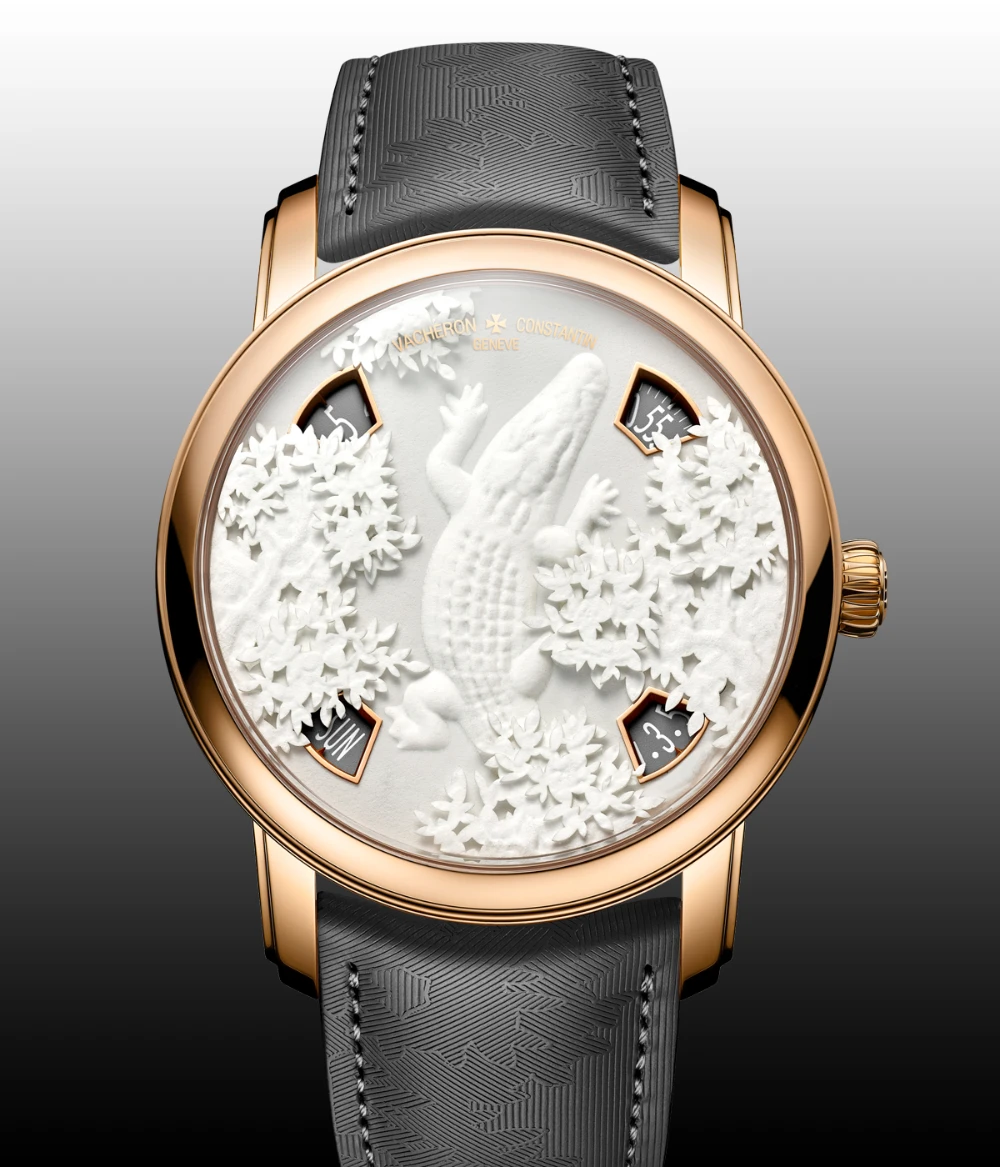
Sheets of two different weights – 250 and 300 grams – were embossed, laser-cut and assembled by hand to create the layered composition which measures only 3 mm high. Bespoke brass matrices engraved with the crocodile’s scales and the surrounding foliage were heated to between 60° and 70°C, then pressed into the paper under intense pressure. The cotton paper had to withstand that force without tearing or warping while retaining its velvety texture and the microscopic precision of the details.
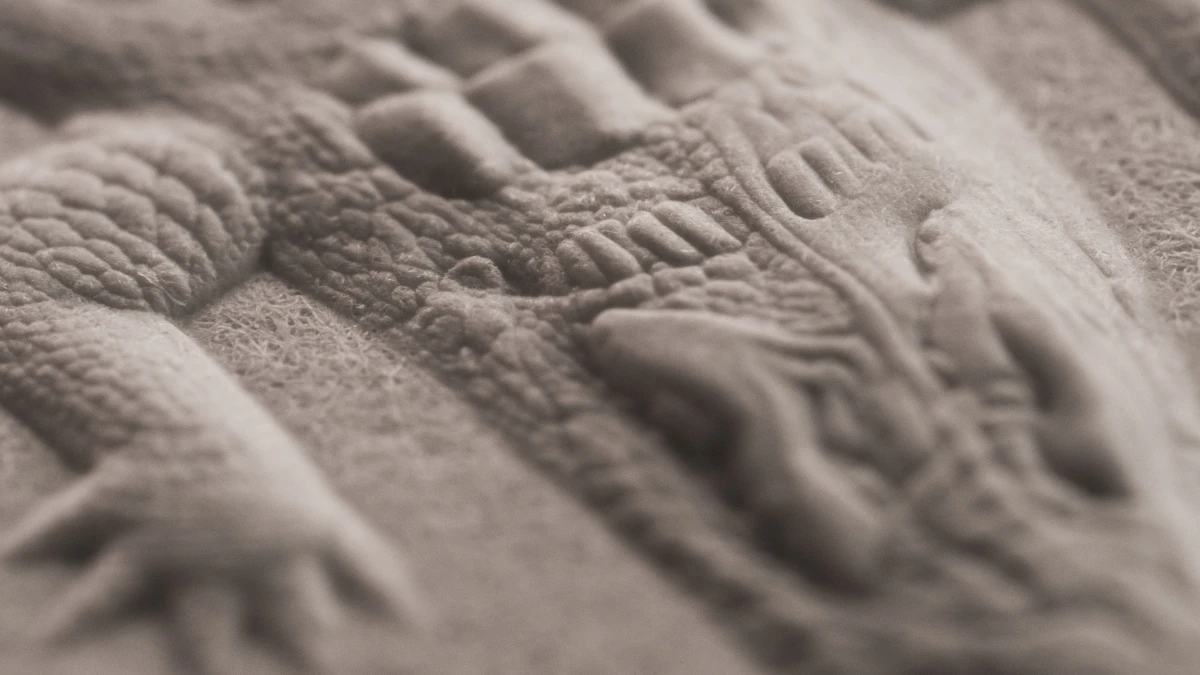
Finding the right degree of relief required its own balancing act. The crocodile needed enough volume to appear alive and sculptural without exceeding the dial’s spatial constraints, while the foliage had to remain recognisable at such a tiny scale. Through repeated prototyping and minute adjustments to pressure, layering and position, the artist created subtle shadows that define the animal’s contours as light moves across the white surface. Even the four apertures displaying the time, day and date are absorbed into the landscape, with the crocodile appearing to nestle naturally between them. A grey calfskin strap engraved with foliage extends the scene beyond the dial, secured with a white-gold buckle.
Métiers d’Art Tribute to the Animal Kingdom – Wooden Wings
The Wooden Wings timepiece pushes the traditional craft of wood marquetry into three dimensions. A fierce falcon dominates the dial, poised to take flight above an abstract background of concentric circles. Fifteen species of wood – including smoked eucalyptus and dark blue-dyed birch – were selected for their distinct colours, grains and textures, then sculpted and carved by hand to capture the layered detail of the bird’s plumage and create a palpable sense of movement.
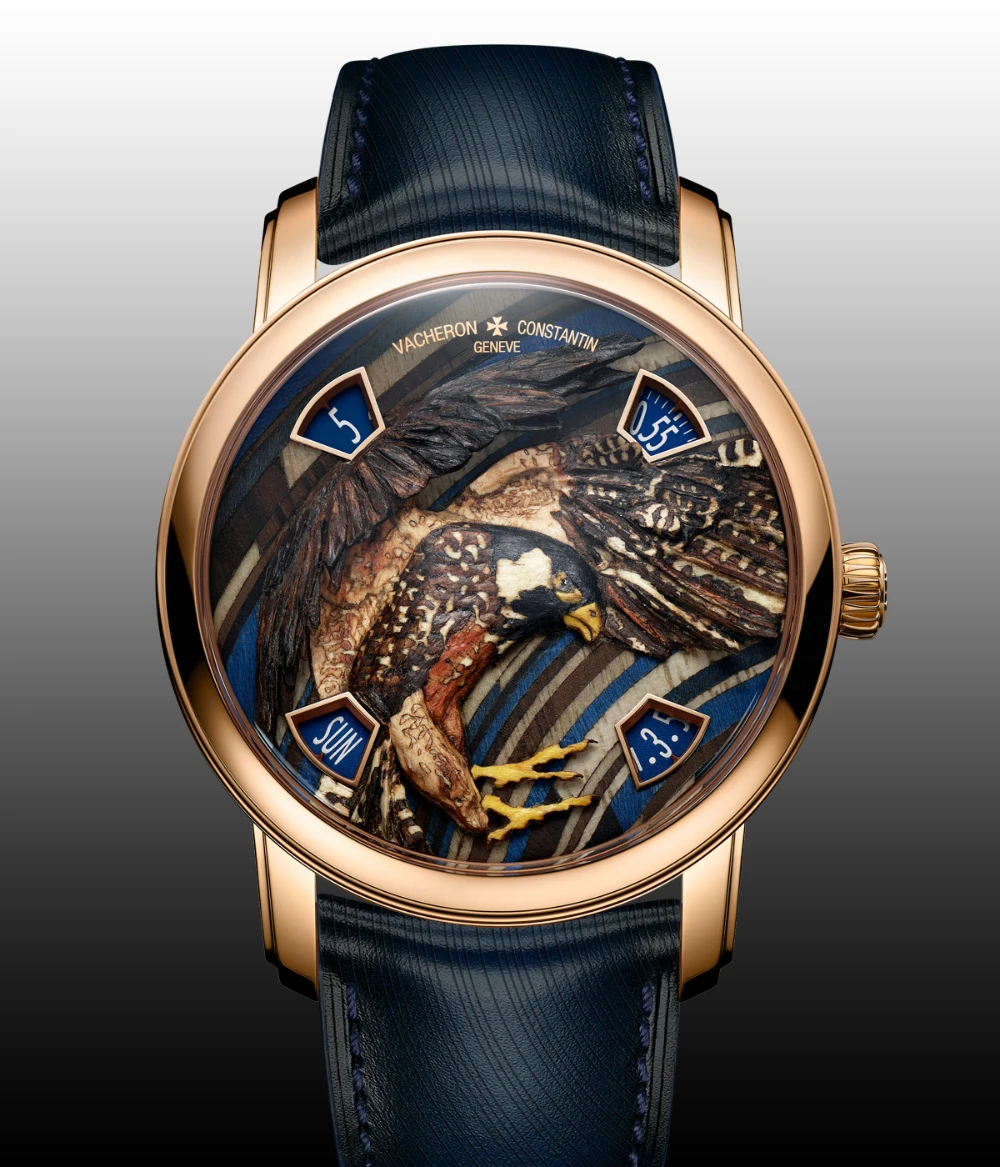
Three different marquetry techniques produce the composition’s depth. Circular marquetry, adapted from furniture making, forms the background. For the falcon’s body, multiple veneers were layered into a sandwich-like structure and then sculpted by hand, transforming traditionally flat marquetry into relief. Finally, the artist developed a new “feather-by-feather” assembly technique for the wing, allowing its individual elements to overlap and curve with remarkable realism.
Once again, the 3 mm height restriction pushed the craft – and the material – to its limits. The cantilevered wing projects over the dial, with its feather tips coming perilously close to the sapphire crystal. Many wood species proved too fibrous or fragile to hold such minute details, so each had to be chosen not only for its appearance but also for its density and ability to withstand microscopic carving.
Conventional woodworking tools were useless at this scale. Working largely under binocular magnification, the artist turned to surgical-style scalpels, microscopic carbide bits and custom sanding instruments made by hand in the studio. The four apertures displaying the time and date were incorporated into the sculptural rhythm of the dial from the earliest stages of its design. A blue calfskin strap engraved with a striped motif completes the watch, extending the graphic language of the wooden dial.
Métiers d’Art Tribute to the Animal Kingdom – Glass octopus
The Glass octopus appears to float above a hand-guilloché gold dial coated in deep blue, creating the illusion of a transparent creature suspended in a nocturnal underwater world. Rising only 3.5 mm above the dial, the octopus represents a radical departure for a craft traditionally associated with large, theatrical volumes.
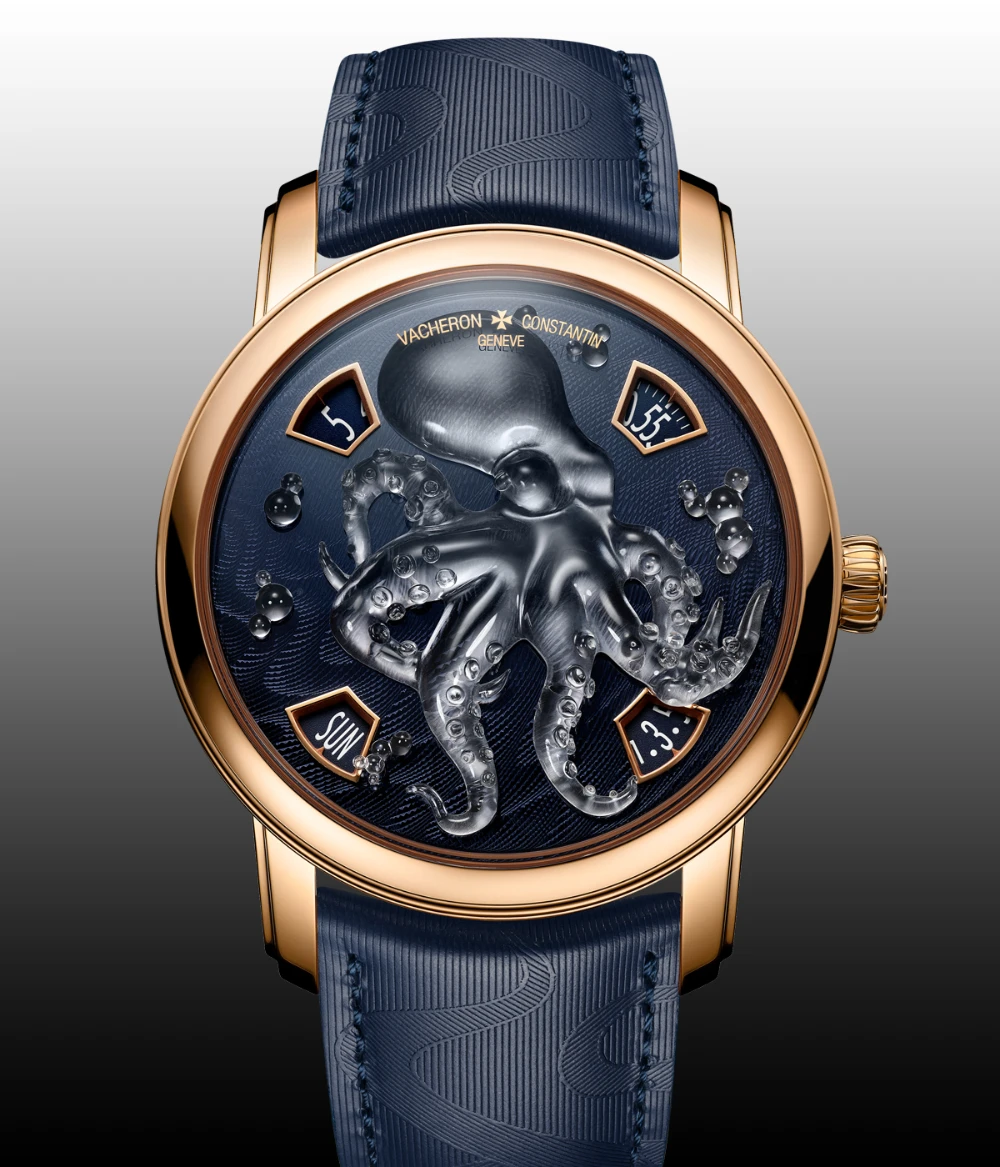
To translate the complex three-dimensional creature into a miniature 2.5D sculpture, the artist developed a technique resembling a painstaking, entirely manual form of 3D printing. Tiny glass rods were melted and shaped with bespoke tungsten tools, building the octopus piece by piece and dot by dot. Every tentacle – and even each individual sucker – had to be formed gradually because reheating the delicate glass threads would cause surface tension to collapse them into tiny spheres. Specially designed tungsten tools allowed the artist to impress the face and suckers into the glass without melting the surrounding sculpture.
Transparent glass introduced another layer of difficulty. Because it magnifies and distorts whatever lies behind it, every change in thickness, overlap and refraction had to be considered. Rather than physically crossing certain tentacles, the artist created optical illusions that make them appear to overlap without producing distracting distortions.
The dial architecture also dictated the octopus’s final position. Two sections of its tentacles pass just above the four apertures displaying the hours, minutes, day and date, whose windows rise a mere two-tenths of a millimetre above the dial. Development lasted more than a year, with each prototype requiring at least three days to produce. Four slightly different octopuses were ultimately created, each suggesting a subtly different movement, before the final creature was selected. A blue calfskin strap embossed with tentacle motifs completes the underwater tableau.
Métiers d’Art Tribute to the Animal Kingdom – Oraygami
The Oraygami timepiece creates another dreamlike underwater world, this one populated by miniature manta rays that appear to glide weightlessly across a deep-blue, hand-guilloché gold dial. Measuring between 5 mm and 10 mm long, the rays are folded from hand-coloured Japanese paper and mounted on fine brass stems. A moiré effect on the sapphire crystal mimics the shifting refraction of sunlight beneath the ocean’s surface, while the indications for the hours, minutes, day and date remain discreetly integrated into the scene.
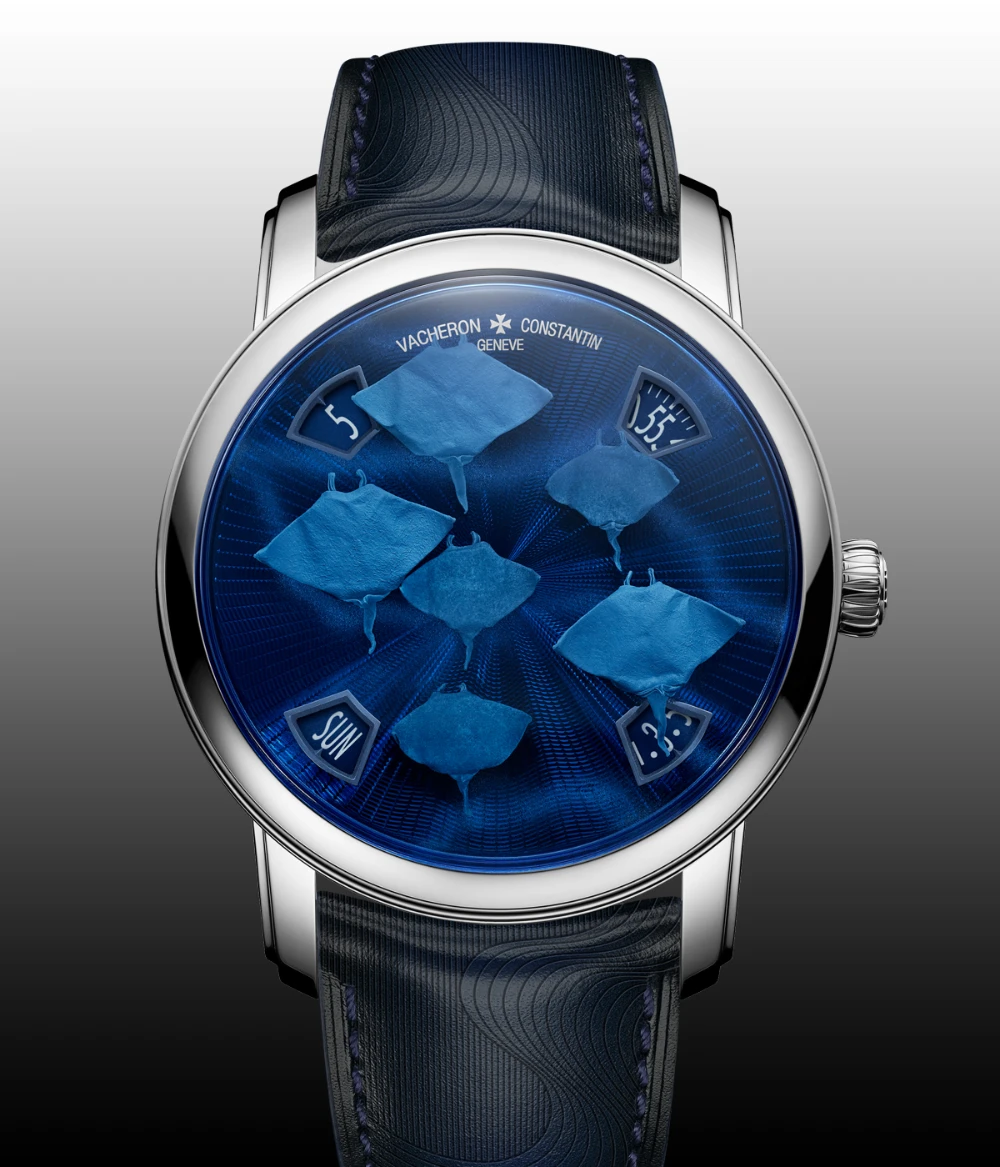
The apparent simplicity and lightness of the composition conceal more than two years of development. Origami artists typically work from established folding sequences, adapting them to create different forms. For this project, the artist first studied photographs and videos of manta rays to understand their proportions, tails and movement through the water, then invented an entirely new folding sequence capable of capturing those qualities at microscopic scale.
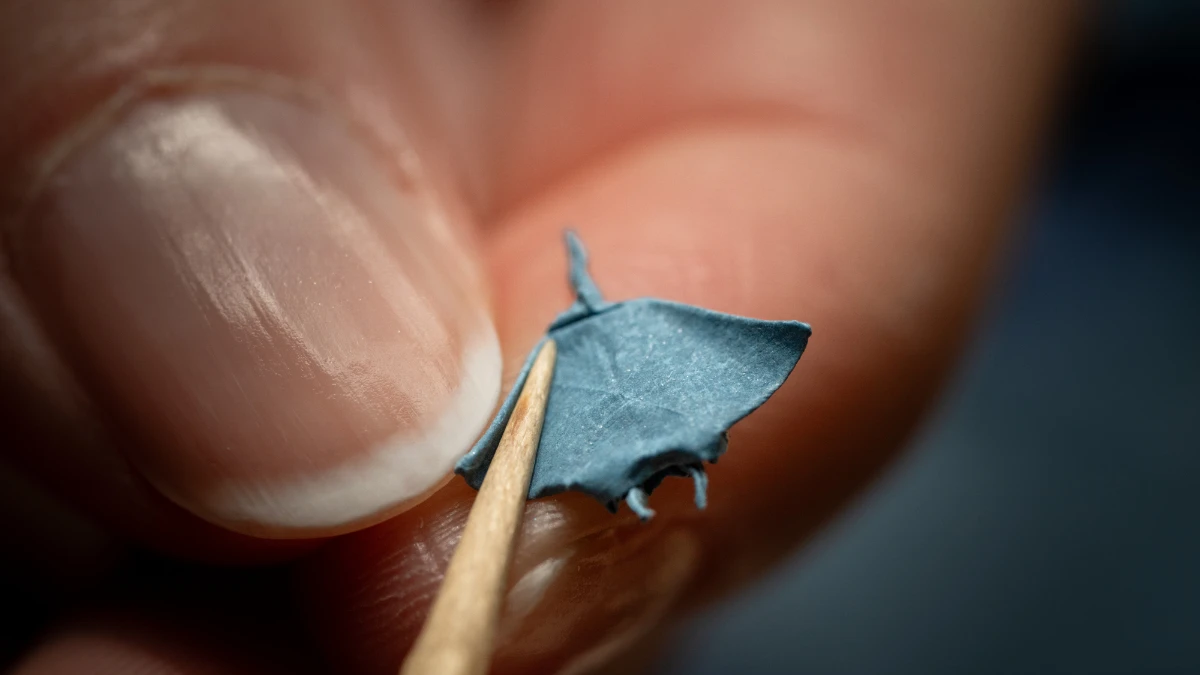
Each manta ray was folded without magnification, using only fingers, fingernails and the tip of a toothpick. The pieces began as squares of paper measuring between 9 mm and 12 mm, then shrank to approximately 6 mm to 8 mm once folded. Early examples could take up to six hours to complete.
Even achieving the right blue proved complicated. The Japanese paper weighs only 20 grams – about one-quarter the thickness of standard copier paper – so dyeing it altered not only its colour but also its thickness, stiffness and flexibility. The final mixture of water, pigment and cellulose gave the paper enough malleability to soften the sharp geometry of the folds, granting the rays a more organic, lifelike appearance. A blue calfskin strap embossed with a wave motif extends the fluid movement of the marine scene beyond the dial.
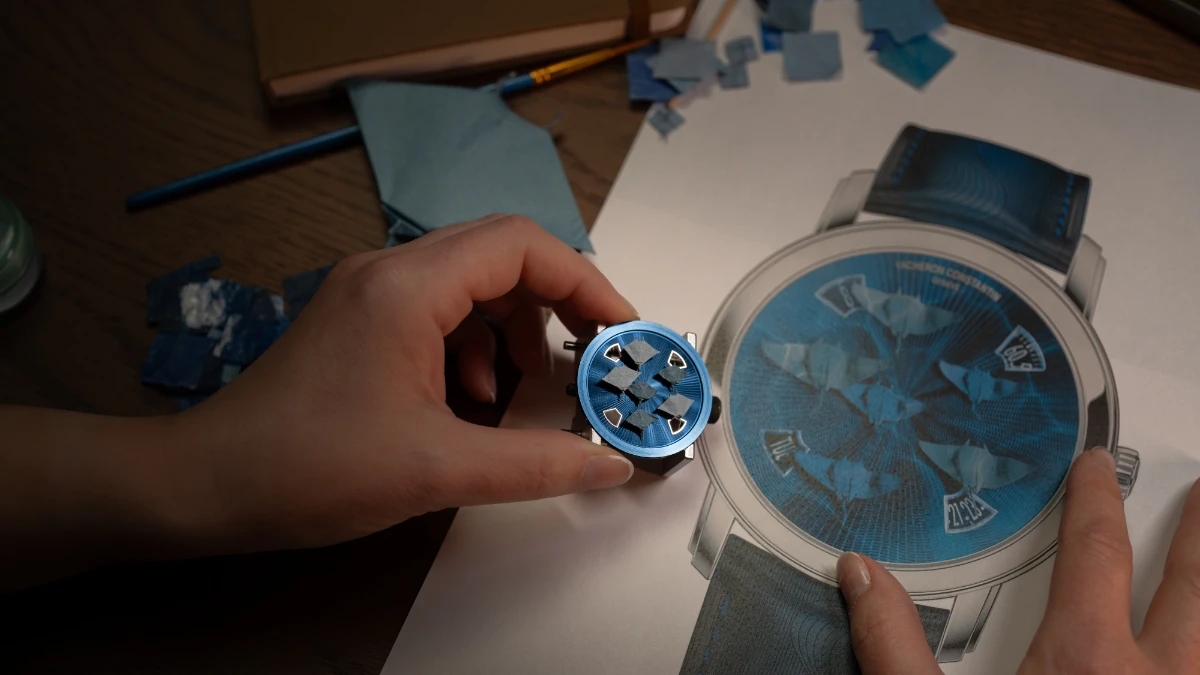
Vacheron Constantin Calibre 2460 G4
Making these miniature scenes possible is Vacheron Constantin’s Calibre 2460 G4. Rather than using conventional hands, the movement displays the hours, minutes, day and date through four apertures positioned around the edges of the dial, leaving its entire central surface free to serve as a canvas for the artisans. Its finishes were adapted to complement each creation, while a specially designed 22K gold oscillating weight, hand-engraved with motifs inspired by artisans’ tools, pays tribute to the craftsmanship shared across all six timepieces.
Closing remarks
Métiers d’Art Tribute to the Animal Kingdom demonstrates that preserving a craft doesn’t mean sealing it in amber. By challenging six artists to adapt featherwork, gold embroidery, paper sculpting, wood marquetry, glass sculpting and micro-origami to the scale and technical constraints of a watch dial, Vacheron Constantin created new tools, processes and forms of artistic expression. The resulting creatures seem ready to slither, prowl, take flight or glide beyond their miniature worlds – proof that tradition remains alive not simply by repeating what has already been mastered, but also by exploring what has never before been tried.