
Bodegas del Palacio de Fefinanes
Philip Day discusses the Bodegas del Palacio de Fefinanes, one of the oldest and most prestigious wineries of the Rias Baixas DO.
Rias Baixas is a DO (Denominacion de Origen) (Denominacion de Orixe in Galician) wine zone for wines originating from the province of Pontevedra and the southern part of the province of A Coruna (La Coruna in Castellano) in the autonomous community of Galicia, in north-western Spain, located off the Atlantic coastline. The region produces some of the country’s most acclaimed dry white wines, mostly made from the Albarin? o grape variety, which has been elevated to cult status by many both in Spain and overseas, which has proved to be a successful addition to the list of marvellous wines this country shares with the rest of the world.
A beautifully verdant area, Rias Baixas has often been likened to a vision of the Garden of Eden. This lush landscape is characterized by deep, wide coastal inlets of water (‘rias’) encroaching many miles inland from the Atlantic Ocean. It was the name of the southern group of these rias, known as Rias Baixas (the lower estuaries) that was chosen as the name for the Denominacion de Origen.
Although a comparatively young DO (it was only established in 1988), Rias Baixas fame and importance has rapidly grown thanks to the efforts of its innovative and enterprising producers and oenologists who have adopted modern wine-making techniques in order to showcase the region’s signature Albarino grape variety.
History
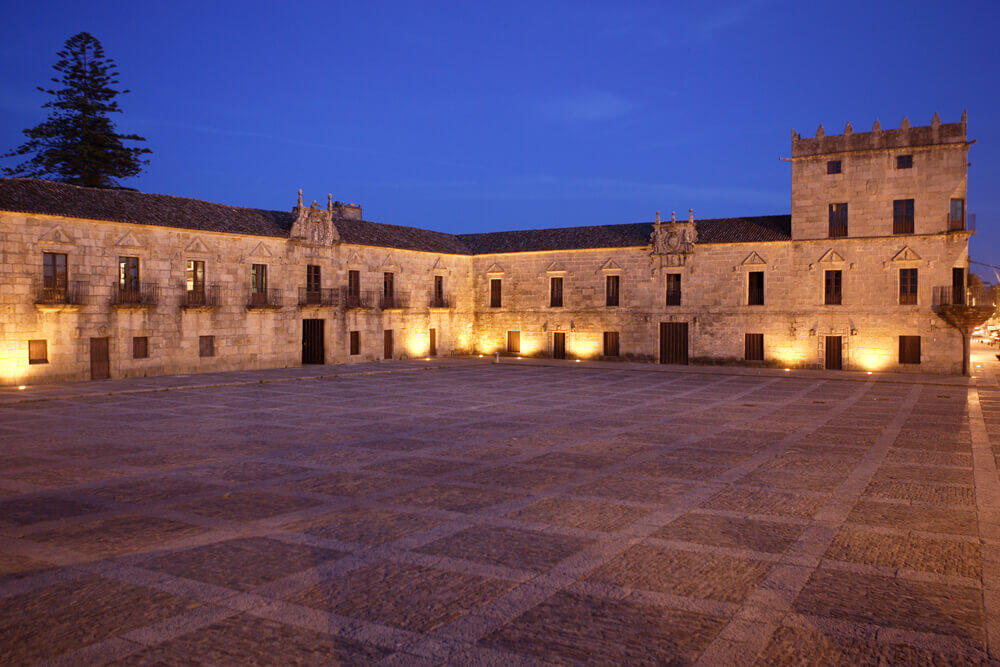
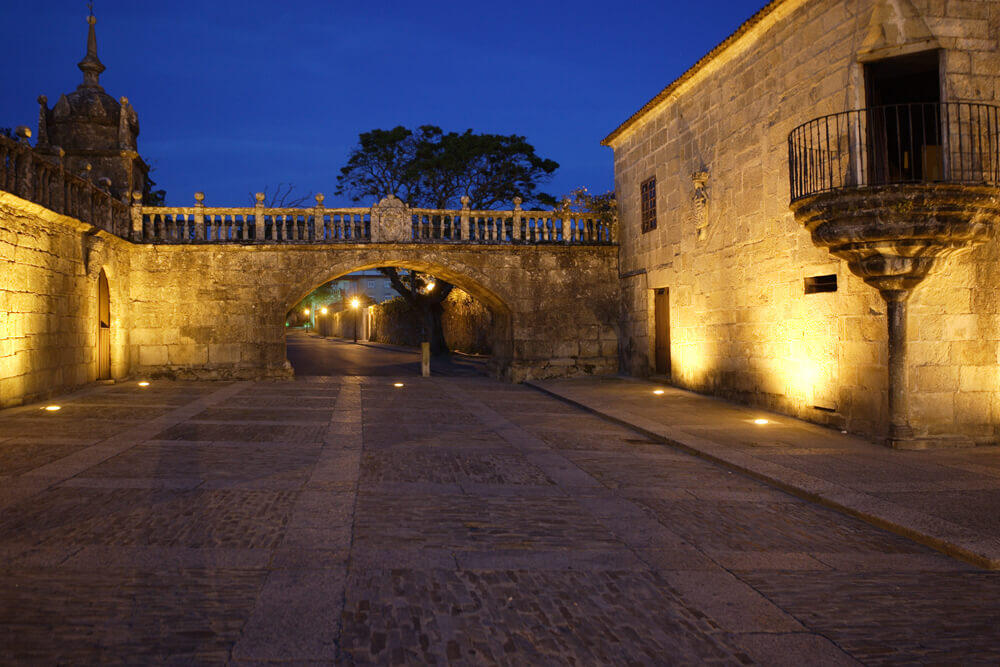
The Bodegas del Palacio de Fefin?anes is one of the oldest and most prestigious wineries of the Rias Baixas DO. Located in the Val do Salnes sub-zone, the winery, established in 1904 is housed in a 17th century historic baronial palace built around 1620 and situated in the town square of Cambados. The owner and director general is Juan Gil de Araujo Careaga, Marques de Figueroa, who is aided by famed winemaker Cristina Mantilla to produce the wines at the bodega.
They were the trailblazers in the production and commercialisation of a singular variety: the expressive Albarino grape from the Salnes valley and devoted all their efforts to its continued success.
All wines produced at the bodega are 100% Albarino and are marketed under the Albarino de Fefinanes brand. These include a young un-aged Albarin?o, an aged Albarin?o and a barrel fermented Albarin?o.
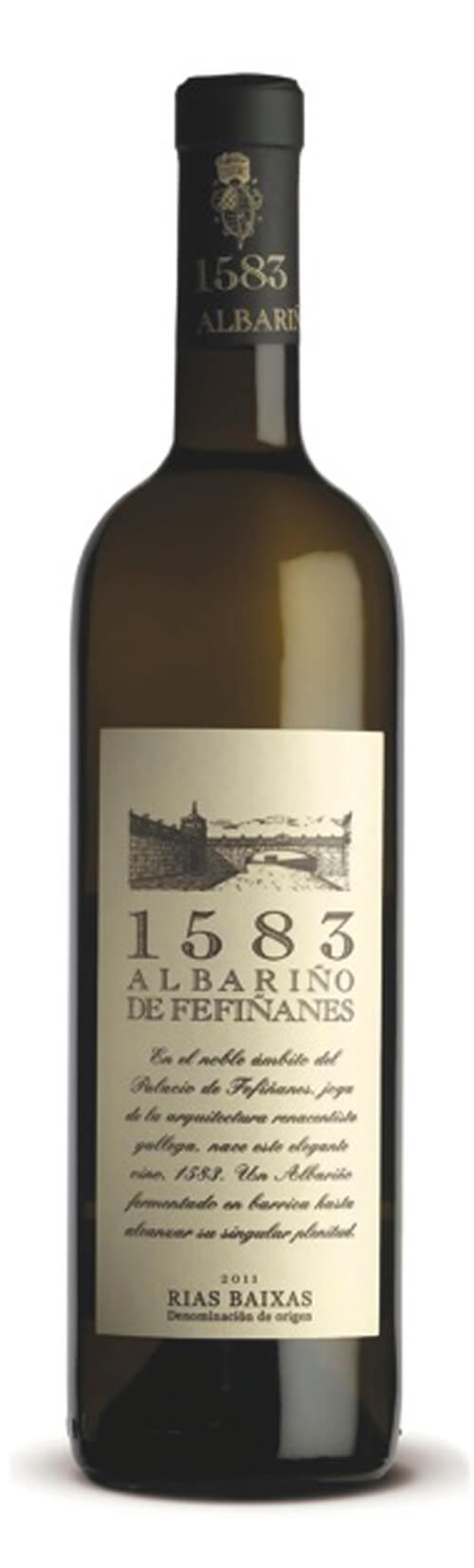
1583 Albarino de Fefinanes Rias Baixas
The wine’s label, portraying the palace, dates back to 1928, when the brand was first registered. Although at the time a pioneering gesture, the company was so confident that their quality wines had a prosperous future. Almost a hundred years later, their reputation continues undiminished, as does their passion for their wines.
“A wine must clearly speak of its landscape, evoke the land that originates it, and be loyal to its personal and distinguishing origin.” – Juan Gil de Araujo.
The history of its DO status dates back to 1980, when an official denomination was created specifically for the Albarino grape variety. The denomination was changed to Rias Baixas, however, when Spain joined the European Union (EU) in 1986, because EU wine laws did not recognize a DO named for a single grape variety. Since 1988, the DO has complied with all Spanish and EU wine regulations. The Rias Baixas DO is regulated by the Consejo Regulador (local governing body) which ensures adherence to permitted grape varieties, viticulture practices, winemaking and ageing procedures.
For a wine to be labelled Rias Baixas, its varietal composition must be at least 70% Albarino. Depending on the sub-zone it comes from, the other grapes used to make Rias Baixas wines are Treixadura, Torrontes, Loureiro and Caino Blanco, a rarely-seen Galician grape (often mistaken for Albarino).
| Appellation | Rias Baixas
|
| Owner | Juan Gil de Araújo Careaga, Marqués de Figueroa
|
| Planted acreage |
Total: unknown – in addition to the small vineyard attached to the palace, the fruit comes from a historical repertoire of quality local growers comprising of some 66 families. |
| Grape varieties | Albarin?o |
| Wines produced |
|
| Terroir | Granitic and rocky with alluvial top-soil.
|
| Production |
Around 150 000 bottles annually.
|
| Top Vintages Produced |
|
Viticulture
By far the finest white grape variety, Albarino accounts for 90% of all plantings in the Rias Baixas region of Spain. Rias Baixas, more precisely its sub-zone Val do Salnes, one of the coolest areas of the DO thanks to its proximity to the sea, is the birthplace of Albarino.
Altogether there are five subzones of the Rias Baixas DO: Val do Salne?s, Condado do Tea, O Rosal, Ribeira do Ulla and Soutomaior:
The vineyards of Rias Baixas are all to be found within the province of Pontevedra in Galicia. There are some 8,650 acres under vine and almost 20,000 individual vineyard plots at altitudes ranging from 100-300 metres (330-985 feet) from sea level. Almost 100% of the wine produced in the region bears the DO designation. As a result of its proximity to the Atlantic Ocean, a cool, damp climate predominates however, there are varying micro-climates within the five sub-zones.
While the different sub-zones express distinct subtle differences, the wines all share a number of characteristics. Pale, golden coloured, they are all crisp, elegant and fresh. Bone-dry and intensely aromatic, these wines are packed with fruity flavours of white peaches, apricot, melon, and mango with a pleasant floral after-taste of honeysuckle. The wines exude mineral overtones and have good, natural acidity. They are generally medium-bodied with moderate levels of alcohol ( around 12%).
The Bodegas del Palacio de Fefinanes have long term contracts with growers in the Val do Salnes subzone on the lower reaches of the Ulmia River centred around the town of Cambados.
Val do Salnes, located on the Atlantic coast, surrounding the historic town of Cambados, where the Bodegas del Palacio de Fefinanes is located is the original and oldest sub-zone, with the most area under vine. The soil is granitic and rocky with alluvial top-soil. It is also the coolest and wettest sub-zone. Average temperatures are 13oC (around 55o F) and average rainfall often exceeds 1800 millimetres (71 inches) annually. Sea mists and fog also have a cooling effect on the climate.
Albarino vines are typically trained along granite posts (parrales) to form 7-foot canopies called ’emparrados’ because of the wet and damp conditions of the climate, to increase air flow around the bunches of developing grapes and maximize exposure to the sun.
Being grown in highly acidic, granitic earth, Albarino yields a more mineral-driven and structured wine than other similar white wine varieties. Indeed, the quality, distinctive style and unique flavour profile of Albarino wines is such that it has often been compared to a Riesling for its minerality and crisp, mouth-watering acidity; to a Viognier, for its fleshiness and peach and apricot character and to a Pinot Gris for its floral bouquet.
The Albarin?o grape a small, green, thick-skinned variety is low yielding and therefore expensive to cultivate, however, the grape resists fungal disease in the particularly damp climate of Rias Baixas.
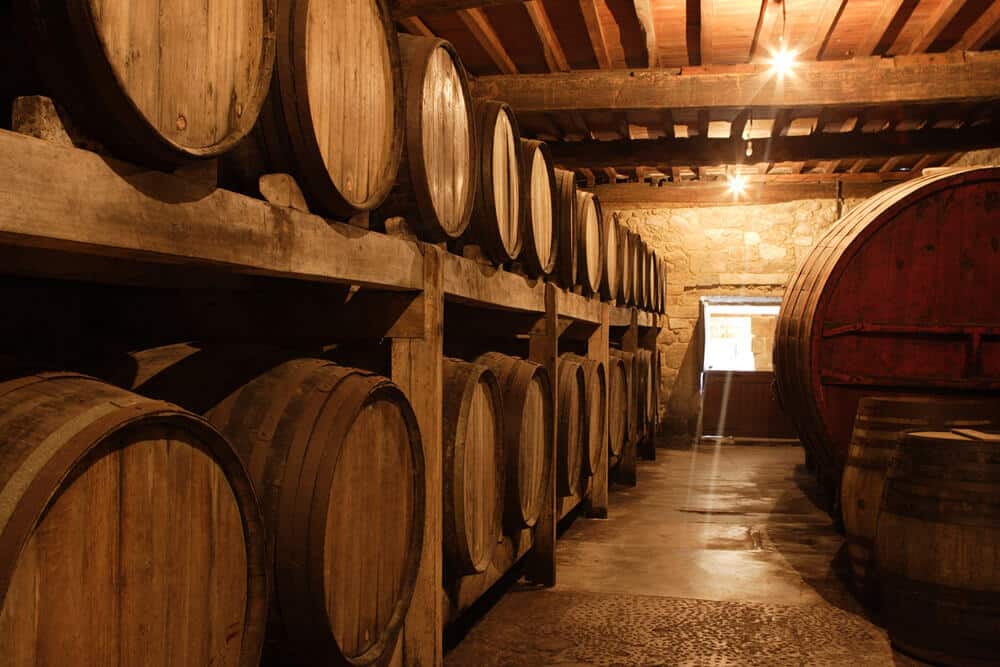
In the winery, the fruit is usually cold-macerated for as long as 48 hours prior to fermentation. Partial malolactic fermentation is often used to soften acids, and the wines are sometimes given extended time on the lees with ‘batonnage’ (stirring the dead yeast cells and other particles back into the fermenting wine).
Some producers also partially ferment in oak or acacia barrels to add complexity and further improve the wine’s suitability for ageing. These days though, it is most often fermented in stainless steel for early drinking.
Thankfully, Albarino is a very versatile grape. It responds well to malolactic or barrel fermentation and maturation to create wonderfully complex wines suitable for ageing.
Albarino wines often improve with 2-3 years bottle age, taking on a deeper complexity and roundness on the palate.
Albarino wines pair beautifully with fish and seafood.
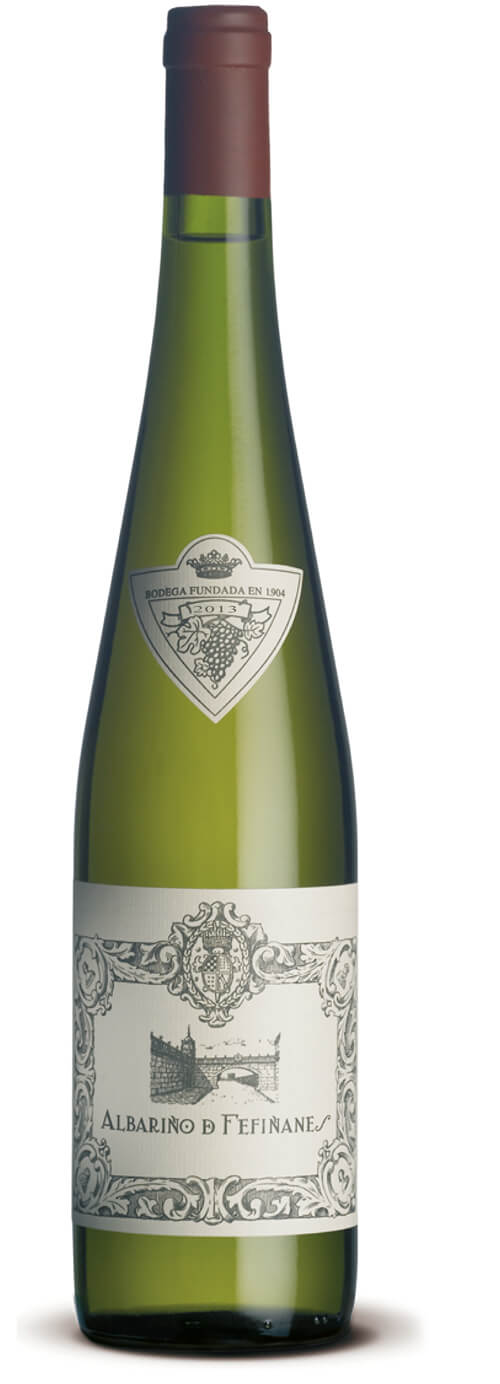
Albarino de Fefinanes Rias Baixas
Bodegas del Palacio de Fefinanes offer three main bottlings: Albarino de Fefinanes Rias Baixas (the main wine: 100% Albarino, fermented for around twenty days at cool temperatures); Albarino de Fefinanes III Ano Rias Baixas (another 100% Albarino based on a selection of the best fruit, aged for twenty- seven months in steel tanks seven of which are on the lees with ‘battonage’) and 1583 Albarino de Fefinanes Rias Baixas (first produced in 1995, also 100% Albarino is fermented in Bordeaux barrels from one to five years and then aged for four months in used, Bordeaux barrels, with “batonnage” followed by a further two months in stainless steel tanks)
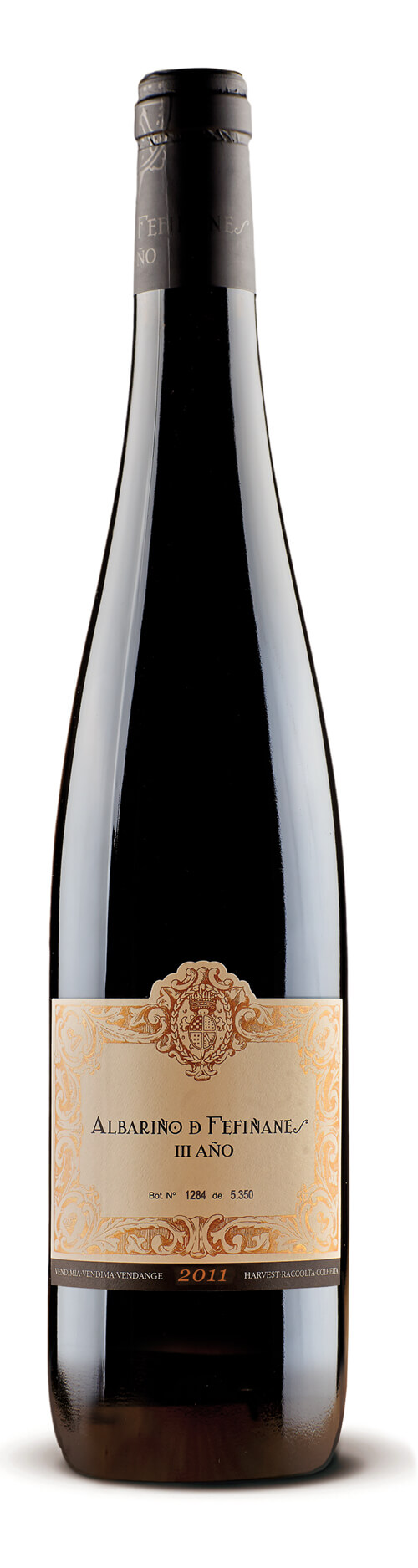
Albarino de Fefinanes III Ano Rias Baixas
Bodegas del Palacio de Fefinanes Albarino in the news
- September 2014: ‘La Ruta do Vino Rias Baixas’, a celebration of the Albarino growers organised by the DO to promote wine tourism, under its program of activities ‘Ruta de Verano 2014’, proposes a new experience ‘Yoga entre vinedos’ (Yoga amongst the vines), where you can enjoy the practice of yoga in a unique setting, – the Fefinanes Palace. A small group of participants for the princely sum of 6 euros, can take part in a yoga class between the vineyards, a tour of the manor and Albarino wine tasting and snacks.
- Albarino de Fefinanes Rias Baixas at the International Wine Challenge, 2014 was awarded a Silver commendation.
- June 2012: The owner and director general of Bodegas del Palacio de Fefinanes, Juan Gil de Araujo Careaga, Marques de Figueroa was elected the new president of the Regulatory Council of the DO (el Consello Regulador da Denominacion de Orixe Rias Baixas).
Contact details:
Address: Plaza de Fefinanes s/n | Cambados, Pontevedra 36630 Espana
Telephone: 00 34 986 542 204
Email: fefinanes@fefinanes.com
Facebook: Bodegas del Palacio de Fefinanes
Twitter:@pazodefefinanes
References
- https://www.fefinanes.com/es/
- https://www.farodevigo.es/portada-arousa/2012/06/23/vino-singular-comparar/659436.html
- https://www.wine-searcher.com/regions-rias+baixas
- https://i-winereview.com/blog/index.php/2013/11/14/bodegas-del-palacio-de-fefinanes-albarino-from-rias-baixas/
- MacNeil, Karen (2001).The Wine Bible. Workman Publishing.
- Clarke, O (2011) Pocket Wine Book 2012, Pavillion Books, London.
- Johnson, H (2011) Pocket Wine Book 2012, Octopus Publishing Group, London.
About the author
Philip Day is an early-retired academic in linguistics who has published many articles.
A North-Midlander (The Potteries) by birth, he currently lives close to the Lancashire Pennines which he regularly explores with his Patterdale terrier, Max.
In particular, he has a keen interest in European fine wines and good food and will be contributing further articles in the future for Escapementmagazine.com.