
DuBois et fils watches – respecting the past – in-depth feature
DuBois et fils watches don’t emulate those of other brands. Since the company was acquired by Thomas Steinemann in 2010, it has produced several limited-series models, made with Swiss parts and assembled and regulated within its home nation. Throughout the reign of Steinemann, the Maison has embraced various innovative means to differentiate itself from others. In particular, the company has used vintage movements, rediscovering their former attributes and refining them for a modern-day audience.

Image – © Swiss Luxury Conference
Philippe and Isabeau DuBois (1760)
Philippe and Isabeau DuBois assumed control of their father’s watch business in 1760. The company was renamed, Philippe DuBois et Soeur, a name that would endure for approximately 25 years before Philippe’s son joined the family business and the firm’s name changed again to become Philippe DuBois et fils.
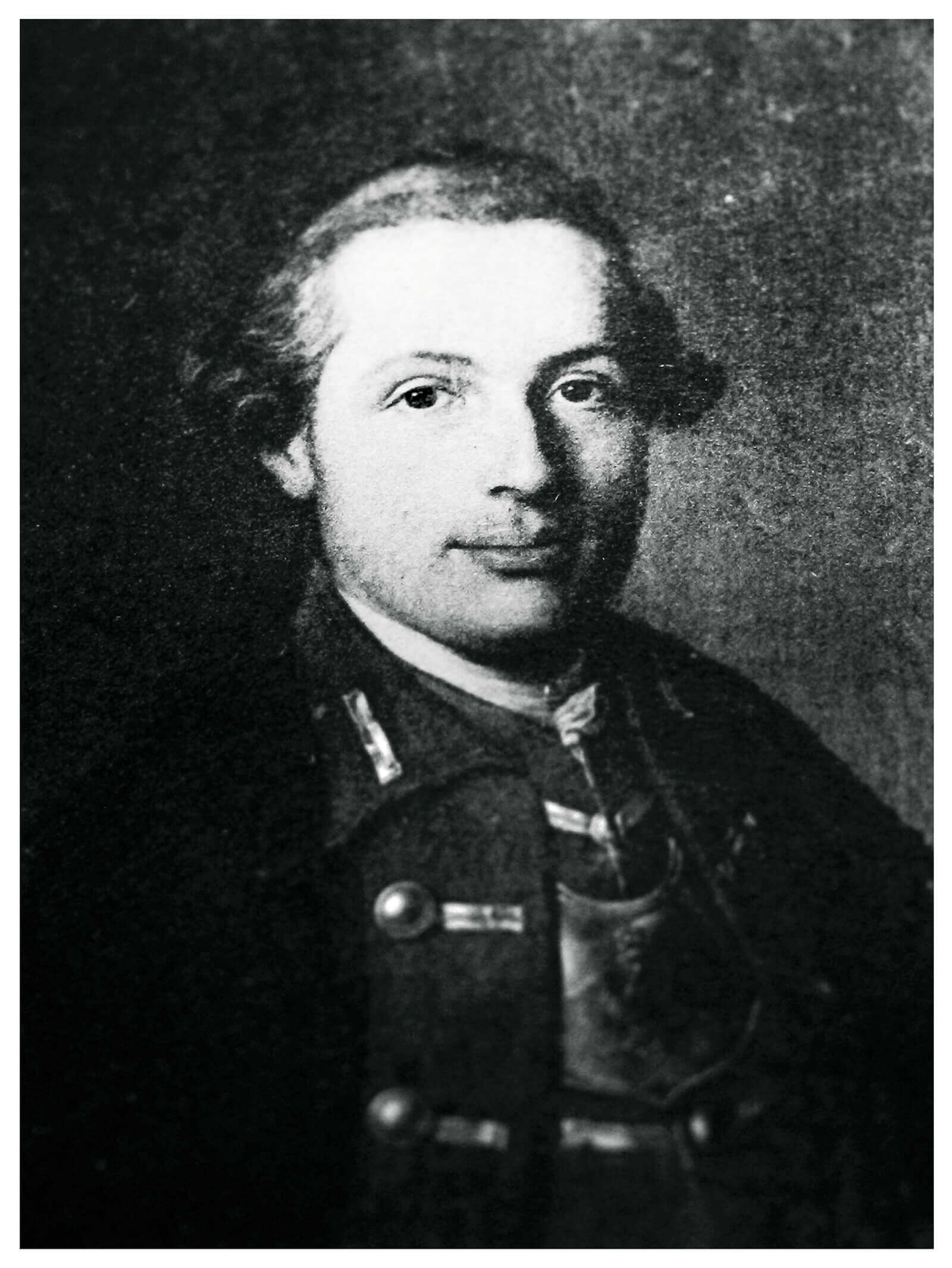
Image – Philippe DuBois
The Maison enjoyed much commercial success, exporting vast quantities of products to important markets such as the United States of America. Moreover, it opened additional offices in Frankfurt and Amsterdam.
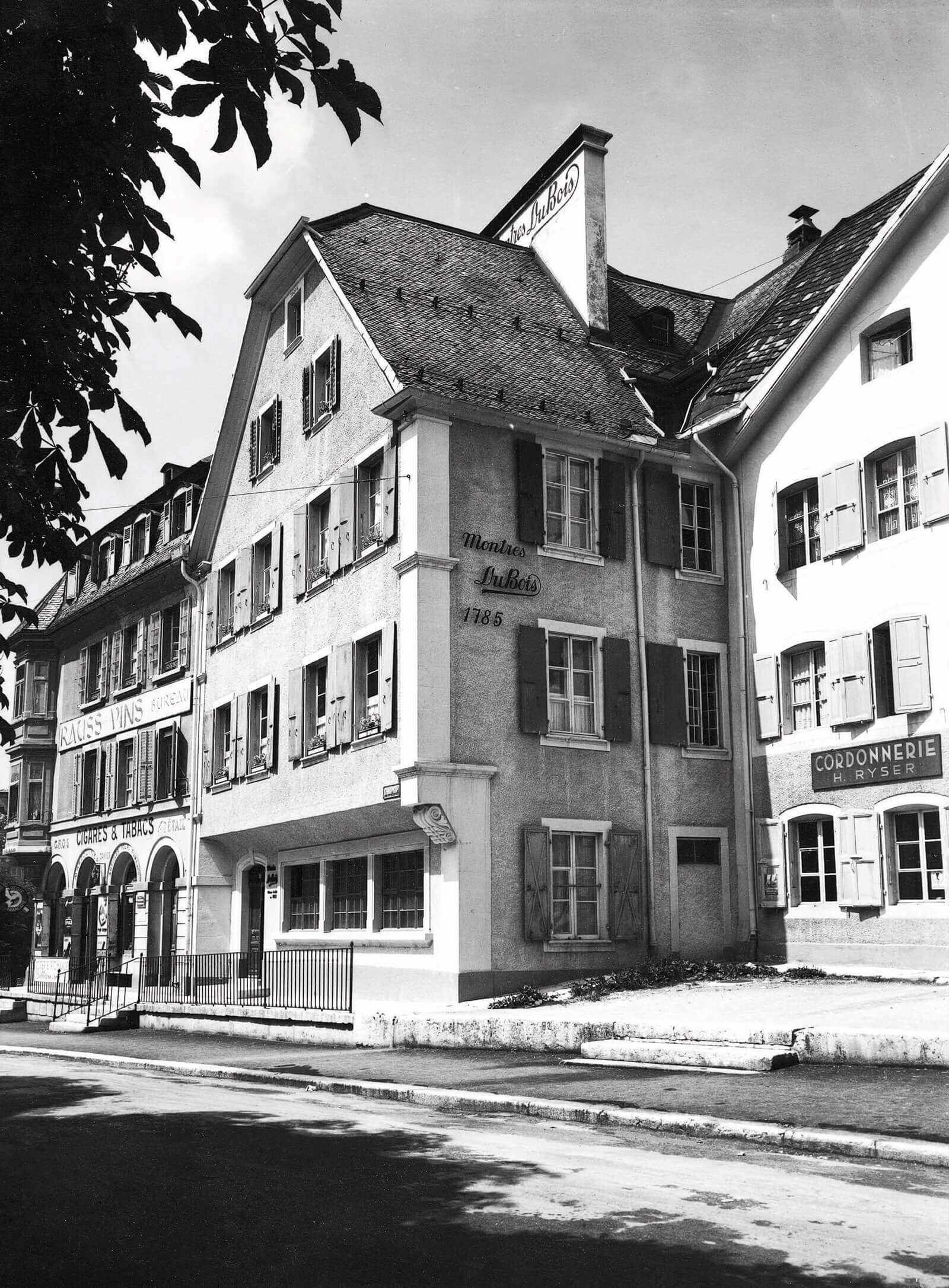
Image – The ‘Oldest Swiss Watch Factory’ (1765)
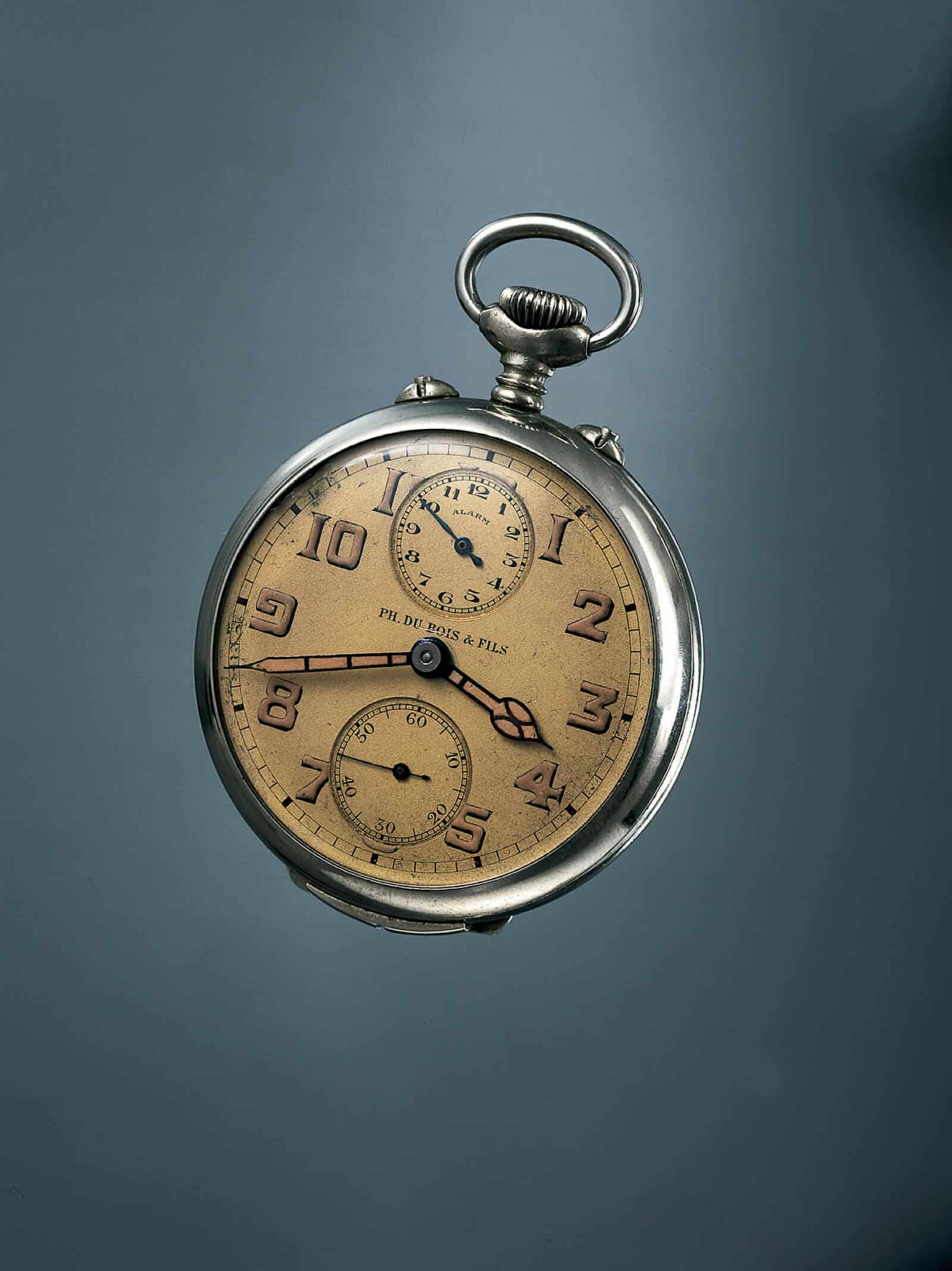
Ever mindful of changing tastes, DuBois et fils produced its first wristwatch in 1910. This elegant timepiece featured blued poire-style hands and Arabic numerals denoting the hours. The hour marker at noon was presented in a vibrant shade of red, a feature that was on-trend at the time. A chemin de fer encircled the dial, providing a useful means of augmenting legibility.

Dubois et fils acquired by Thomas Steinemann (2010)
Over the years, the company’s fortunes waxed and waned and it spent a number of years lying fallow. However, in 2010 the company was acquired by Thomas Steinemann, a veteran of the watch industry who still possessed a passion for the trade.
Crowdfunding
The first example of crowdfunding was recorded in 1997 when a British rock band, Marillion, funded their reunion tour through online donations from fans. This unusual means of raising finance provided the road map for crowdfunding, whereby members of the public are invited to invest in a business, typically via the Internet.
Today, crowdfunding has become a popular means of raising funds for a multitude of businesses including numerous start-up watch brands. However, back in 2012, when Thomas Steinemann sold shares in DuBois et fils via the company’s website, it was an unusual means of attracting investment, especially within the ultra-conservative luxury watch sector.

Steinemann’s strategy proved successful, attracting numerous investors from around the globe. Moreover, many investors, no doubt eager to enjoy the benefits of being a shareholder, chose to buy one or more of the brand’s watches. This immediately provided the firm with a sizeable customer base. These brand devotees became committed ambassadors of DuBois et fils, showing their friends their newly acquired watches. In some instances, investors acted like unpaid salespeople, calling on their local watch retailers and promoting the brand and its products face to face.
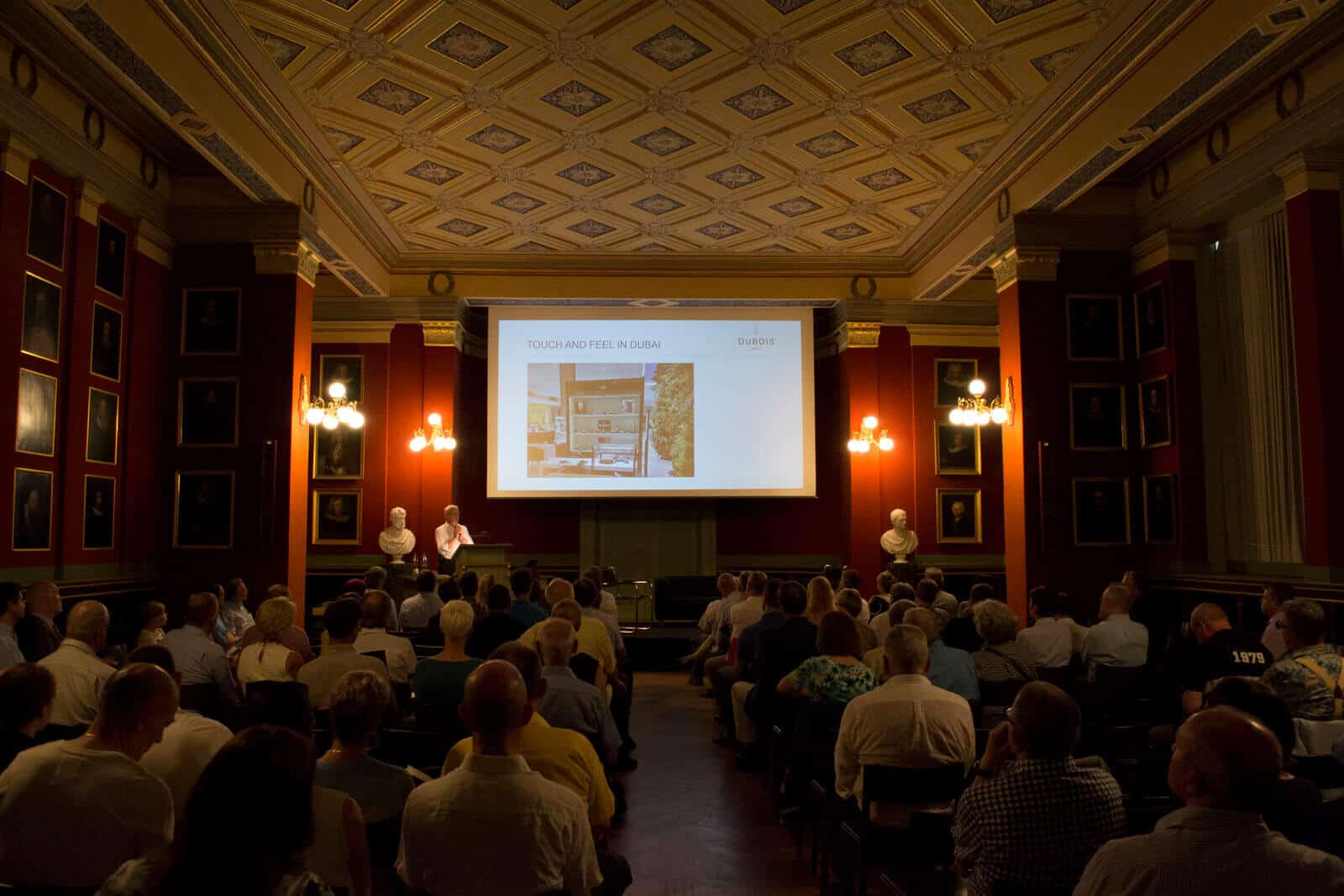
Image – Annual General Meeting
DuBois et fils – real Swiss watches
From the outset, Steinemann was keen to make genuine Swiss watches. Proud of his country of birth, he wanted the words ‘Swiss Made’ positioned at the base of the dial to mean something. Therefore, DuBois et fils rejected the notion of using cheaper, non-Swiss components.
While DuBois et fils watches may cost a bit more than some rival brands’ products, Steinemann believes the superior quality of Swiss materials is palpable. Indeed, quality and longevity are two key components of the brand’s paradigm.
The futility of waste
Under Steinemann’s reign, DuBois et fils has produced numerous models. They have all been limited in number, some more than others. Indeed, the luxury marque’s comprehensive website shows the availability of each reference in real time. The firm’s early, post-crowdfunding models were equipped with ETA calibres, sometimes featuring a Dubois-Dépraz module. Often the movements encompassed DuBois et fils enhancements and were always finished to a high standard.

Image – DBF004-03
In 2015, celebrating its 230th anniversary, DuBois et fils unveiled the DBF004, a model equipped with a vintage hand-wound movement, the Calibre RECORD 662 edition DBF. The advent of this timepiece provided a foretaste of what was to come.

Image – DBF004-02 fitted with the Calibre RECORD 662 edition DBF
As the world has become increasingly aware of the environment and the folly of waste, the public are now recycling, reusing and repurposing more and more. Watch afficionados are rediscovering vintage movements, falling for their period charms. Quite simply, Steinemann believes it is unsustainable to keep making new movements which are sometimes of inferior quality and invariably leave an environmental footprint behind to the detriment of future generations. Indeed, the company’s ethos is to rediscover former horological gems and restore them to an ‘as new’ condition.
DuBois et fils DBF006 – the Bidynator
Last year, DuBois et fils released its DBF006 line. The FELSA 4007N, the so-called ‘Bidynator’, sits at the heart of this watch. Felsa, founded in 1918, was based in Grenchen and was known for making quality movements. In 1928, the company joined Ebauches SA.

The Bidynator can trace its origins to 1942. It was an unusual automatic movement for the time as it featured a bi-directional oscillating weight, a characteristic that has since been adopted by legions of brands. The Bidynator, presented in various forms, proved highly popular and over the years was supplied to a number of watch brands.

As previously mentioned, the Bidynator was a quality movement, but it was also affordable. It was intended for manual workers, hence it had to be robust. Furthermore, the movement was designed to operate for long periods between each service. The decoration was minimal as the emphasis was on functionality rather than aesthetic adornment. The Bidynator came in many forms, but the DuBois et fils DBF006 draws on the talents of the FELSA 4007N, a charming version of the movement that can trace its origins to the 1950s.
The Bidynator provides the means to revisit the past, when Swiss watches were, well, Swiss. Unfortunately, the Swiss watch industry has since faced various challenges such as the advent of highly-precise quartz models, economic woes and even the arrival of the modern-day smart watch, however, the Bidyantor lives on within the DuBois et fils DBF006.

The new era – the A. Schild AS-1895
Now DuBois et fils is looking to make a new watch featuring the A. Schild AS 1895. This popular movement was supplied to several brands, including Girard-Perregaux and Tudor. Like the Bidynator, the movement is highly regarded within the watch industry due to its robustness.

Image – © Cavaleri-Flavio-Fotografie
However, Steinemann, a man with a penchant for blue sky-thinking is about to offer the AS 1895 via tokenization. Recently, I spoke to Thomas Steinemann, the CEO of DuBois et fils, in order to discover more about the company’s latest initiative.
In conversation with Thomas Steinemann of DuBois et fils

Image – © Swiss Luxury Conference
What is tokenization and how does it relate to your plans for the AS 1895 calibre?
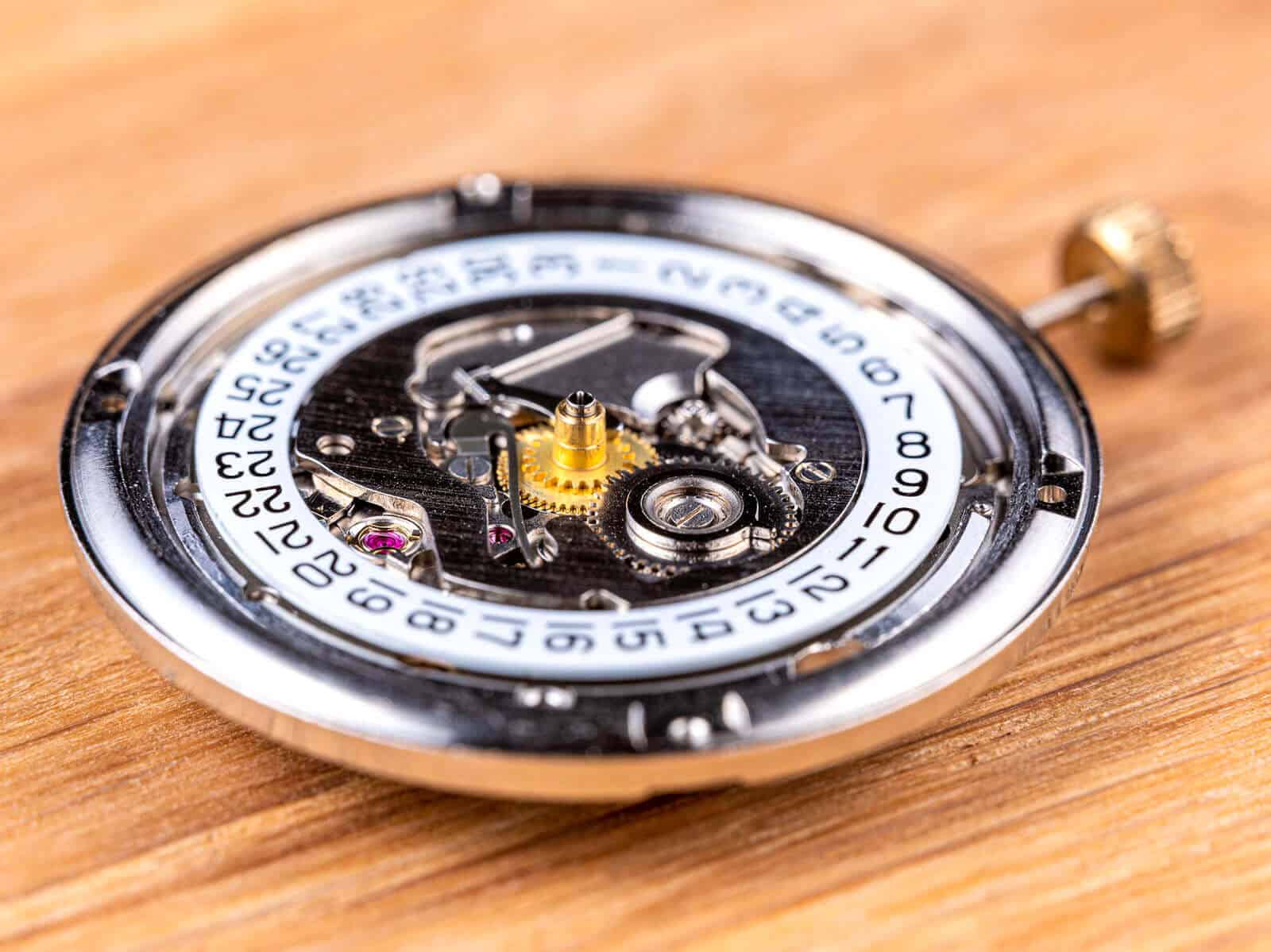
Tokens are virtual assets. Often, these are created and managed through Blockchain technology. At DuBois et fils, we are using tokens to build virtual twins of our historic watch movements, such as the AS 1895. This allows us to sell the movements to interested people for a very reasonable price, affordable to anyone. It puts us in the unique position of letting watch lovers participate in the production process. They become owners of a specific and unique piece. The connection and journey with their watch starts a lot earlier than with the conventional watch buying process. Up to now, we have been restricted to selling completed watches. However, through tokenization, an individual can choose a movement that they like and become a part of the process at a very early stage. We own 330 AS 1895 calibres and for each of these movements we will issue a virtual token. Every owner of an AS 1895 will know precisely which of the 330 pieces he/she owns. After the AS 1895 calibre, we will offer many other historic movements through tokenization.
If I purchase a movement via tokenization, do I physically receive the movement?
No, the movement will always remain in possession of DuBois et fils. Our experts will look after the assets for their owners to guarantee their value is maintained. We have the knowledge and infrastructure to ensure proper maintenance and storage. Whenever we plan to use a specific movement series in a new watch, it will be serviced, refined and fully prepared for installation. This will, once again, lead to an increase in the value of the movement for the benefit of its owner.
Ultimately, how does my movement become a watch?
We have a product strategy that is built on using historic movements. On an ongoing basis, we will communicate which movements will be used for each new watch series. When the tokens are issued, the buyers won’t know which watch their movement will be used in or when the model will be released. As soon as we launch a new model equipped with a specific movement, eg the AS 1895, the owner of the movement can choose to use their token and allocate it to a specific case number. Thereafter, we will fit the owner’s own movement into their watch. The owner of the movement has the opportunity to buy the completed watch at a special price before it goes on public sale.
All of our watches are unique and limited. There can only be one movement per watch. This means that once a specific limited edition number (case number) is taken by a movement owner, the other tokens have to be matched to watches with different case numbers.
What if you offer a watch where I can use my movement, but I don’t like it?
If you don’t like the watch, you can still assign your movement to a specific watch but decline your right to purchase it. As soon as the watch containing your movement is sold or after two years, whichever is sooner, DuBois et fils will buy back your movement for a pre-defined price that will always be more than you originally paid. Therefore, you won’t lose your money and will still benefit financially. The increased buy-back price reflects the increase in value through the servicing and finishing of the movement during the production process.
Can I sell my movement back to DuBois et fils or another party?
There is no obligation for DuBois et fils to buy back the movement. But owners can always reach out to us to see if we have any interested parties wanting movements. We have already received lots of enquiries for tokens. If an owner wishes to pass the token to a third-party, he or she can do so via their user account on our website. The transfer will require the approval of DuBois et fils. At this point in time, we do not want free trading of these movements.

Will the movement look like new?
All movements will retain their original character. The AS 1895 will remain what it was and still is: a unique historic movement. We will keep its story authentic and restore it for installation into one of our new watches. Of course, we will also add our classic DuBois et fils touch, in our usual modest way. The result will always uphold traditional craftsmanship, typical of our brand, the ‘Oldest Swiss Watch Factory’. Consistent with the other models we have produced, the movement will be visible via an exhibition caseback.

Image – Bidynator model containing a restored Felsa 4007N movement
What is special about the AS-1895 movement?
The AS-1895 movement was made for manual workers, hence it is very robust. The movement is precise and reliable, thanks to an Incabloc shock absorber that remains in production today. It is well protected against shocks and can withstand heavy loads. The balance frequency of 21,600 vibrations per hour provides long maintenance intervals, and the power reserve is 42 hours. With 25 ruby jewels, the movement was one of the best movements of its time. Indeed, the movements were used by several esteemed Maisons, including Blancpain, Girard-Perregaux and Tudor.
In the 1950s, exhibition casebacks were very rare, hence the movements from this era were seldom decorated.
Is the movement regulated when fitted within a watch?
Of course, the movement will also be regulated after restoration. Thanks to the high quality of today’s oils and lubricants, it is possible to achieve superior accuracy than was previously the case back in the 1950s. In addition, the oils and lubricants deliver superior performance in the longer term.
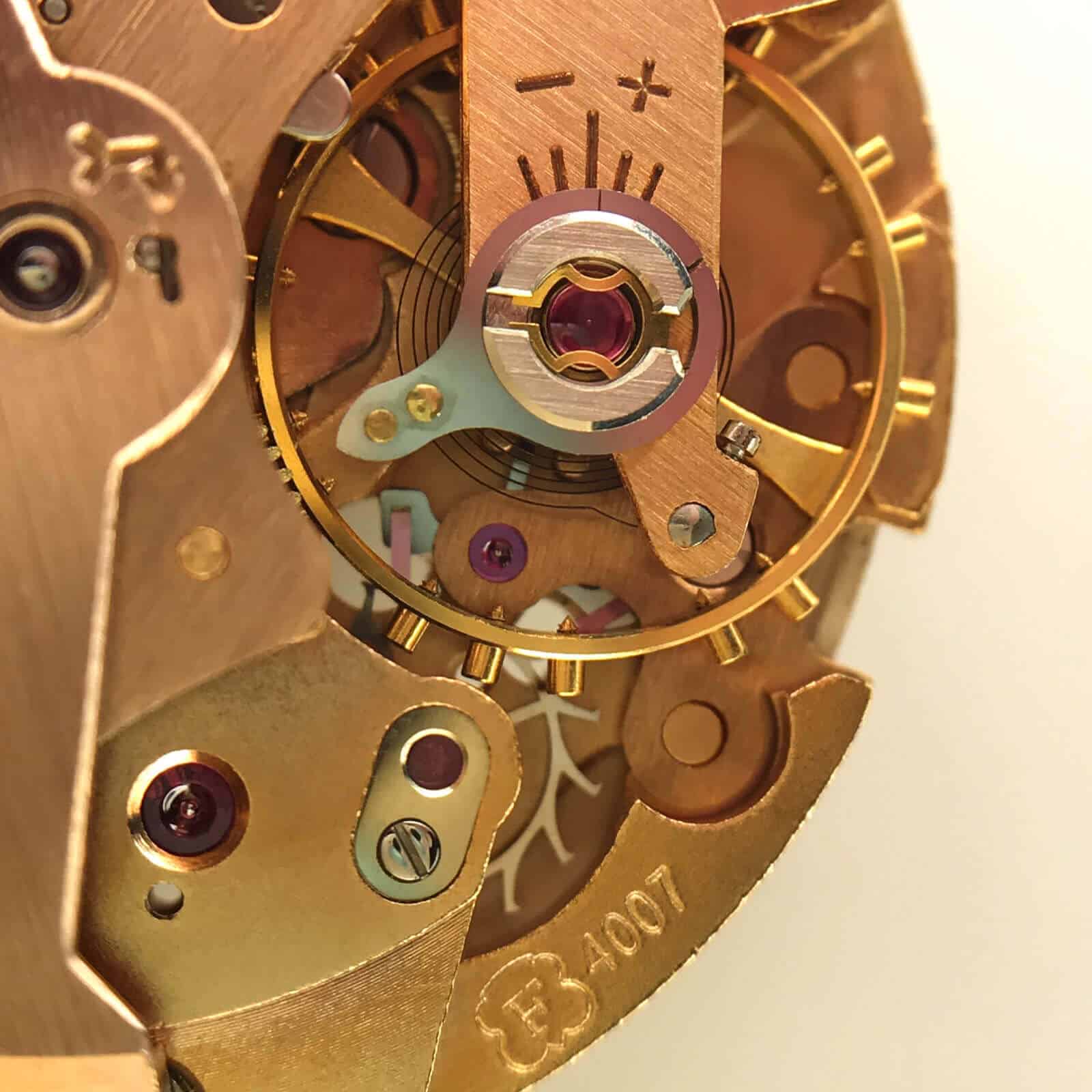
Image – Felsa 4007N with screwed balance
Does the movement come with any warranty?
We are convinced about the quality of these historical movements and offer the purchasers of the watch a guarantee of 5 years. It is also important to know that these movements can be repaired 100 years from now.
What are the benefits of using a vintage movement?
These movements hark back to a great period in the history of Swiss watchmaking. They were supplied to all of the big watch brands in our country. The success of these movements can be attributed to their widespread use. Sadly, many of these movement specialists, seldom known to the public, have since disappeared, despite being experts in their field. The movements were both robust and precise. Up until mid 20th century, people had a tendency to work with their hands, making these movements highly suitable. Customers also required automatic watches with very robust movements, suitable for daily wear. These historic movements remain brilliant with long service intervals. To this end, we are usually able to offer longer guarantees.
With these historic movements, we are providing a unique opportunity to revisit a ‘Golden Era’ by utilising what have now become rare movements, seldom seen on today’s watch market.
DuBois et fils watches – closing thoughts
As I mentioned at the start of this article, DuBois et fils has always done things a little differently from many of its competitors. For example, it was one of the first watch brands to employ crowdfunding. It has also used historic movements, including the Calibre RECORD 662 edition DBF and more recently the FELSA 4007N when most of its competitors continue to focus on using new movements. Now, the Swiss firm has introduced an innovative means of engaging with the watch-buying public, selling vintage movements via tokenization.

Image – DBF004-01 containing Calibre RECORD 662 edition DBF
ESCAPEMENT doesn’t provide financial advice, hence I will avoid commenting on such matters relating to tokenization. Nevertheless, from a watchmaking buying perspective, the process of buying a movement and ultimately seeing it housed within a limited edition model sounds very interesting. The Swiss brand already has a track record of releasing small numbers of limited edition models and providing clients with the opportunity to choose a case number online and in real time. The brand’s tokenization system builds on this idea, heightening the overall feeling of exclusivity.

Image – Bidynator DBF006-02 containing FELSA 4007N
With the decision to use historic movements, DuBois et fils has shrewdly tapped into society’s awareness of sustainability. Throughout Switzerland, there are historic movements languishing in attics, unused, unloved and desperate to breathe. They never tick or realise their potential. Simultaneously, the watch industry continues to make new movements, using valuable resources. Like many business sectors, the watch industry has made huge efforts to be more environmentally responsible, however, what could be more responsible than using movements that currently lie still, devoid of life? It seems Steinemann’s capacity to look into the future shows no signs of abating.