
Hermès Arceau Samarcande Watch Review
The Hermès Arceau Samarcande celebrates the luxury marque’s equestrian origins with its distinctive dial featuring a horse-shaped cutout. With a forelock formed of crystal and a beautifully proportioned barrel, this horological thoroughbred features a minute repeater that delivers an extraordinary three-gong performance. Angus Davies explores this shining example of Haute Horlogerie, tracing its bloodline back to 1837, the year Hermès was founded.
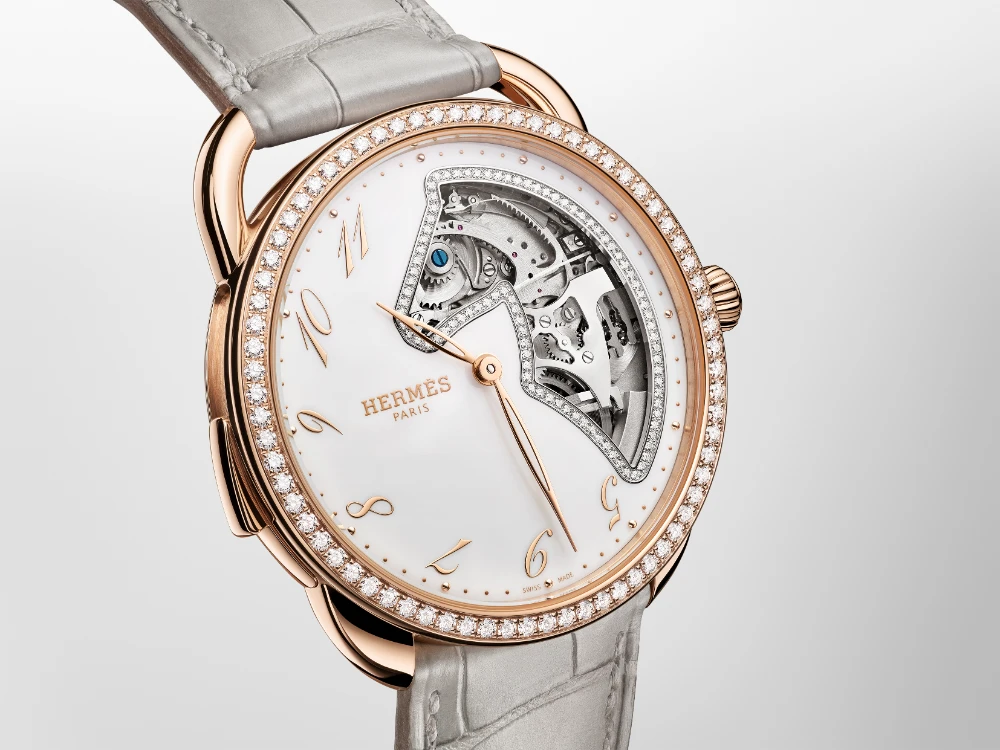
Image – Hermès Arceau Samarcande (copyright Joel Von Allmen)
Hermès depuis 1837
Delve into the world of Hermès and you will discover a rich history defined by hand craftsmanship and uncompromising quality. Founded in 1837, this family business began life specialising in the crafting of made-to-measure harnesses and saddles of the highest order. With time, the luxury marque’s reputation within the equestrian world spread far and wide, while its product portfolio grew to encompass an array of luxury goods, including scarves, handbags, jewellery and watches.
Often inspired by equines, but not always, the brand’s pedigree spans six generations and its products are synonymous with quality and refinement.
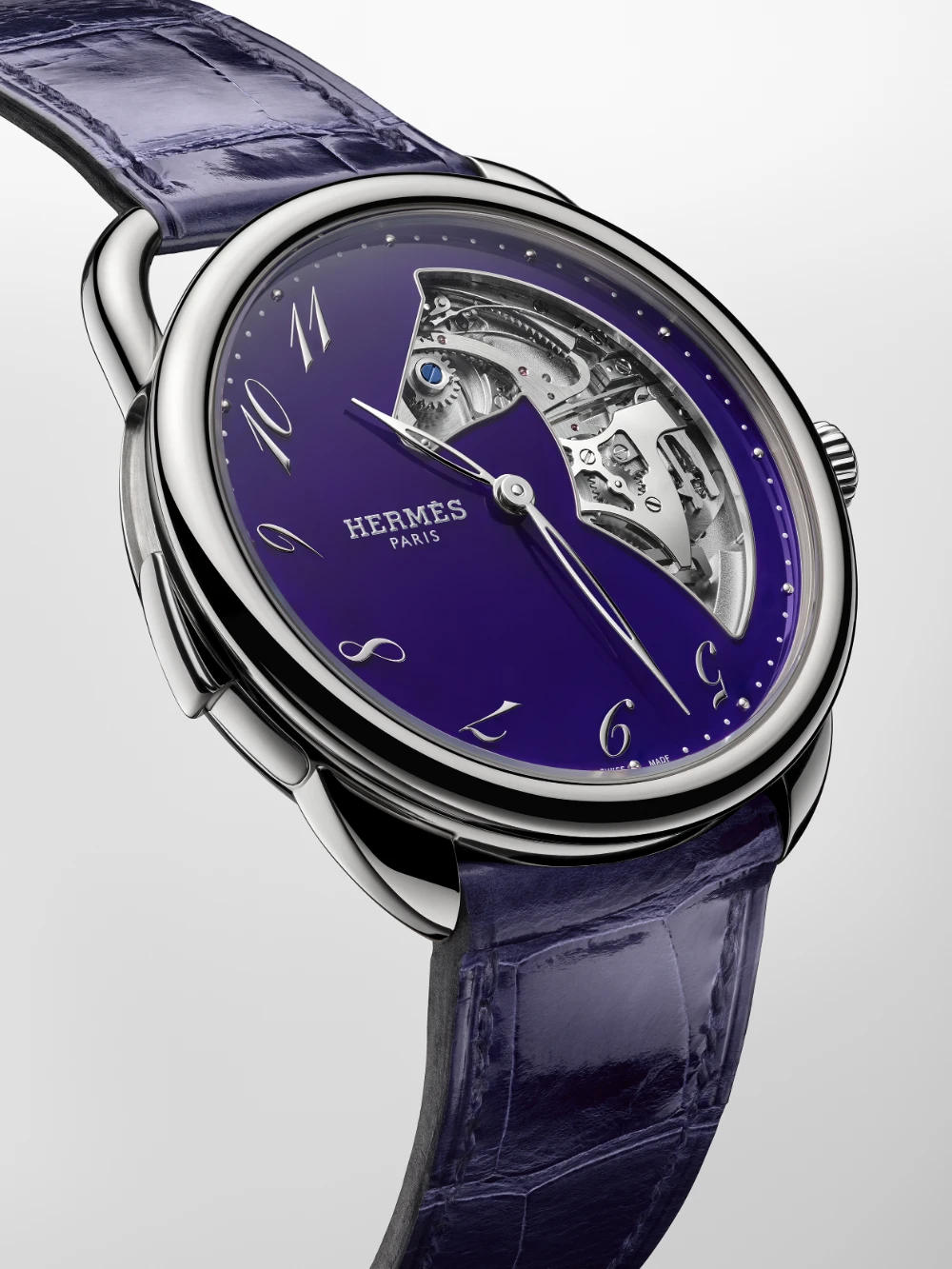
Image – Hermès Arceau Samarcande (copyright Joel Von Allmen)
Hermès watches since 1928
The luxury marque’s foray into watches dates back to 1928, a milestone predating the creation of its first silk scarf, an item that many contrite husbands have bought when eager to make amends. But the pivotal moment came in 1978 with the opening of La Montre Hermès. This event signalled to watchmaking’s old guard that Hermès harboured ambitions to operate within the luxury horology segment.
In 2006, Hermès acquired a 25% stake in Vaucher Manufacture in Fleurier, a movement specialist synonymous with Haute Horlogerie. Later, it purchased Natéber, a dialmaker (2012), and Joseph Erard, a specialist casemaker (2013), before opening a modern production facility, Ateliers d’Hermès Horloger in Le Noirmont (2017). Beyond amassing the necessary skills to make watches, the brand has also worked with other experts in the field of Haute Horlogerie, including Jean-François Mojon of Chronode.
The excellence of the company’s timepieces has seen Hermès receive multiple prizes at the GPHG (Grand Prix d’Horlogerie de Genève), often referred to as the ‘Oscars of the watch industry’. Highly imaginative and beautifully crafted, Hermès has never abandoned its equestrian roots. Famously, Henri d’Orginy, friend of the maison and a designer, conceived the Arceau line (1978), a design uniting a round case with ‘stirrup-inspired asymmetrical lugs’. Wonderfully original and eminently wearable, the Arceau has proved the perfect canvas for creative expression, with some references incorporating artistic crafts such as gem-setting, marquetry and miniature painting.
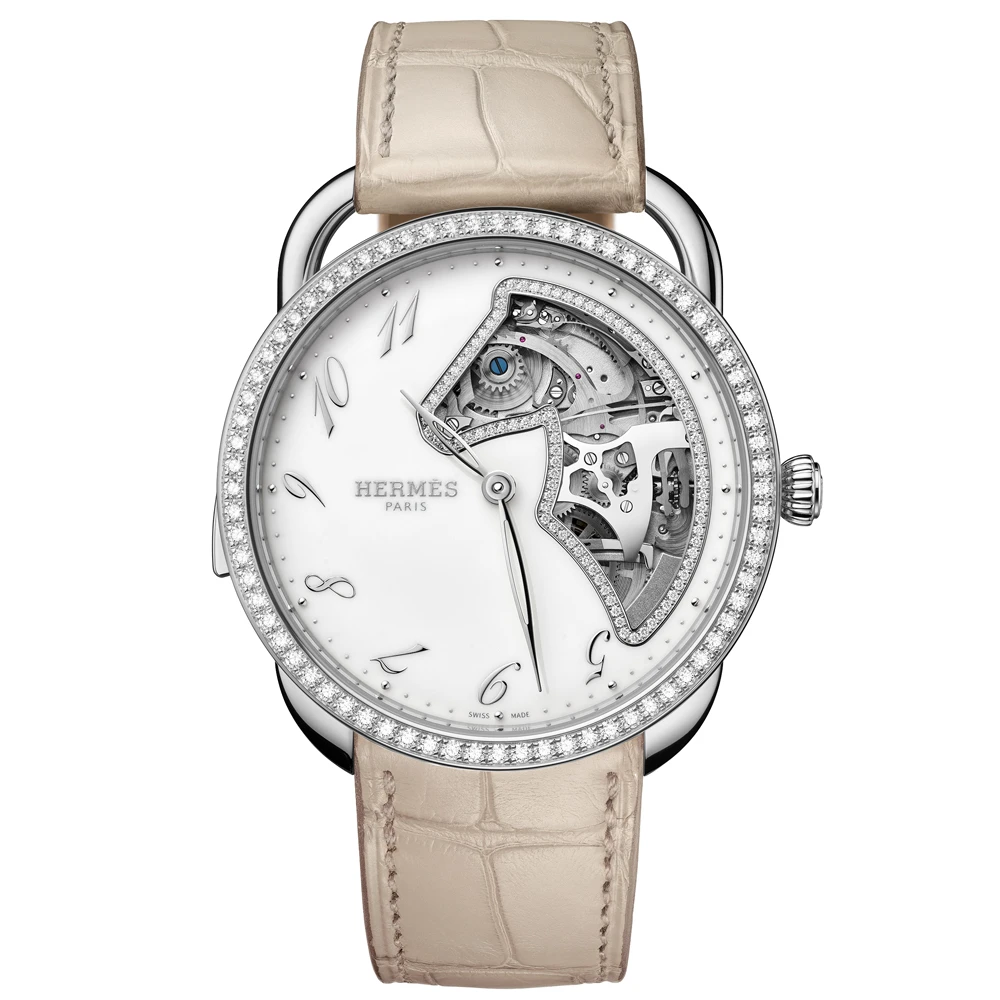
Image – Hermès Arceau Samarcande (copyright Joel Von Allmen)
Hermès Arceau Samarcande – introduction
This year at Watches & Wonders, Hermès unveiled the Arceau Samarcande, a watch equipped with a minute repeater, one of the most coveted complications. This is not the first time the company has created a minute repeater. Back in 2020, it released the Arceau Lift Tourbillon Répétition Minutes, uniting two ‘high complications’. Interestingly, this model was housed in an equestrian-inspired Arceau case and featured a horse-shaped dial opening, revealing various mechanisms at play.
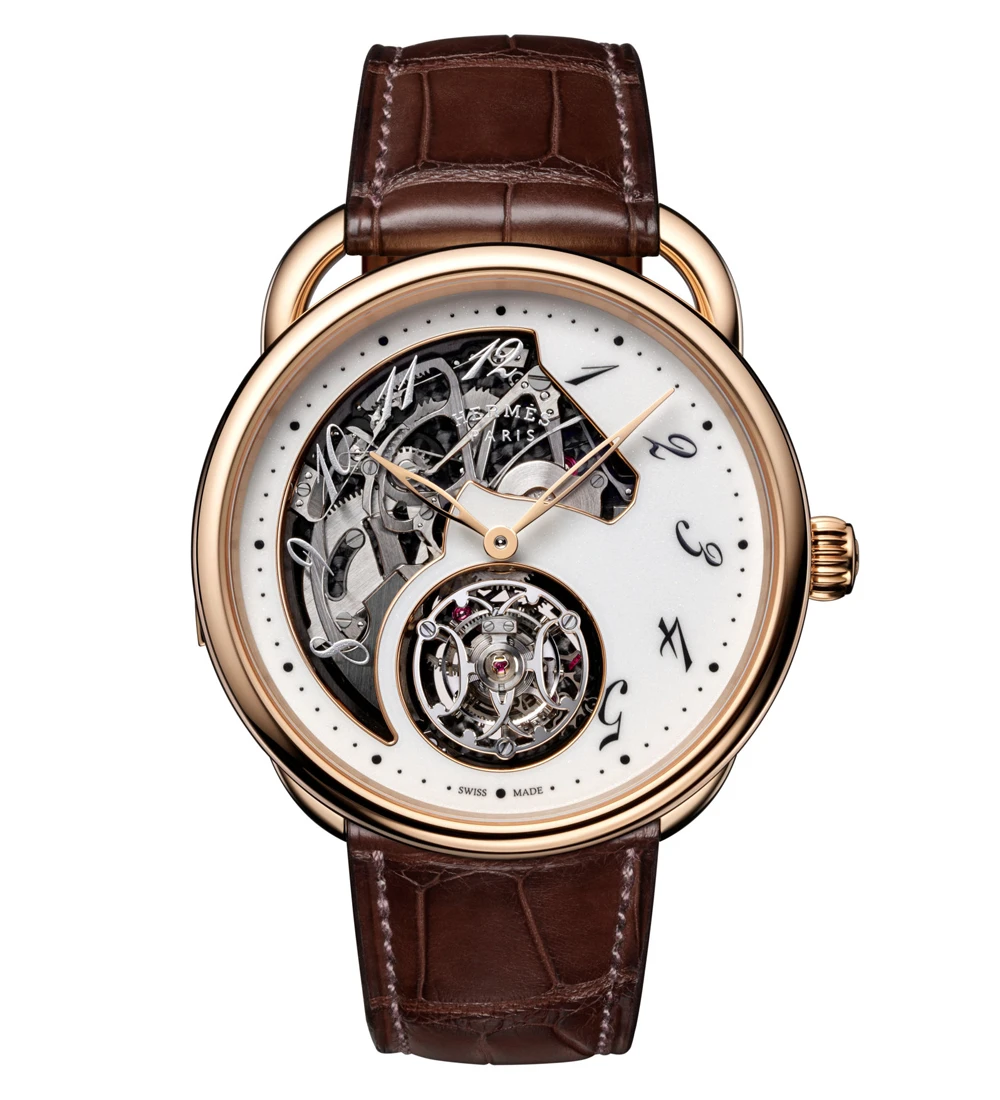
Image – Hermès Arceau Lift Tourbillon Répétition Minutes (copyright Claude Joray)
This new watch shares the same equine-themed aperture, but eschews said flying tourbillon. Normally, removing a feature diminishes a product’s allure; however, that is not true on this occasion. Indeed, I can already reveal that the Arceau Samarcande is my favourite Hermès watch to date, a shining example of ‘less is more’. Allow me to elaborate.
Hermès Arceau Samarcande – dial
The watch is offered in a choice of three executions: a white gold case with a blue dial, a white gold diamond-set case with a white dial or a rose gold diamond-set case with a white dial. Each dial is formed of blue or white Saint-Louis crystal. The dial aperture accommodates a horse-shaped sapphire crystal and then the entirety of the display is shrouded in an additional pane of sapphire crystal, protecting the blown-glass dialscape.
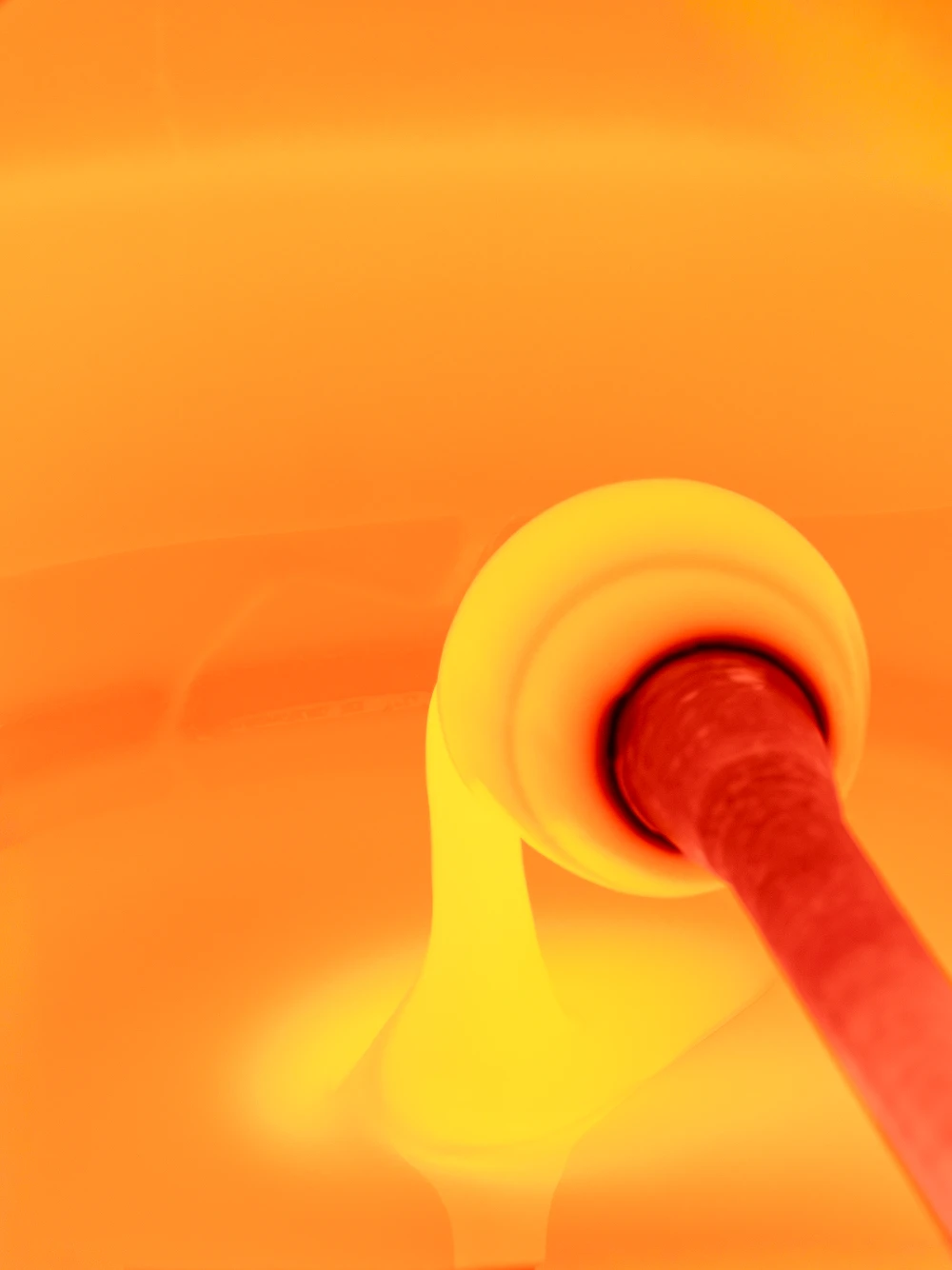
Image – crystal production (copyright Team Whaaat)
Complementing the openworked dial epidermis, the skeletonised feuille-style hour and minute hands gracefully circle the dial, conversing with inclined Arabic numerals located between 5 and 11 o’clock. The horse-shaped aperture supplants the remaining hour markers, albeit a neat track framing the display ensures ease of read-off.
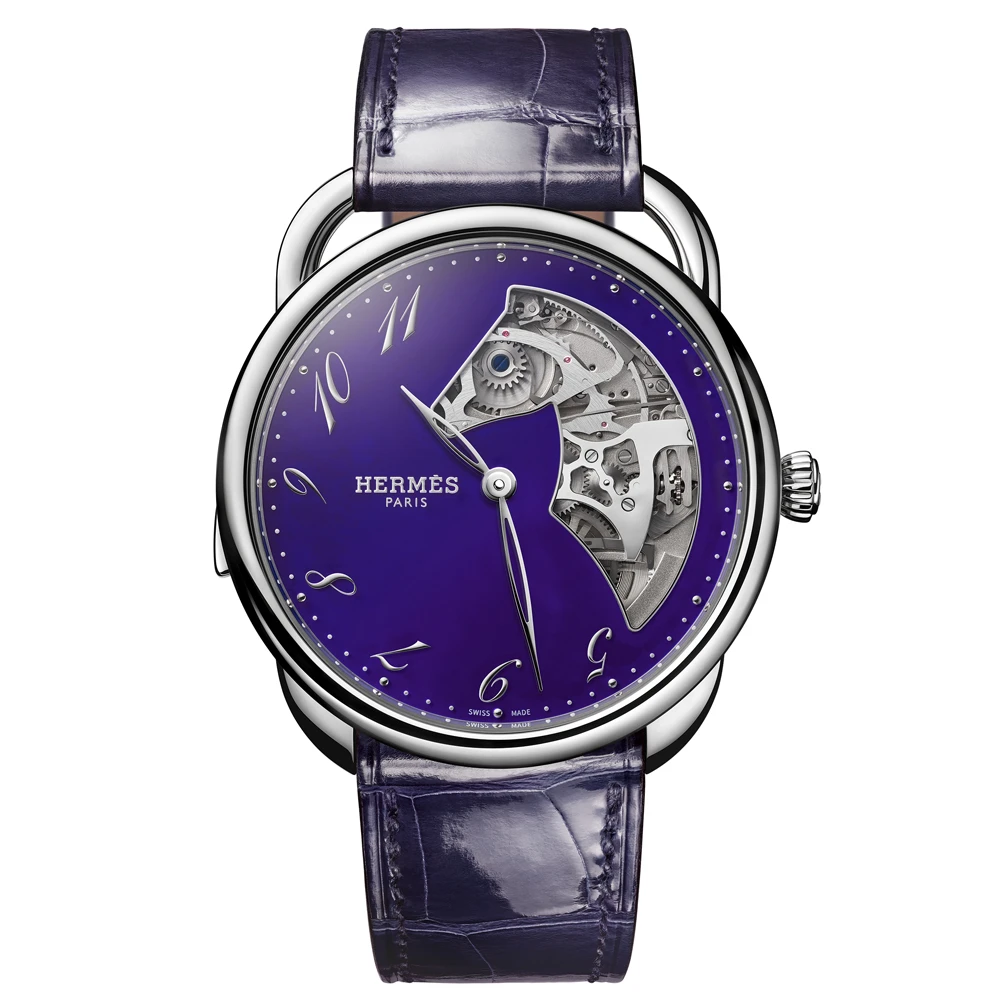
Image – Hermès Arceau Samarcande (copyright Joel Von Allmen)
The diamond-set references are endowed with bezels dressed with brilliant stones, while the dial aperture is fringed with smaller diamonds. Personally, I favour the blue dial variant which shuns diamonds without diminishing the model’s brilliance.
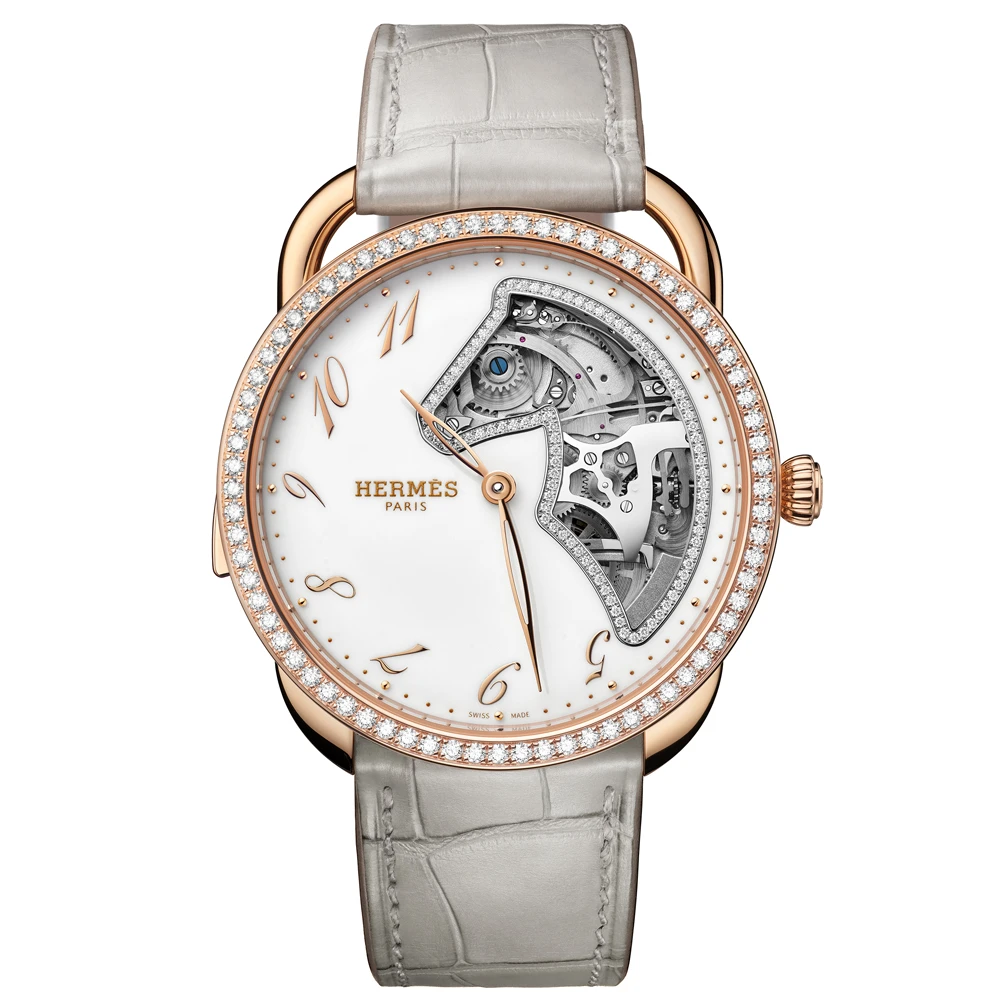
Image – Hermès Arceau Samarcande (copyright Joel Von Allmen)
By omitting the flying tourbillon found on the Arceau Lift Tourbillon Répétition Minutes, the dial of the new Samarcande appears cleaner and less cluttered. However, it still features the same horse-shaped window, granting sight of various movement components normally hidden from view.
Hermès Arceau Samarcande – case
Measuring 38 mm in diameter, the size of the Arceau Samarcande will suit the majority of wrists. Irrespective of the case selected, white or rose gold, the case acts as a foil, allowing the dial to ensnare the wearer’s gaze. However, look again at the case, set aside its softly spoken character for a moment and note its nuanced composition.
Subscribing to Henri d’Orginy’s design, the case features arcing lugs at the base of the dial. Rather than project far from the caseband, they are short, neat and sweep inwards. In contrast, the upper lugs resemble stirrups, straddling the air, conferring a sense of lightness. Despite employing two contrasting methods of connecting the strap to the watch head, the resultant arrangement proves harmonious and highly agreeable.
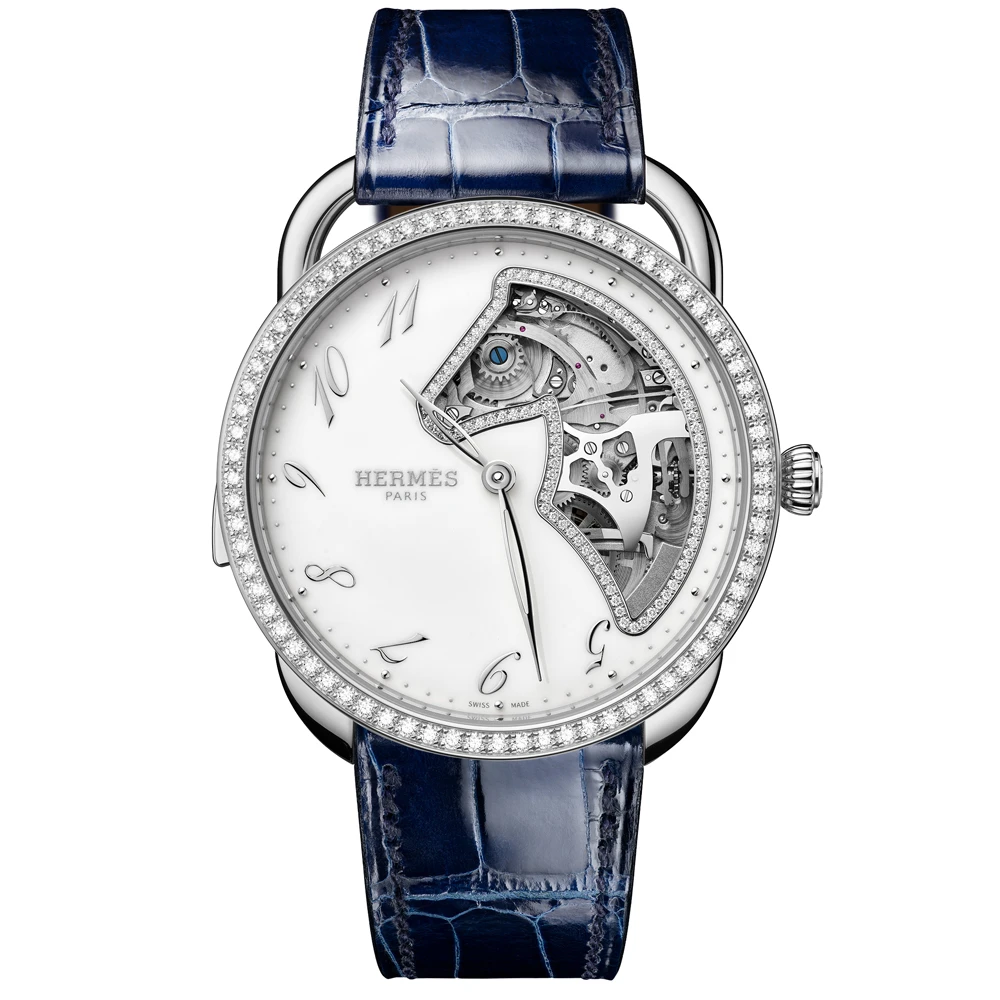
Image – Hermès Arceau Samarcande (copyright Joel Von Allmen)
The crown bears the letter ‘H’ on its vertical flank and is endowed with a fluted grip that resembles a flower head in bloom. The crown’s considered design not only proves attractive, but it also facilitates manipulation. Horophiles will recognise the slide gracing the left flank of the case, a discreet means of actuating the chiming sequence with a gentle push upwards.
An exhibition caseback grants sight of the automatic calibre powering the Hermès Arceau Samarcande, the Manufacture H1927 movement.
Hermès Manufacture H1927 movement
While the dial of the Arceau Samarcande shares a familial likeness with that of the Arceau Lift Tourbillon Répétition Minutes, its movement is very different. Indeed, the calibre H1927 is not an adaptation of the calibre H1924, merely with the tourbillon mechanism removed, but rather a wholly original, clean-sheet design.
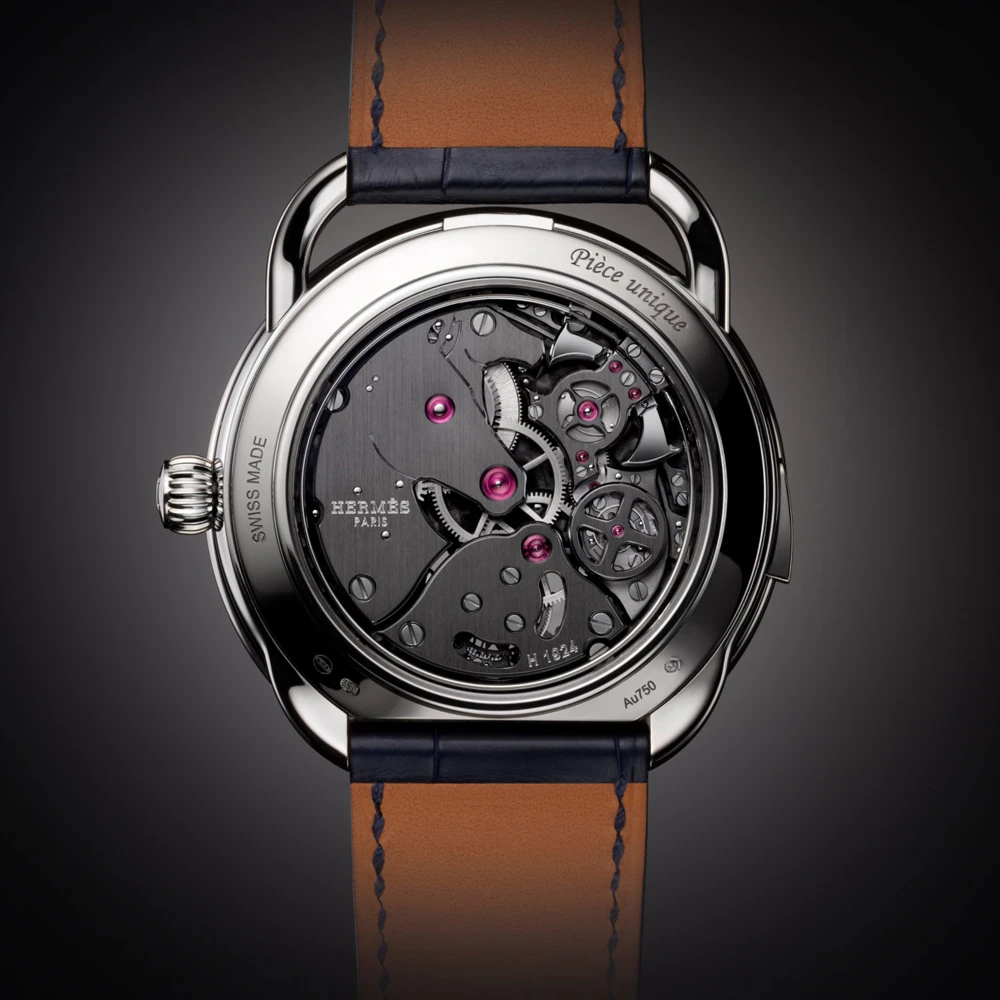
Above image – Calibre H1924 within the Hermès Arceau Lift Tourbillon Répétition Minutes (copyright Claude Joray)
The calibre H1927 measures 28 mm in diameter (2 mm less than the calibre H1924) and offers the added convenience of automatic winding (the calibre H1924 was handwound). Moreover, the architecture of the movement looks radically different, something that is evident in the pictures below.
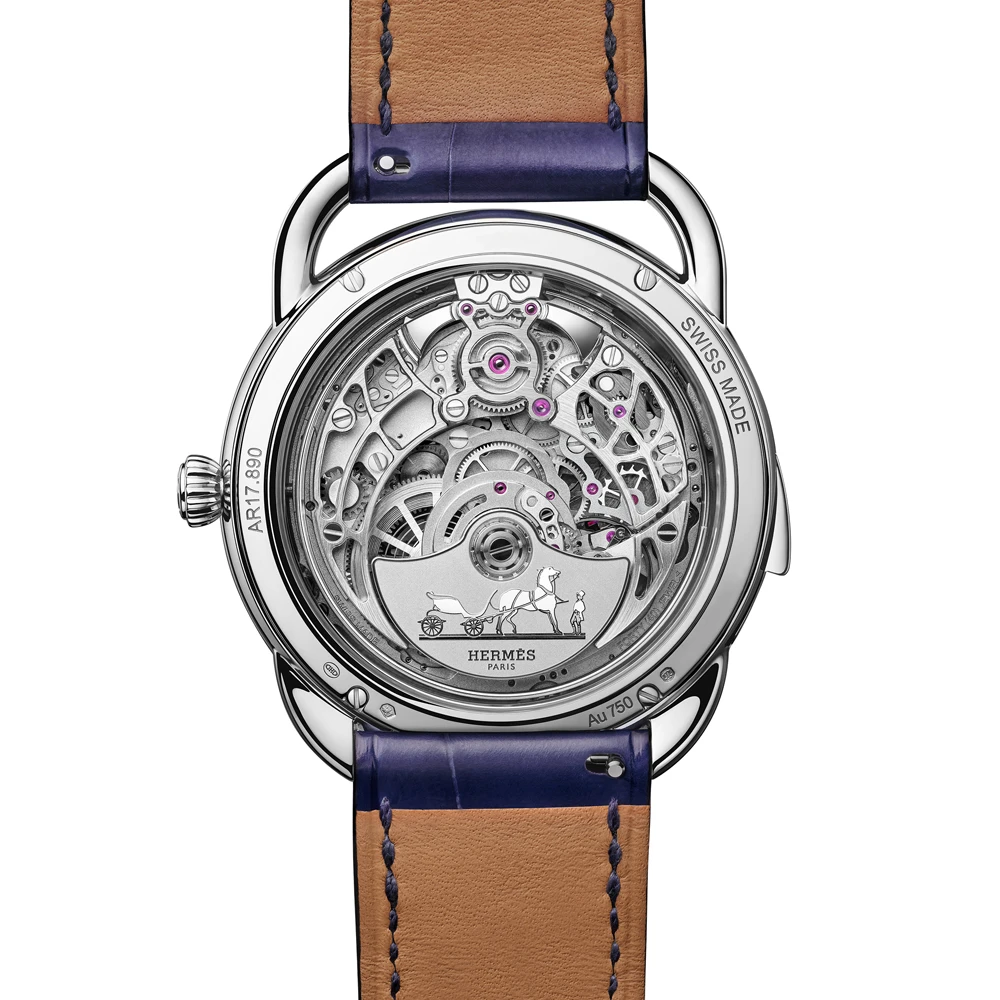
Above image – Calibre H1927 within the Hermès Arceau Samarcande (copyright Joel Von Allmen)
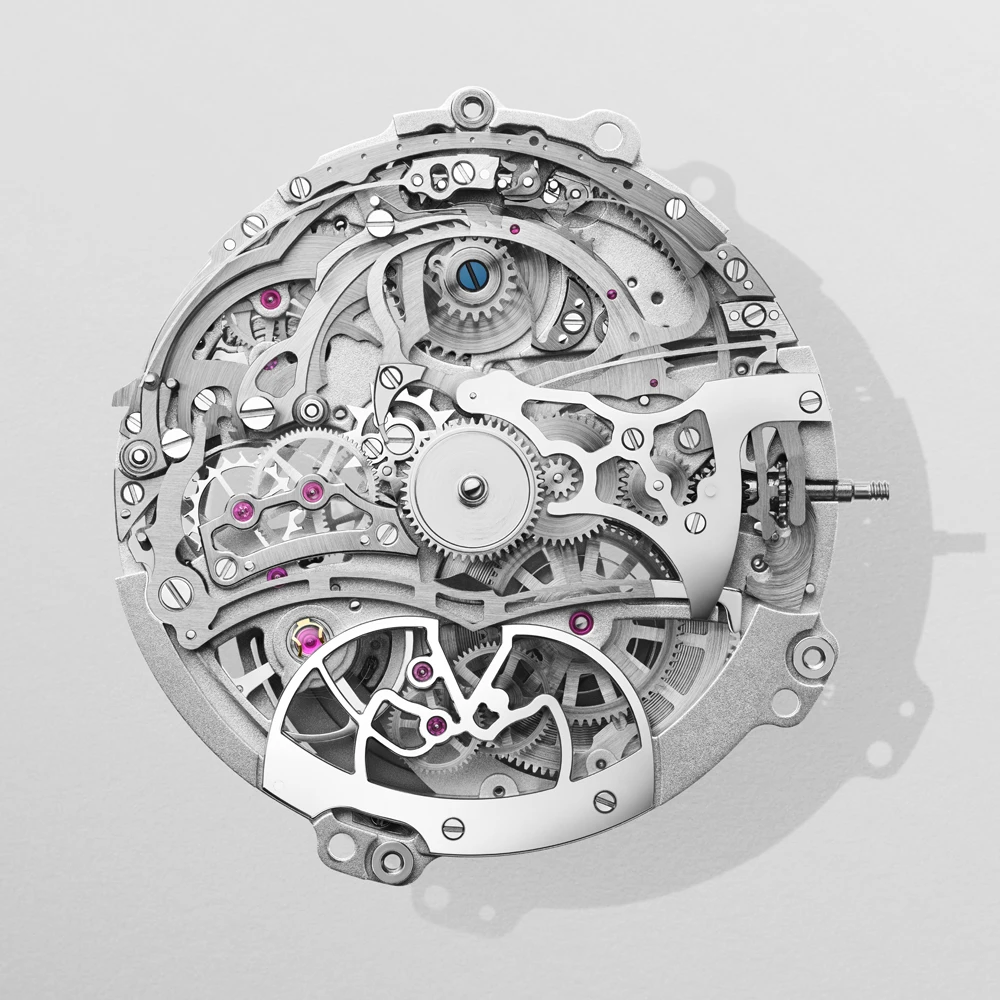
Above image – Calibre H1927 within the Hermès Arceau Samarcande (copyright Joel Von Allmen)
At this juncture, I think it is incumbent upon me to discuss minute repeaters in more detail.
Minute repeaters
The first minute repeaters are believed to have originated in Germany during the first half of the 18th century. Conceived in an era when street lighting was rare and Super-LumiNova wasn’t even a twinkle in its father’s eye, reading the dial of a pocket watch in dim light was near impossible. The minute repeater allowed the wearer to actuate a chiming sequence indicating the prevailing time aurally: hours (low note), quarters (low and high notes) and minutes (high note).
While simple to interpret, the chiming mechanism is incredibly complex to realise, necessitating the skills of the most able master watchmaker.
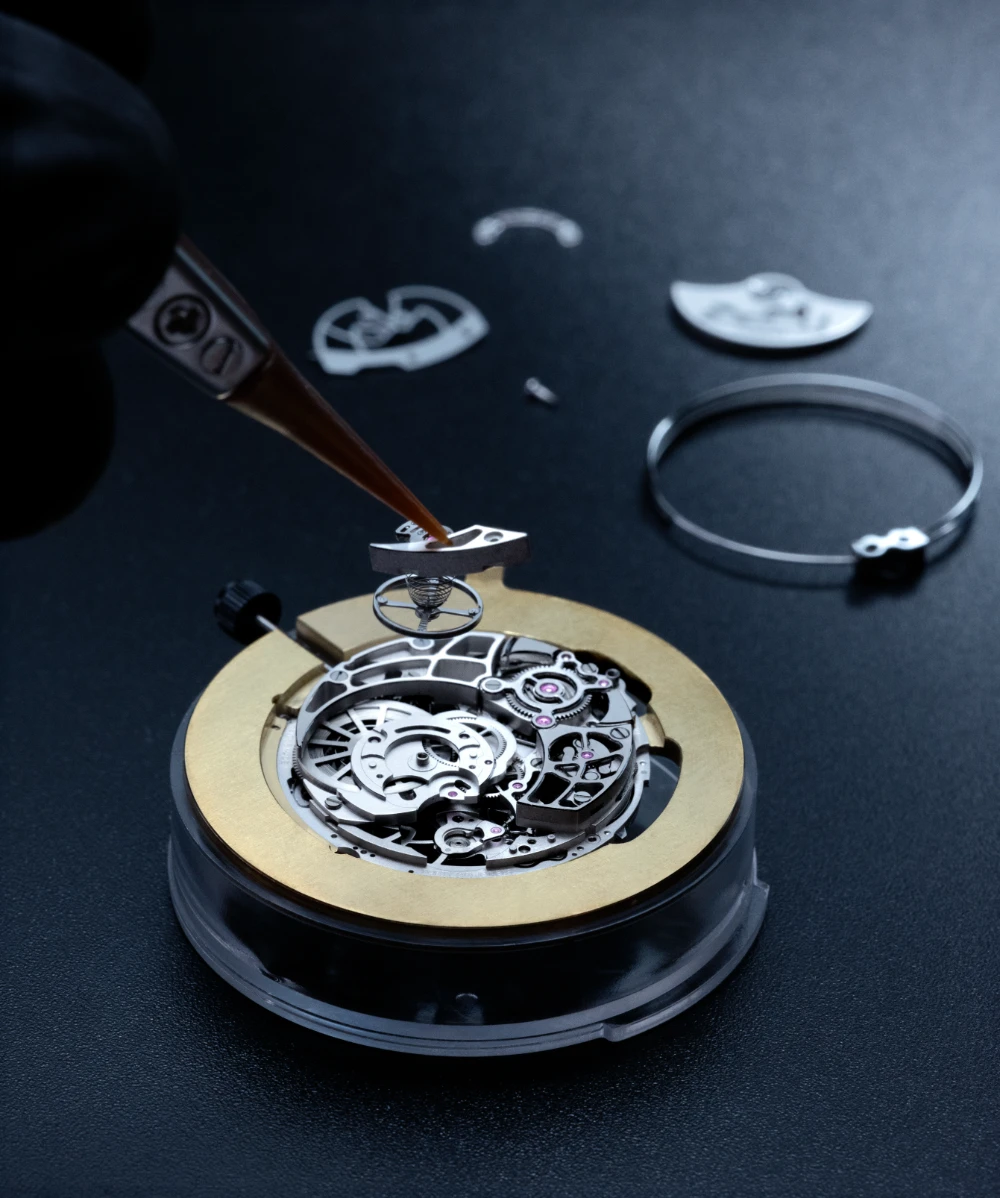
Image – Calibre H1927 within the Hermès Arceau Samarcande (copyright Team Whaaat)
A ‘regular’ minute repeater features two gongs encircling the movement. These are formed of steel wire that is shaped before being repeatedly heated and quenched. Eventually, the gongs are carefully filed to achieve the desired sound. They are spaced apart and affixed to the case or mainplate with a ‘heel’. The creation of the gongs takes an inordinate amount of time. They are struck with hammers, the size and shape of which usually differ ever so slightly.
Typically, in the elevated world of Haute Horlogerie, the hammers are ‘black polished’ on a tin plate, smeared with a fine grain paste. After expending much time and skill, the surfaces are imbued with a brilliant mirror-like appearance.
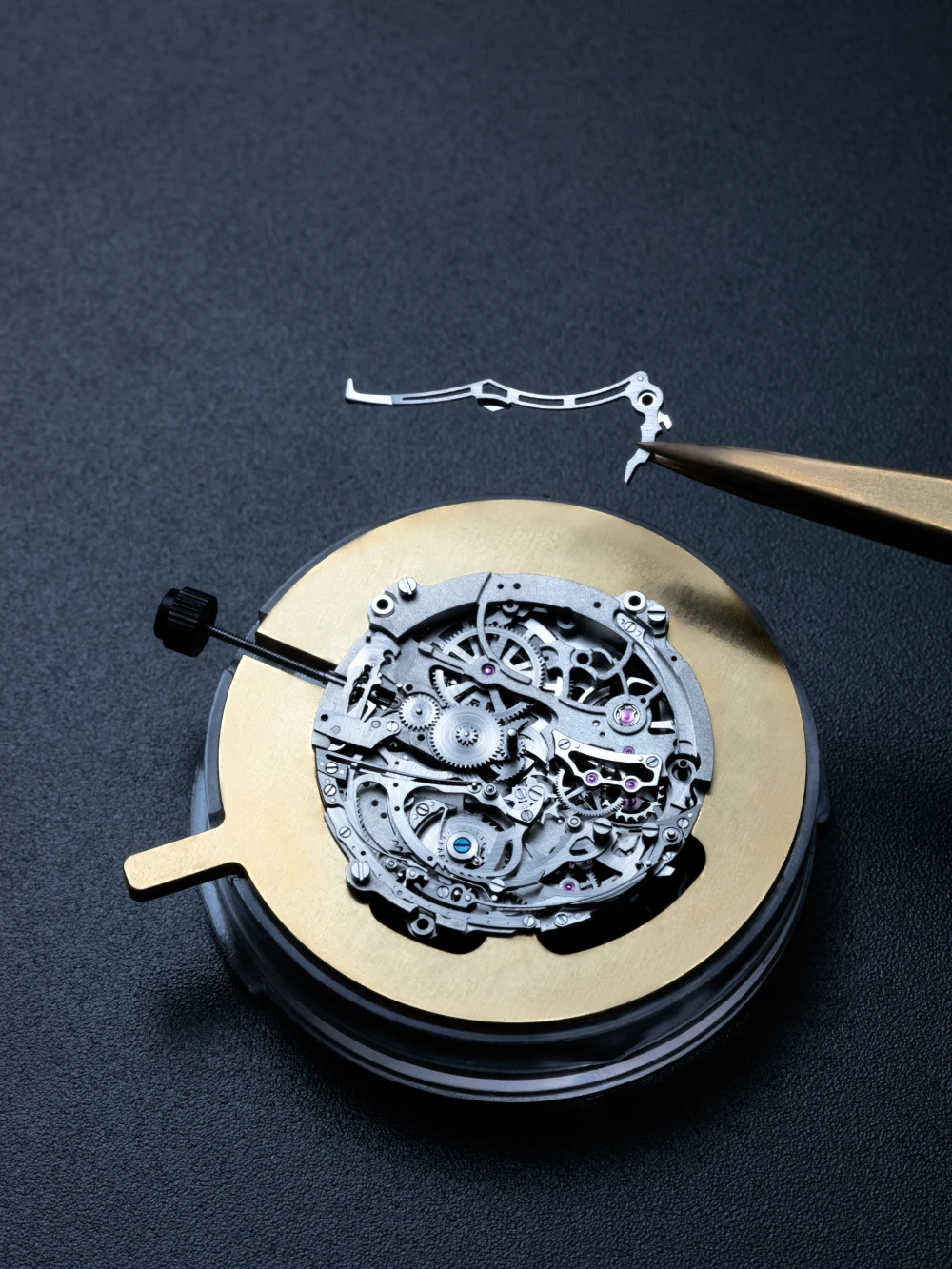
Image – Calibre H1927 within the Hermès Arceau Samarcande (copyright Team Whaaat)
Three semi-circular cams, aka ‘snails’, comprising one for hours, a second for quarters and a third for minutes, are connected to the motion works (canon pinion, minute wheel and hour wheel). The snails continuously read the time and, once the chiming sequence is actuated, they engage with a series of racks and wheels informing the hammers how many times to strike. The interior of the case is designed to accentuate the sound, conferring a rich tone with sufficient volume.
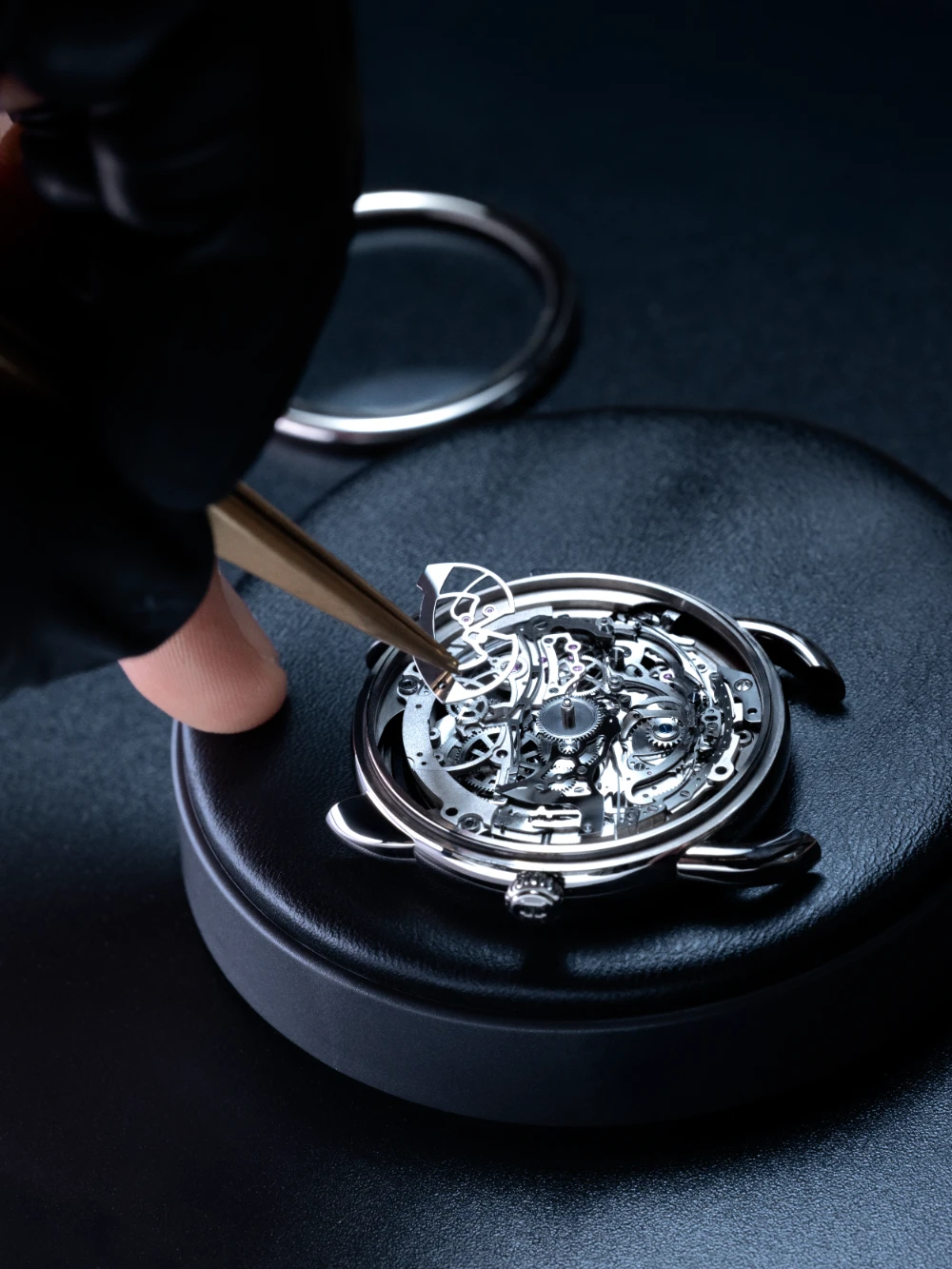
Image – Calibre H1927 within the Hermès Arceau Samarcande (copyright Team Whaaat)
The creation of movement components, assembly, fine-tuning and regulation is protracted and, by default, expensive. There are no mass-produced alternatives, hence this coveted complication remains the preserve of Haute Horlogerie.
Hermès Manufacture H1927 – specific details regarding the minute repeater
Unlike most minute repeaters, Hermès has added an extra layer of complexity to its movement. Rather than have two gongs and two hammers, the Arceau Samarcande features three gongs and three hammers. When viewed through the exhibition caseback, one gong is positioned to the right as shown below (hours), while two hammers are positioned to the left, one superimposed above the other (quarters and minutes). When chiming the quarters, the striking sequence is performed in the following order: lower hammer (left), upper hammer (left) and finally, the right hammer. Eventually, the minutes are sounded with the upper hammer (left) in isolation.
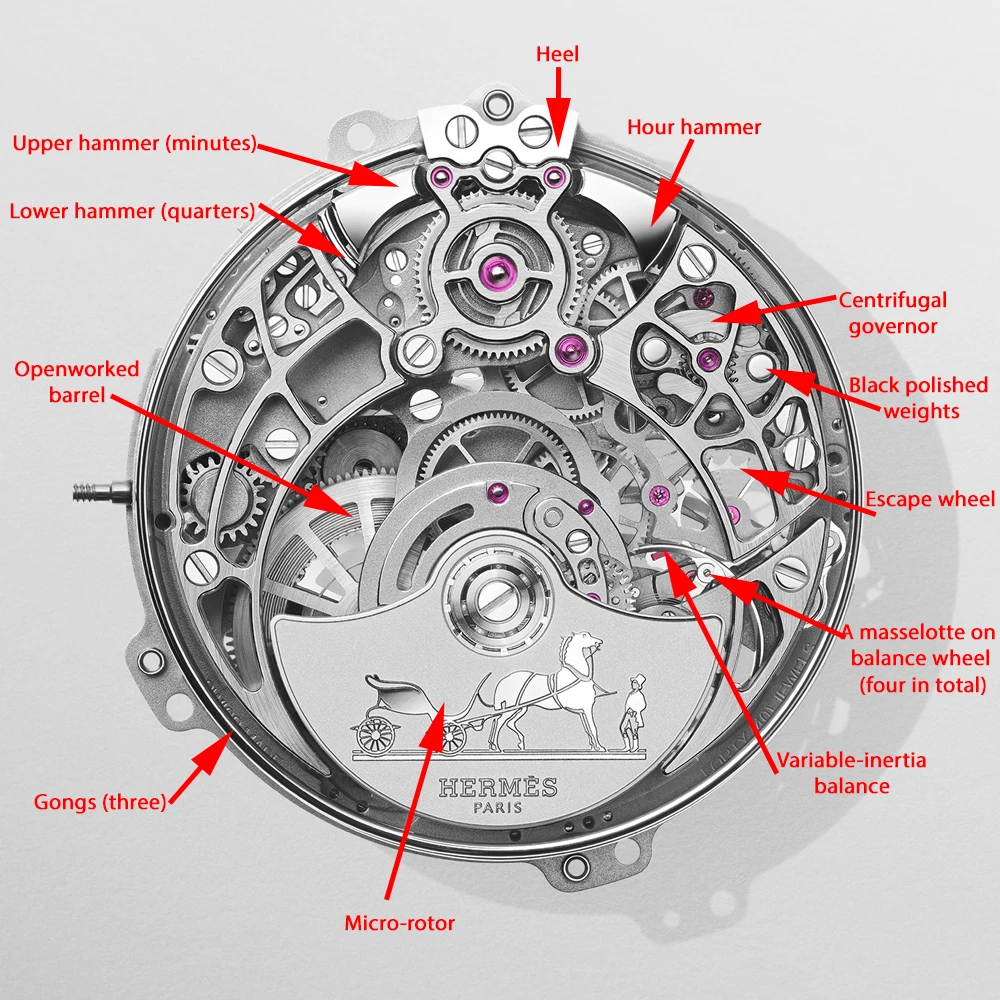
Image – Calibre H1927 within the Hermès Arceau Samarcande (copyright Joel Von Allmen). Labels added by ESCAPEMENT
Hermès Manufacture H1927 – other highlights
As stated earlier, the calibre H1927 is self-winding. Rather than employ a full-size oscillating mass, Hermès has opted to use a micro-rotor to harness energy from the natural motion of the wearer’s wrist. While a conventional rotor sits above the movement bridges, a micro-rotor resides within a recess, thereby mitigating overall thickness. Furthermore, with nothing to obstruct the view, the wearer is able to see more of the finely decorated movement. A technical obstacle that many watch brands encounter when developing a micro-rotor movement is creating sufficient inertia capable of tensioning the mainspring; however, rest assured, Hermès belongs to an elite group of companies that have surmounted this technical challenge.
The movement is equipped with a variable-inertia balance. This means of regulating the movement is far superior to the customary index-adjusted balance. It offers better precision and if the watch is subjected to a minor shock, it is less likely to require remedial regulation. A further refinement found on the balance of this model relates to the inertia weights (masselottes), used to adjust the rate, which are positioned inboard on the spokes of the balance wheel, mitigating air turbulence, thereby enhancing isochronism.
Lastly, the movement decoration is of the highest order. The openworked bridges are grained, endued with glorious anglage and punctuated with mirror-polished screws. The platinum micro-rotor bears the brand’s ‘Duc Carriage’ emblem, while black polish makes a return, gracing the heel and the weights set within the centrifugal governor.
Closing remarks
At Watches & Wonders 2026, there were many ‘novelties’ on display; however, minute repeaters, as you would expect, were comparatively few in number. The so-called ‘Holy Trinity’ of watchmaking put their best foot forward, unveiling various high complications, and they were joined by an exclusive group of Haute Horlogerie brands, including Hermès, which also presented many mouthwatering high complication pieces. However, the Arceau Samarcande stood out, not just for its highly original appearance but also because of its three-gong chorus, performing on demand.
Keen to remain dispassionately objective at all times, I usually endeavour to mask my fondness for the model I am writing about; however, with the Hermès Arceau Samarcande, I freely admit that I have failed. Indeed, I am smitten with this horological thoroughbred; a striking beauty with an impressive pedigree.
Further reading
Technical specifications
- Model: Hermès Arceau Samarcande
- Reference: W408546WW00 (white gold case)
- Reference: W408588WW00 (diamond-set white gold case)
- Reference: W408564WW00 (diamond-set rose gold case)
- Case: diameter 38 mm, water resistance 3 ATM (30 metres), sapphire crystal to front, exhibition case back.
- Functions: hours, minutes, minute repeater
- Calibre: Manufacture H1927 movement, self-winding movement, frequency 21,600 vph (3 Hz), 26 jewels, power reserve 40 hours, 339 components
- Strap: colour-coordinating alligator strap paired with a gold pin buckle (matching the case).
- Prices from £245,000 (RRP as of 28.5.2026)