
L’Ermita, Alvaro Palacios, Priorat DOQ
Philip Day discusses L’Ermita, Álvaro Palacios, Priorat DOQ. These Spanish wines are held in high esteem, attracting international cult status with pricing to match.

If you were to ask anyone connected with wine who embodies the promise and spirit of ‘The New Spain’, there are two possible answers: Peter Sisseck or Álvaro Palacios as both Palacios’ ‘L’Ermita’ along with Sisseck’s ‘Dominio de Pingus’ are widely regarded to be the two most important Spanish wines of the modern era, that have won their producers international cult status with a price tag to match. Together with Telmo Rodriguez, who has revived the status of wines made from predominantly regional varietal grapes, all three are often cited to be the vanguard of the ‘new generation’ of Spanish winemakers.
History
Álvaro Palacios has wine running through his veins, coming from a prestigious Rioja winemaking family. He could have obtained for himself a prime position in the family winery, the world famous Palacios Remondo. However, as one of nine siblings, he prudently decided to go out in the wine world and make his own way, focusing on rediscovering abandoned vineyards in other historically great wine-growing regions. He studied oenology in Bordeaux and had the enviable job of working under the supervision of Jean-Pierre Moueix, the Pomerol superstar Château Pétrus winemaker, an experience he credits for much of his personal winemaking philosophy, as well as his appreciation of the importance of great wines. On his return from Bordeaux, in 1989 he travelled to the Mediterranean wine region of Priorat, south of Barcelona in Tarragona, a region at that time not well known for its wines, where he founded his own winery. It was not long before L’Ermita and a handful of other wines were able to demonstrate the fabulous quality of which Priorat was capable.

Although wine had been produced in the region for many decades, with many of the vineyards tended by Carthusian monks, Priorat had been one of Spain’s important pre-Phylloxera wine regions but the steep hills and terraces and rocky terrain generally made it difficult to cultivate vines profitably, and consequently many vineyards were being abandoned.
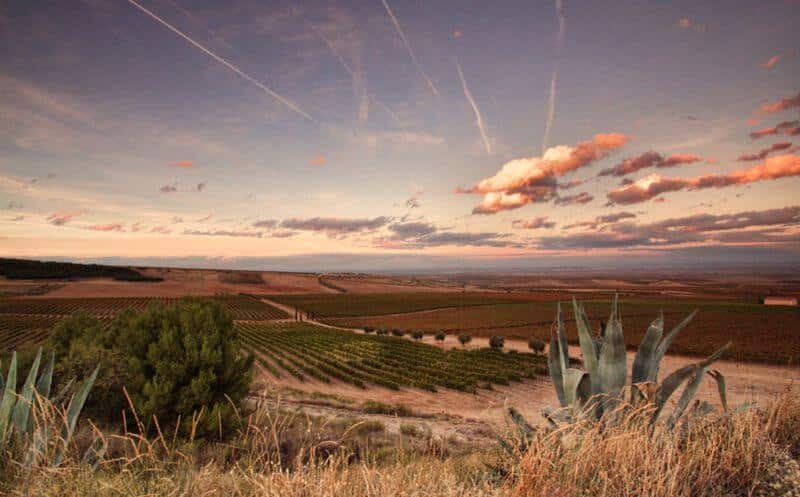
Image – © LA MONTESA
It took the vision of a handful of winemakers in the late 1980s to recognise the extraordinary potential of the region. Álvaro believed he could make wines that rivalled the best of Europe by exploiting its unique terroir.
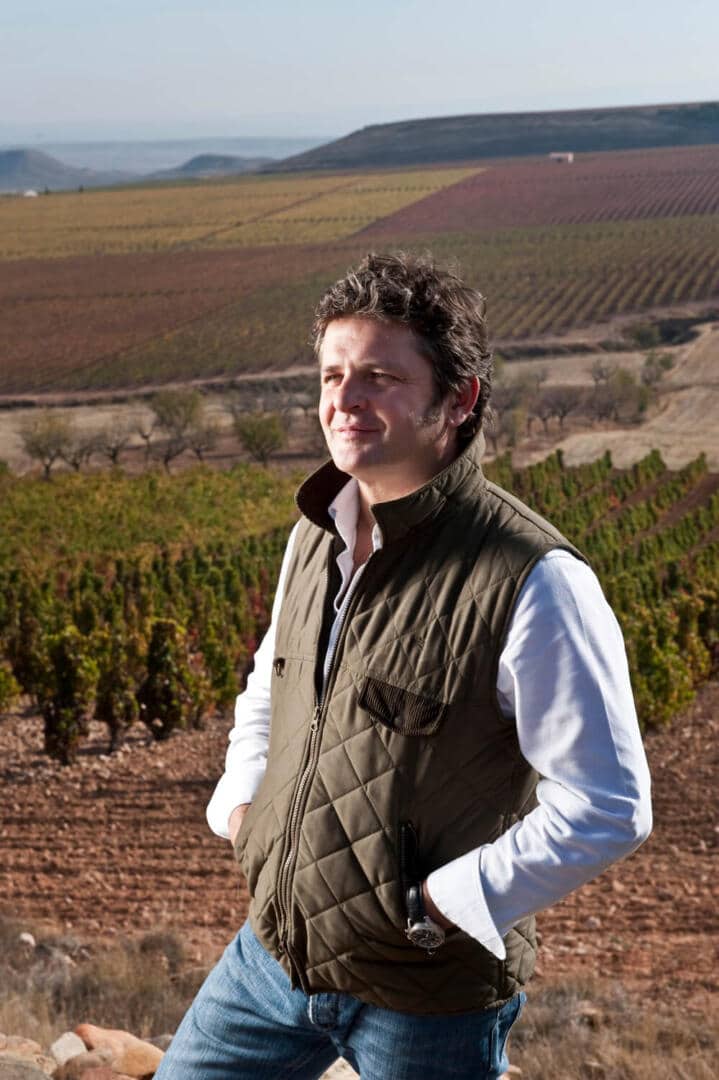
By 1989 the area under vine had dwindled to 600 hectares and appeared to be in terminal decline. Together with respected winemaker René Barbier and a few other pioneers, including José Luis Pérez and Daphne Glorian, they embarked on the ‘Gratallops Project’, named after the scenic Priorat village where the wines are made.

The group bought the vineyards together and shared vinification facilities until they were able to set up their own estates.
Álvaro acquired his first vineyard, Finca Dofí, in 1990 and soon began producing exceptional wines there. Then, in 1993, he acquired what is now regarded as the crown jewel property in Priorat, a precipitous, northeast-facing Garnatxa (Garnacha/Grenache) vineyard on well-drained schist that had been planted at various stages between 1900 and 1940. He named it L’Ermita for a small chapel, or hermitage, located at the top of the hill.
When he set out on his personal mission to make a wine somewhere in between Château Pétrus and Penfold’s Grange, he knew he had set himself a tough challenge. In 1995, the stream of critical praise for Álvaro’s L’Ermita began, and it hasn’t stopped since, as he continues to achieve phenomenal praise for all three of his wines: Finca Dofí, L’Ermita and Les Terrasses.
| Appellation | Priorat DOQ (DOCa)
|
| Owner | Álvaro Palacios
|
| Planted acreage | Total: (vineyard) 41.51 hectares (L’Ermita) 4.5 hectares (11 acres) of which 1.7 hectares (4.2 acres) are 70-100 years old. |
| Grape varieties | Garnatxa (Garnacha/Grenache), Samsó (Cariñena/ Carignan), Garnacha Blanca y Macabeo. |
| Wines produced |
|
| Terroir | Shale schist (known locally as llicorella)
|
| Production | (L’Ermita) Around 600 – 2,000 bottles annually.
|
| Top Vintages Produced | 1994, 1995, 1998, 2000, 2001, 2004, 2005, 2008, 2010, 2012, 2013. |
Viticulture
The most important natural component of Priorat is a very particular sort of decomposing shale schist, called ‘llicorella’ locally, a relatively soft rock which has the great property of being both cool and damp enough to nourish deep-rooted vines in the particularly dry, Mediterranean summers.
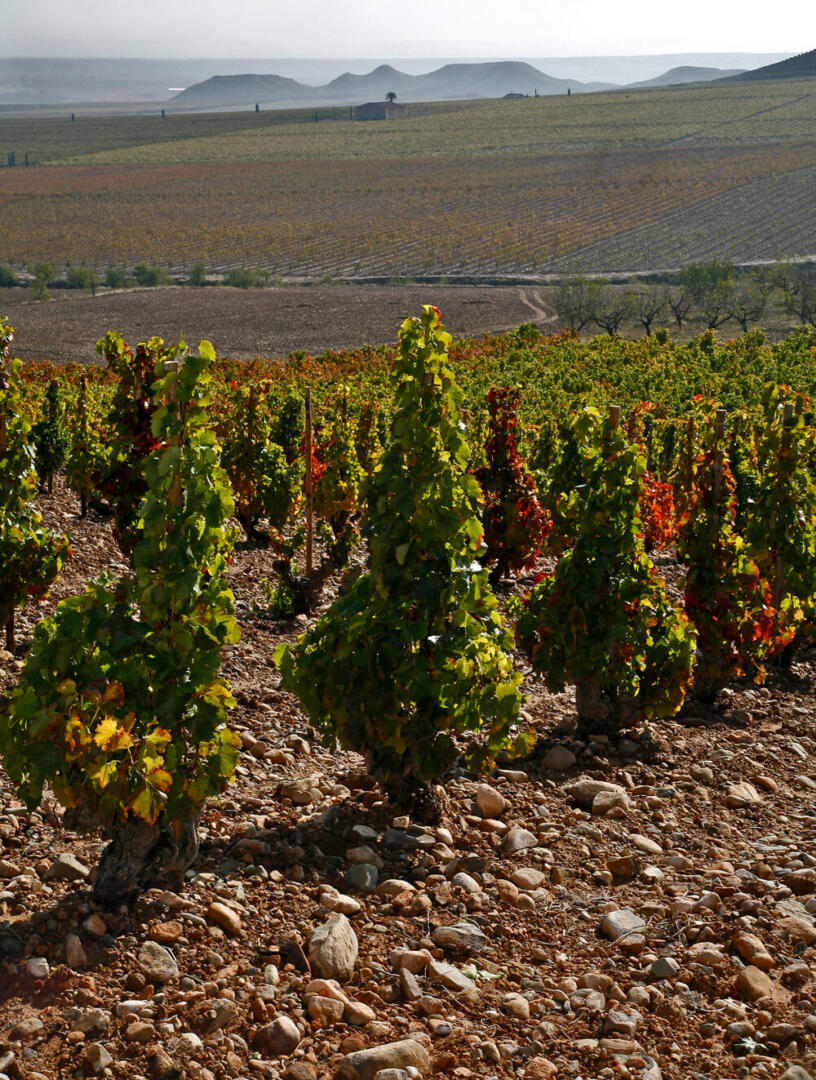
Image – © LA MONTESA
The best vineyards, renowned for the quality of their fruit tend to grow on infertile hillsides that face north and east at middle altitudes of around 500m, thus avoiding the burning rays of the sun, whilst at the same time catching breezes from the Mediterranean. Higher than this the soils contain insufficient schist material; while lower down the soils are too fertile and warm for making wines of sophistication. L’Ermita, comes from incredibly low-yielding century-old Garnatxa (Garnacha/Grenache) bush vines on a 60 degree slope of llicorella.
Growing in open-sited, alkaline soils, the old Garnatxa vines typically trained ‘en parra’ (trellis) benefit from a Mediterranean climate with exposure to 4,400 hours of sun per annum; an average yearly rainfall of 467.88mm and their close proximity to the sea, provides a freshness from sea breezes in the height of summer.
Gratallops is situated right in the central part of the DOQ Priorat. The municipality is bounded by the river Siurana to the south and the river Montsant to the west, both of which converge in the south-western end of the municipality. The slopes of the southern half of the municipality are among the most gentle of the area, which makes it one of the most cultivated of the whole DOQ. From a distance, the village looks like a crown of houses nestling on the top of the small hill where it is situated. The silhouette of the village is recognisable from afar, being one of the emblematic skylines of the Priorat.
When originally replanting some parts of the vineyard, Álvaro intoduced some French varietals but since then he considered this a mistake and has undertaken a programme of re-engineering his plantings to eradicate the interlopers in favour of indigenous Garnatxa clones, largely taken from the L’Ermita vineyard. To use Álvaro’s own words referring to Priorat wines, “the music, the poetry, finesse and vibrancy is in the Garnacha”.
Both his ‘Finca Dofí’ and ‘L’Ermita’ vineyards are farmed organically. The grapes are collected by hand and are all bottled without filtration after being aged in French oak ‘barriques’.
Álvaro’s Priorat wines fully denote the spectrum of tastes the region has to offer in a hierarchy commencing with two regional wines: ‘Camins del Priorat’ and ‘Les Terrasses’. This is followed by the first (of nine) of the recently legalised village-level Priorats: ‘Vi de Gratallops’, the village where the winery is located. Finally at the apex of the hierarchy are the two single vineyard wines: ‘Finca Dofí’ and ‘L’Ermita’.
‘Camins del Priorat’ is Álvaro’s relatively new entry level release -a regional wine, made of grapes taken from younger vines to be found below the hilltop extremes and all throughout the hills and valleys growing along the ‘Camins’ or pathways of Priorat, after which it was named. Typically, these wines are 50% Garnatxa, 15% Samsó, 20% Cabernet Sauvignon, 10% Syrah, 5% Merlot.
‘Les Terrasses’, is also a regional wine but differs in that the grapes used in its production are taken from old mountain bush vines grown on the llicorella soils of the ‘cims’ or hilltops around the rim of Priorat’s high country. Typically, these wines are composed of 55% Garnatxa and 45% Samsó.
‘Vi de Gratallops’ one of the recently legalised ‘Vins de Vila’ or village-level Priorats The wine is produced from fruit sourced from Álvaro’s various holdings in-and-around the village of Gratallops and importantly includes grapes from his two single-vineyard wines, ‘Finca Dofí’ and ‘L’Ermita’. The proportions of the wine’s composition is approximately one third each of Garnatxa, Samsó and Cabernet Sauvignon.
‘Finca Dofí’ a single-vineyard wine, originally composed of 55% Garnatxa with the rest Samsó and French varieties, since 2008 ‘Finca Dofí’ has gradually increased the percentage of Garnatxa from vines cloned from ‘L’Ermita and other old vines from Priorat. Root stock is typically 95.5%.
‘L’Ermita’ is essentially a pure Priorat (no Cabernet has been used in the wine since 2005). There’s a bit of Samsó and a tiny bit of permitted white varietals – a mixture of Pedro Ximénez, Macabeu (Macabeo). This expression of Priorat really is for lovers of delicacy, poise and refinement.
|
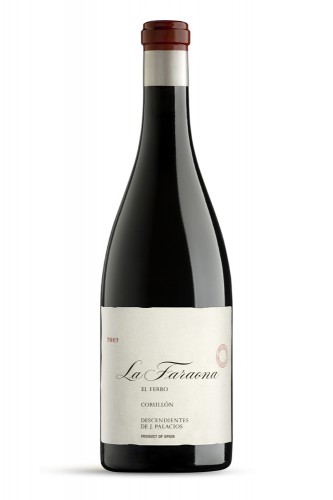
La Faraona 2012 |
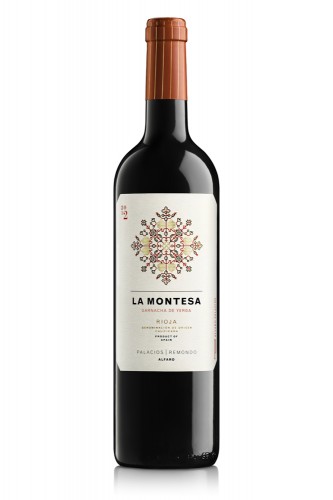
La Montesa 2012 |
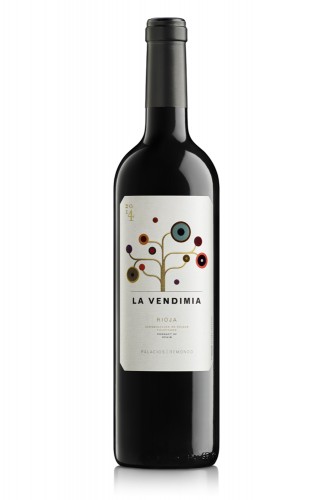
La Vendimia 2012 |
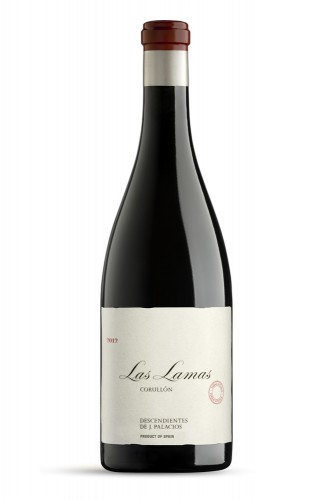
Las Lamas 2012 |
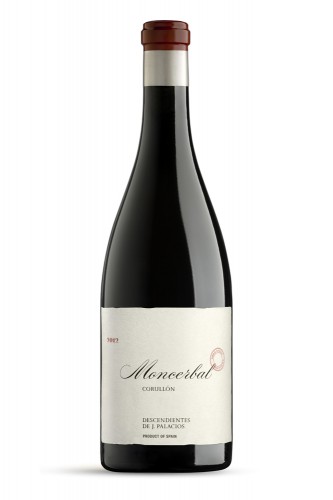
Moncerbal 2012 |
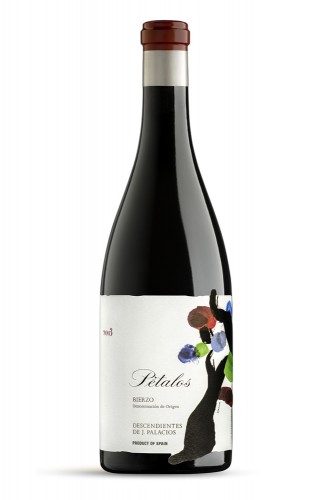
Palacios Bierzo Petalos 2013 |
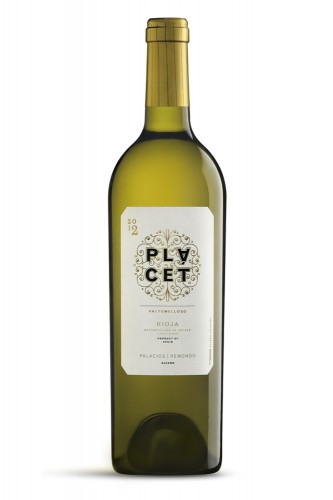
Placet 2012 |
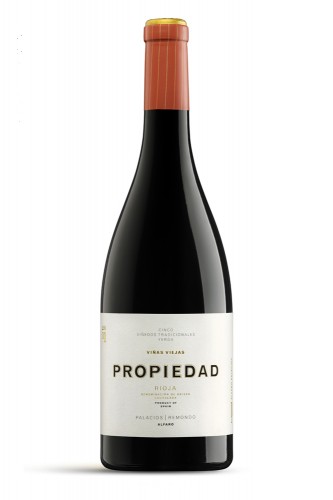
Propriedad 2011 |
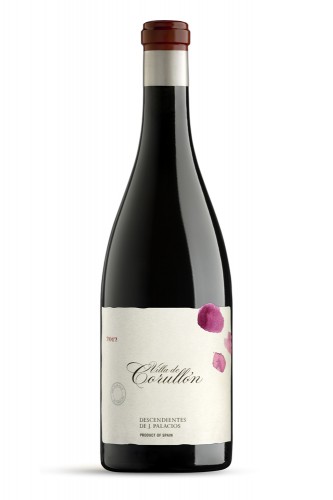
Villa de Corulln 2012 |
L’Ermita in the news
- July 2015 Álvaro Palacios is set to release a ‘sale in advance’ Rioja in 2015 called ‘Valmira’. The wine is made from 100% Garnacha grown in a three-hectare single vineyard of the same name at Palacios’ family estate in the village of Alfaro in Rioja Baja.
- March 2014 Palacios related to The Drinks Business, ‘The 2013 harvest was one third of its usual size as the berries had trouble setting and the grapes were very late to ripen, so the harvest was delayed.’ Although the 2013 wasn’t an easy vintage to harvest, with the small amount of grapes that were used, Palacios believes he’s created his most concentrated L’Ermita to date. With just 760 bottles of L’Ermita produced in 2013, it is currently being offered ‘en primeur’, while the retail price is expected to be well over £1,000 a bottle.
- March 2015 Respected British wine magazine ‘Decanter’ awarded Álvaro Palacios the Man of the Year title for 2015, credited him with putting Spain on the fine wine map, having transforming the fortunes of both Priorat and Bierzo and who is currently directing his focus on Rioja Baja.
Contact details
Address: Polígono Industrial 6, Parcela 26, 43737 Gratallops, Tarragona, Spain
T: +34 977 839 195
F: +34 977 839 197
E: info@alvaropalacios.com
References
- https://www.doqpriorat.org/
- https://www.cellartours.com/spain/spanish-wineries/alvaro-palacios-winery.html
- https://www.rarewineco.com/producer/alvaro-palacios/
- https://www.bbr.com/products-26574-2013-l-ermita-alvaro-palacios-priorat
- https://www.thespanishacquisition.com/downloads/alvaro-palacios-1309.pdf
- https://www.jancisrobinson.com/articles/priorat-worth-the-money
- https://www.wine-searcher.com/wine-14679-0001-alvaro-palacios-l-ermita-velles-vinyes-priorat-doca-spain
- https://www.thedrinksbusiness.com/2014/03/palacios-to-release-game-changing-rioja/
- Johnson H & Robinson J (2013) The World Atlas of Wine 7th Edition, Octopus Publishing Group Ltd., London
- Johnson H, (2014) Hugh Johnson’s Pocket Wine Book, 2015, Octopus Publishing Group Ltd., London
- Clarke O, (2014) Pocket Wine Book 2015, Pavilion, London.
About the author
Philip Day is an early-retired academic in linguistics who has published many articles.
A North-Midlander (The Potteries) by birth, he currently lives close to the Lancashire Pennines which he regularly explores with his Patterdale terrier, Max.
In particular he has a keen interest in European fine wines and good food and will be contributing further articles in the future for Escapementmagazine.com.