
Michel Parmigiani – the horological artist (in-depth feature)
Michel Parmigiani is an exceptional master watchmaker and timepiece restorer. However, as Angus Davies explains, his sensitivity to artisanal techniques, unwavering quest for longevity and near-obsessive adherence to the Golden Ratio distinguish him as extraordinary and a horological artist par excellence.

Image – Fleurier and the surrounding area
Horological art
Art can take many forms, including drawing, painting, sculpture, etc. Some artists choose to travel in their quest for creative stimuli. Indeed, new surroundings, whether natural or man-made, have stirred souls and prompted many aspiring masters to depict scenes on canvas with the skilful application of brush and oils. However, there are some artists who have found beauty and inspiration within their immediate surroundings. For example, Giovanni Antonio Canal, also known as Canaletto, was born in Venice and spent his career capturing the beauty of the city’s architectural splendour, including its cobbled alleys and maze of canals.
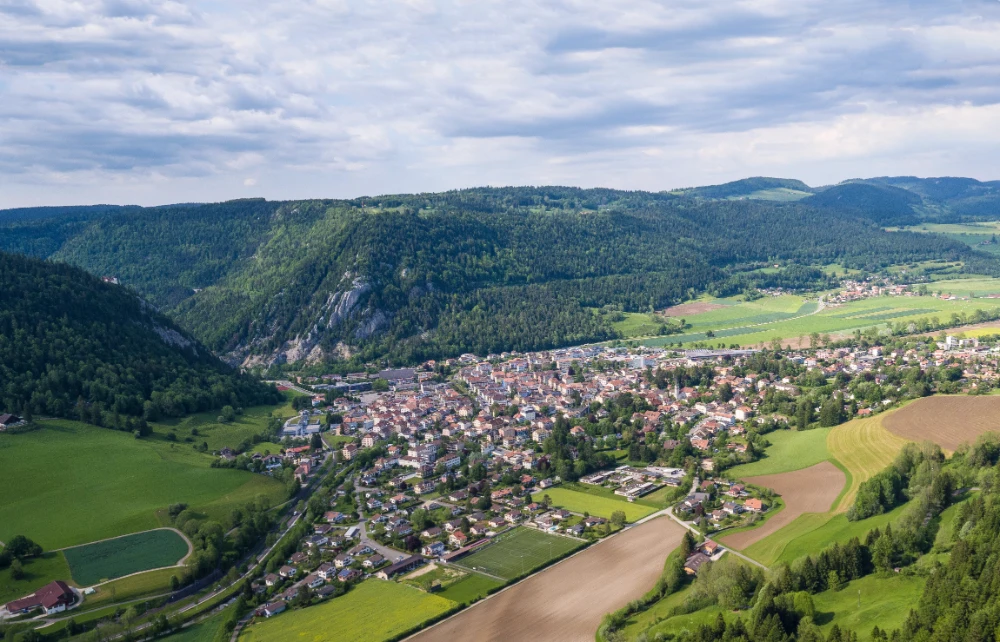
Image – Fleurier and the surrounding area
Michel Parmigiani, a watchmaker and timepiece restorer, is an artist who is rooted in the place he has always referred to as ‘home’; a location that has been a constant companion throughout his professional journey. Born in 1950, Michel Parmigiani is a son of Couvet, a Swiss village located in the Val-de-Travers region. A picture-perfect scene of verdant valleys framed with tall, coniferous trees, the village is just 15 km from the French border. Parmigiani’s talents surpass those skills of a Master watchmaker or a timepiece restorer. He is a horological artist blessed with a rare talent, deserving of your attention. Allow me to elaborate.
Michel Parmigiani – artistic influences
The Val-de-Travers region has always nourished Parmigiani’s creativity as a horological artist. From an early age, he was fascinated by watchmaking and architecture. Indeed, this latter discipline has influenced the styling of his PF-branded watches (see later) over the years. For example, Michel has conceived watches featuring cases inspired by Doric columns. His oeuvre includes several timepieces designed with due thought to the ‘golden ratio’, sometimes termed the ‘divine proportion’. Moreover, Parmigiani has not only shown consideration for proportions, but has repeatedly demonstrated a sensitivity to lines, curves, shapes and textures.
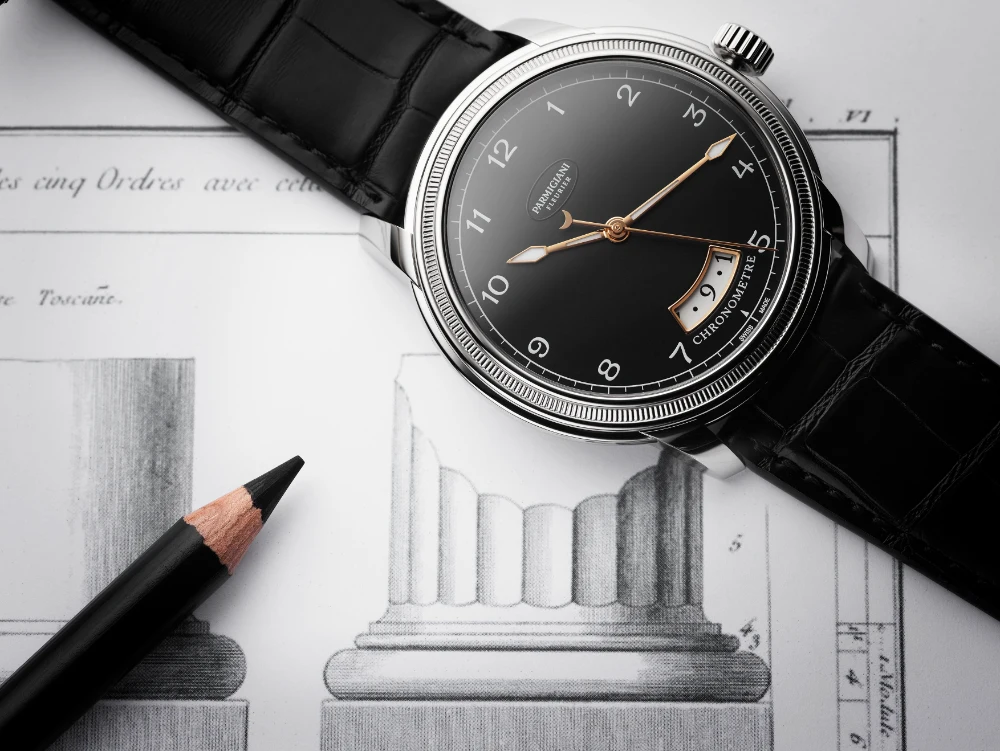
Image – Toric Chronometre (2017) with Doric columns
Michel Parmigiani – the early years
Michel Parmigiani initially studied at the Val-de-Travers School of Watchmaking before subsequently attending the Technicum in La Chaux-de-Fonds. It was during his time at this latter place of learning that he developed an interest in timepiece restoration, an area of expertise he has continued to hone throughout his professional career.
Michel Parmigiani – timepiece restoration
Widely considered the leading expert in timepiece restoration, Michel Parmigiani has worked on priceless automata, clocks, pocket watches and wristwatches. At this point, I must point out that ‘restoration’ is not the same as refurbishment, renovation or repair. The objective of restoration is to return an object to its original condition while preserving its authenticity and, where possible, ensuring everything remains period correct.
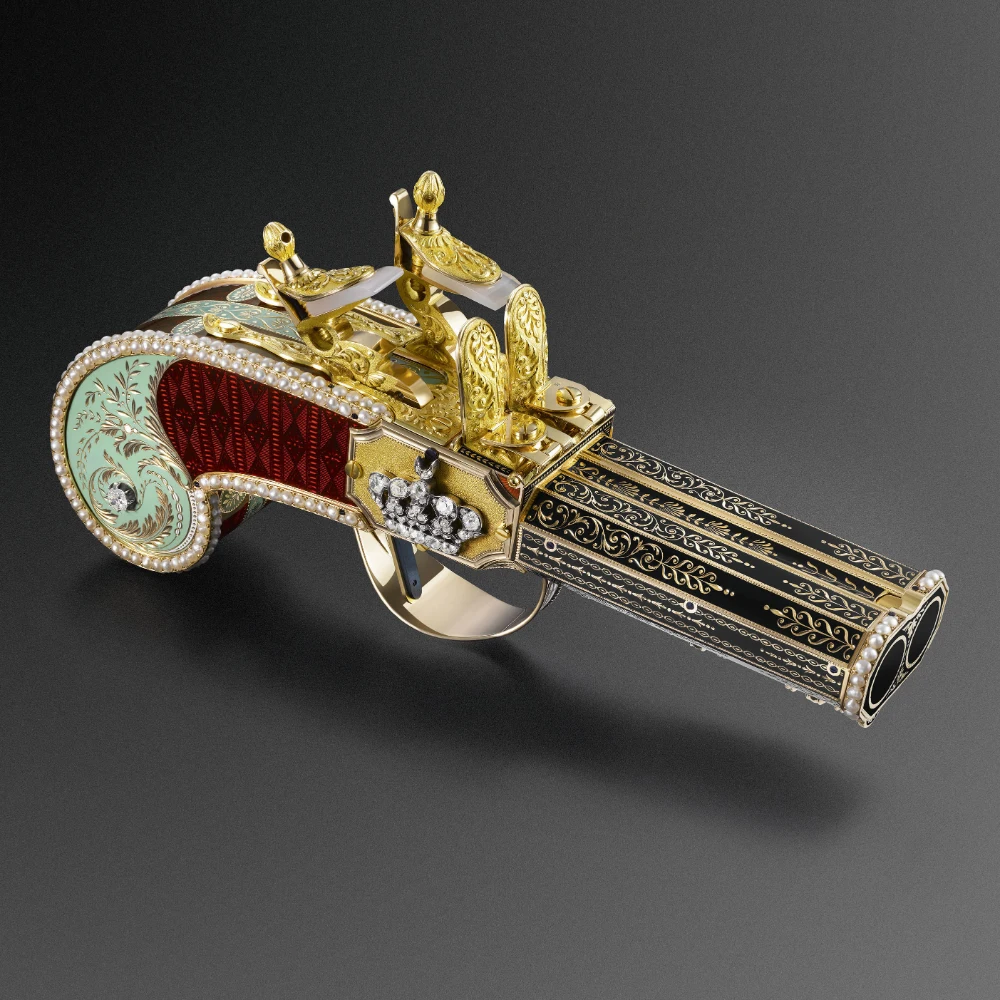
The restoration process begins with research – lots of research. Items are painstakingly disassembled and cleaned. Components are checked for authenticity. I recall that during a visit to the PF Restoration Workshop (see later) being shown a spring that was not period correct. My host explained that it was probably fitted several decades later. Eventually, after much effort, a suitable spring was procured. However, in some cases, no alternatives are available. For instance, the dial of a wristwatch may show signs of patination, but it is still retained in order to preserve the originality of the piece.
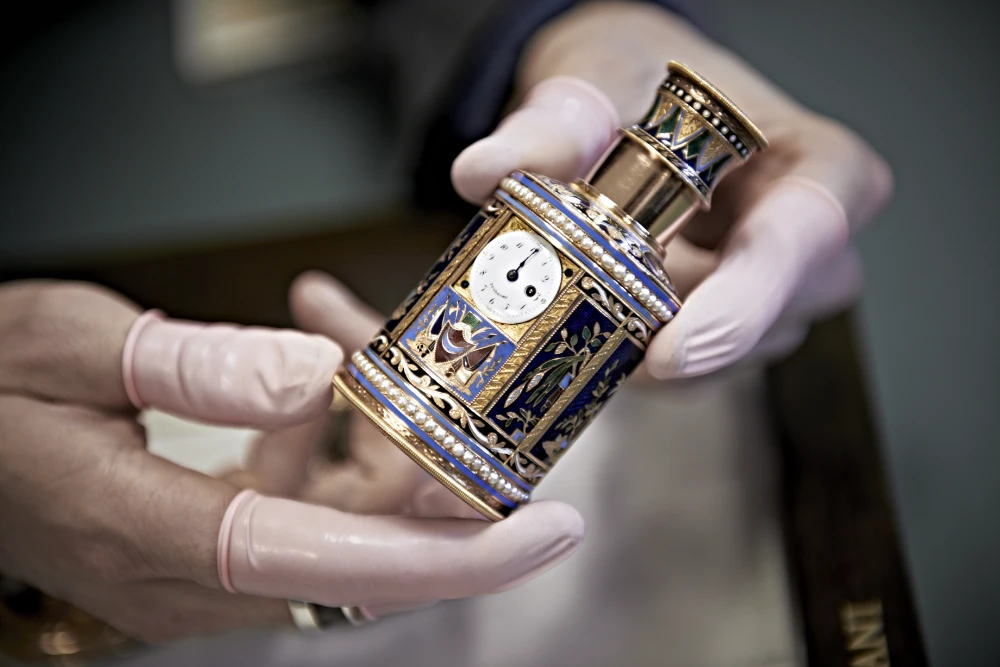
Clearly, the goal when restoring a mechanical object is that it functions correctly and it keeps good time. This will involve reassembly, lubrication and regulation. At no stage should the timepiece restorer impose their character on the piece. On the contrary, the restored artefact should respect the approach taken by the original creator.
Michel Parmigiani – a pivotal moment in his career
In 1976, at the tender age of 26, Michel Parmigiani opened his own watchmaking and restoration workshop. At the time, this entrepreneurial venture was brave. The emergence of cheap quartz watches had caused many established watch brands to suffer financial hardship with some eventually ceasing operations. Fortunately, Michel’s bold decision proved inspired. He soon came to prominence restoring timepieces for prestigious museums such as the Patek Philippe Museum in Geneva. Moreover, he gained a reputation for restoring rare horological artefacts owned by wealthy private individuals. He began to restore timepieces for the Landolt family, the custodians of the Maurice-Yves Sandoz Collection. Recognising his talent, the Sandoz Family Foundation offered to support Monsieur Parmigiani in fulfilling his dream of establishing his own watch brand.
Parmigiani Fleurier depuis 1996
In 1996, Michel founded his now-prestigious Maison, Parmigiani Fleurier, in the village of Fleurier, just 5 km from Couvet, his birthplace. Often referred to as the ‘village of flowers’, Fleurier plays host to several artisans and watchmakers, hence it was the ideal location for Parmigiani’s fledgling business. The company’s inaugural watch, the Toric QP, was unveiled later the same year.
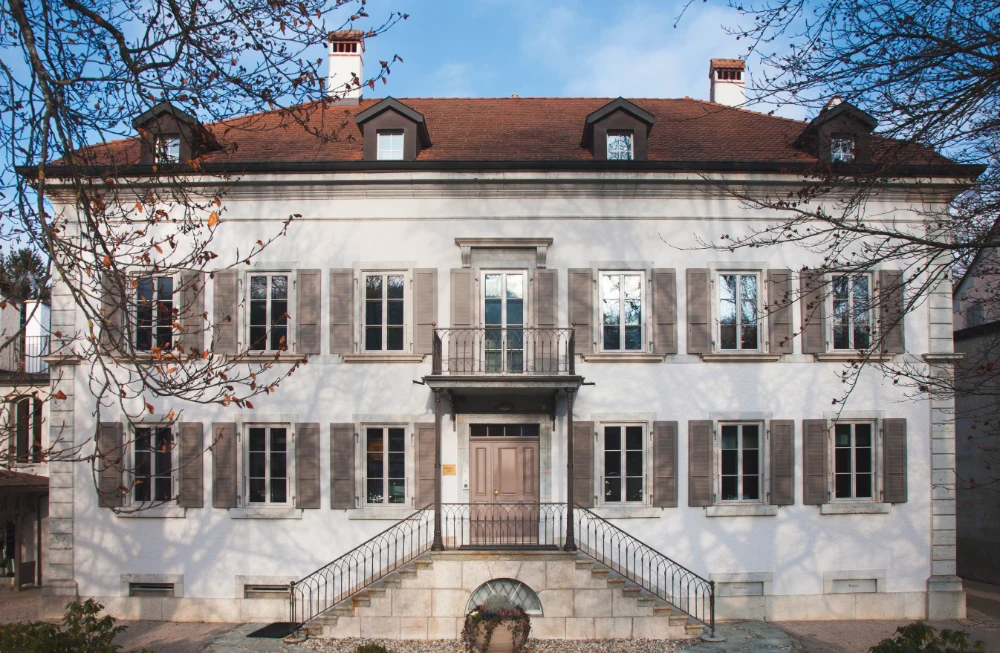
Image – Parmigiani Fleurier
Parmigiani Fleurier Toric QP (1996)
The Toric QP’s tonneau-shaped case revealed Parmigiani’s artistic flair. The sapphire crystal sat on high and was framed by a bezel comprising two tiers of fluted lines. Termed ‘gadroons and knurling’, the decorative pattern takes inspiration from ancient Greek architecture, a creative influence that has continuously shaped Michel’s work. To realise this intricate motif of alternating flutes and crisp recesses, the son of Couvet engaged a local artisan.
The knurling was performed by hand using a toothed wheel to displace metal, culminating in a grooved pattern. While each groove appeared identical, there were imperceptible variances; an indication that traditional handcraftsmanship was employed rather than automated techniques such as CNC (Computer Numerical Control). This is not the only occasion that Michel has engaged local artisans and specialists to realise his vision of horological art. For many years, despite selling thousands of PF (Parmigiani Fleurier) watches, Michel continued to engage the same craftsperson to endue timepieces with gadroons and knurling.
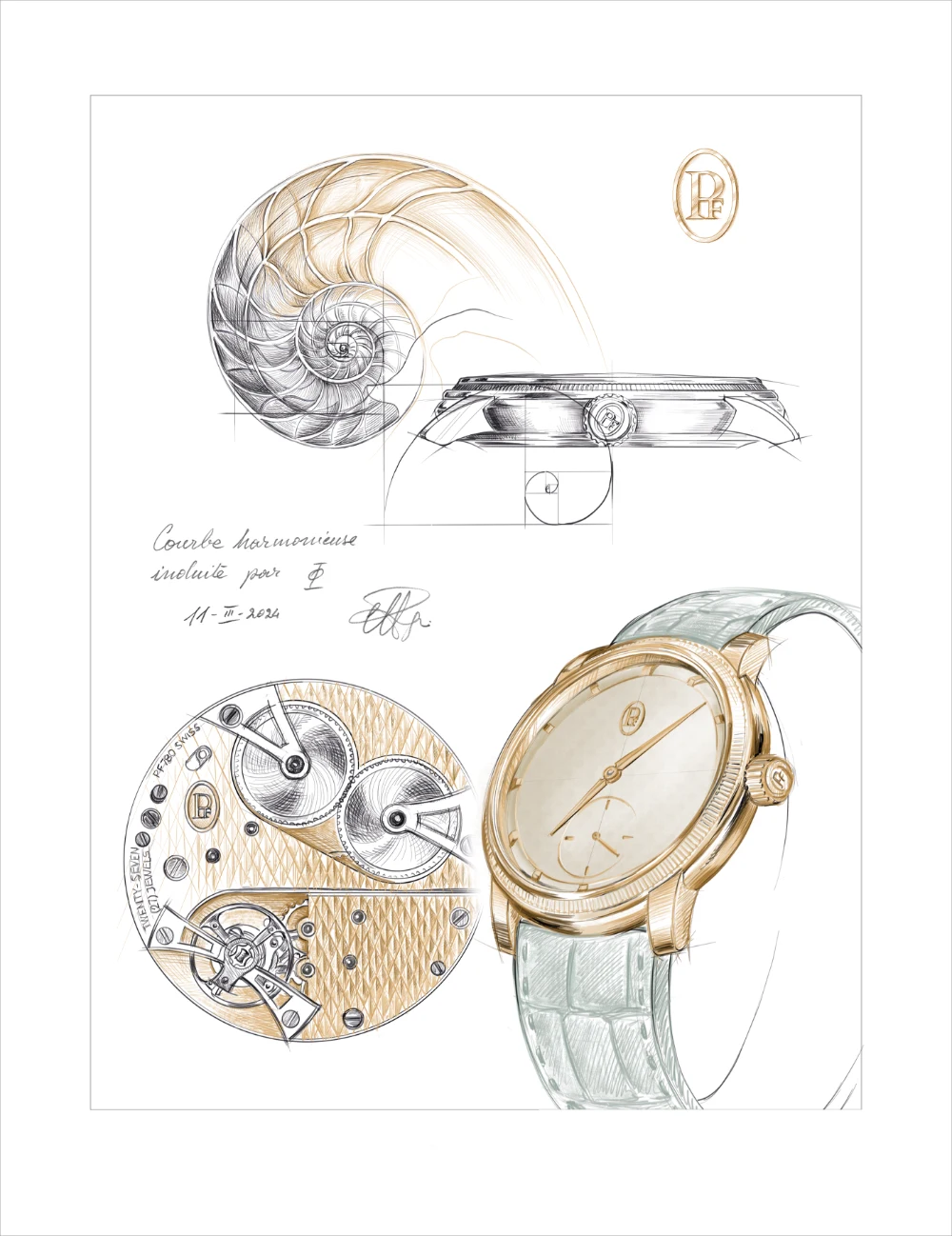
Image – Toric Petite Seconde (2024)
Perhaps influenced by architecture, the initial Toric QP set in place a design language encompassing Javelin-shaped hands, applied Arabic numerals (executed in a traditional cursive font) and subtly textured dials. Despite releasing additional collections over the years and selling watches around the globe, the Toric still retains several elements first seen on the inaugural model of 1996.
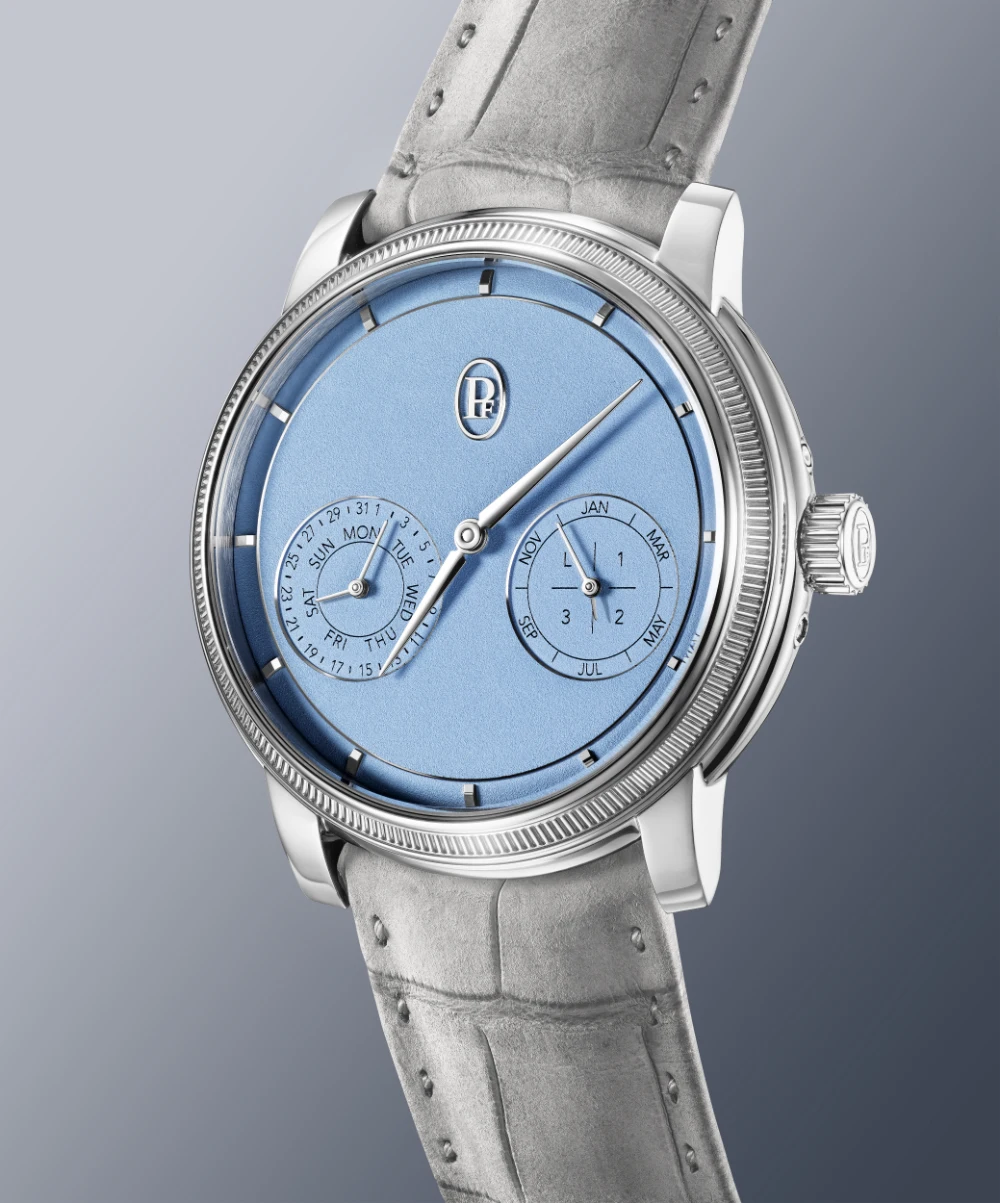
Image – Toric Quantieme Perpetual (2025)
Parmigiani Fleurier – vertical integration
In the early years, Parmigiani Fleurier procured ébauches from movement specialists such as Frédéric Piguet and Lemania; however, the brand would later become increasingly self-reliant. In 1999, the Sandoz Family Foundation purchased Les Artisans Boîtiers, a case making company. Thereafter, the Family Foundation acquired Atokalpa (2000) and Elwin (2001). In addition, it also set up Vaucher (2003), in partnership with Hermés, and Quadrance & Habillage (2005). Less than 10 years after it was founded, Parmigiani Fleurier had assembled the resources to manufacture most watch components in-house, including complete movements (depending on the model), while continuing, where appropriate, to work with select specialist partners. This level of vertical integration was rare at the time and remains so today.
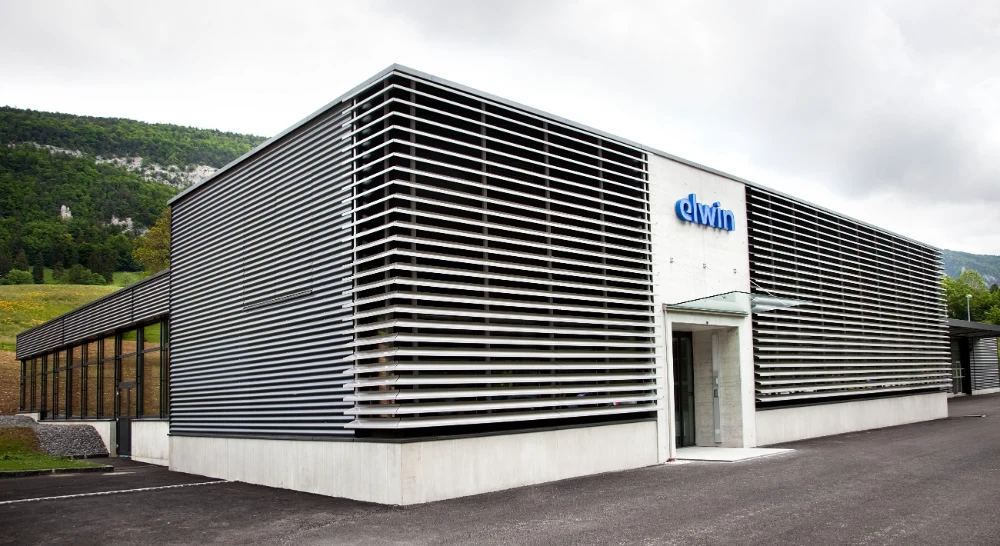
Image – Elwin
Parmigiani Fleurier – ‘Le Blog’
Back in 2012, I was asked if I would be interested in writing for ‘Le Blog’, an online magazine that featured on PF’s website. A longtime admirer of the brand’s work, I naturally jumped at the chance and was duly invited to visit Fleurier, where I spent time learning more about the Swiss marque.
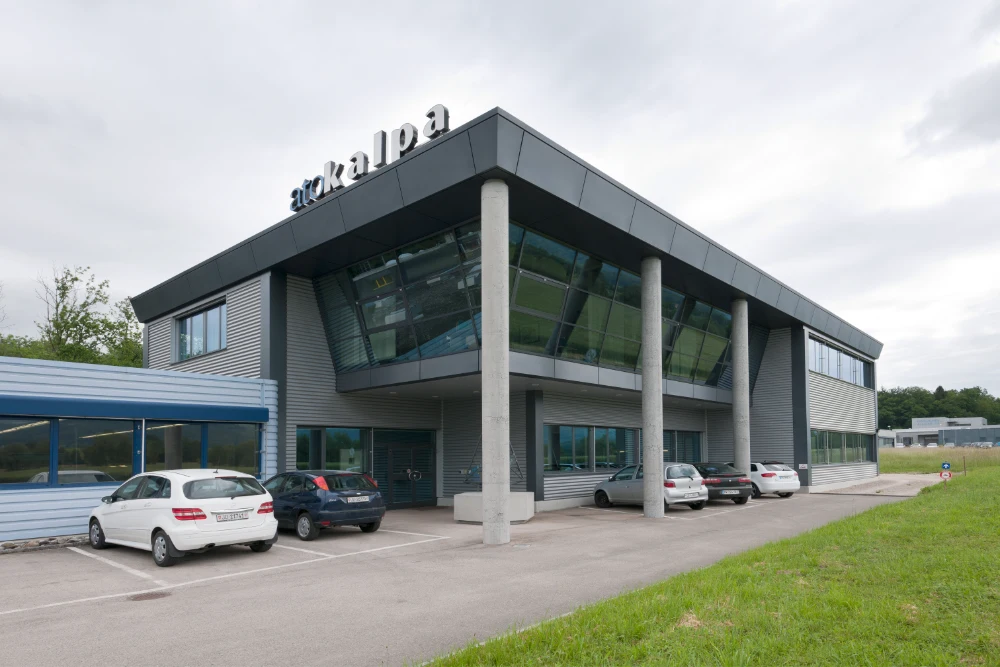
Image – Atokalpa
The company booked me into the Hôtel Palafitte in Neuchâtel (owned by Sandoz Foundation Hotels). Each morning, I began with a hearty breakfast before embarking on an action-packed day with Benoît, my host. Originating from Brittany, Benoît is a watchmaker and was the perfect guide, driving me to each site and providing me with a behind the scenes view of watchmaking. I’d previously visited several watch factories on press trips, but I soon realised that many of these presented a somewhat sanitised view of watchmaking. Sadly, some firms within the watch industry are prone to hyperbole and half-truths, claiming to make components in-house while procuring such parts from third-party specialists. Rest assured, no such allegations could be levelled against Parmigiani Fleurier.
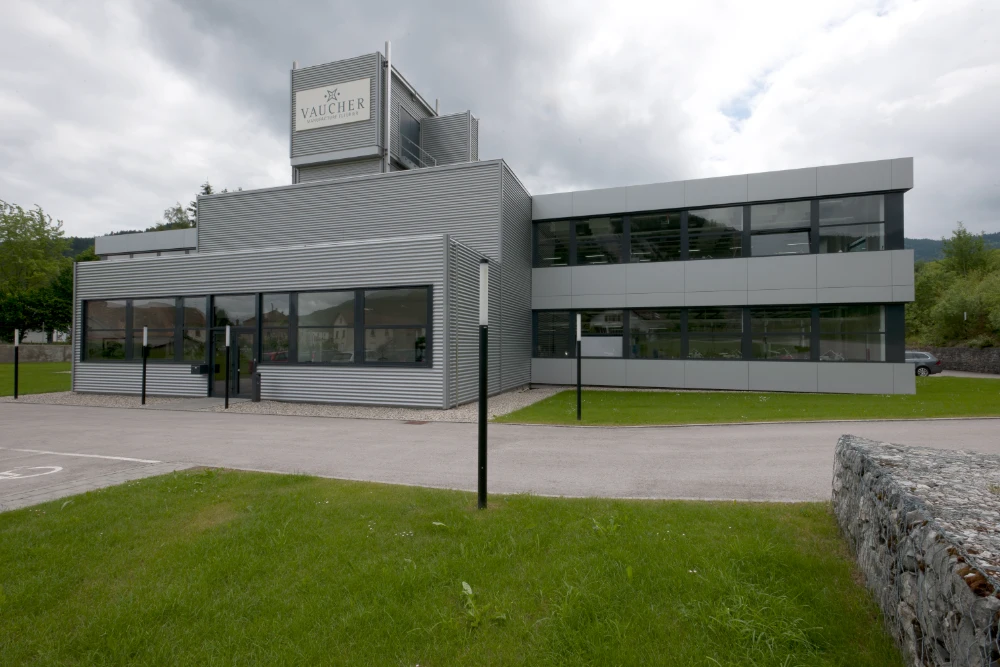
Image – Vaucher
My time spent with the Swiss Maison proved highly informative and served as a wonderful education. I discovered the importance of a screw in a timepiece and confess to being surprised when confronted with the vast array of different screws used in watchmaking. During my time at Atokalpa, I witnessed the protracted making of hairsprings, a process that takes several days. Whether it’s a dial, a case or a movement, the focus is on always on excellence with due consideration to longevity and enduring aesthetics.
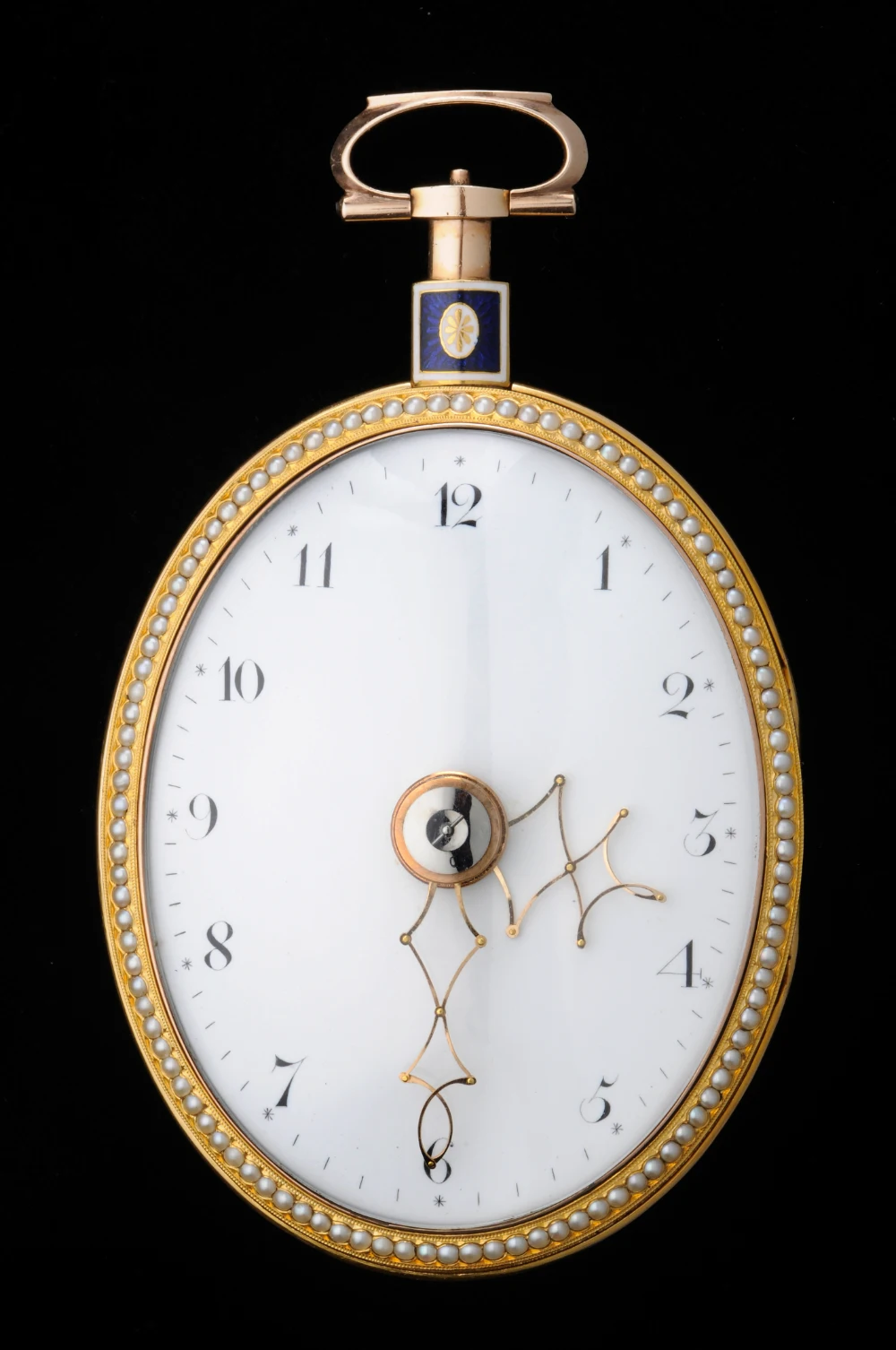
Unquestionably, my favourite place was the PF Restoration Workshop. Each project is accompanied by a huge dossier, detailing the piece with images and text. Every stage of the disassembly process is photographed. Extracts from texts, some historical, provide useful background information. The timepiece restorer notes the rationale for each step taken.
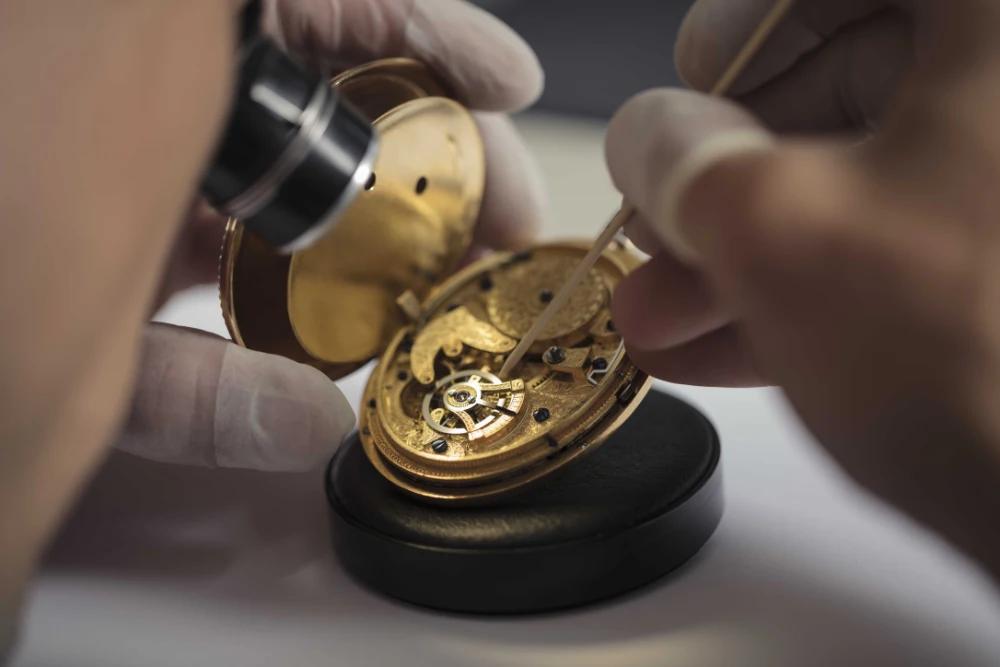
On one occasion, I recall seeing a small rectangular piece of metal and noticing there was a small amount of pitting at one end. The accompanying dossier showed a picture of this metal part both after disassembly and post cleaning with an explanation, hand-written in pencil. The part was perfectly functional and would not deteriorate further, so the restorer, having consulted with his colleagues, decided it should be retained, keen to preserve the originality of the piece.
Interviewing Michel Parmigiani
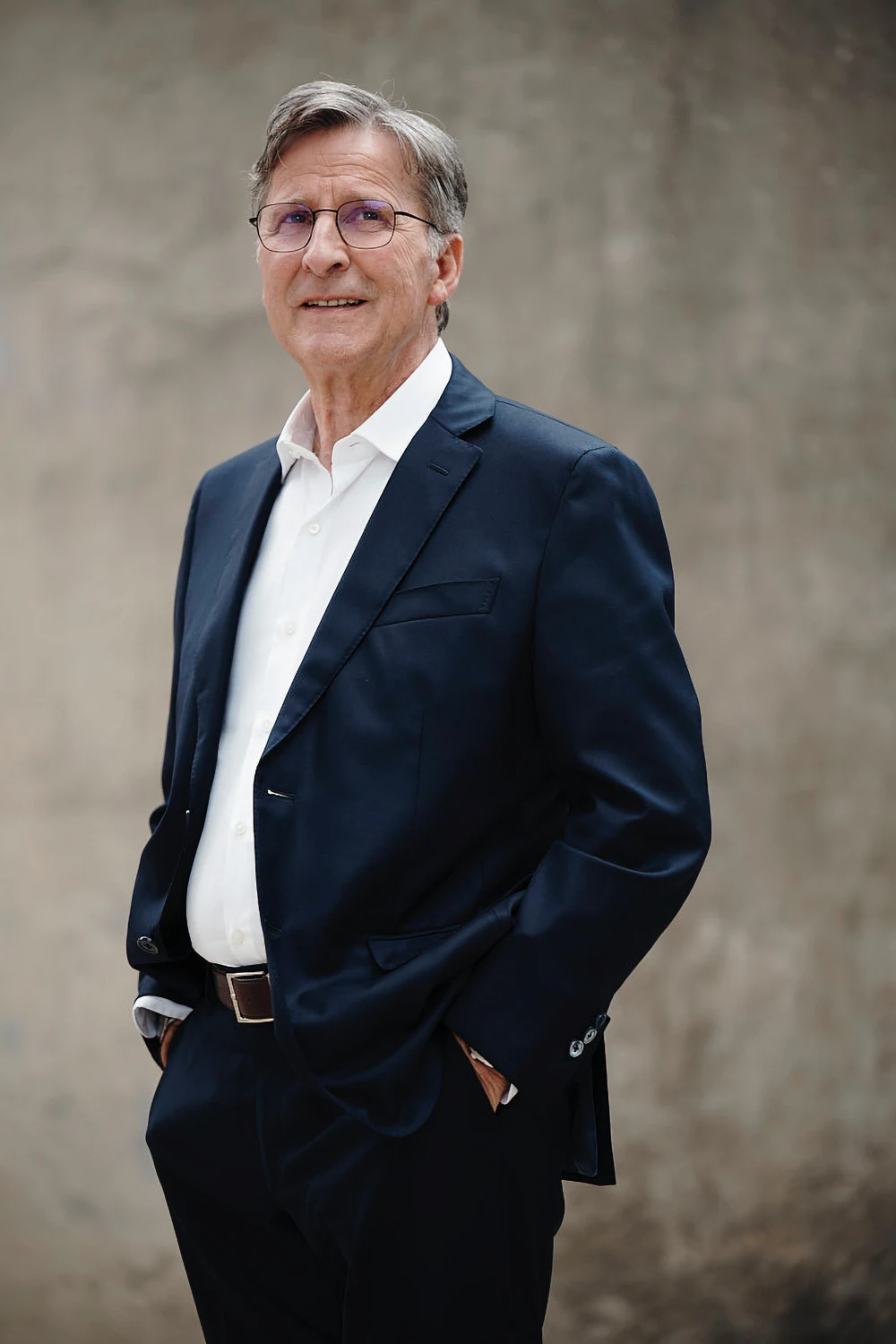
Over the years, I have interviewed Michel Parmigiani several times for ESCAPEMENT and for other publications/websites. On each occasion, a willing intermediary has acted as an interpreter, albeit I often managed to understand what Michel was saying, not just with his words, but also by observing his non-verbal behaviour. Despite his inordinate talents, he is humble and devoid of ego.
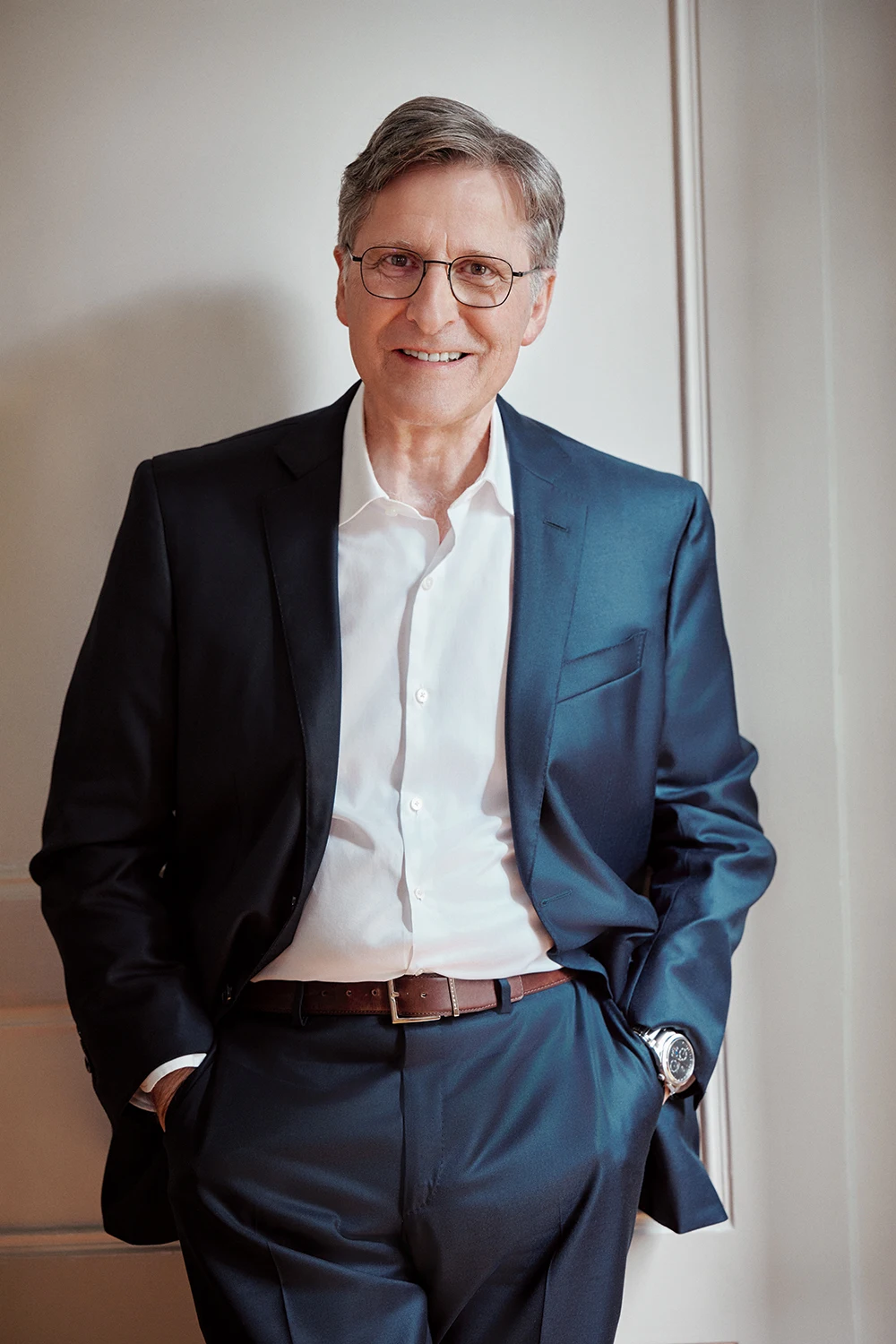
Every time I have met Michel, I have discovered something new. For instance, some brands claim to ‘finish’ components; however, in many cases this is only superficial, executed merely for appearance. Parmigiani Fleurier finish components to erase signs of machining, remove burrs, mitigate friction, uphold traditions and imbue surfaces with refined decorations that heighten the overall allure of parts. I recall Michel once explaining to me that by painstakingly polishing a component you mitigate the risk of corrosion and enhance its longevity. For this reason, the finishing of a PF watch is not limited to what is visible but also extends to those surfaces that remain hidden.
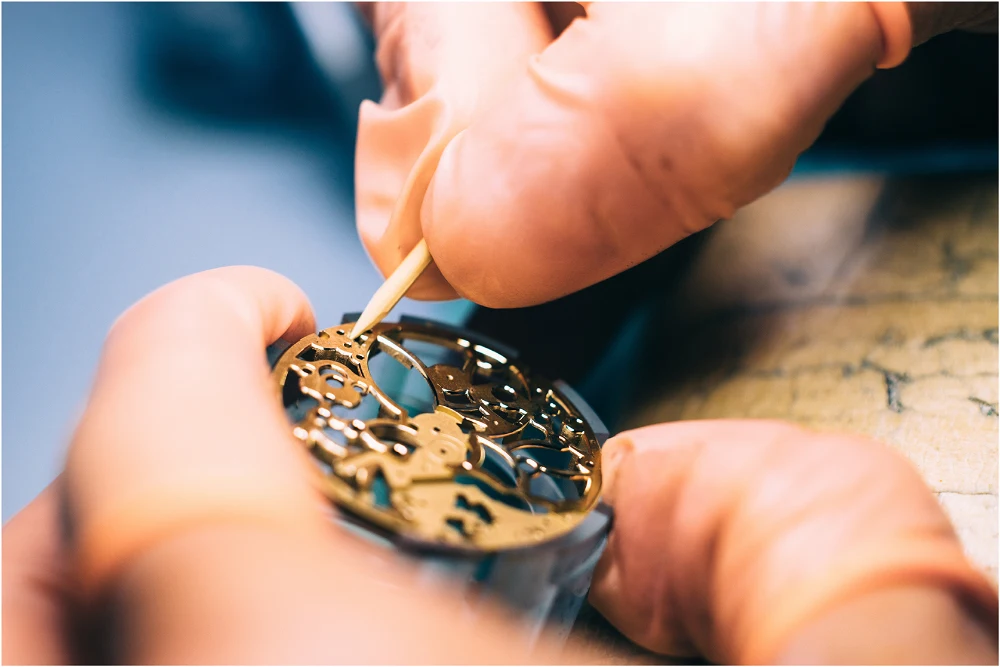
Longevity is important to Michel and his background in timepiece restoration has clearly influenced his choice of materials, finishing techniques and design. On more than one occasion, he has told me that his aim with any PF timepiece is that in 150 years’ time, a capable watchmaker should be able to restore it.
Another telling exchange serves to indicate the respect that Monsieur Parmigiani has for artisans and watchmakers and, in particular, the place they call ‘home’. Mindful that the company owns various facilities in Fleurier, La Chaux-de-Fonds and Moutier, I once enquired whether he was not tempted to consolidate all operations under one roof. The son of Couvet explained that if a member of staff couldn’t go home for their lunch, a feature of life within the region, they may seek employment elsewhere. It is clear that Parmigiani respects the amassed expertise at each site and has the highest regard for his employees. Quite simply, Parmigiani places much value on working with local artisans and watchmakers, whether they be in-house or freelance specialists working nearby.
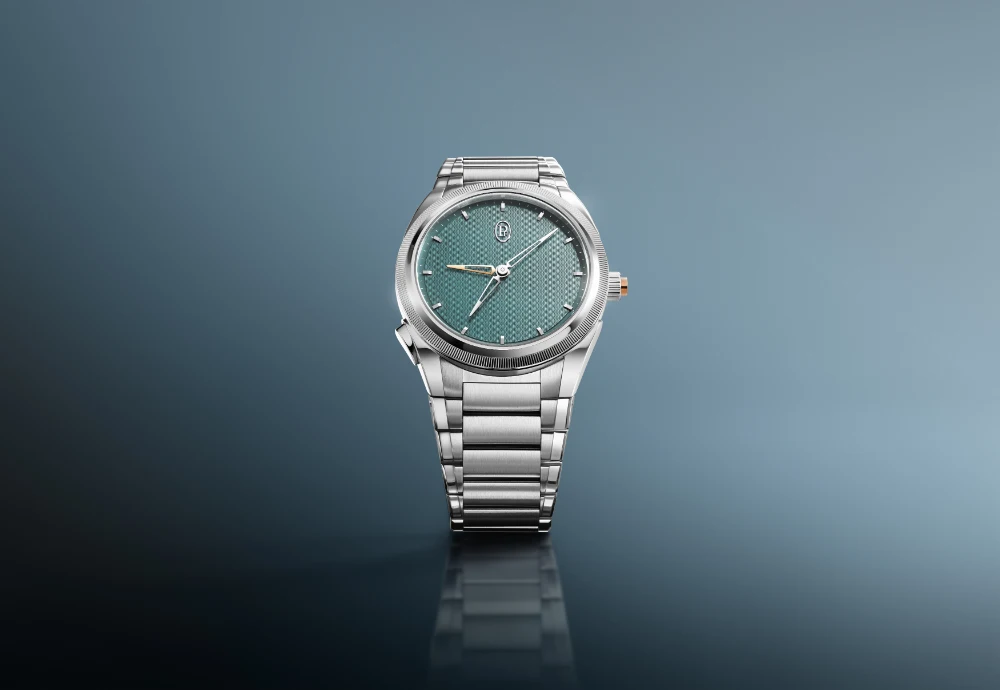
Image – Tonda PF GMT Rattrapante Verzasca
Guido Terreni
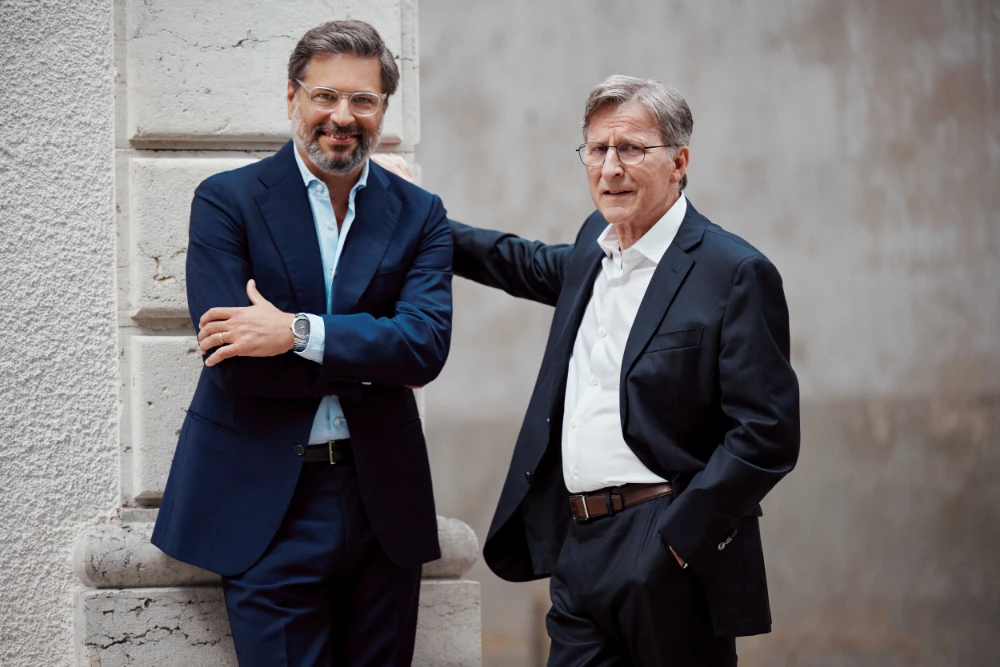
Guido Terreni was appointed CEO of Parmigiani Fleurier in January 2021. With over 20 years’ experience working in the watch industry and an avowed aesthete, Terreni’s skill set wonderfully dovetailed Parmigiani’s rare talents. Since his arrival at PF, Terreni has been instrumental in the creation of numerous models, perpetuating Michel’s mastery of proportions, respect for materials and his obsession with longevity, while at the same time conceiving models expressed in a contemporary, timeless style. Shortly after his arrival, Guido established the tradition of marking Michel’s birthday with the creation of a unique Objet d’Art piece, employing both men’s talents.
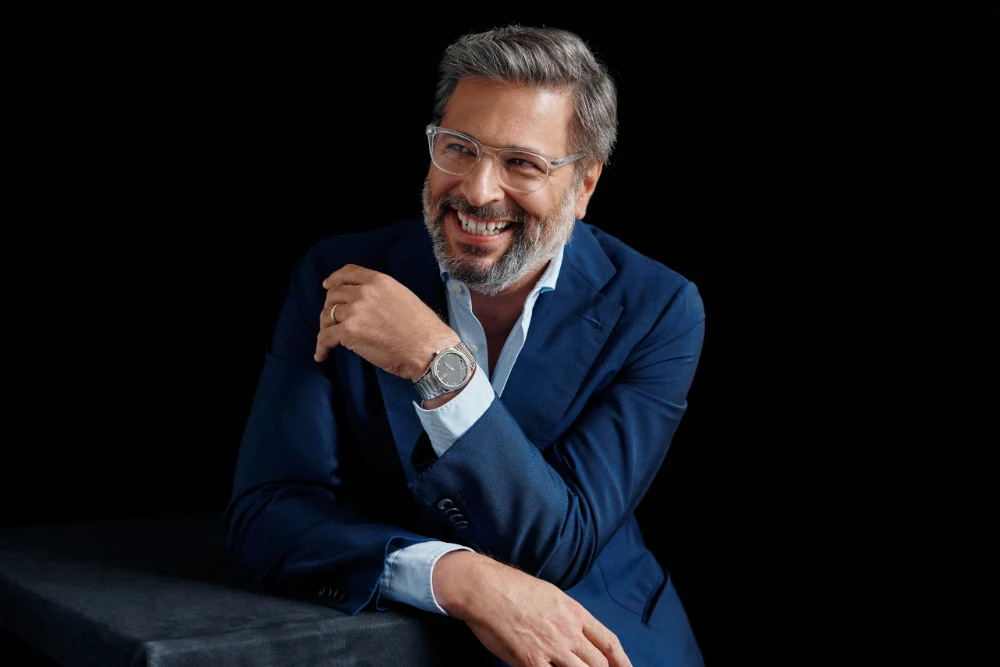
Michel Parmigiani has been instrumental in acquiring and restoring the historical movements that form the soul of the Maison’s Objets d’ Art models, while the appearance of each piece has reflected Guido Terreni’s contemporary vision of Haute Horlogerie.
Objet d’Art
La Rose Carrée (2021)
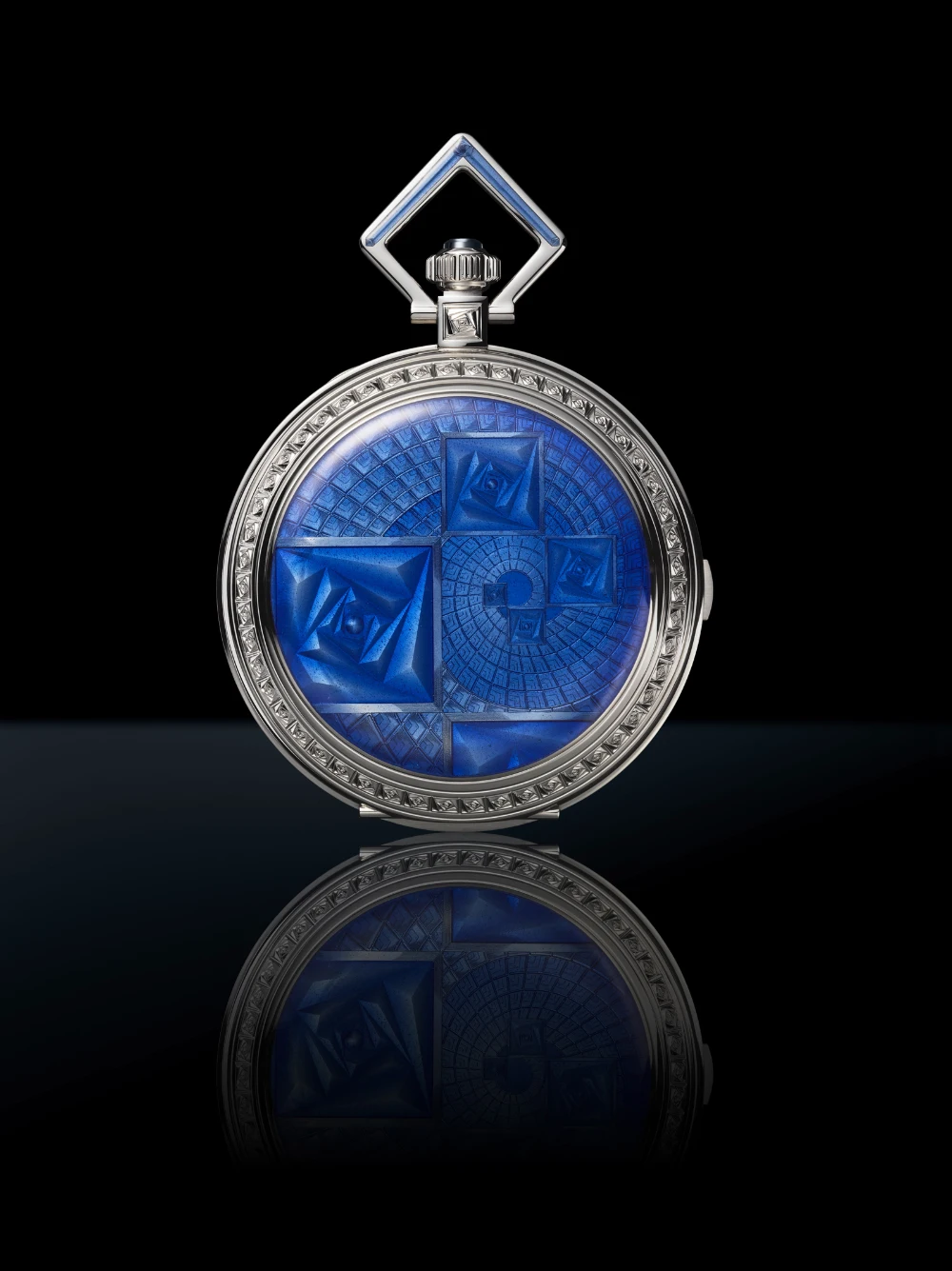
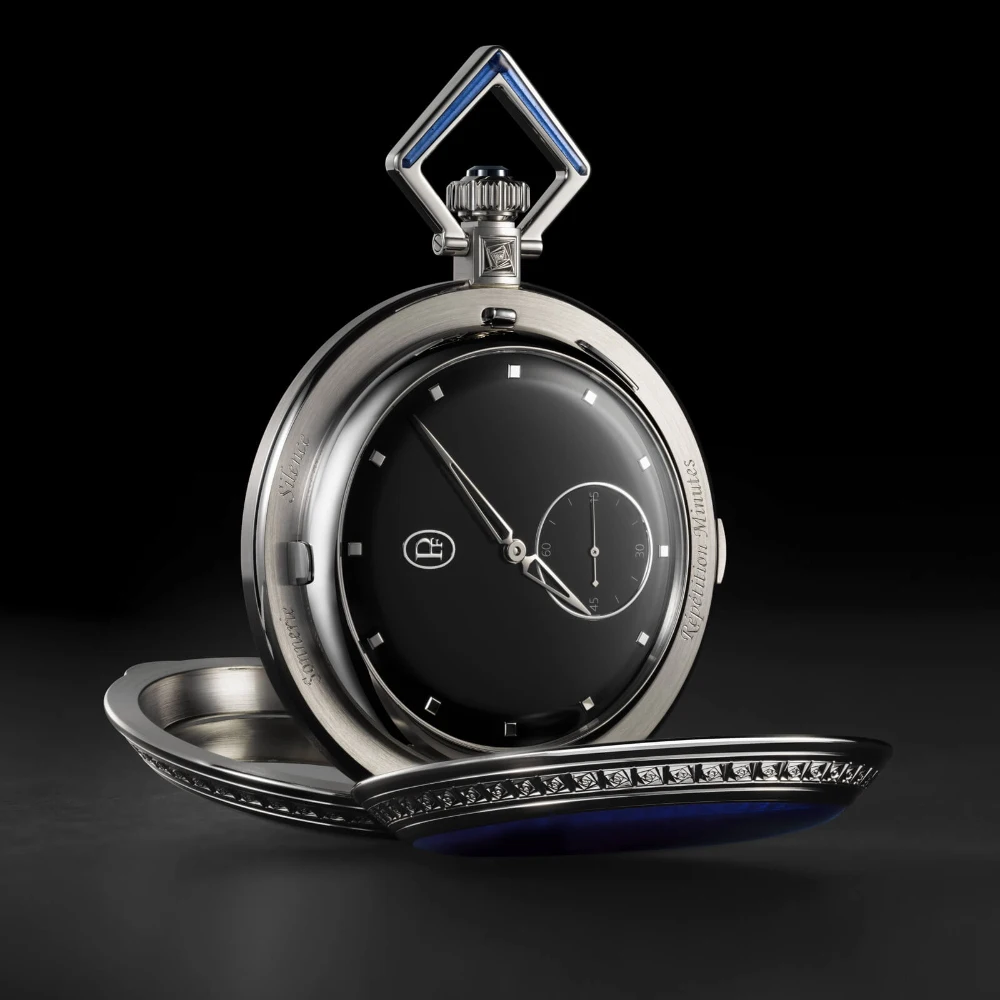
In 2021, to coincide with its 25th anniversary, Parmigiani Fleurier created a white gold, double-hunter pocket watch. Named ‘La Rose Carrée’, this 64 mm pièce unique was a tour de force, uniting the Maison’s rare in-house expertise with the know-how of external specialists. Merging the past with the present, the watch featured a period movement from the late 19th century, the Calibre Louis-Elisée Piguet number 5802. The model’s impressive inventory of functions included a grande sonnnerie and a minute repeater. The period movement, as you would expect of PF, was expertly restored to its original condition. Further highlights of this one-off creation included a black onyx dial and a case endowed with blue grand feu enamel and hand-engraved detail. Even the chain was entirely handcrafted by Laurent Jolliet, Switzerland’s last ‘chain maker’.
Interestingly, Anne-Laure Parmigiani, Michel’s daughter, was heavily involved in the creation of La Rose Carrée. Anne-Laure grew up to the sound of ticking clocks and watching her father work at his bench. After attending art school, where she specialised in drawing and engraving, Anne-Laure went to watchmaking school and eventually joined the company bearing her family’s name. Today, she is the Product Manager, undertaking various tasks that perpetuate her father’s legacy through the medium of Métiers d’Art.
L’Armoriale, pocket watch (2023)
Two years after unveiling ‘La Rose Carrée’, the Swiss Maison released another Objet d’Art reference, a pocket watch called ‘L’Armoriale’. On this occasion, the watch was fitted with a period hand-wound movement made by Golay Leresche & Fils of Geneva (circa 1890). The list of complications included a chronograph, minute repeater and perpetual calendar. Measuring 58.2 mm in diameter, the white gold case, like La Rose Carrée, united grand feu enamel and hand engraved detail. Likewise, the making of the chain was, once again, entrusted to Laurent Jolliet. It says much about Michel’s modesty that he does not take sole credit for the watch bearing his name. Perpetuating the artisanal tradition of ‘Mains d’Or’ (Golden Hands), Parmigiani Fleurier disclosed the identity of each craftsperson involved in the creation of L’Armoriale.
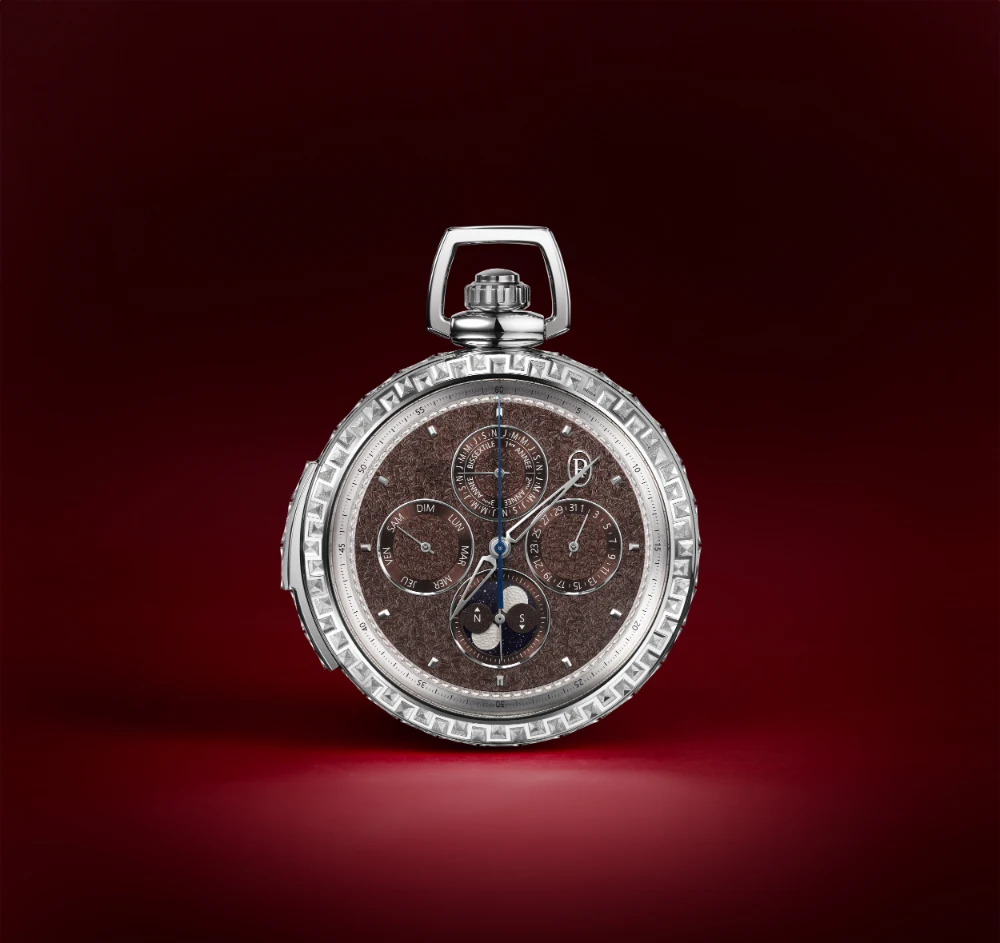
La Ravenale (2025)
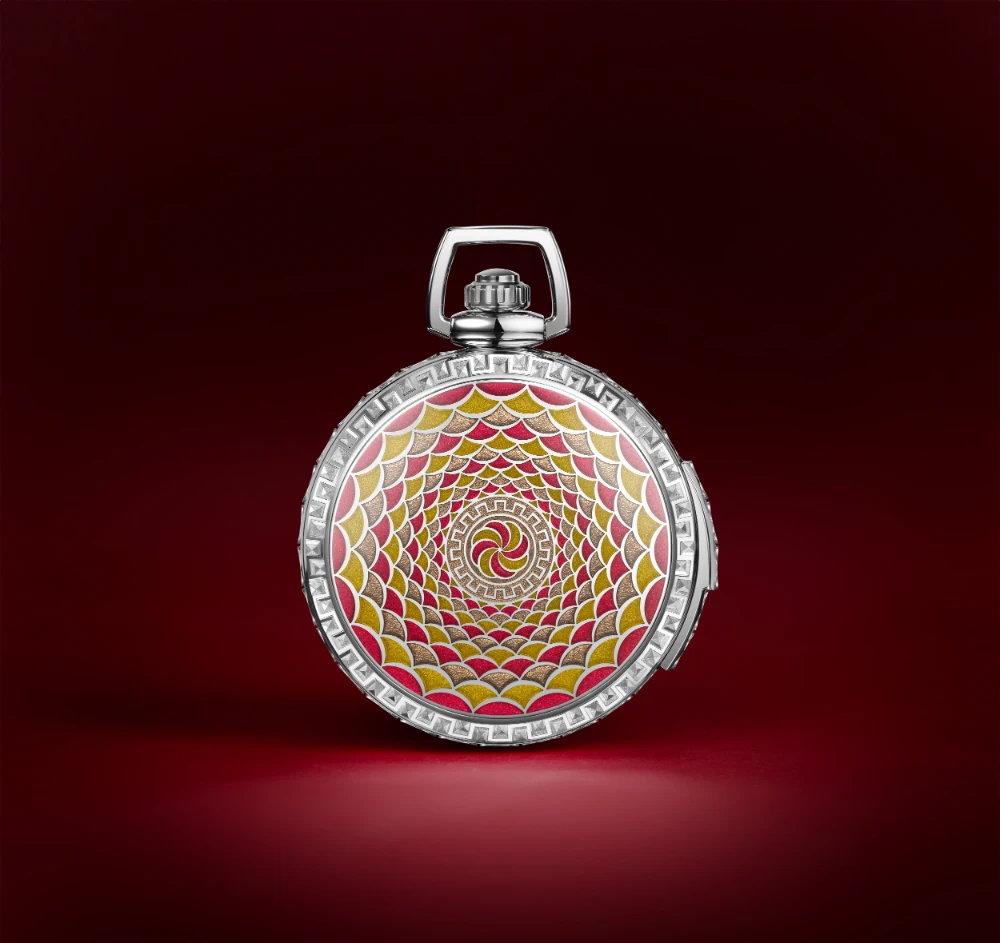
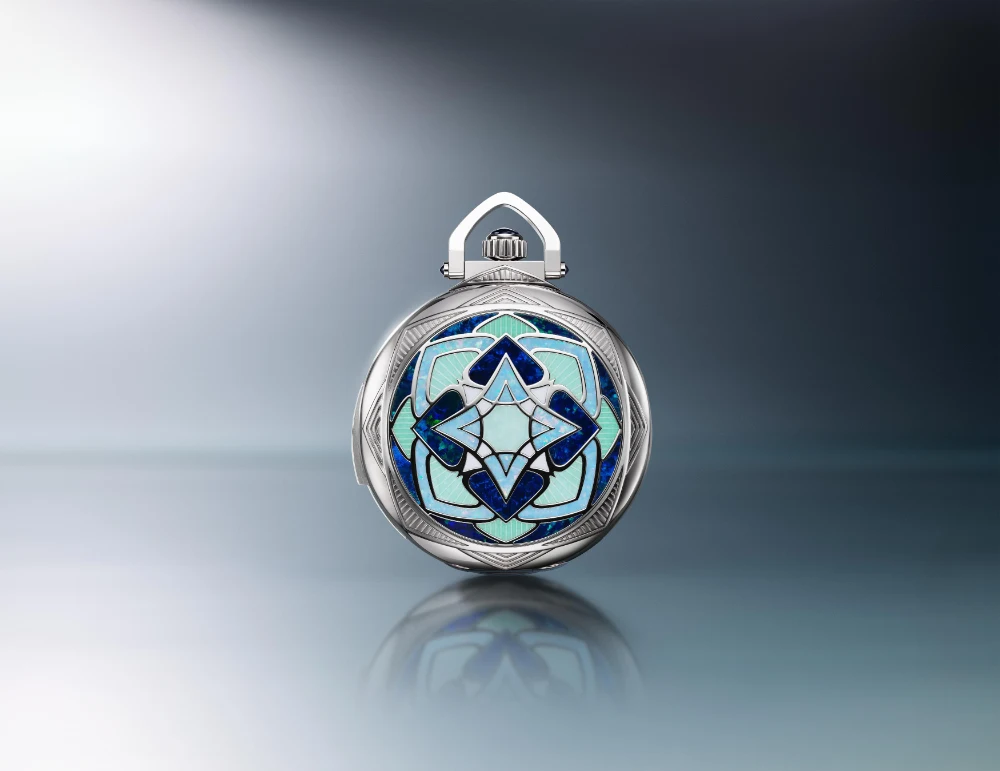
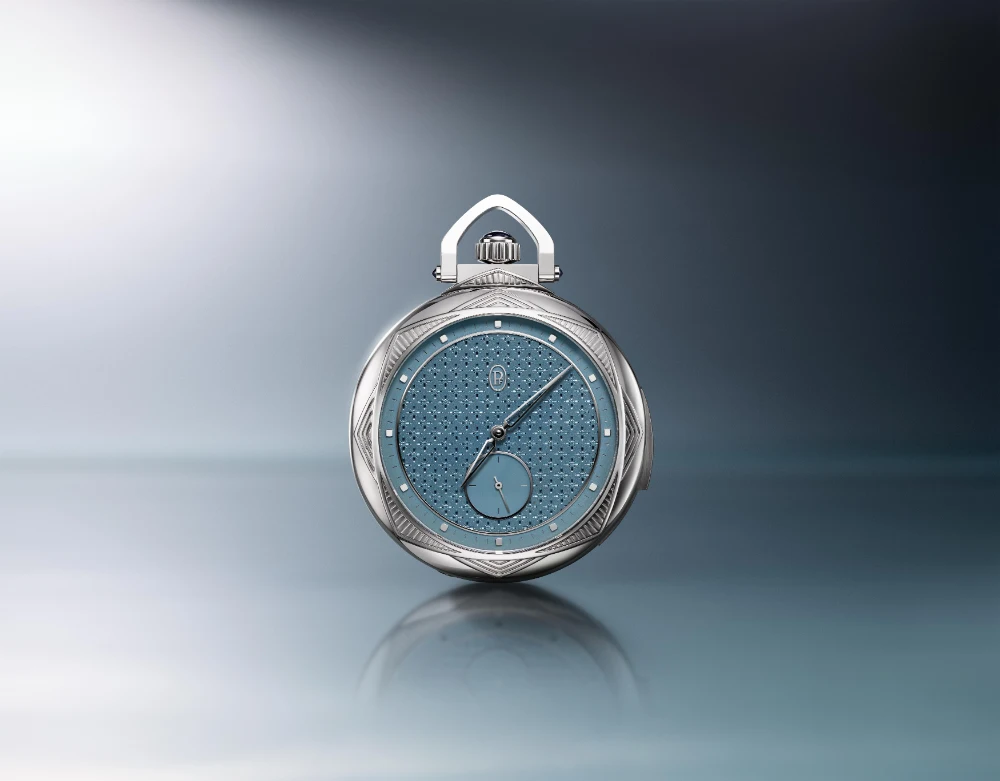
To coincide with Michel’s 75th birthday, PF created ‘La Ravenale’ – a new Objet d’Art piece. Consistent with the other members of the Objet d’Art collection, La Ravenale is a one-off creation. The Lépine style pocket watch is housed in a 51.8 mm case, executed in white gold. The original movement was manufactured by Ed. Koehn, said to be ‘one of Geneva’s most discreet but esteemed maisons.’ Despite its slender profile, the high-complication movement features a minute repeater. Inspired by ‘Madagascar’s Traveller’s Palm’, the design celebrates symmetry and the laws of the Golden Ratio, reflecting Michel’s vision of horological art. Opal and jade marquetry grace the ‘double back’ case, the dial is intricately hand-engraved, while the chain is again the product of Laurent Jolliet’s knowledge and skill.
Closing remarks
Whether working with graphite, oils or watercolours, the finest artists have respect for the materials they use. They also have an eye for detail, an awareness of light and an appreciation for lines, textures, symmetry and proportions. Michel Parmigiani has chosen to use watches as his preferred artistic medium, yet his body of work stands comparison with masterpieces gracing the walls of the most prestigious art galleries. He does not boast, talking endlessly about his abilities and achievements; his impressive oeuvre speaks for itself.
This year, Parmigiani Fleurier celebrates its 30th anniversary. Based on the past, I suspect Michel has already conceived several expressions of horological art, keen to mark this important milestone.