
Chronoswiss SkelTec
Chronoswiss SkelTec The Chronoswiss SkelTec is radically different from its forebears. It features a new hand-wound movement, the…

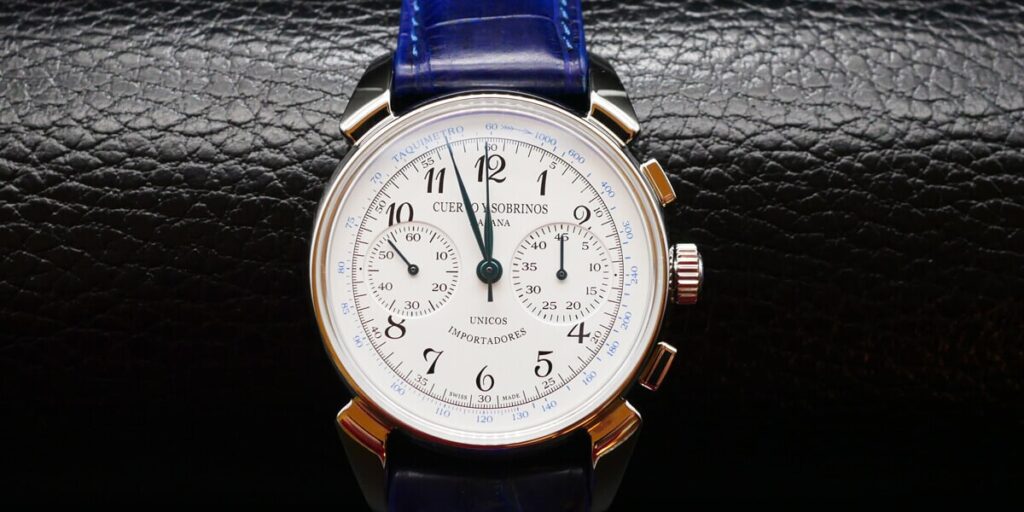
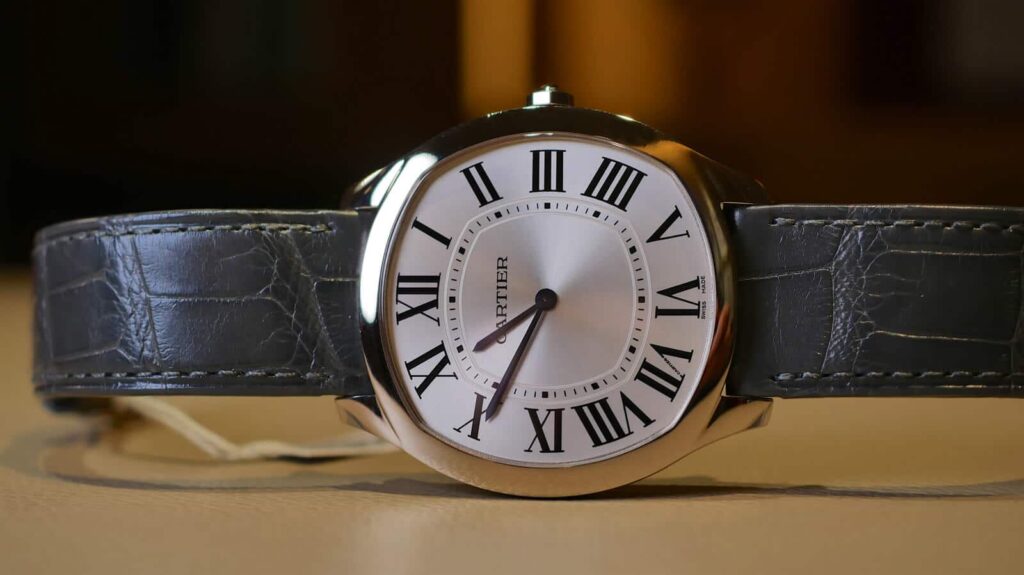

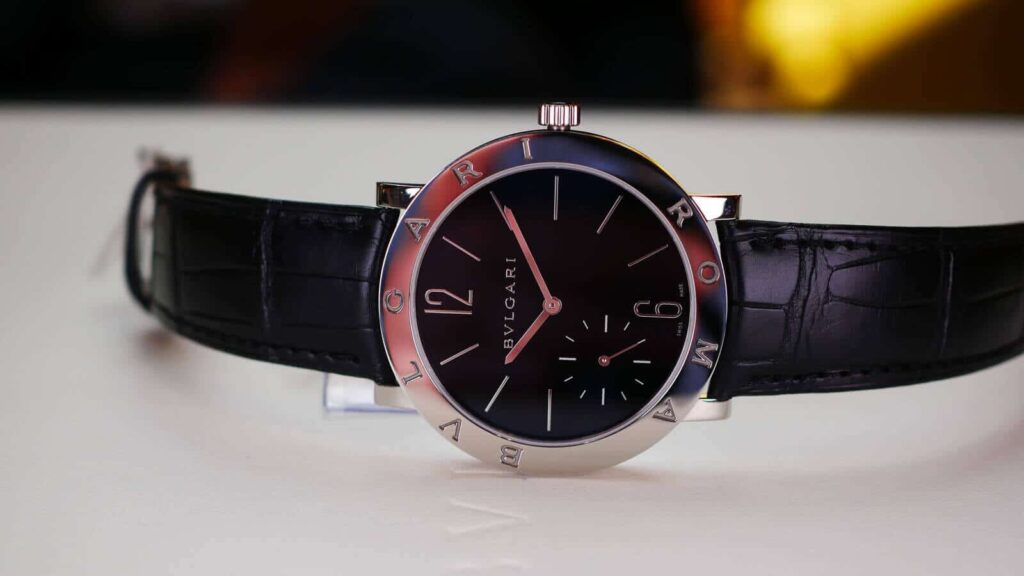

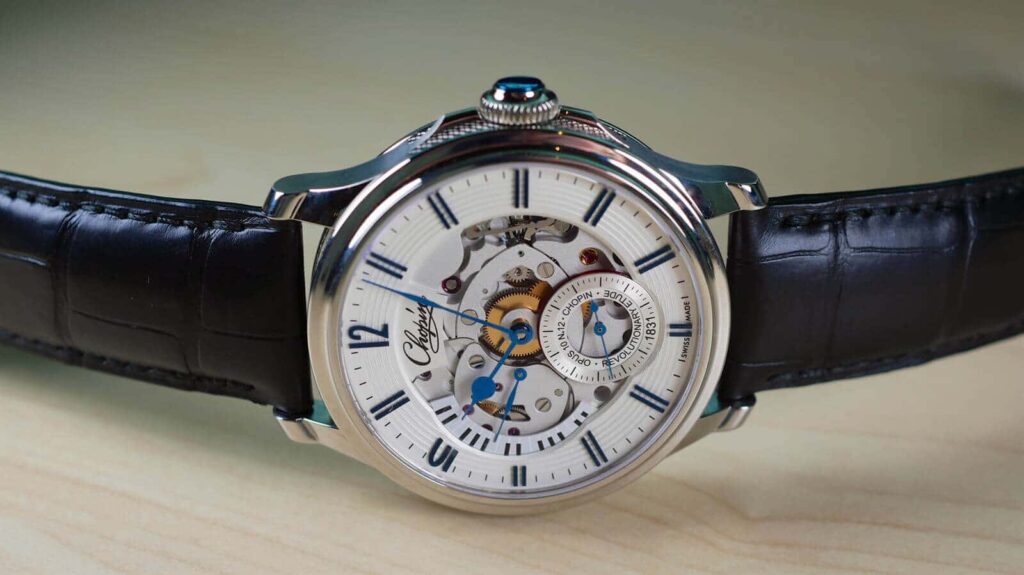
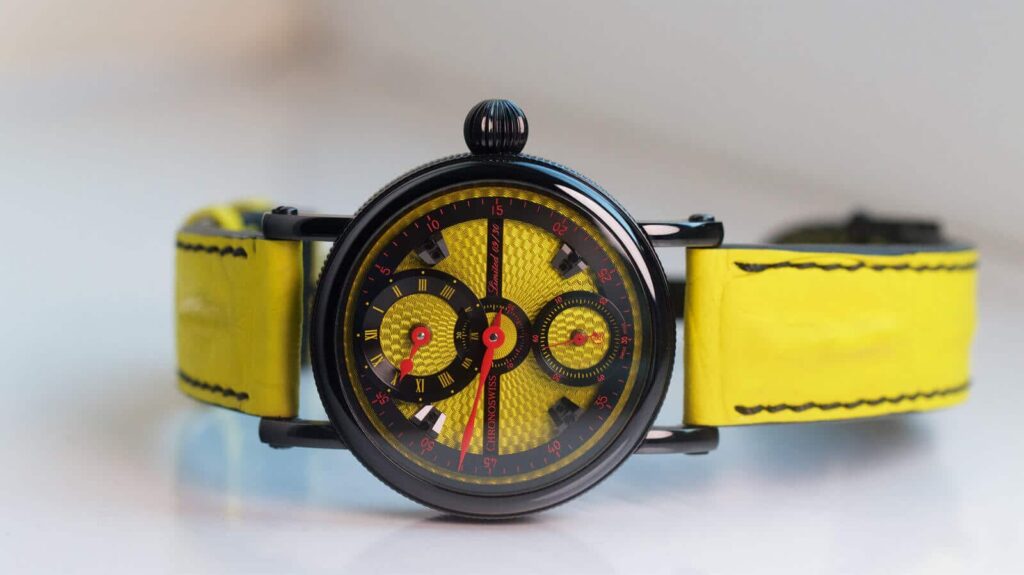
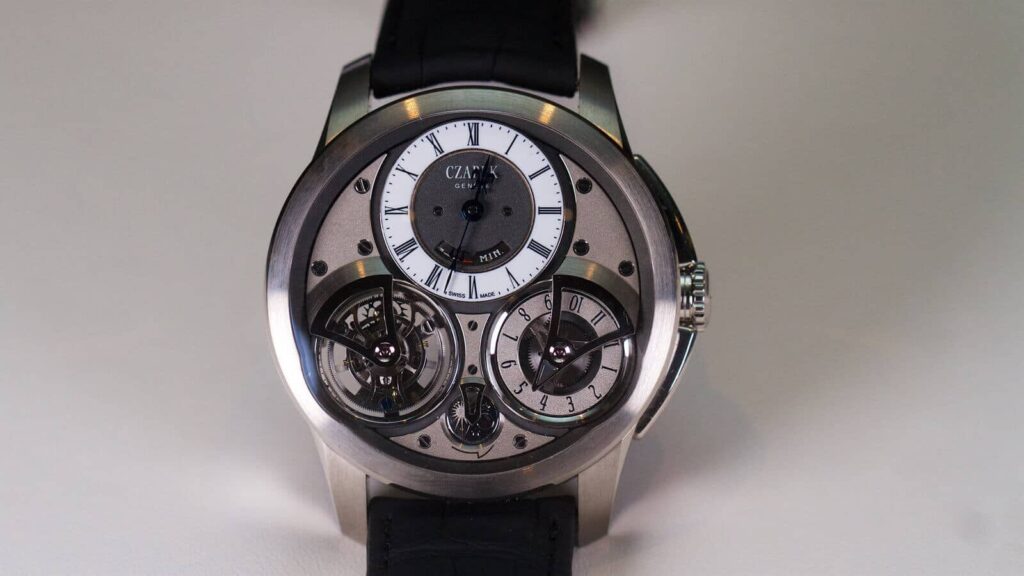

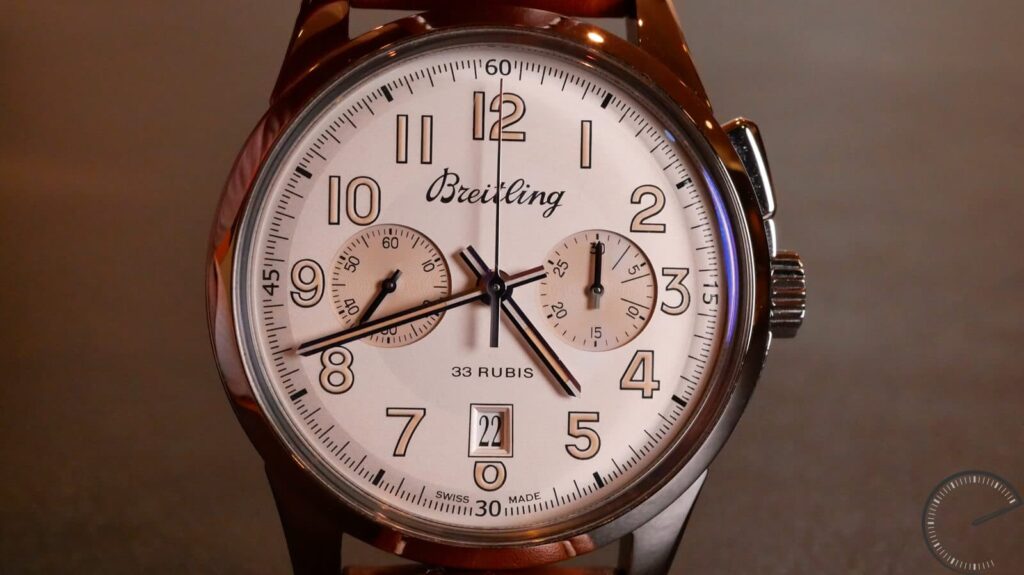
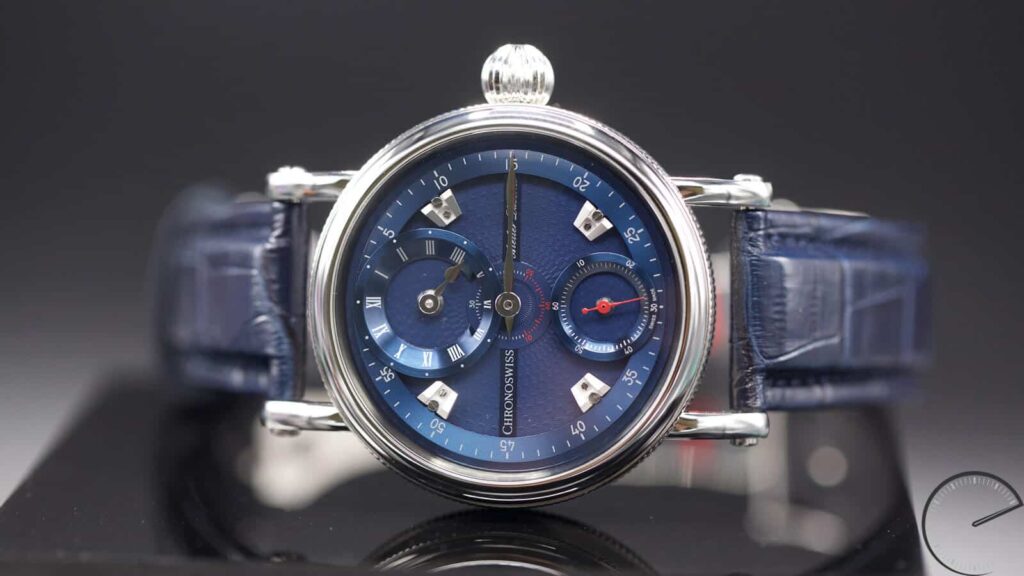
A hand-wound watch, also known as a manual-wind watch, is a mechanical timepiece that does not have a rotor. Therefore, such a timepiece requires the wearer to manually wind the mainspring by turning the crown located on the side of the case. The crown on a timepiece forms part of the ‘keyless works’. It primarily serves two roles: setting the time indications and winding the watch. It is this latter function we will focus upon hereafter.
For a hand-wound watch to work, it requires energy. This usually involves gripping the crown between forefinger and thumb and rotating it, usually in a clockwise direction. By employing physical energy to the crown, the wearer causes the winding stem to rotate. The winding pinion, which is attached to the winding stem, meshes with the underside of the crown wheel. In turn, the crown wheel engages with the ratchet wheel, which sits above the barrel. As the ratchet wheel turns, it tensions the mainspring within the barrel, causing it to accumulate energy that will ultimately power the timepiece.
Most hand-wound watches are equipped with one barrel, but some may feature two or even four barrels, each containing their own mainspring. The available energy within the barrel is dosed, via the gear train, to the escapement and ultimately the regulating organ. It is the combination of the escapement and regulating organ that ‘controls the flow of time’, causing the hands to advance a pre-determined amount.
Some hand-wound watches will run autonomously for longer periods than others, hence they won’t need to be wound as often. However, it is always good practise to wind a manual watch daily to ensure the supply of energy from the barrel(s) to the escapement is as linear as possible. In turn, this ensures the amplitude of the balance wheel remains within the optimal range, conferring precision.
Many horophiles enjoy taking time out from the chaos of modern life and spending a few precious moments connecting with their hand-wound watch by winding its crown in order to top up the barrel(s) with additional energy.
If you’d like to learn more about some of the world’s most luxurious mechanical timepieces, explore our in-depth reviews of hand-wound watches, here on Escapement Magazine.