
Making an Arnold & Son watch
Angus Davies recently travelled to La Chaux-de-Fonds to witness various craftspeople making an Arnold & Son watch. Sharing the same site as sister companies Angelus and Manufacture La Joux-Perret, numerous techniques are employed to create fine expressions of horology.

Image – Arnold & Son DSTB 42 Platinum
Geneva – the birthplace of Swiss watchmaking
Geneva is the birthplace of Swiss watchmaking. Indeed, the city’s history of making clocks and watches can be traced back to the 16th century when Huguenots, fleeing persecution from neighbouring France, settled in the city. The refugees’ artisanal skills, once employed for making jewellery, were repurposed for the making of clocks and watches. This was primarily driven by Calvinism, the political-religious regime in power at the time, under which the wearing of jewellery was outlawed.
La Chaux de Fonds – the epicentre of Swiss watchmaking
Watchmaking arrived in the city of La Chaux-de-Fonds some years later, circa 1650. Around this time, small numbers of pocket watches were produced in the city, often by farmers. Over the years, many local inhabitants started specialising in making specific watch components, eg some focussed on dials, others on balance wheels, etc. This type of specialisation is now widely termed ‘the division of labour’, a system of production that was ultimately adopted for factory-produced parts.
In 1794, the centre of La Chaux-de-Fonds was virtually destroyed by fire, a disaster exacerbated by the close proximity of the buildings. As a result, Charles-Henri Junod was tasked with rebuilding the city. He paid due consideration to the needs of its main industry ie watchmaking. The replacement buildings were designed and positioned to allow natural light to illuminate workbenches, an essential requirement for watchmaking. Moreover, the streets were arranged in a grid system.
During the 19th century, La Chaux-de-Fonds became a haven for making watches as well as watch components. The division of labour and specialisation led to production efficiencies. Famously, Karl Marx described the city as a ‘huge factory-town’ in ‘Das Kapital’.
Located in the Jura mountains, approximately 1000 metres above sea level, the city (together with neighbouring Le Locle), is an exemplar of town planning and was awarded UNESCO World Heritage status in 2009.
While the story of Swiss horology began in Geneva, La Chaux-de-Fonds is widely regarded as the epicentre of Swiss watchmaking.

Image – modern-day CNC machine
Manufacture La Joux-Perret, Angelus and Arnold & Son
Manufacture La Joux-Perret, located on Boulevard des Eplatures in La Chaux-de-Fonds, is housed in an innocuous-looking building. However, its large windows provide a clue as to what takes place inside. The company is a movement specialist that supplies numerous luxury watch brands. In addition, the site is also home to two esteemed Maisons, Angelus and Arnold & Son.
My recent visit to the Manufacture gave me an insight into the many processes that occur behind closed doors. From the making of small parts, flawless finishing and painstaking watch assembly, the division of labour is alive and well at Manufacture La Joux-Perret. Not only does this latter approach afford cost savings, it also delivers product consistency and a high degree of expertise, conferring a notable degree of excellence. Quite simply, there is virtue in specialisation.
Making an Arnold & Son watch – behind the scenes
There are several departmental functions housed under one roof at Manufacture La Joux-Perret and a plethora of tasks and techniques employed. Some of these relate to products produced by Manufacture La Joux-Perret (MLJP) for its various clients, while other activities are specific to Arnold & Son – something I will return to later.
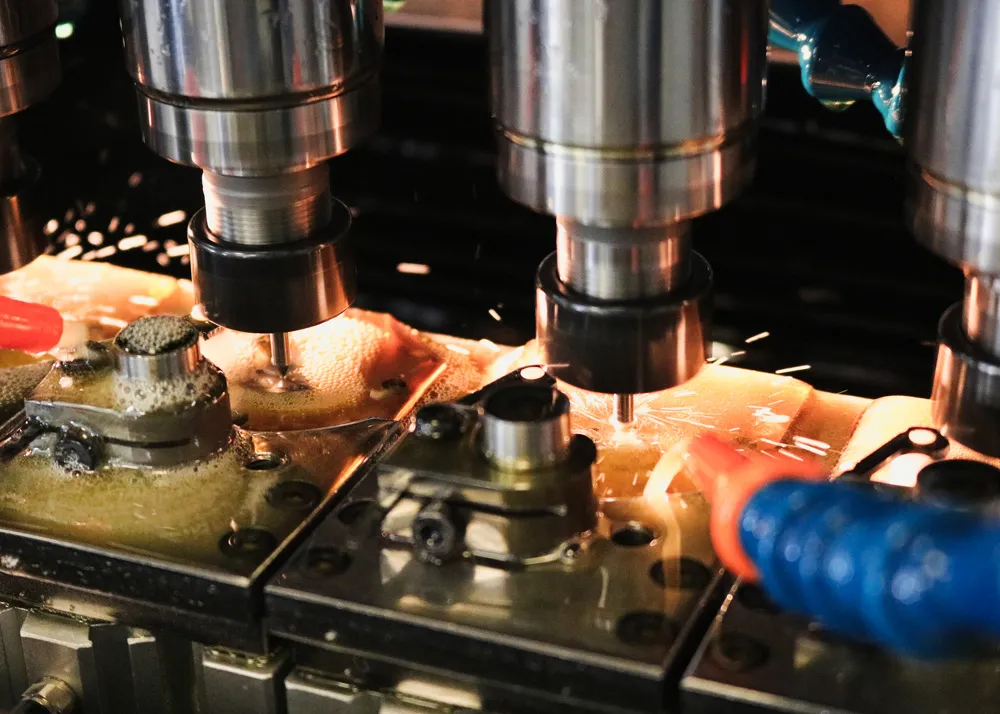
Image – modern-day CNC machine
MLJP – Technical Office
Within the confines of the ‘Technical Office’, ideas are born. Amidst the quiet hush, ‘constructeurs’, designers, engineers and technicians collaborate, expertly designing and developing complications and movements. Computer-aided design (CAD) allows the team to look at the relationship between parts, how they move and the forces they are likely to be subjected to.
MLJP makes components for modestly priced watches, ascending to those that dwell in the rarefied heights of Haute Horlogerie. Clearly, price is a factor that determines the materials used and the approach taken. Some methods are only viable for large-scale production, with alternative techniques used for making small batches of parts (I will return to this later). Needless to say, the experts working within the Technical Office must consider the volumes required and the desired specification.
Laboratory
While the Technical Office conceives concepts, the Laboratory ensures they work. Resistance to wear, shocks, magnetism, torque and vibrations are key considerations. Prototypes and pre-production components are checked and tested within the Laboratory to ensure they perform reliably in terms of precision, winding efficiency (automatic movements) , power reserve, etc. Tests may involve accelerated ageing. It is the purpose of the Laboratory to validate mechanisms and identify any potential shortcomings prior to full-scale production.
Methods
For parts to be made on a commercial basis, both in terms of cost and time, the approach has to be industrialised. This involves selecting the best machinery for the task, making tools (where required), setting tolerances, creating appropriate documentation, defining the workflows and controlling the process. As part of this function, due consideration is given to quality, cost and volumes.
The Methods department will liaise with other functions such as the Purchasing department to arrange procurement of raw materials or certain components from external sources.
The techniques employed for making parts
Some of the processes that take place at the Manufacture might be used for creating parts for some companies, but are not always used for Arnold & Son products. The comparatively small volumes of Arnold & Son watches will render some methods unsuitable. Likewise, the high-end status of the brand’s models also precludes using some mass-production techniques.
There are several techniques employed to make movement parts, including computer-numerical control (CNC) machines, electro discharge machines (EDM), bar turning machines and stamping.
Computer-numerical control (CNC)
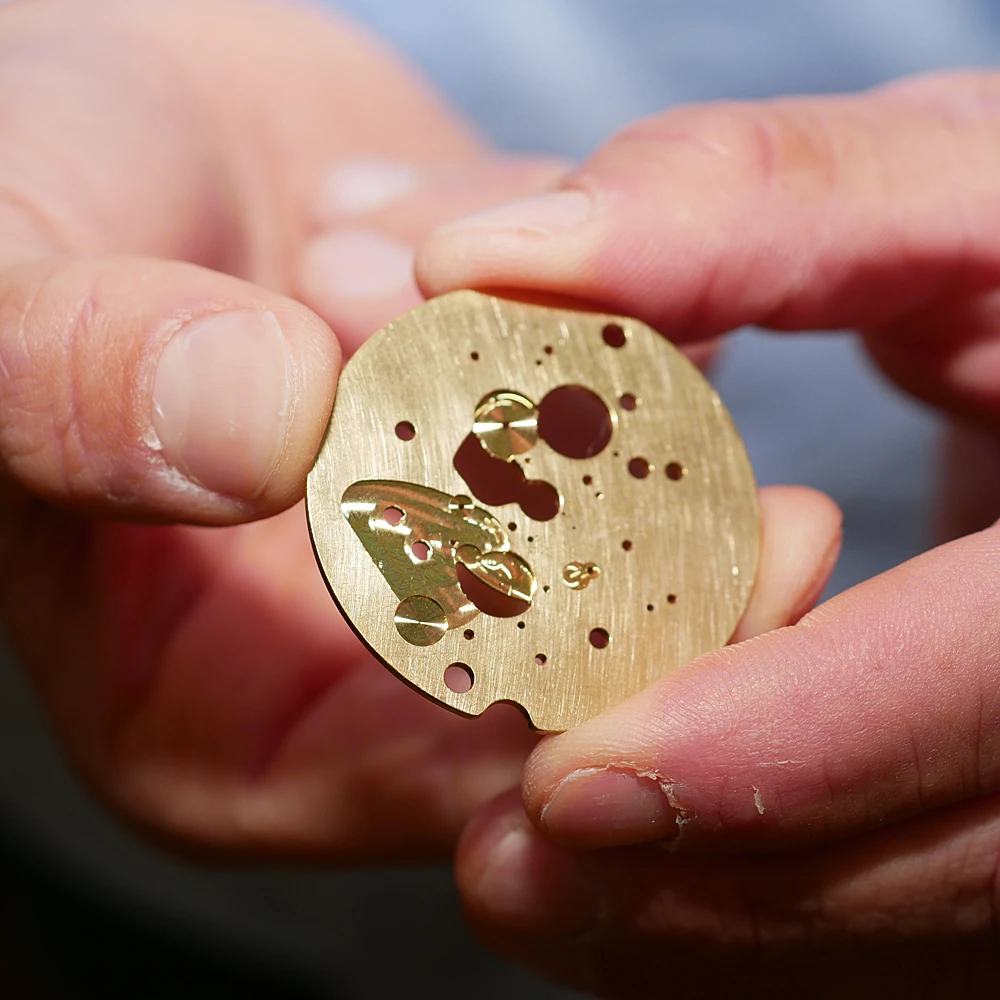
CNC machines are often used to make baseplates and bridges. Typically, the life of a baseplate or bridge begins as a square brass plate, termed a ‘barquette’, albeit other metals are sometimes used. Everything is about tolerances. It’s a world where microns rule. The CNC machine has to be programmed to use a variety of tools and perform a series of operations, namely drilling and milling.
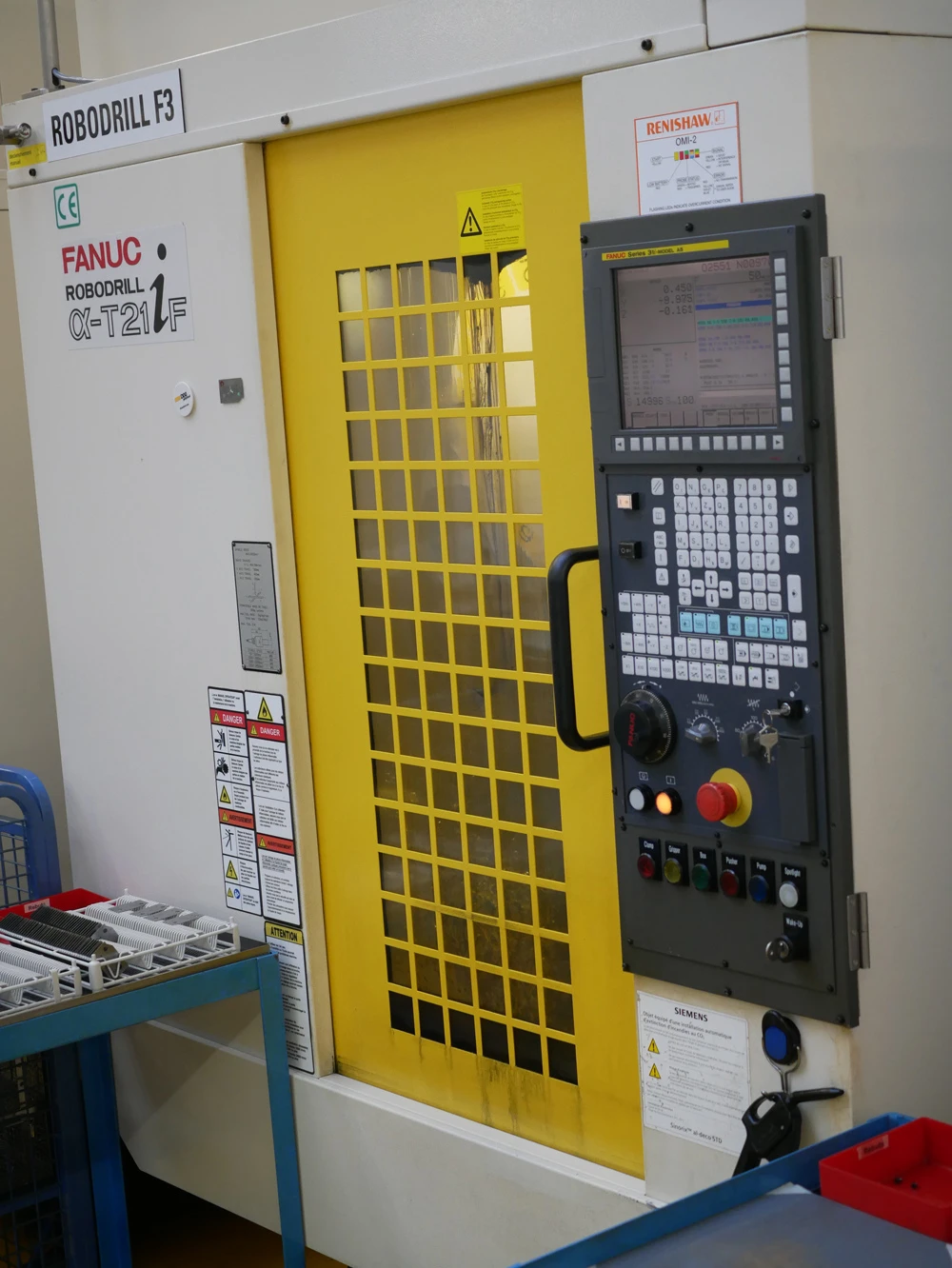
A skilled operator programs the machine, a task that can take several hours. Due consideration is given to the materials to be milled and cutting speeds. These machines are normally used for producing small numbers of parts, especially when a task is complex. Indeed, some of the CNC machines used at the Manufacture are ‘5 axis’ machines, allowing drilling and milling operations to be performed from different angles.
Electro discharge machines (EDM)
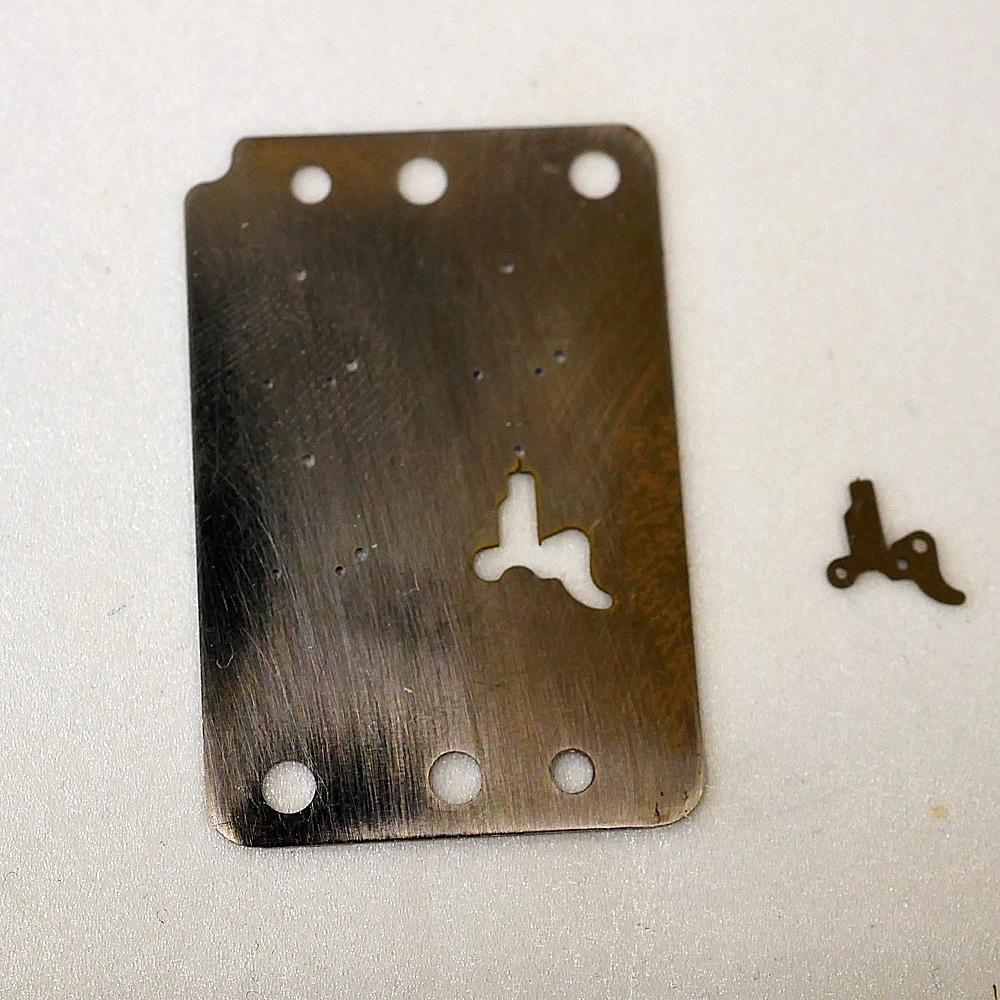
EDM machines are typically used for making small components, such as levers, to miniscule tolerances. At MLJP (Manufacture La Joux-Perret) this tolerance is typically 0.5 microns (1 mm = 1000 microns).
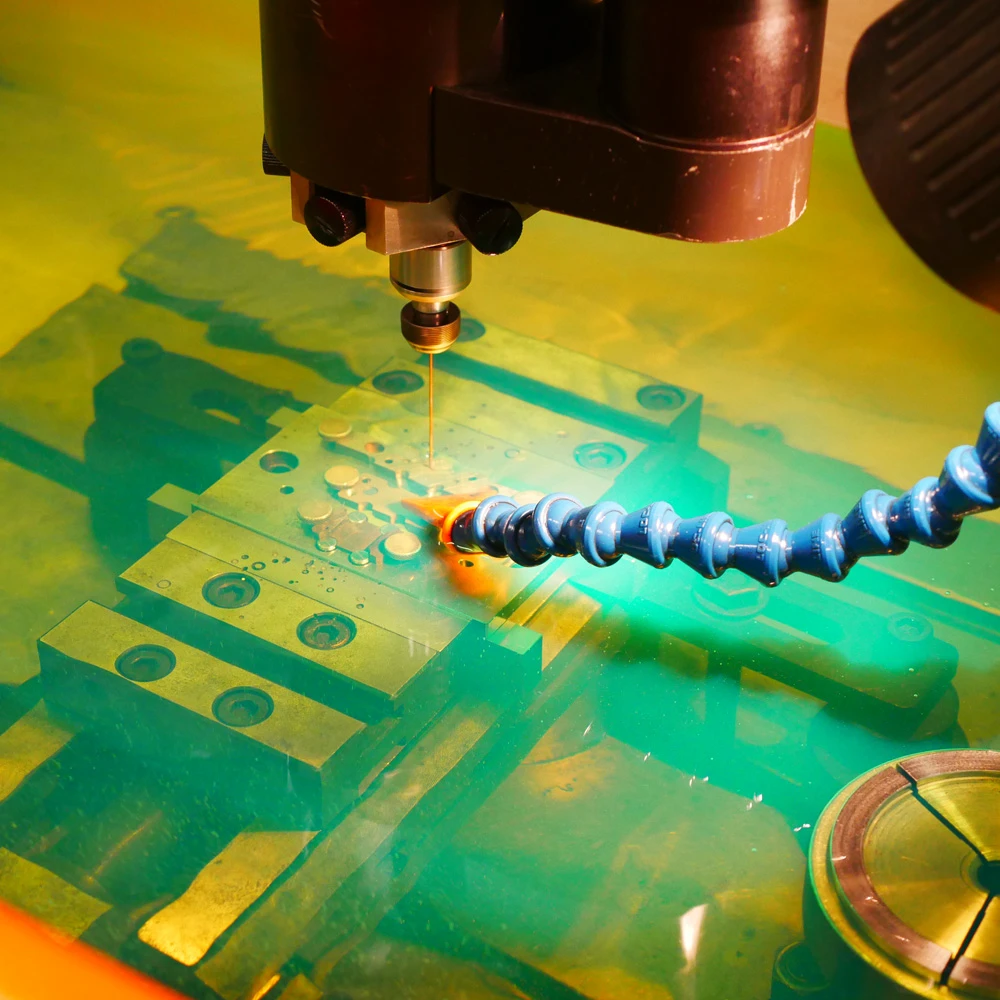
Metal plates are placed in the EDM, immersed in deionised water and subsequently cut with a fine wire. The wire is held on a reel and directed downwards towards the metal plates located below. By passing an electrical current through the wire, small components such as levers can be cut very precisely.
Bar turning machines
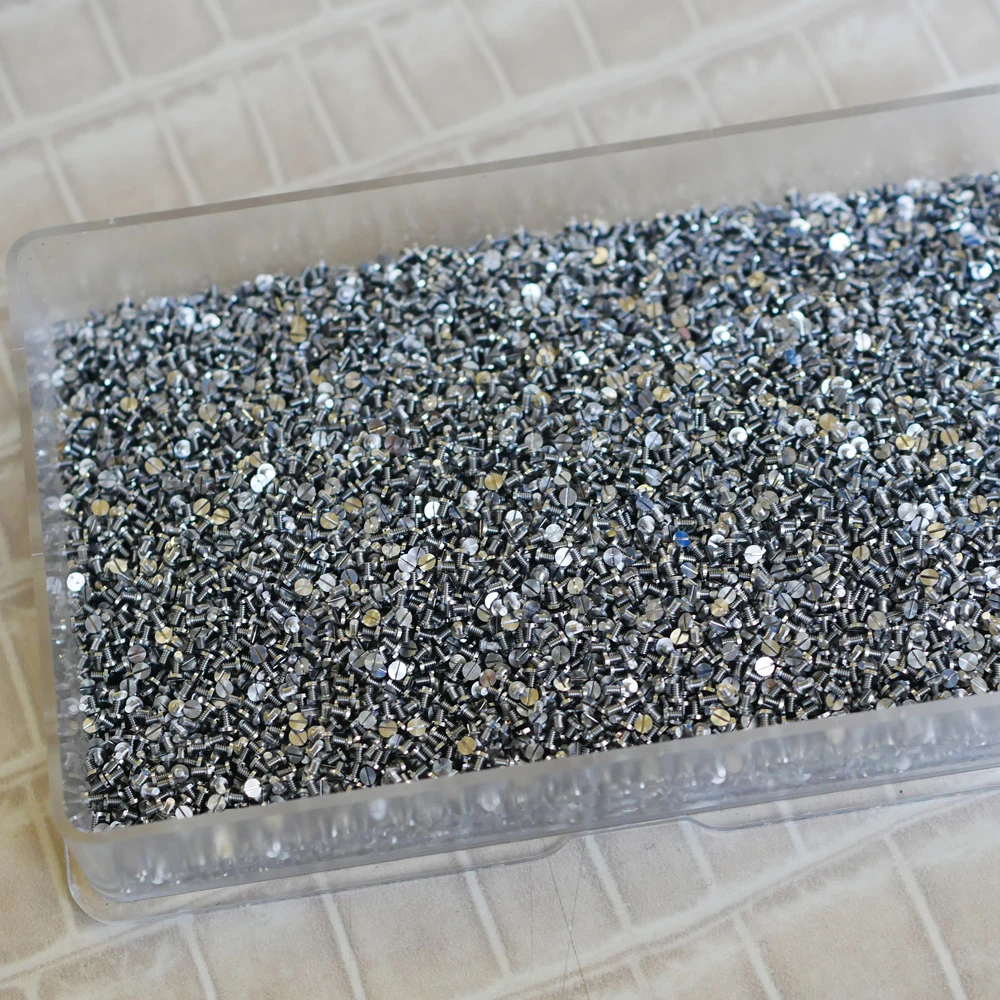
MLJP uses bar turning machines to make pinions, pivots, screws and wheels, endowing parts with different teeth profiles where applicable. Each machine features a hopper filled with long rods of metal, usually brass or steel. The rods are pushed from one end towards the cutters at the other end of the machine. As the parts are cut, they are sprayed with oil to prevent any heat damage and to mitigate tool wear.

Making an Arnold & Son watch – stamping
The term stamping is used to describe the cutting or deformation (bending, embossing, flanging, grinding, etc) of metal, typically steel or brass. The metal is supplied in sheet form, often on reels and fed into a machine where it is stamped under colossal pressure eg 10 tonnes. The stamped parts are near-identical with tolerances measuring just a few microns.
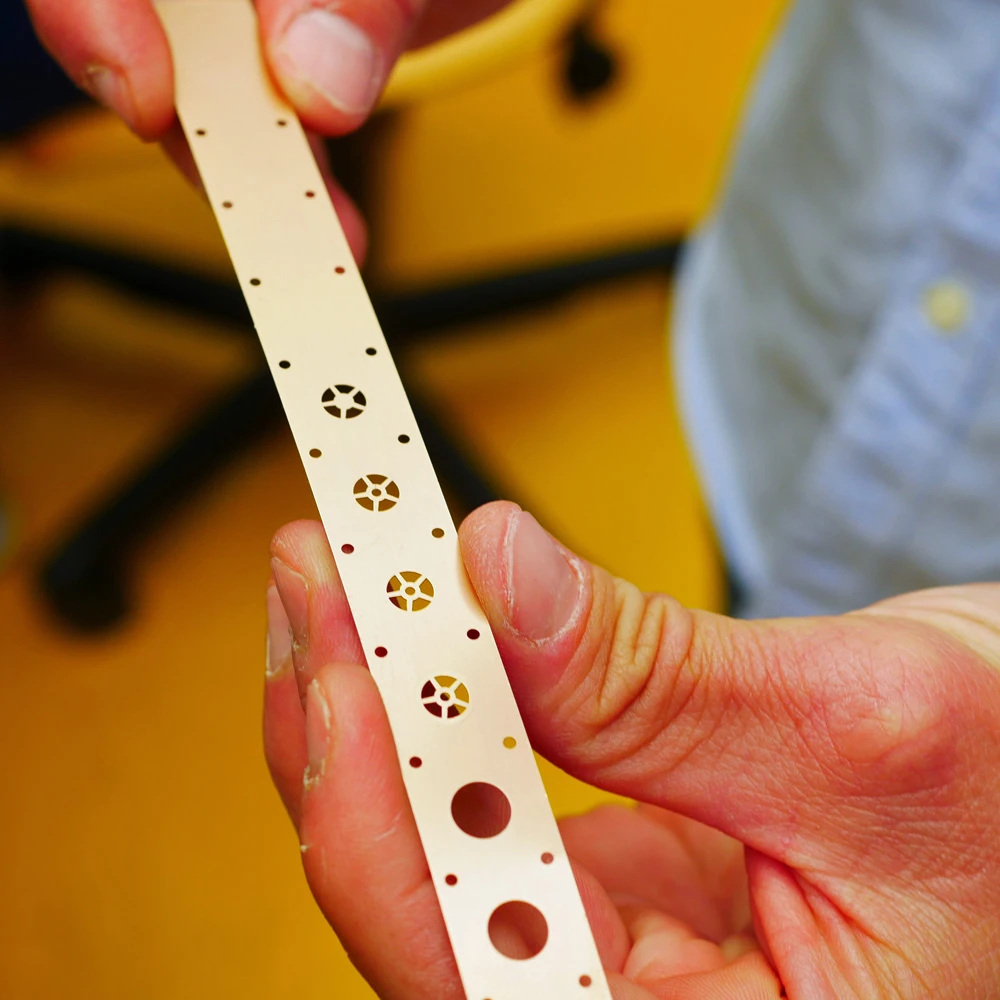
Stamping requires bespoke tools to be made, a highly-skilled task that is performed in-house by MLJP personnel. The cost of making the tools and setting up the machine means this process is only used for high-volume parts. Once stamped, parts are subject to heat treatment in order to improve their overall strength.
In some cases, parts may be initially stamped and then further processed using CNC.
Making an Arnold & Son watch – treatment
Once parts are made using one of the aforementioned methods, they must be washed. This process will remove any oil residues, along with other soils and swarf.
Small pieces of superfluous material that are attached to the machined parts may need to be manually removed using a deburring tool. The superfluous material will typically be too large to be removed using sandblasting or trovalisation (see below).
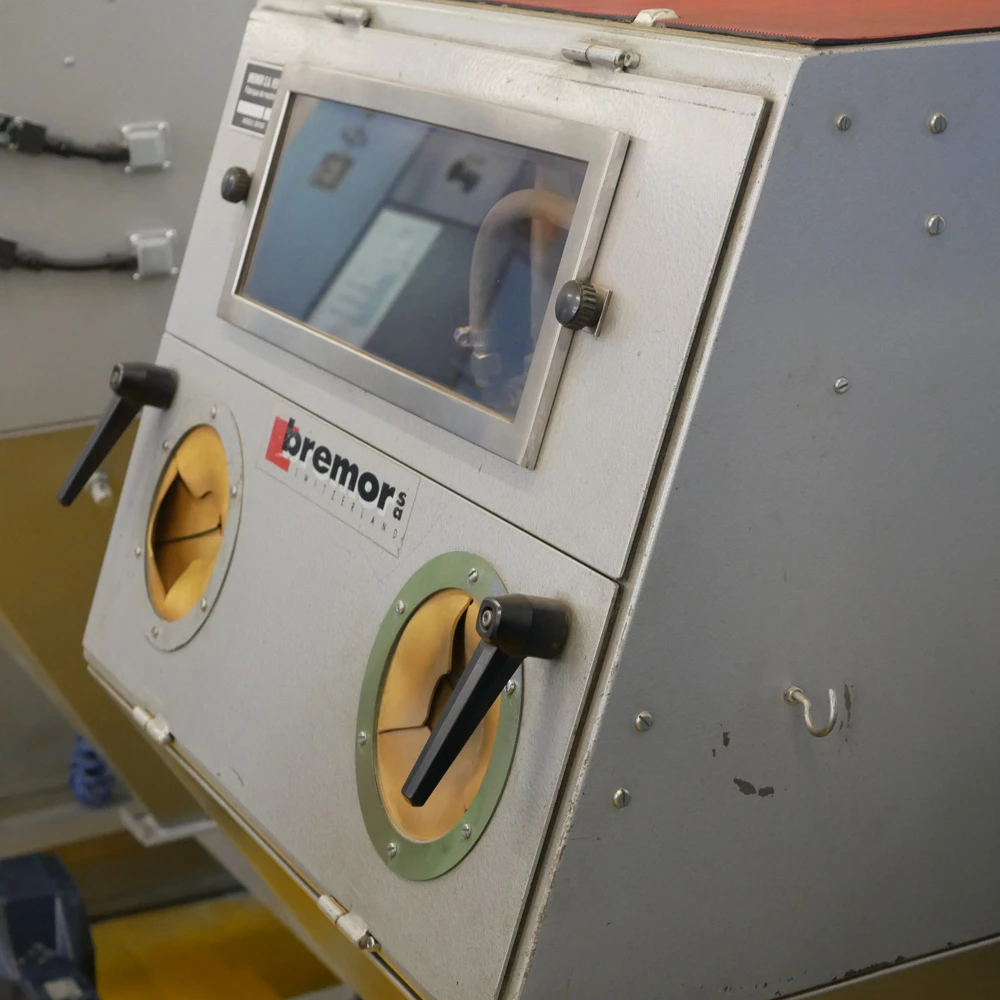
Sandblasting is often used to remove small burrs and can also be used to change the appearance of parts. Typically, aluminium oxide or glass is used for this task.

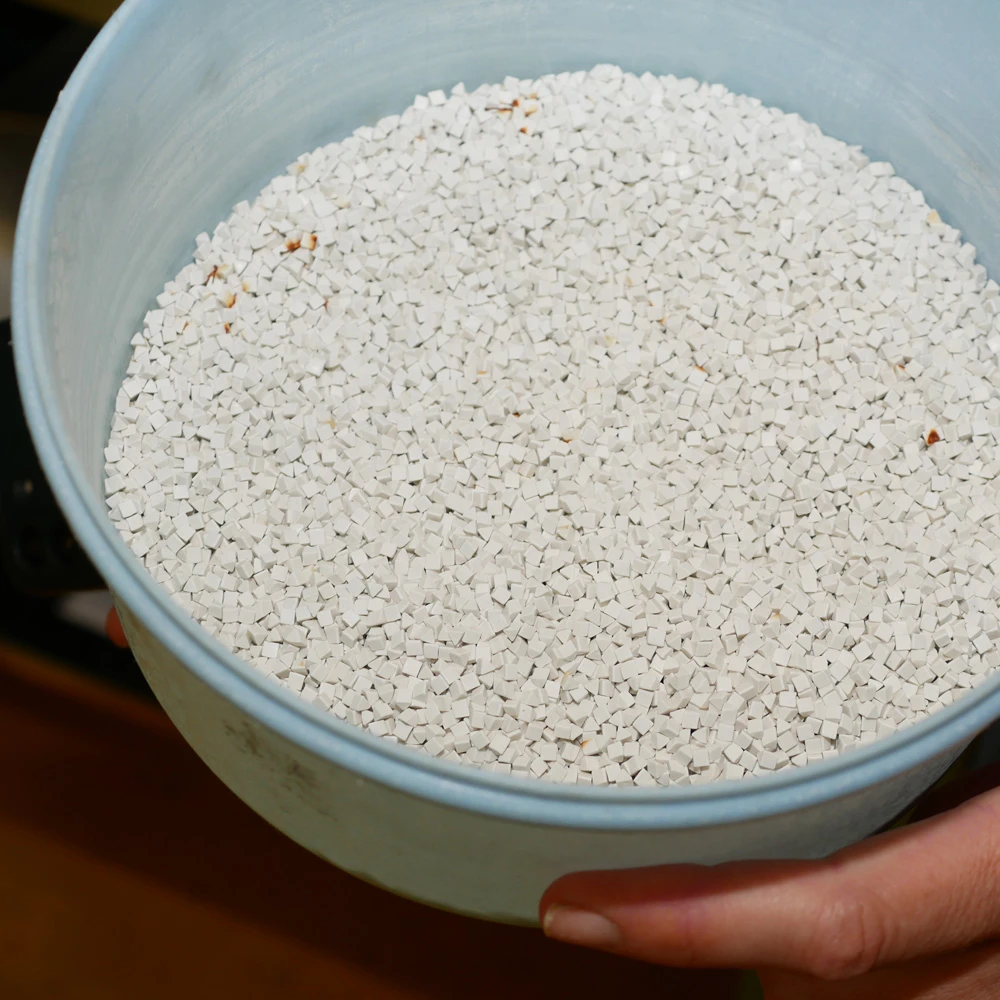
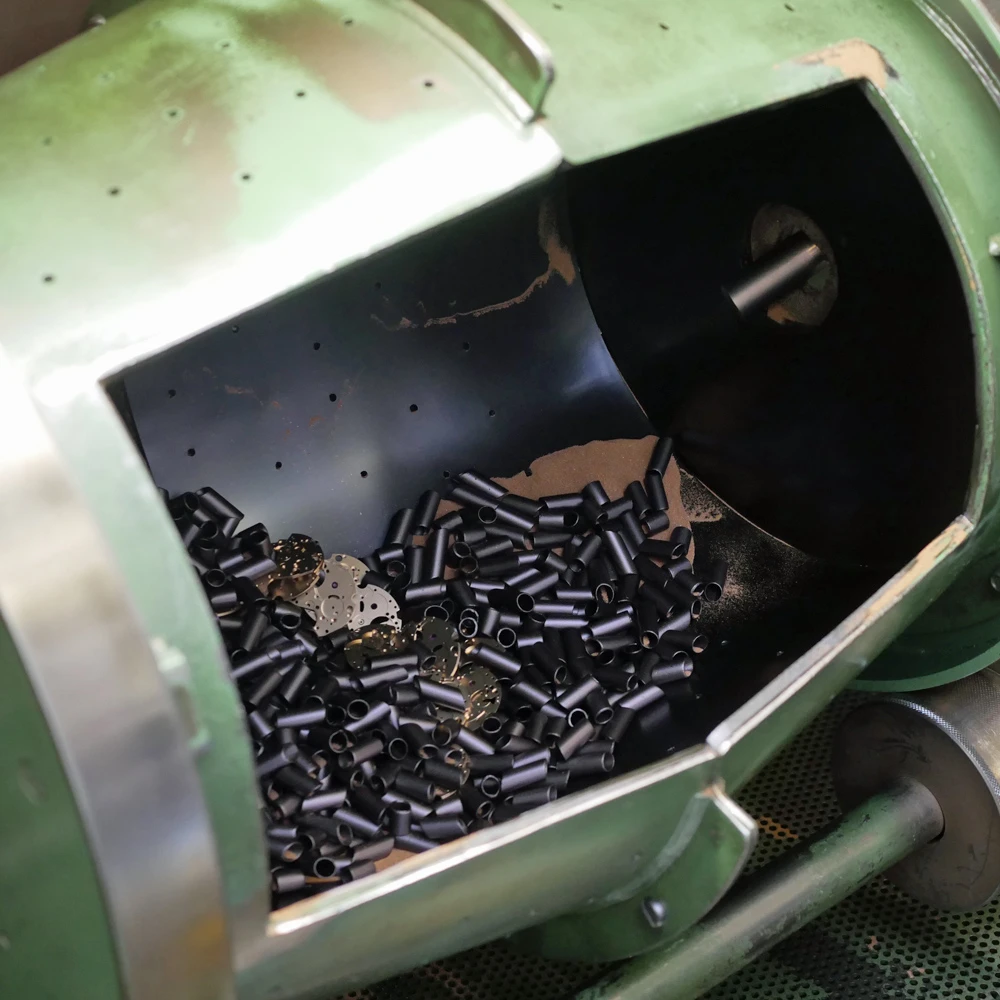
Trovalisation is another technique used to remove burrs. It involves using abrasive materials such as ceramic, porcelain, copper, etc. The parts are placed in a machine, along with the abrasive materials, and then it vibrates or tumbles, removing the burrs. The speed, and the type and size of the abrasive particles, influences the resultant finish.
Making an Arnold & Son watch – finishing
The objective of finishing is to remove traces of machining, enhance corrosion resistance and remove any extraneous material that could impinge on the reliable operation of the movement. Typical finishes include perlage, anglage, Côtes de Genève motif and engraving. In terms of Arnold & Son, many finishes are applied by hand, upholding time-honoured traditions.

Making an Arnold & Son watch – assembly and regulation
Once parts have been manufactured and treated, assembly and regulation take place. Garnissage, or pre-assembly, involves press-fitting and the insertion of miniature components onto thin or delicate fixtures. Due to the nature of these delicate parts, they can bend or break. A team of specialists pre-assembles these components and passes them to the watchmaker in kit form.
These kits of pre-assembled parts, together with larger components, again placed in protective boxes, are passed to a trained watchmaker. He or she will then begin the assembly process, working within a dust-free environment. A pen-like oiling tool will be used to apply a variety of lubricants. The type of oil and the amount used will be determined by the nature of the part.
The watchmaker must exercise great care at all times so as not to spoil the pristine appearance of the parts. For example, a careless slip of a screwdriver could easily damage a screwhead or, even worse, a mainplate.
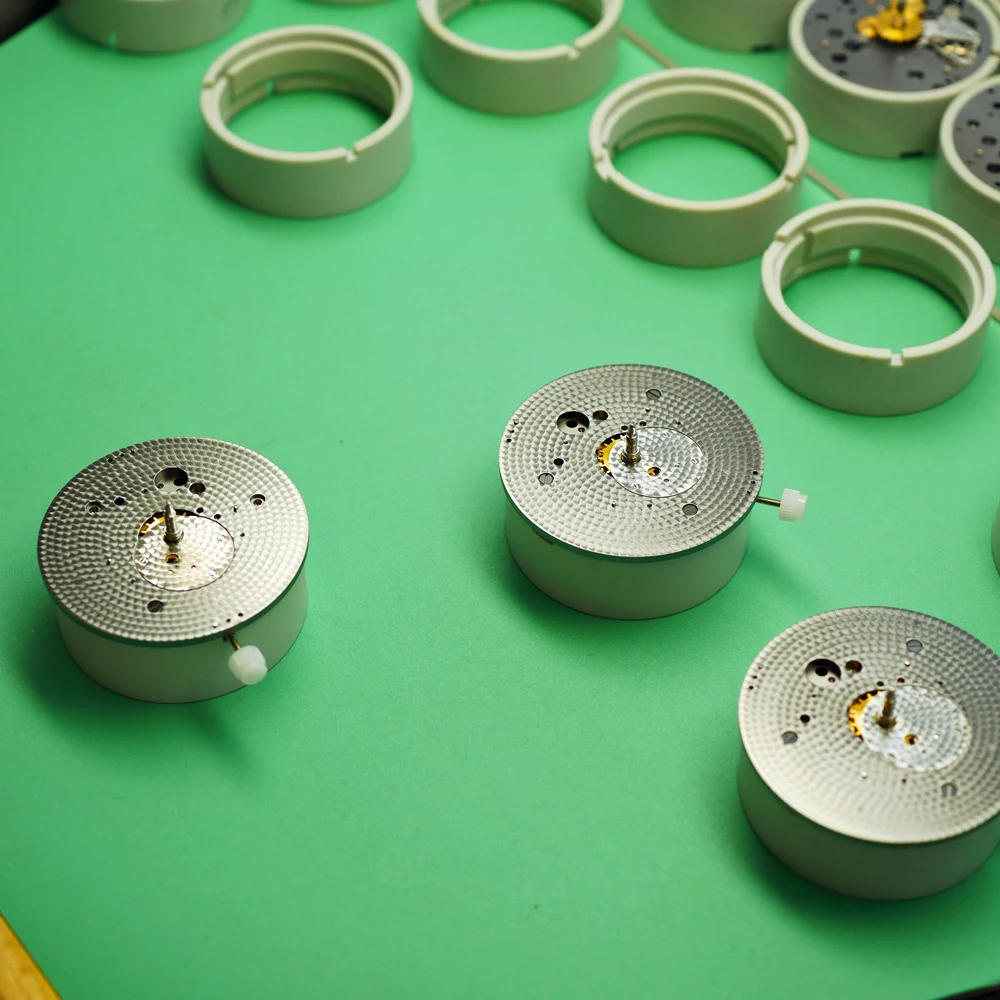
During the assembly process, the watchmaker will ensure that all components behave as intended. Thereafter, the assembled watch needs to be regulated. There are two forms of regulation systems found on Arnold & Son watches.
The first type is an index-regulator which alters the effective length of the hairspring, making the watch run faster or slower.
Alternatively, a movement can be fitted with a free-sprung balance. With this system, the length of the hairspring is fixed and the rate is altered by adjusting inertia weights affixed to the rim of the balance wheel.
The uncased movement is placed on a Witschi Watch Expert machine. This test instrument uses a powerful microphone to listen to the movement and indicates the rate accuracy, amplitude and beat error. The watchmaker will make any necessary adjustments to the movement and then the watch is ready to be cased up. This involves removing the caseback from a prepared case, fitting the dial to the movement, adding the hands and placing these components in a case along with a casing ring. The crown and crown stem are inserted into the movement and the caseback is refitted.
Next, the completed watch head is tested for water resistance using a Roxer machine. This involves placing the watch in the machine, where it is submerged in water. The immersed watch is subject to pressure to simulate being worn at a specific depth underwater, eg 100 metres.
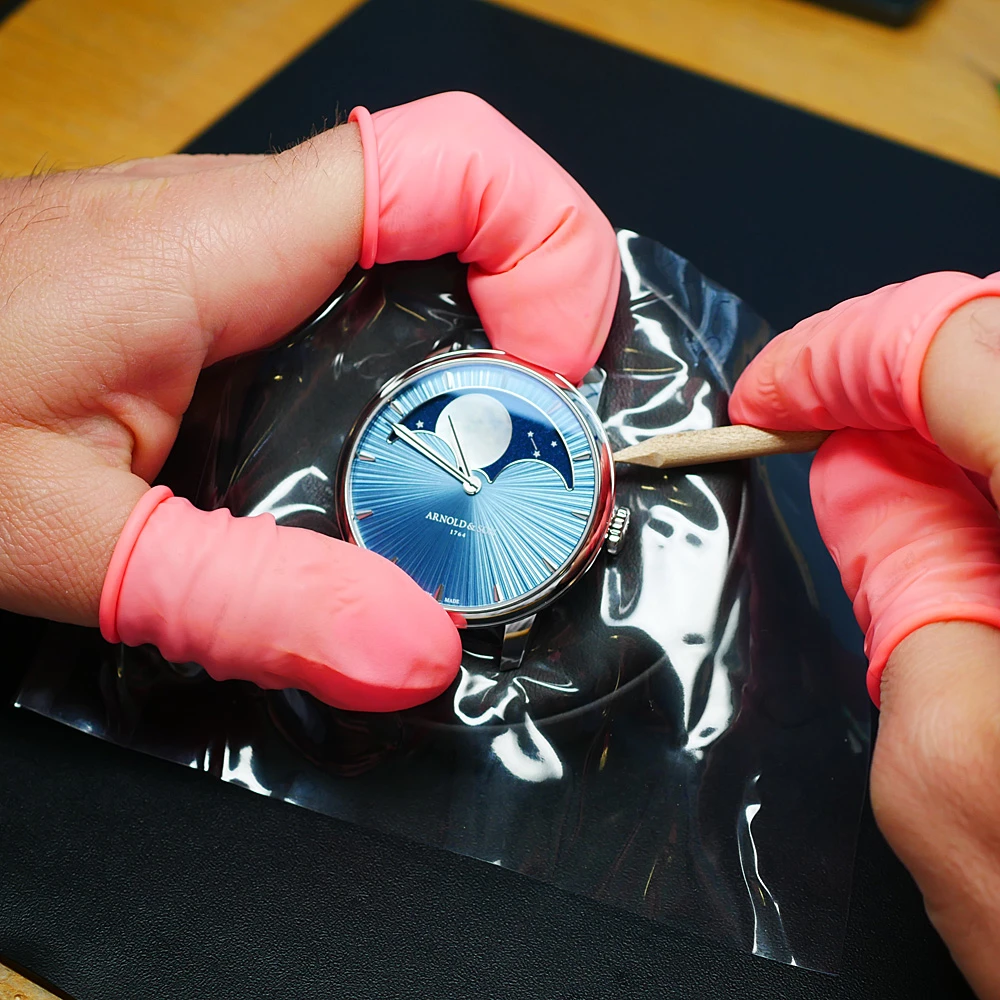
Arnold & Son Perpetual Moon Platinum Celestial Blue
Finally, the watch is checked for any aesthetic imperfections, the strap is fitted and it is dispatched to the authorised Arnold & Son stockist.
Making an Arnold & Son watch – closing thoughts
Standing in front of Manufacture La Joux-Perret, the modest façade led me to assume the building was small. However, its appearance is deceptive as this is a large facility, stretching back a significant distance. And to be honest, considering the many functions performed at the site, the building clearly needs to be large.
There are numerous processes taking place at MLJP. The selection of materials and finishes employed as well as the manufacturing techniques used are primarily determined by volumes and the target cost of each part or component produced. As I toured the site, I saw several famous names that have entrusted MLJP with supplying them with products. From a simple part to a complete movement, there appears to be little this company can’t make.
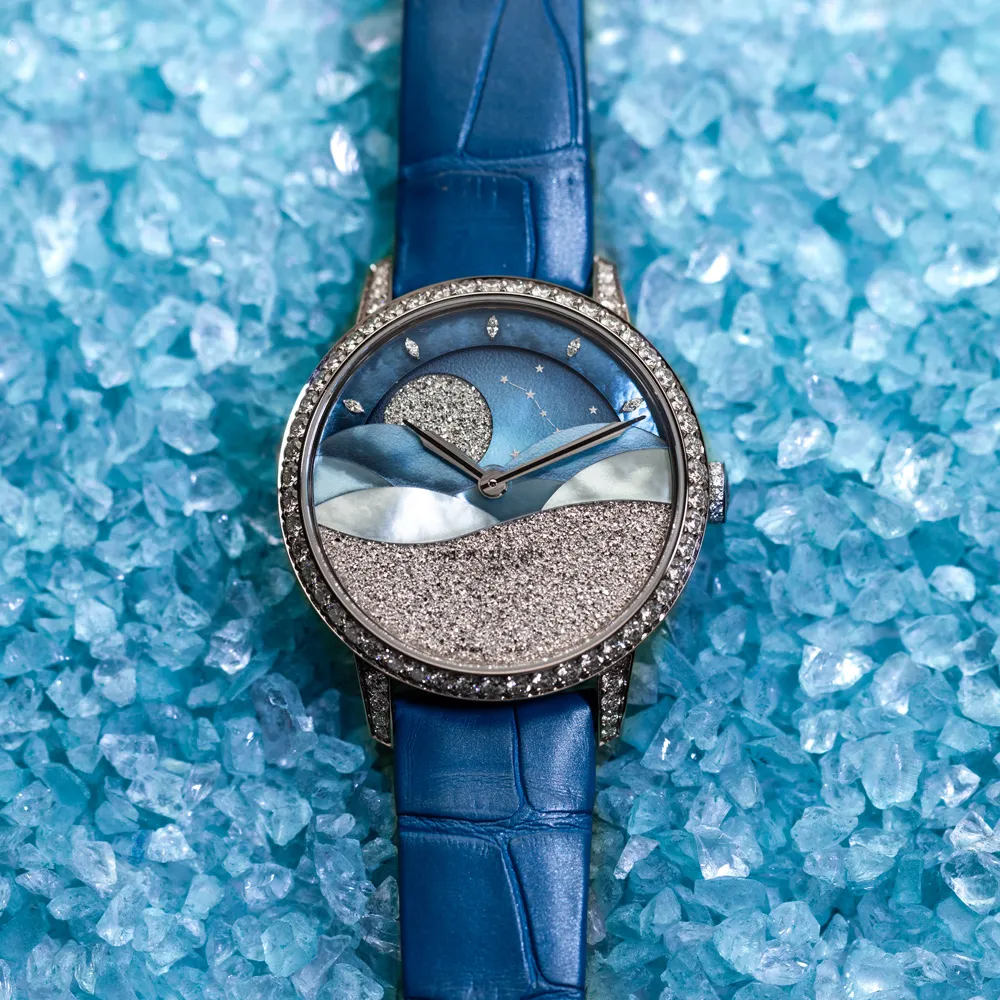
Image – Arnold & Son Perpetual Moon 38 Mintnight
Based in La Chaux-de-Fonds, the location of MLJP makes much sense. Many of its customers and suppliers are located in the area. The city is a centre of excellence, an attribute manifest in the Manufacture.
When it comes to making an Arnold & Son watch, the brand’s team of experts and their colleagues at Manufacture La Joux-Perret know that only the best will do. Fine materials, exquisite decorations and flawless finishing are synonymous with Arnold & Son watches. Indeed, this is readily discernible when an A&S model is affixed to the wrist.

Image – Arnold & Son Luna Magna Platinum Meteorite
Arnold & Son unites old methods and new techniques. Moreover, it enjoys the benefits of industrialisation while wholeheartedly embracing artisanal craftsmanship. Unusually, for a Maison producing high-end, low-volume products, it has vast resources at its disposal.
The firm’s watches are the product of know-how, patience and handcraftsmanship. Arnold & Son demonstrates the wisdom of specialisation, an approach that delivers many benefits for its discerning clientele and an approach that was first seen in La Chaux-de-Fonds in the 17th century where this story began.