
Niton Prima Watch Review
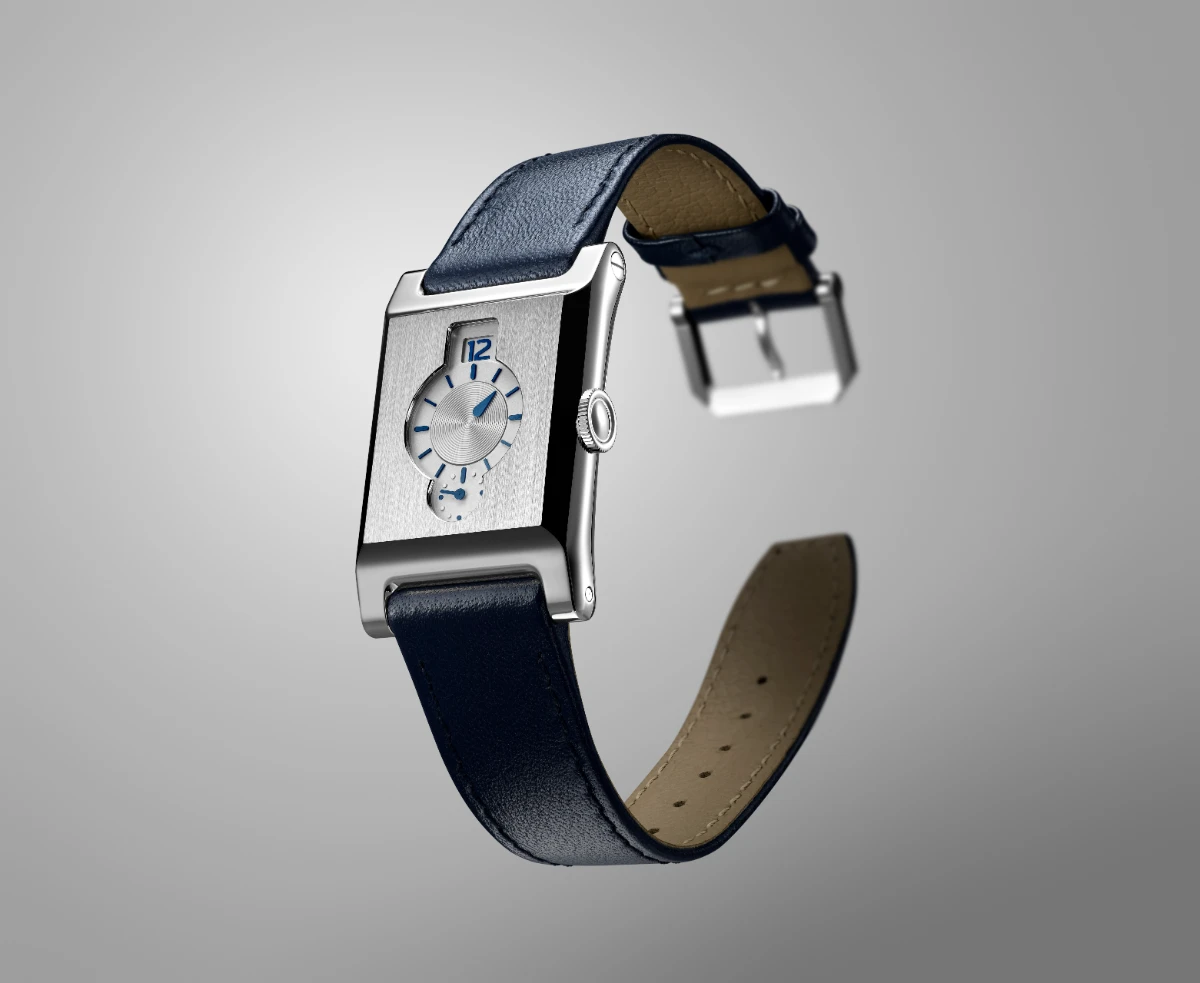
The Niton Prima was unveiled earlier this year, marking the return of an illustrious name. The revived company’s inaugural model bears the prestigious Poinçon de Genève and is limited to 19 examples in platinum and a further 19 pieces in rose gold. Mark McArthur-Christie delves into the history of the brand and shares some of his observations on this Haute Horlogerie creation.
Introduction
The Rover P4 75, that classically British four-seat saloon, was unveiled at the Earls Court Motor Show in September 1949. Enough wood to veneer a sideboard, a couple of cowsworths of leather and the sort of understated exterior that was far too restrained to even think about frightening the horses.
Seventy years on, the same firm, albeit under very different ownership, sprang a completely new, modernised car carrying the same name on an unsuspecting world. Unlike the original 75, Richard Woolley’s 1998 exterior was polarising, but that was nothing compared with Wyn Thomas’ and the late John Gregory’s interior with its mantlepiece clock instruments, slabs of wood and piped leather chairs. The sentiment at launch was perhaps best summed up by owners’ friends, who sent them packets of Werthers toffees and pairs of driving gloves.
A fine car despite the mocking – the V6 estate or ‘Touring’ version was particularly sharp – but the retro lines never quite let the 75 settle into the mainstream. Recreating the past in the light of the present is a brave business.
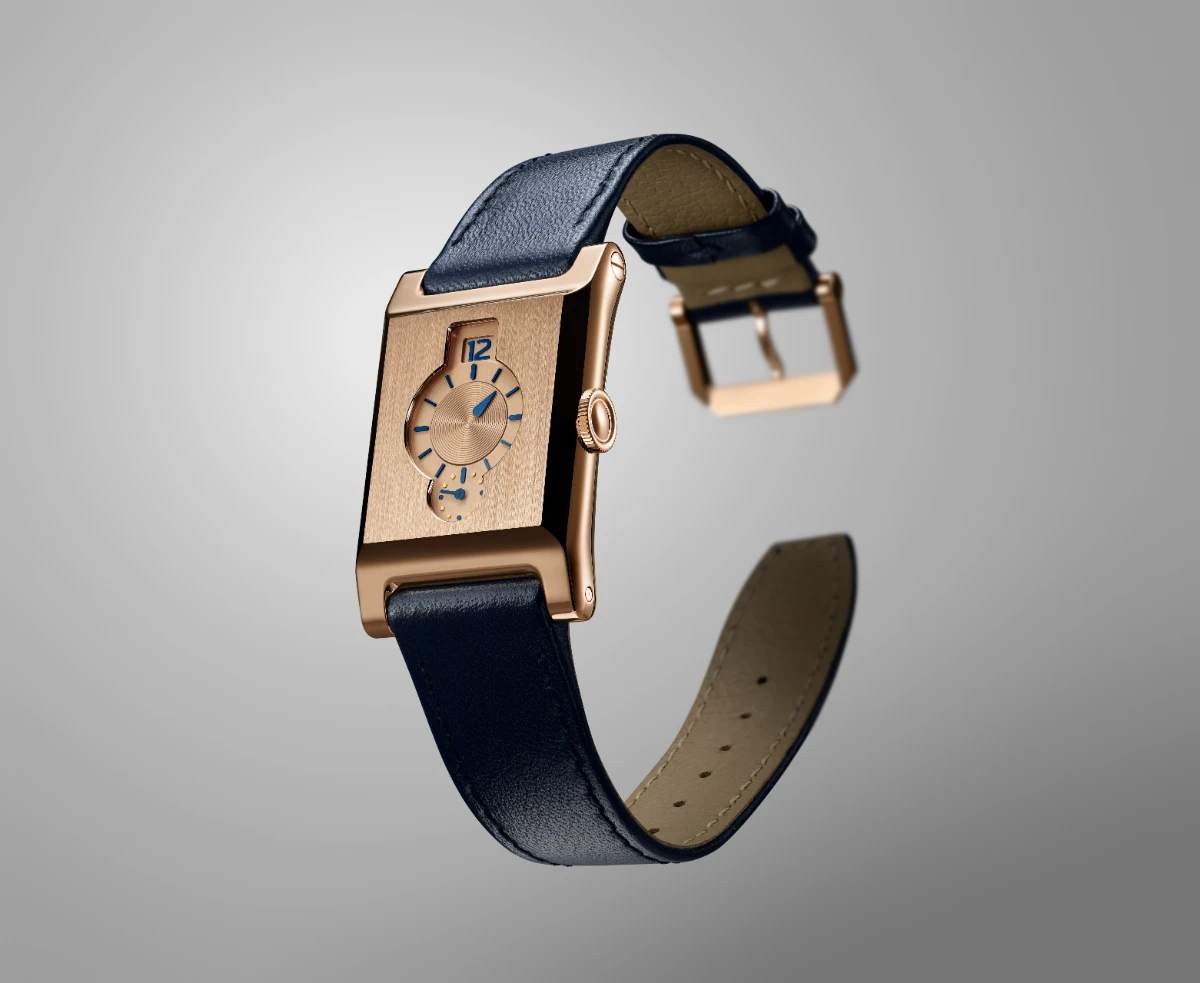
Niton Prima – a reinterpretation of a former model from 1928
Which brings us to Niton’s new Prima – a reinterpretation of a watch made by the original firm in 1928. Brave indeed, and all the more so with so many Lazarus watchmakers emerging.

Image – Leopoldo Celi (left) and Yvan Ketterer (right)
Unusually, the modern Niton has a real link with the original business. Niton – a Geneva firm since its foundation in 1919 – was started by three men, two of whom had been Vacheron Constantin staffers. Yvan Ketterer, Niton’s current Co-Owner and Product Director, is related to George Ketterer, who was not only Vacheron’s President but also worked with the original firm. Ketterer shares the helm today with Leopoldo Celi, Co-Owner and Brand Director. Geneva is indeed the sort of place where it’s inadvisable to be rude to anyone.
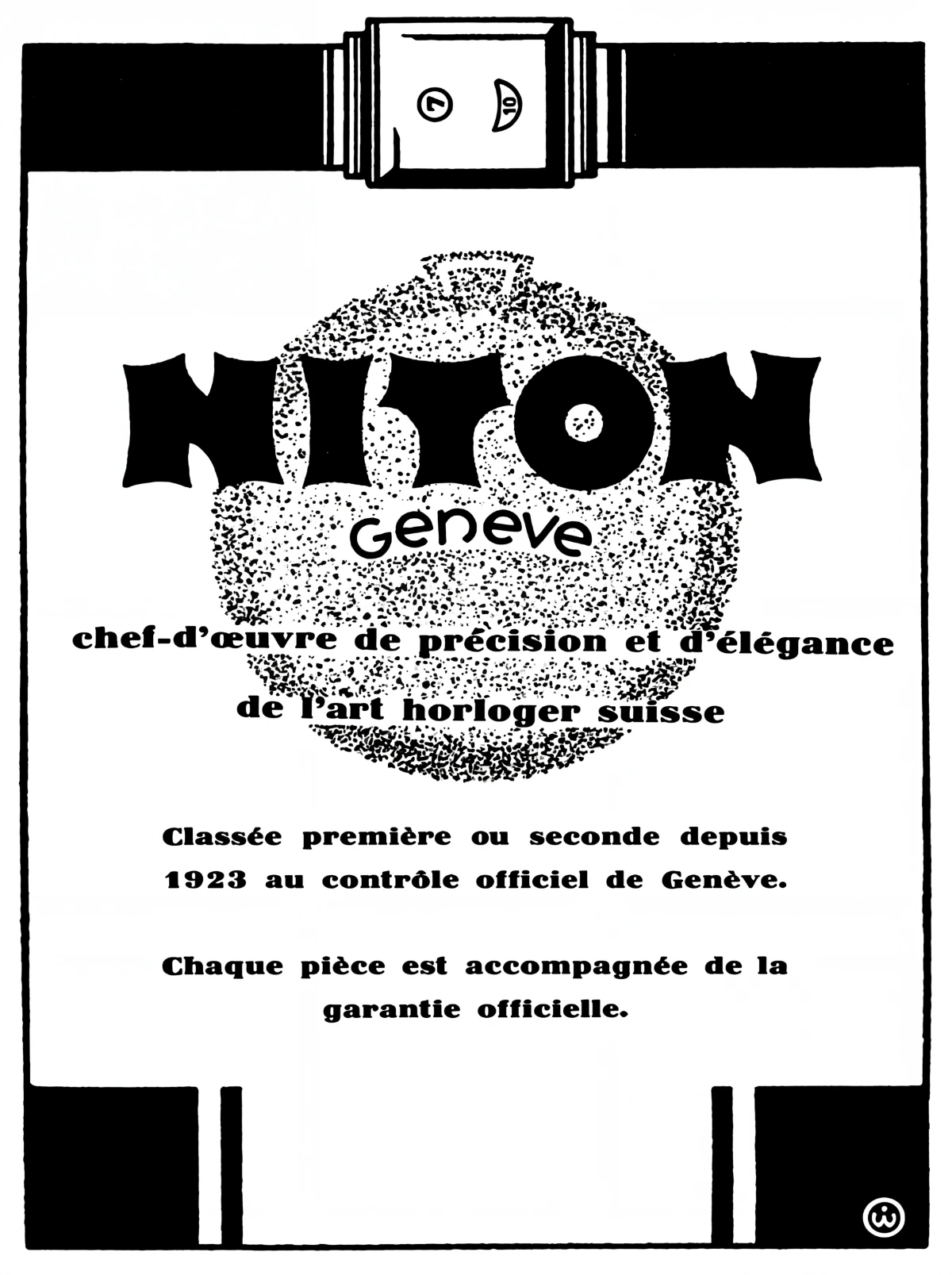
Image (credit – The Watch Library)
The Geneva link is even baked into the firm’s name. If you get a coffee (it’s worth it) from the stand above the lake’s boat cruise departure point on Quai du Mont Blanc and look towards the opposite bank, you’ll see the Pierres du Niton, two huge granite blocks jutting above the lake’s surface.
As well as making their own watches, the original Niton supplied movements to the great and the good, including an impressive perpetual calendar supplied to Patek Philippe for its P1406.
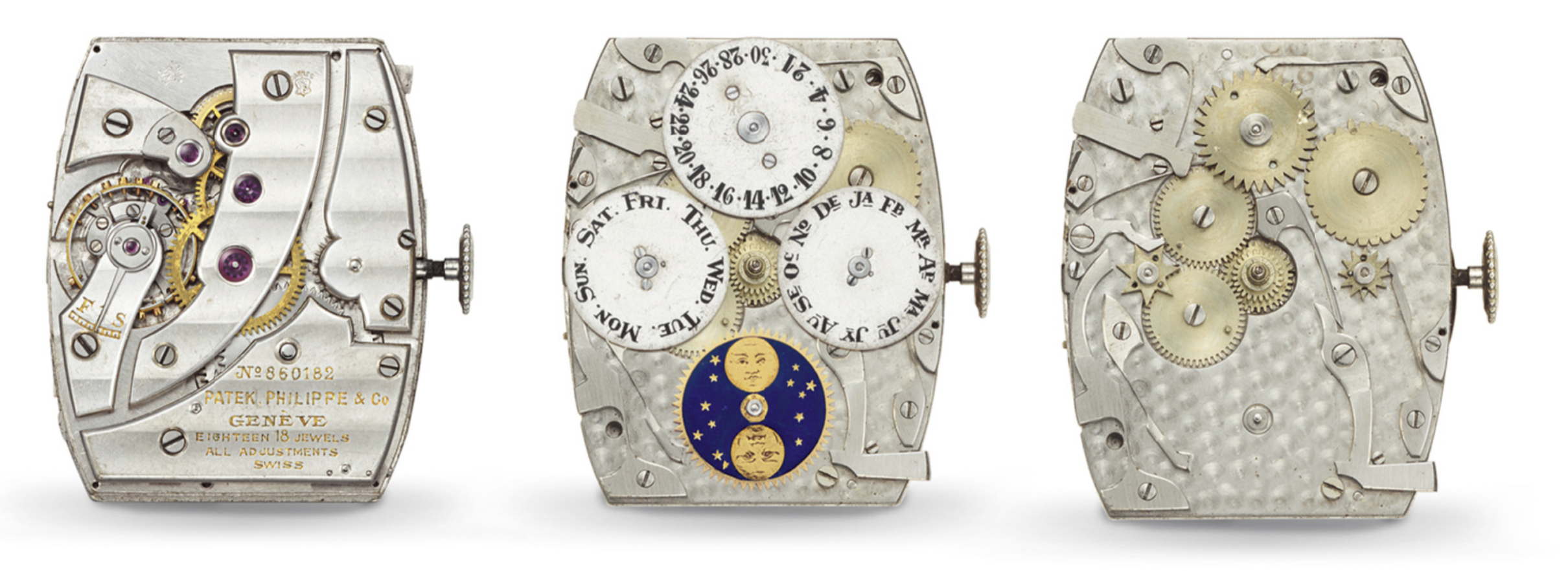
Image – Patek Niton QP (credit Patek Philippe)
Niton also produced ‘baguette’ or ‘baton’ movements designed to fit properly in rectangular cases. In the early 1930s they were making movements ranging from as small as 16 mm in length to 17 ligne (nearly 4 cm) pocketwatch sizes, all stamped with the Poinçon de Genève, a prestigious hallmark first introduced in 1886. Clearly, Niton was a business to contend with.
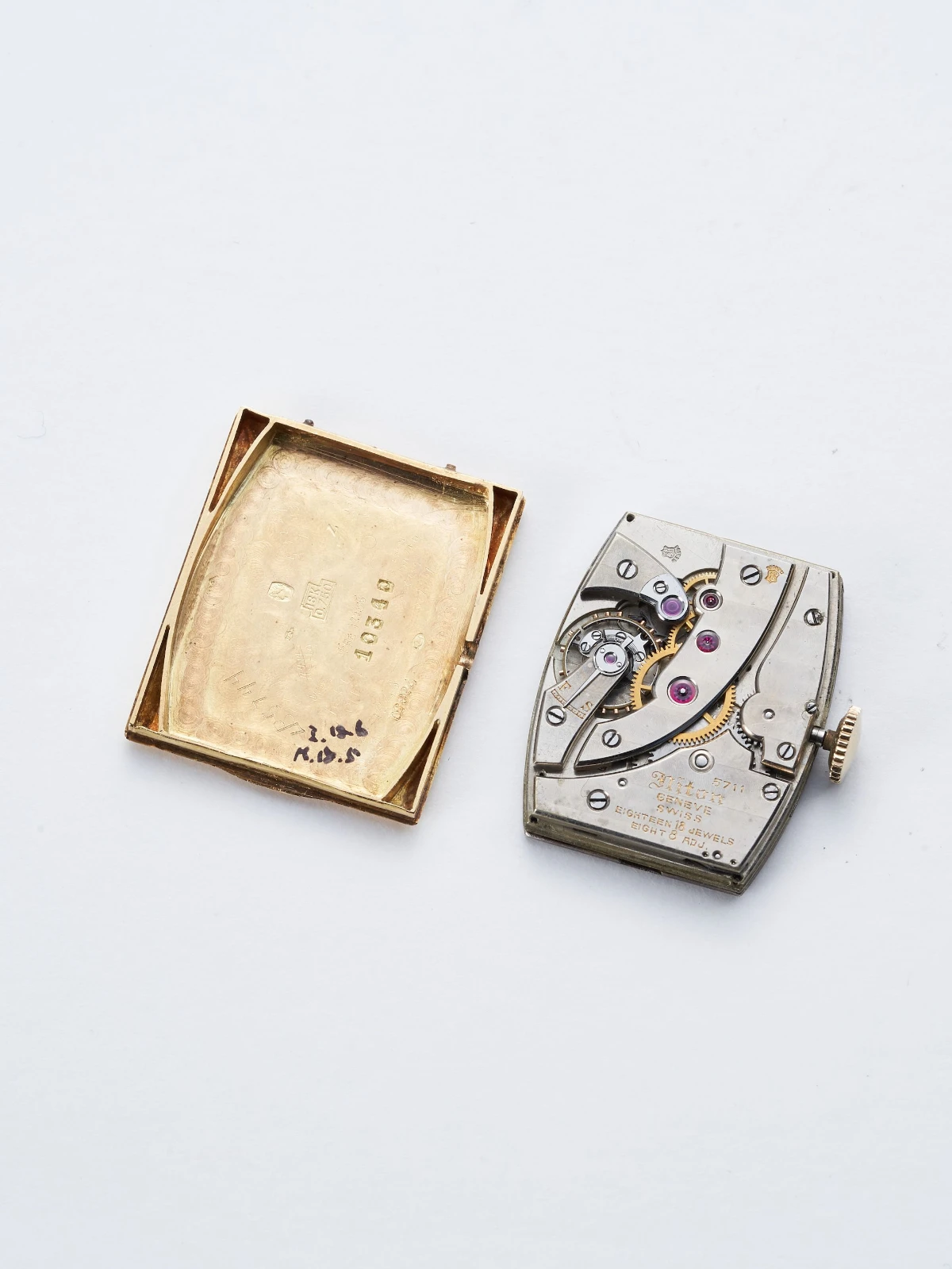
Image – Niton Jump Hour Geneva Seal Caliber (credit Bonhams)
The firm’s reception area at Rue du Stand 30 in Plainpalais – now long since replaced with a modern building – must have been sizeable too, given the number of awards the firm snagged.
Niton – Jump hour movements
Niton was known particularly for jump hour movements, often using the same layout: the hour in an aperture at the top of the case, minutes underneath on a separate disc and running seconds at the base.
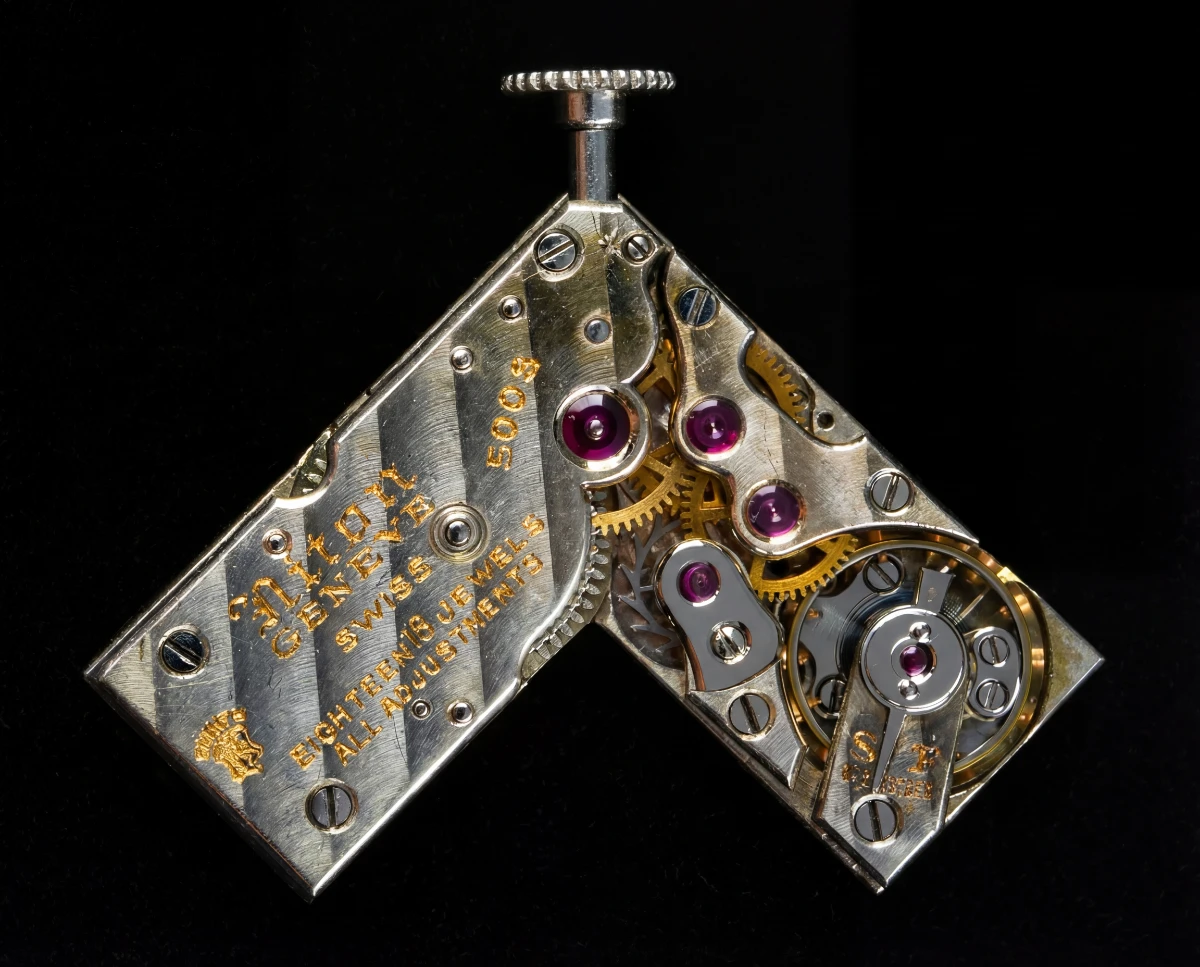
Image – Niton V-shaped movement (credit Musee d’Art et d’Histoire de Genève)
Jump hours are way more complicated to produce than they look. That’s because in a jump hour watch, torque is everything. The watchmaker needs to find a way to store and impart the torque needed to snap the hour disc round precisely on the hour, each hour and control it. A movement with rotating hands is much easier to drive – it simply needs a steady source of torque that’s easily regulated by a gear train and passed on to the hands. A jump hour has to handle a series of explosive impulses – not the sort of thing most movements need to worry about. The favoured way is through a cam or a star wheel that transmits power to a lever on the hour disc, flipping it forward.
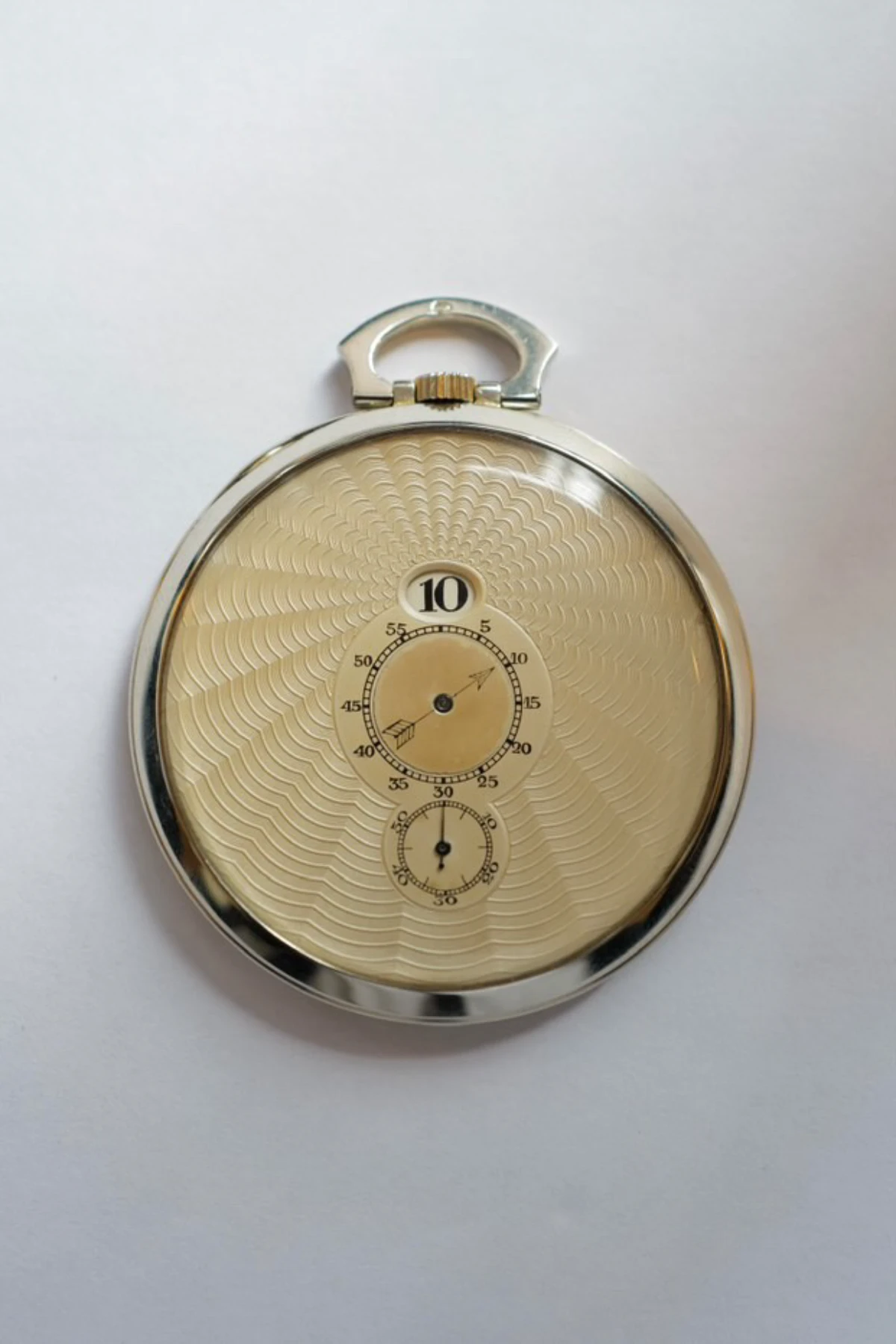
Image Niton pocket watch (credit Adam Victor)
This aggressive power delivery also has a tendency to knock timekeeping for six, so to make an accurate jump hour takes some serious ability. Handily, this seems to be just what the team behind the new Niton has in abundance. Not only does the Prima meet the Poinçon de Genève’s rather relaxed accuracy tests (so no more than a minute’s gain or loss over seven days), but it also holds the far stiffer ISO 3159-compliant chronometer certification. That means a variance in the mean daily rate of no more than -4 or +6 seconds per day. That’s a challenge for a watch with a conventional time display geartrain. For a jump hour with its bursts of spring impetus, it’s truly impressive.
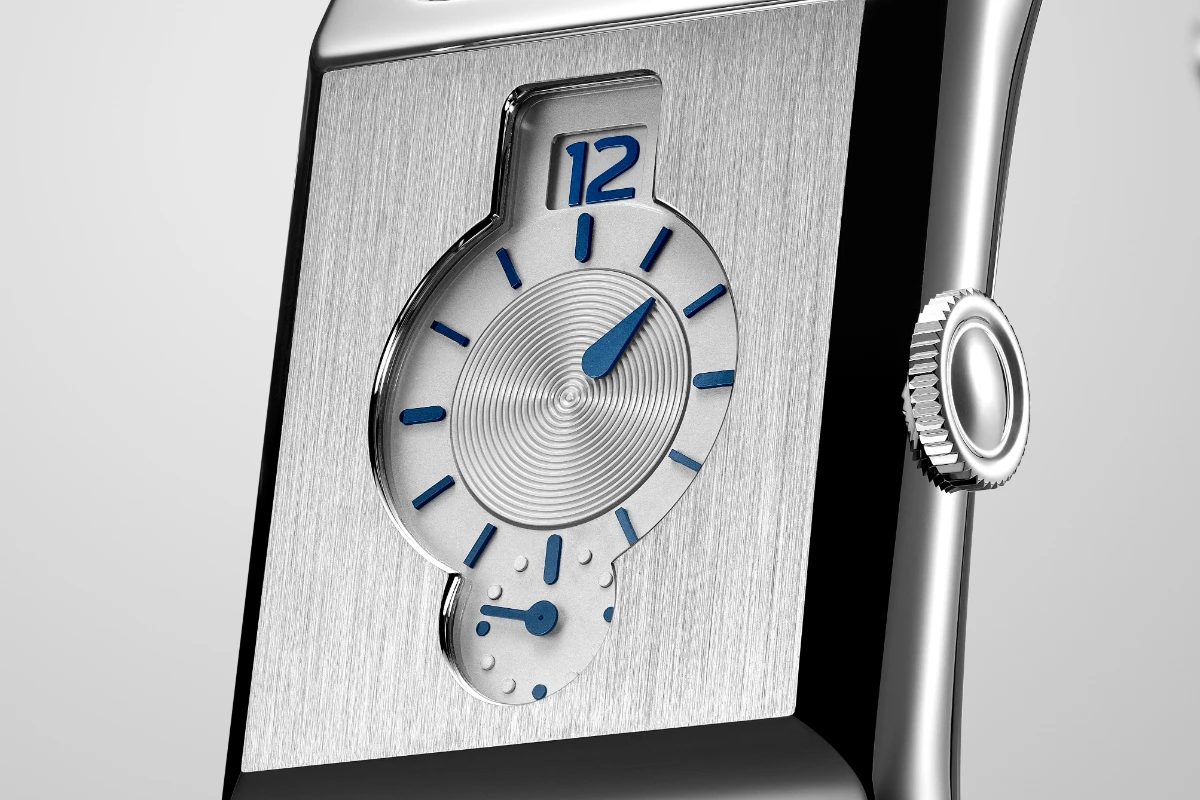
Niton Prima – Calibre NHS01
In spite of all this power juggling, this is no ticking behemoth. Niton has made its engine far more restrained – we guarantee that you’ll not have seen many like the Calibre NHS01 that powers the Prima. The way it’s designed, constructed, finished, operates and even sets is very different – and far more understated – from anything else out there.
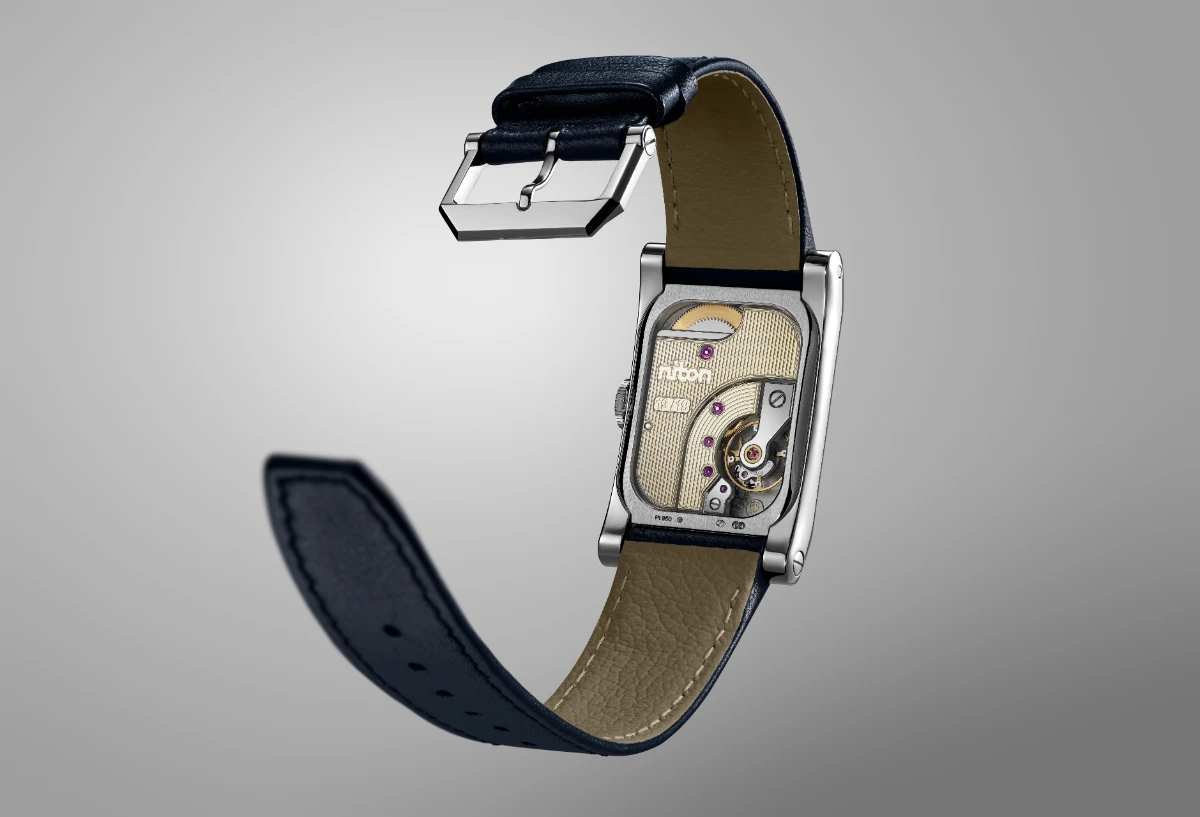
Design was thanks to Niton’s own team, but manufacturing a new movement from scratch as a start-up is an almost guaranteed path to ruin; the costs would make even a politician wince. This is where partners Le Temps Manufacture come in. Based a couple of hours’ drive north of Geneva, the firm makes components – as well as movements – for some very well-known names indeed, as well as Niton. We could tell you who, but we’d have to kill you.
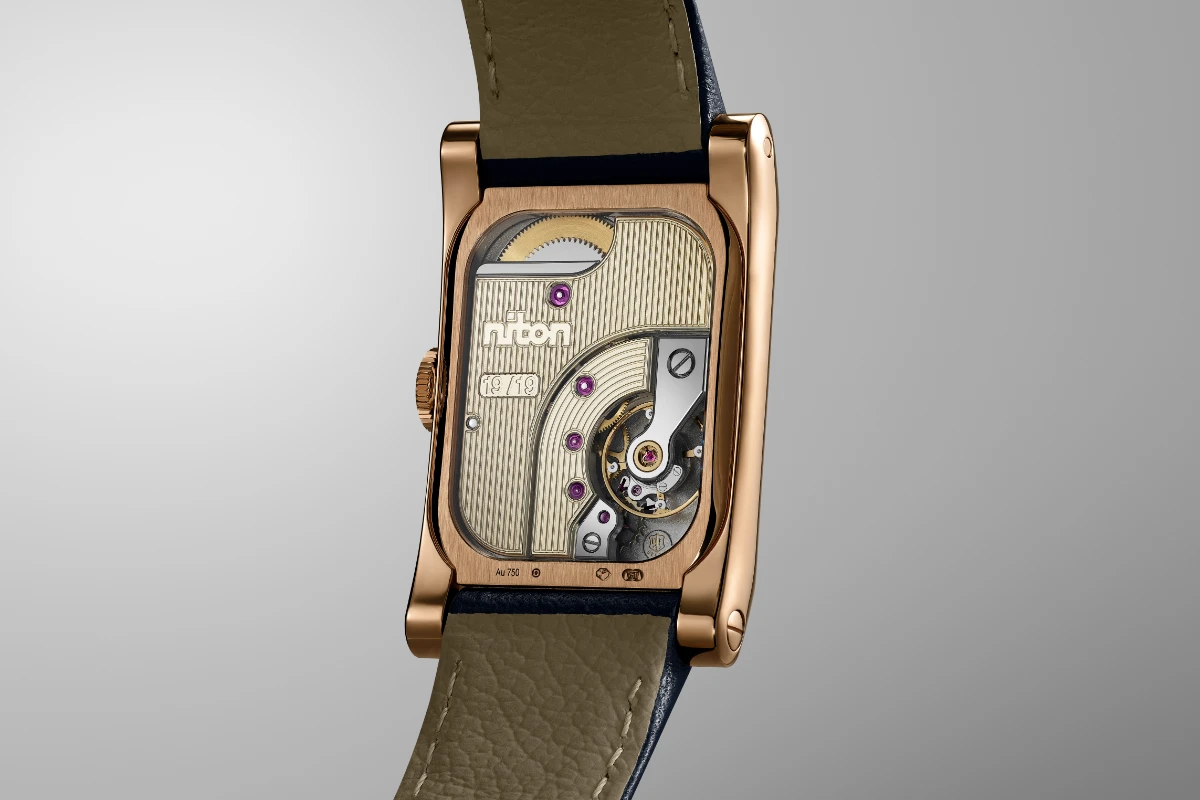
It might take a minute or so (not exactly a hardship), but looking at the NHS01, do you spot anything missing? Or even several somethings? There are only two screws visible through the Prima’s sapphire caseback – one for the black polished balance cock, the other for the similarly finished escape wheel cock. Aesthetics matter to Niton, so they’ve relocated the others to the movement’s sides to keep the bridges clean and uncluttered. Given the mirror polish on the two screws you can see, it’s almost a shame. But it leaves the bridges clear of anything but the Art Deco decorative striping (is anyone else thinking Bugatti Atlantic?), jewelling and the stem release.
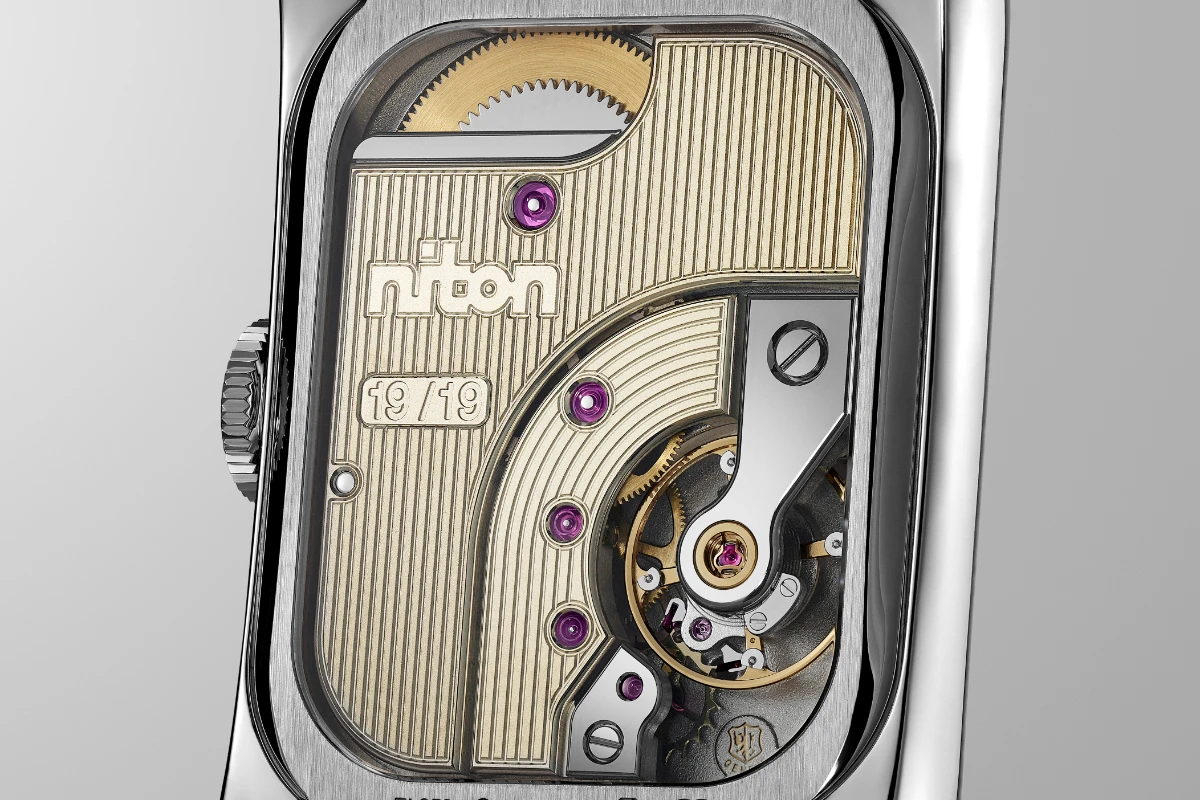
Niton and its partner have pulled off a neat trick; there aren’t too many movements that are classically beautiful, simple and unfussy and yet still pack in plenty of clever watchmaking. For a start, to set the seconds, you pull the crown – so far, so normal – but the second hand continues running until it reaches the top of the minute. For those lacking in dexterity, it avoids all the frustration of trying to pull the crown as the second hand hits 12, then having to wait another minute when you get it wrong.
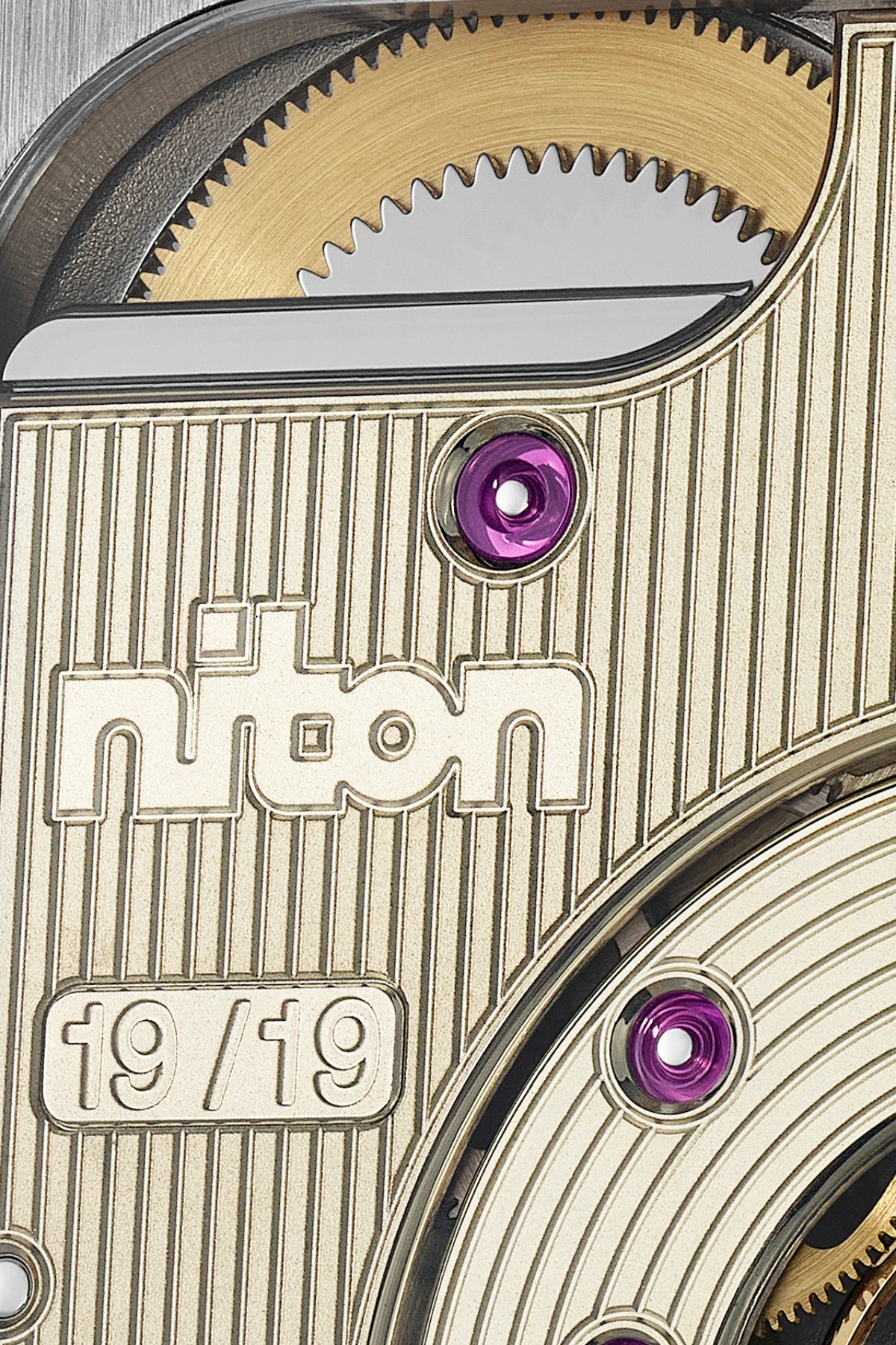
The star of the show, though, is what happens as the hour changes. On the hour, as the next number flicks into the window, a tiny, black polished hammer strikes a copper gong to give a physical and aural indication that time is passing. It’s not a chime – and you won’t upset anyone around you – but a much more mechanical feel and sound.
Keeping all of this in check is a variable inertia balance with a Breguet overcoil hairspring beating at 28,800 vph (or 4Hz). The movement, once fully wound, will run for a decent 72 hours.
Niton Prima – design
It’s tough to be ‘inspired’ by an existing, much older, design and still get it right for today. But that’s what Niton has done with the dial and casework on the Prima.
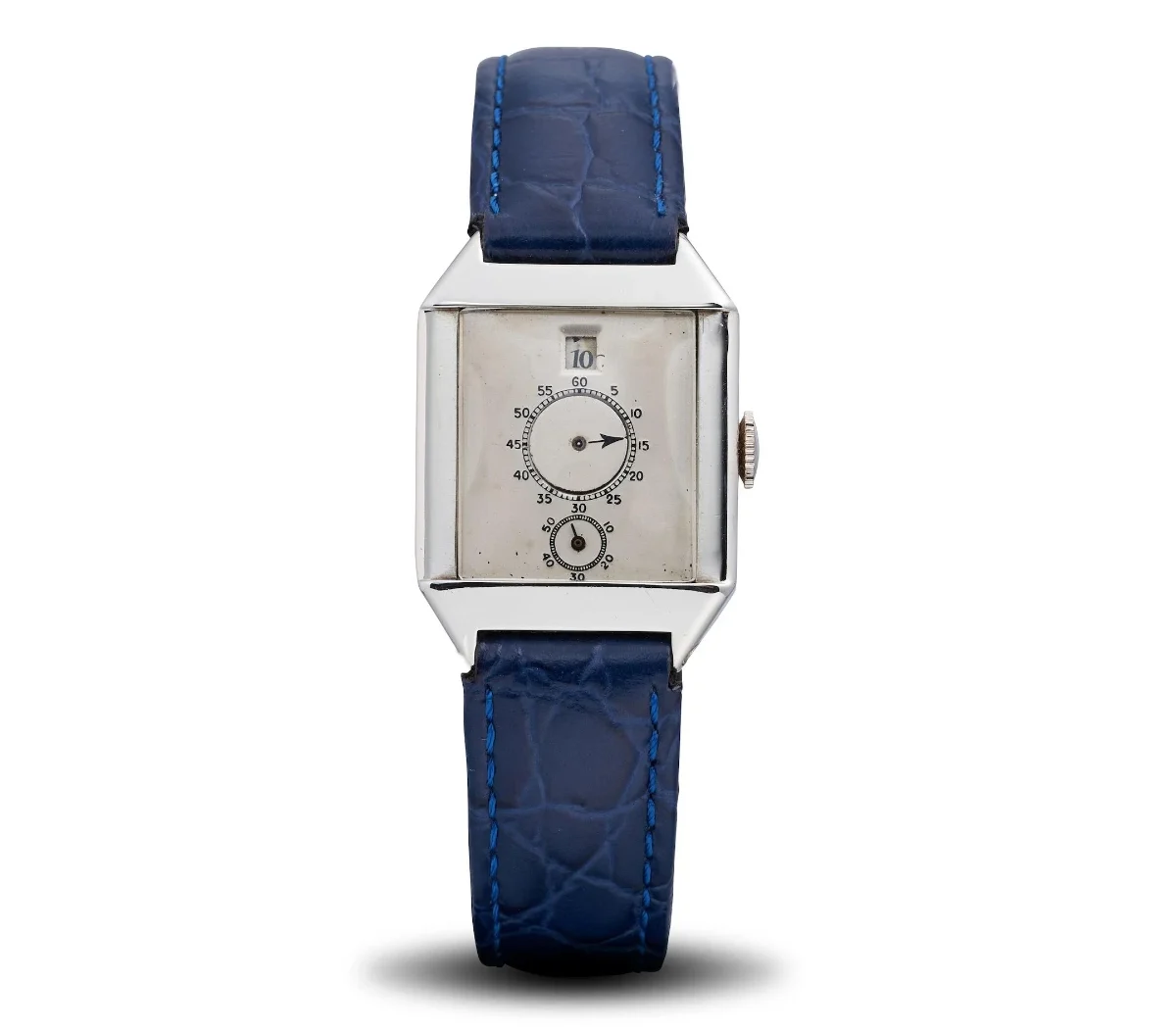
Image – vintage Niton jump hour wristwatch (credit Bonhams)
If you look at the new watch and its great-grandfather side by side, you can see the clear design linking the two – but the modern timepiece is neither a pastiche nor a copy – it’s a watch in its own right.
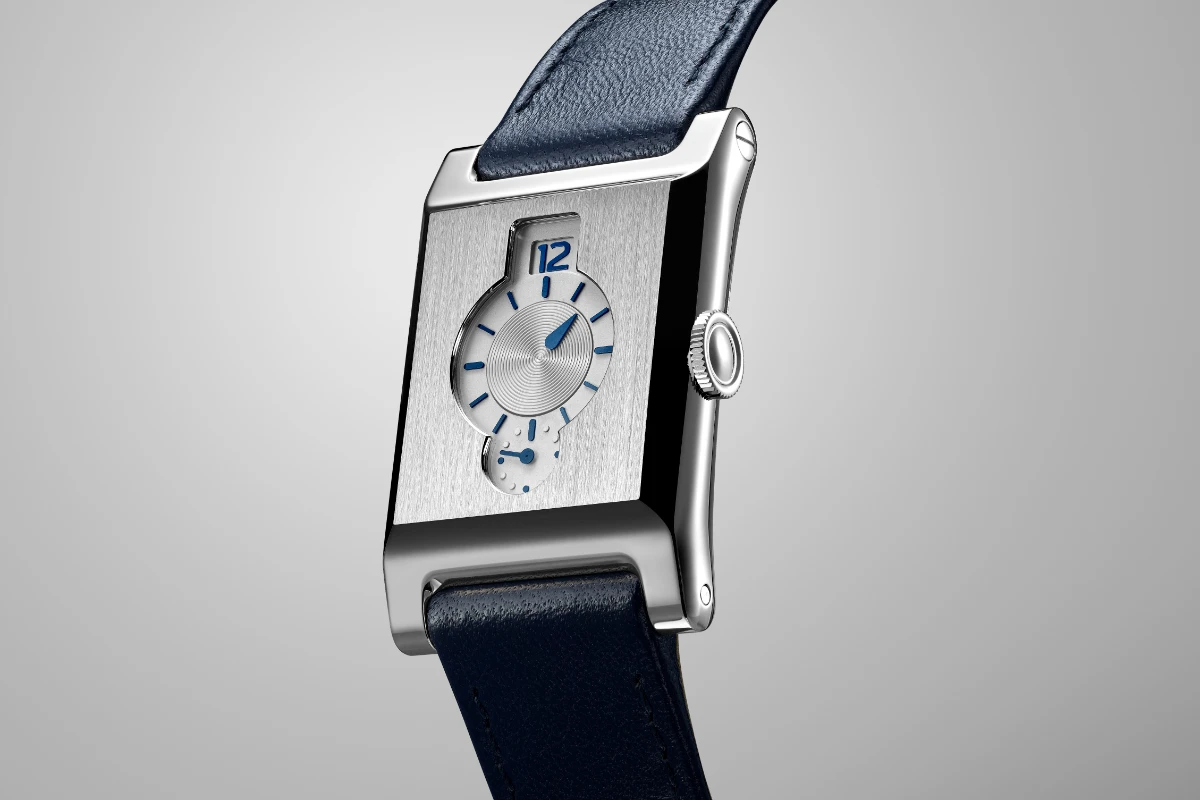
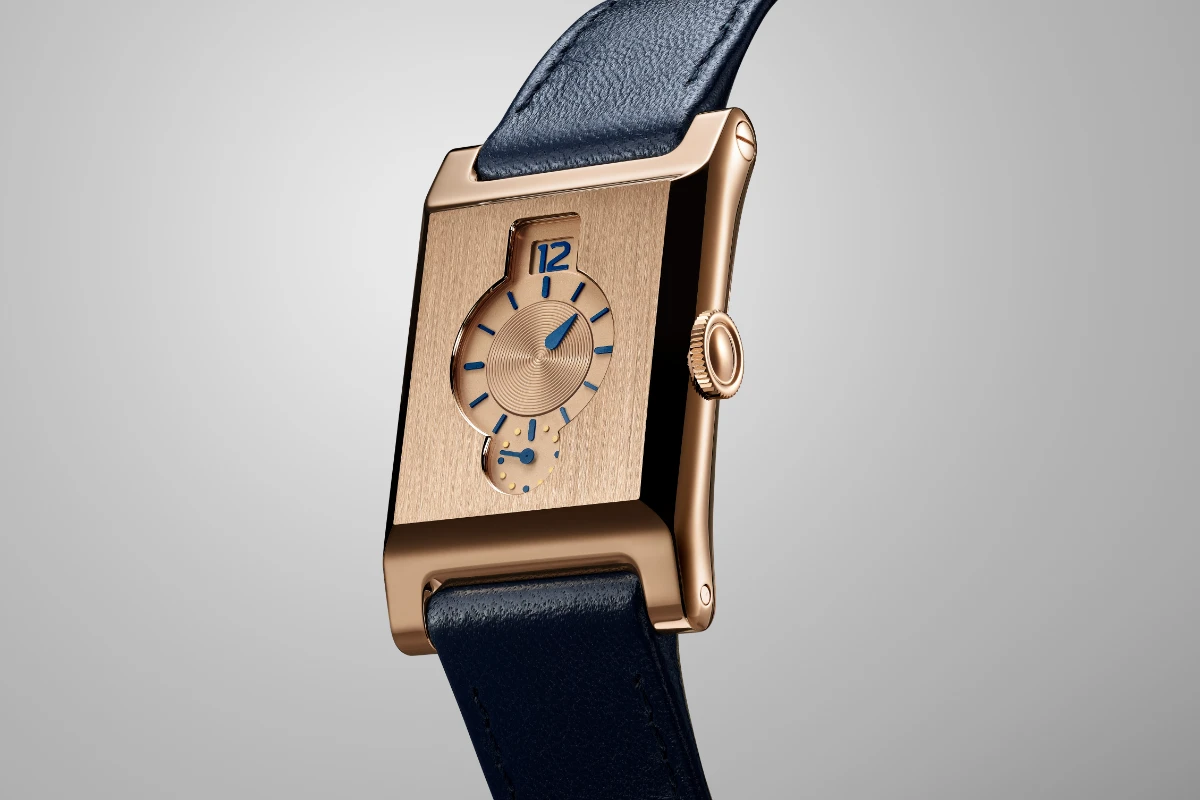
That’s because the two watches share a common base architecture and aesthetic. A baguette movement in a squared-off, wrist-friendly 27 mm x 35.5 mm art deco case. There are three parts to the time indication: a dial disc for minutes, a blued steel seconds hand and the jump-hour disc’s aperture at the top. And those restrained, but still clear, art deco lines make it an easy watch to wear and read, despite having three separate parts – what Niton calls a ‘totem’ structure – to the ‘dial’.
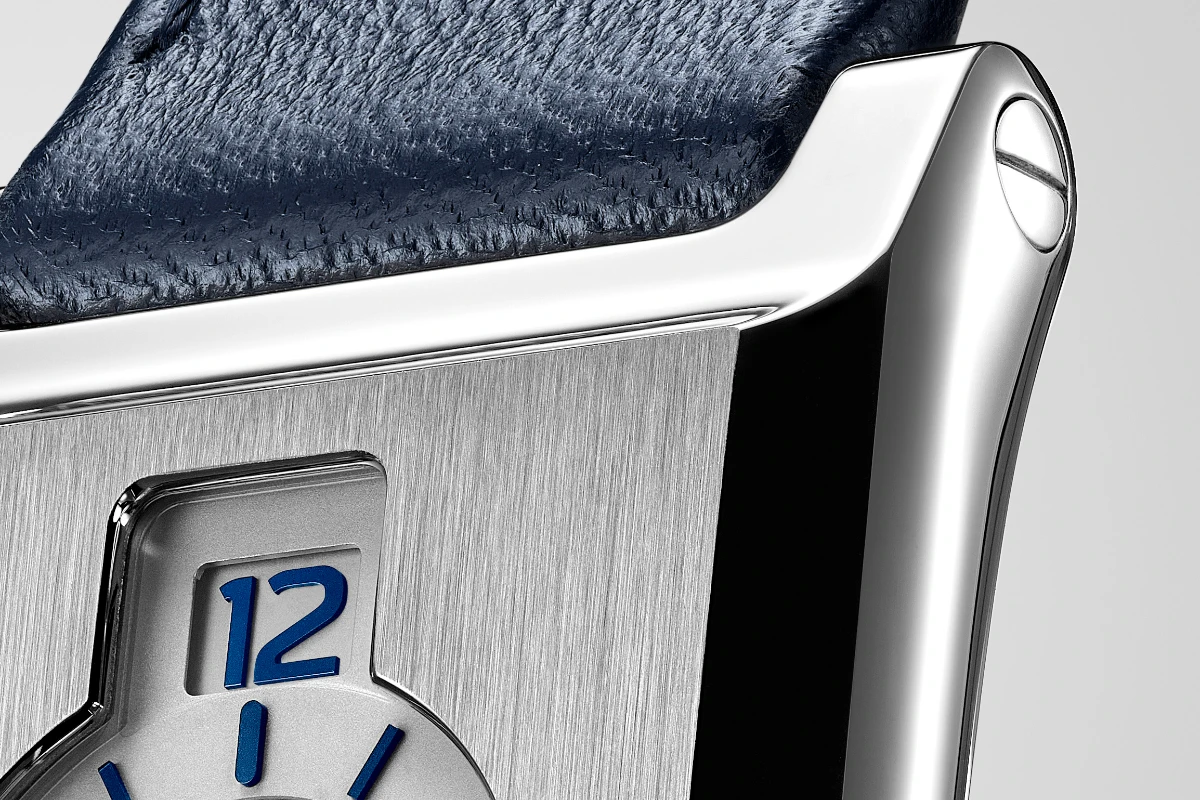
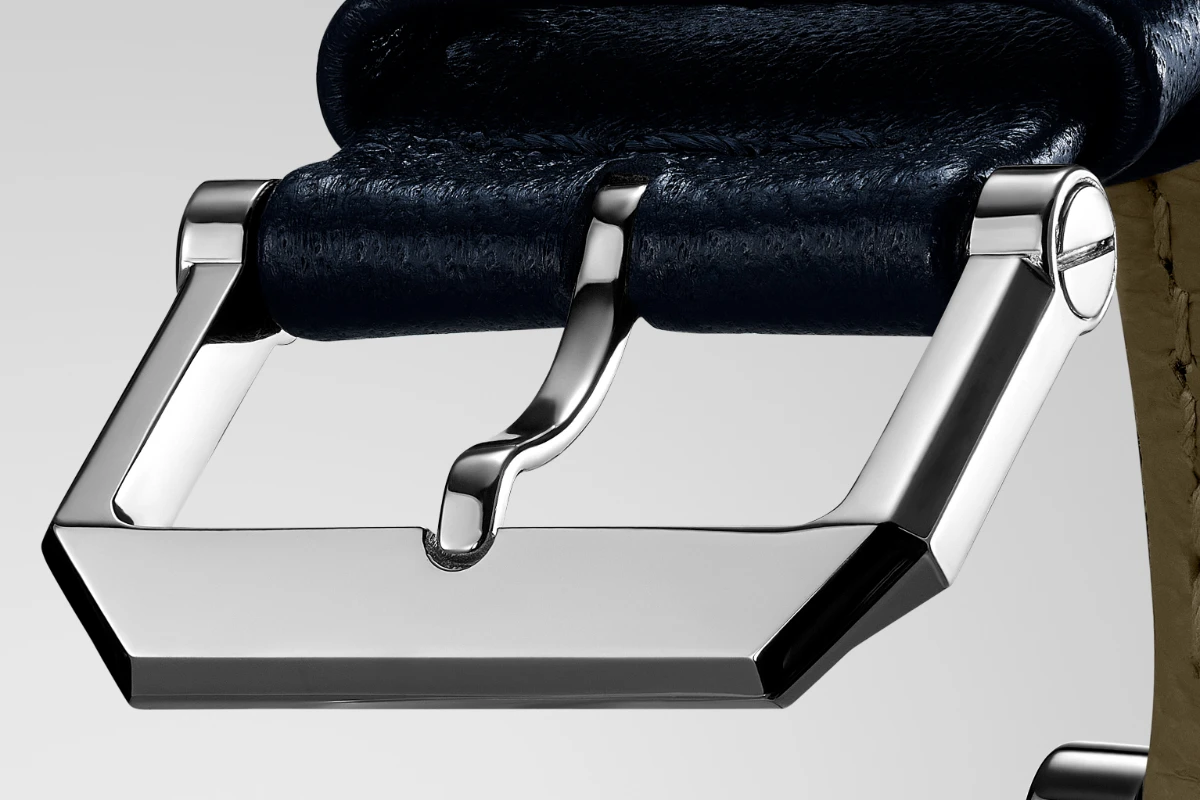
The design links even extend to the strap retainers – the original and the Prima both feature screwed-in strap bars that can’t pop out. Given the number of watches now using a similar system, is it too much to hope that flimsy, pingy spring bars may become a thing of the past?
You’ll not be surprised to know the past has also influenced the number of watches Niton is starting with – 19 of each metal (platinum or rose gold). Why? It’s a reference to the year the firm was founded. And they’re not just going to anyone – the founders state: ‘We only do business with people we know, trust and like.’ That’s hard to argue with.
Closing remarks
It would have been easy to treat Niton like so many other Lazarus names by using the firm’s past glories to cover some relatively ordinary watchmaking with a superficial nod to the 1930s. Instead, Yvan Ketterer and Leopoldo Celi have stuck to their beliefs – as articulated so clearly on the company’s website. They’ve produced a watch with a clear link to the past, but one that works today, both aesthetically and technically. They’ve focused on the details – those hidden screws, the Bugatti striping and a baguette movement in a baguette case (no spacers here, thank you) – but also the whole, so that everything works together. And they’ve managed to link the Prima’s design and architecture with that of the original watch. The Prima deserves to do well and I’m hoping it’s the first of many.
Further reading
Technical Specification
- Model: Niton Prima
- Case: platinum or rose gold, dimensions 27 mm x 35.50 mm, thickness 7.90 mm, 3 bar (30 metres), sapphire crystal to front and exhibition caseback.
- Functions: jumping hours, minutes, small seconds, stop-to-zero time setting function
- Movement: caliber NHS01, hand-wound movement, frequency 28,800 vph (4 Hz), minimum power reserve of 72 hours, Geneva Seal and ISO 3159 Chronometer standard
- Strap: grained calf leather with platinum or gold pin buckle
- Limited edition: 19 pieces in platinum + 19 pieces in rose gold
- Price: pink Gold 44,750 CHF excl. VAT, Platinum 47,750 CHF excl. VAT (RRP as of 6.6.2026)