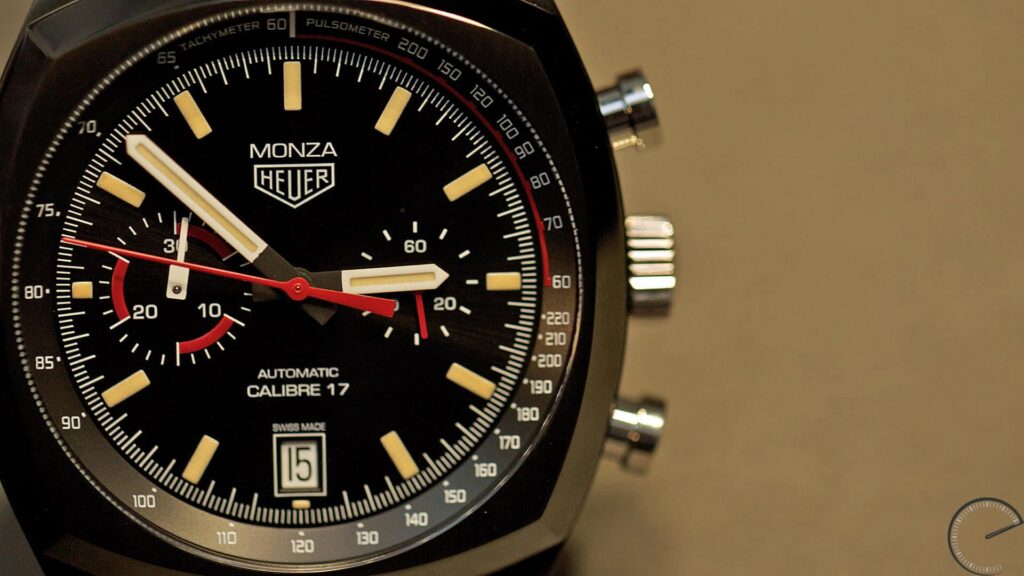
Heuer Monza Chronograph
Heuer Monza Chronograph Watch Review Angus Davies reviews the Heuer Monza Chronograph Angus Davies feels nostalgic, looking back…

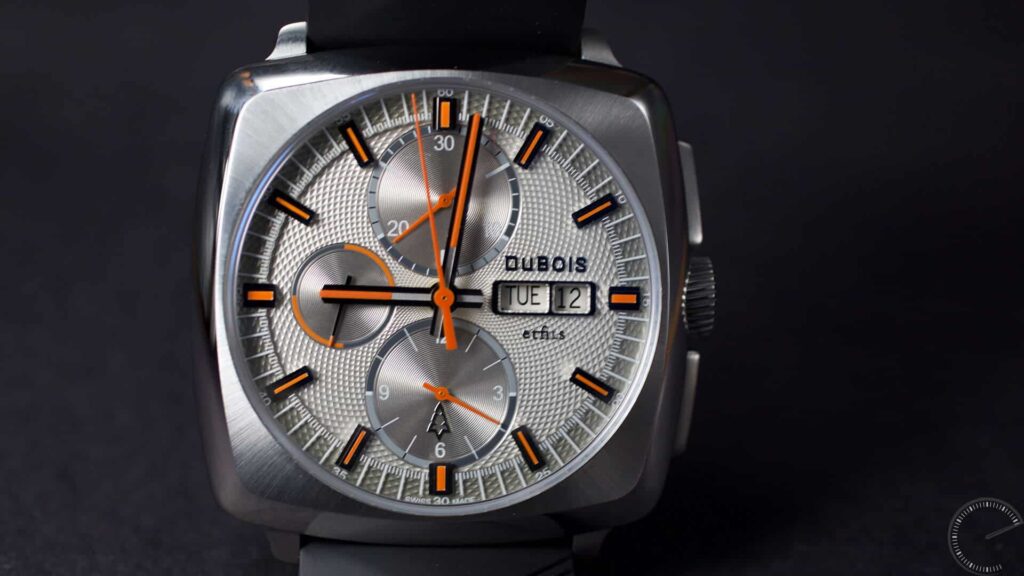
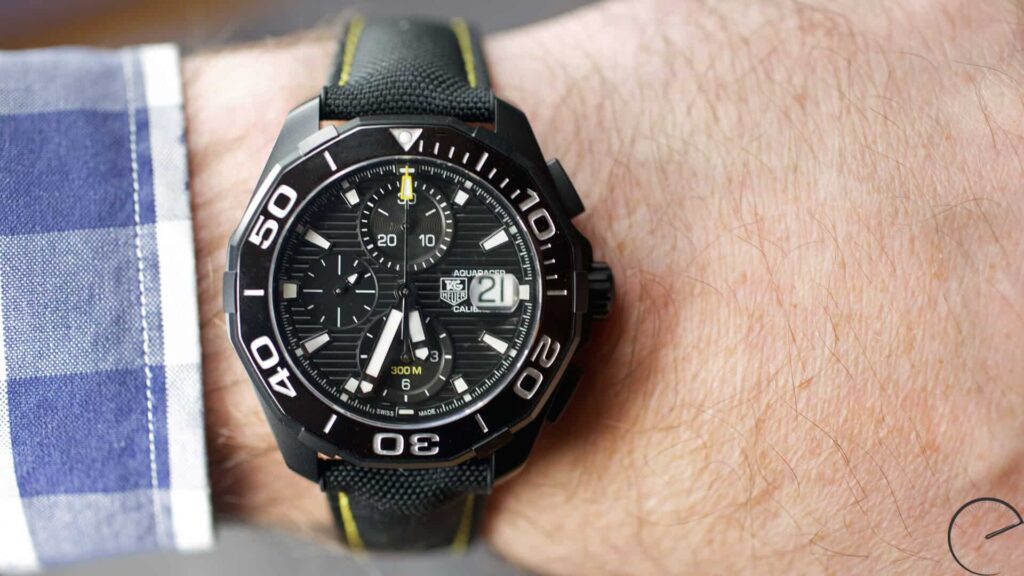
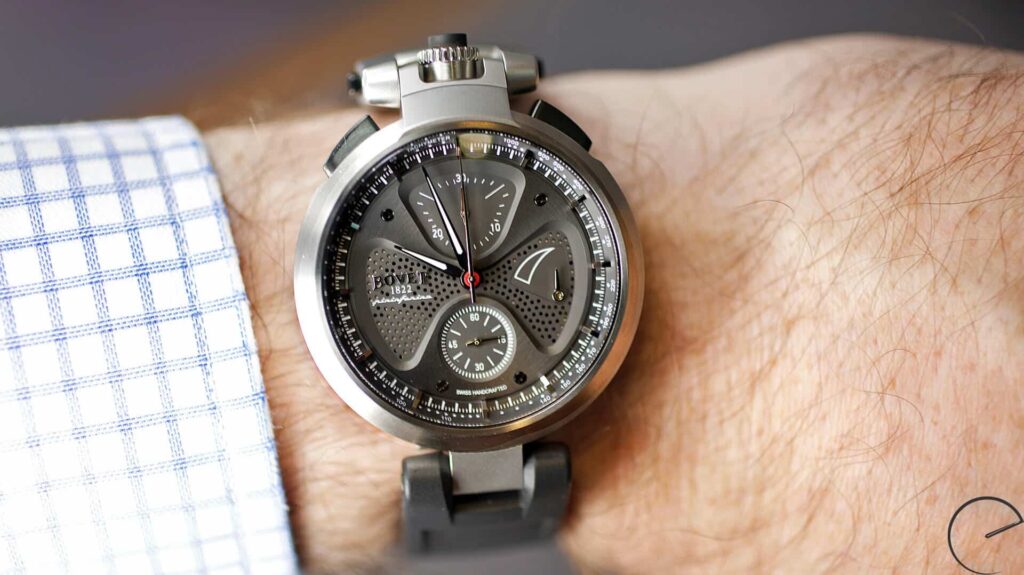
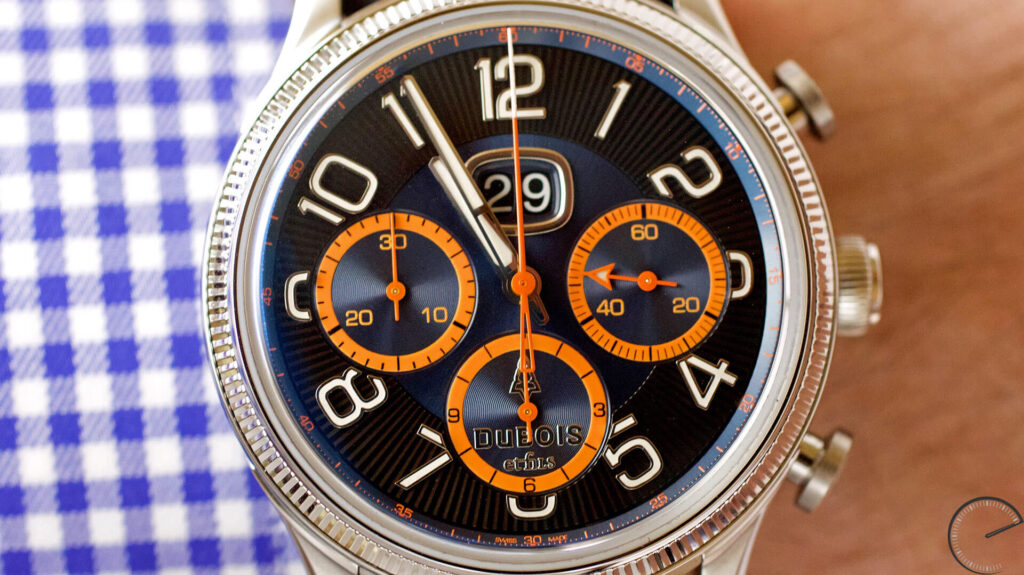


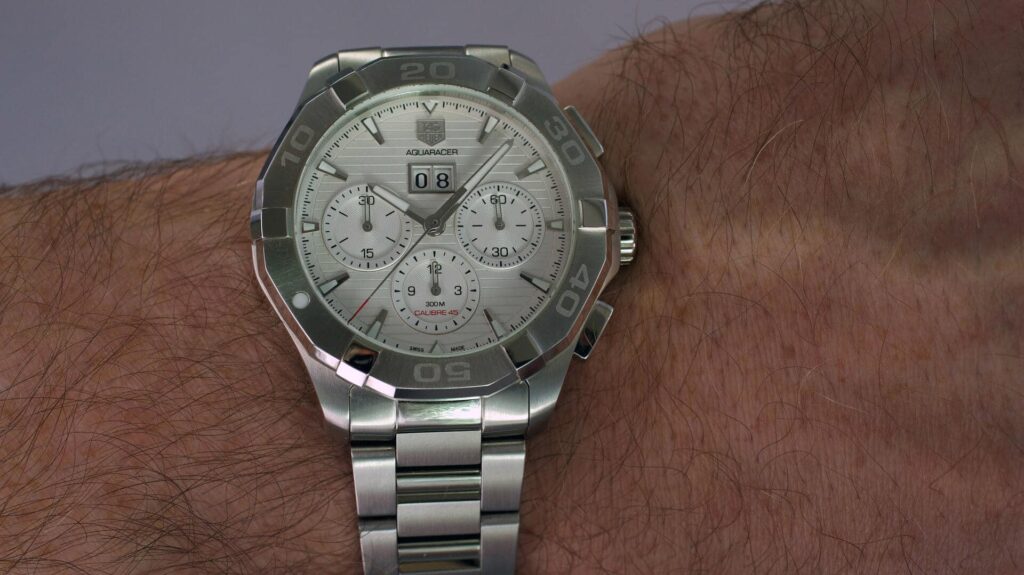


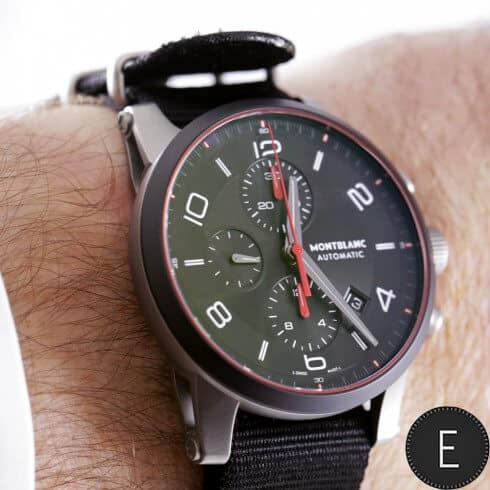
Chronograph watches are traditional timepieces, fitted with an extra complication, allowing the device to act as a stopwatch. They are used to measure time, in real-time and relatively, to different levels of accuracy.
The world’s first chronograph watch was invented by Louis Moinet in 1816. The French horologist, sculptor and painter was officially awarded two world records for his revolutionary timepiece – the Compteur de Tierces. These records were the “World’s First Chronograph” and the “First High-Frequency Stopwatch”.
Explore this fascinating realm of watchmaking by exploring our wide range of watch reviews for this complication here on Escapement Magazine.
A standard watch tells the time and may include the date, but a chronograph goes further by incorporating stopwatch functionality. This is achieved through one or more buttons on the case that start, stop, and reset a central seconds hand, as well as additional sub-dials for recording elapsed minutes or hours.