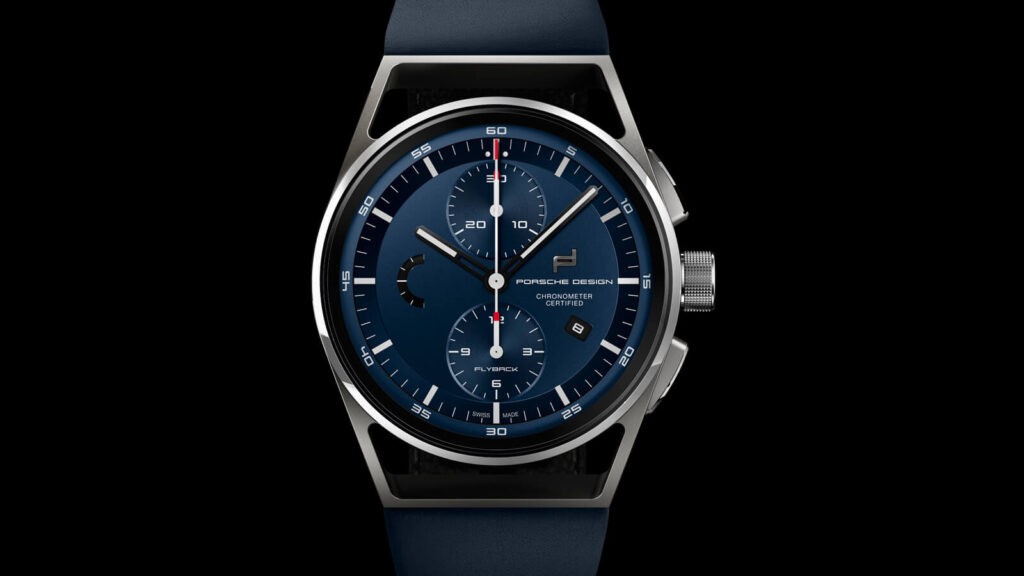
Porsche Design 1919 Chronotimer Flyback Blue & Leather
Porsche Design 1919 Chronotimer Flyback Blue & Leather The Porsche Design 1919 Chronotimer Flyback Blue & Leather is…


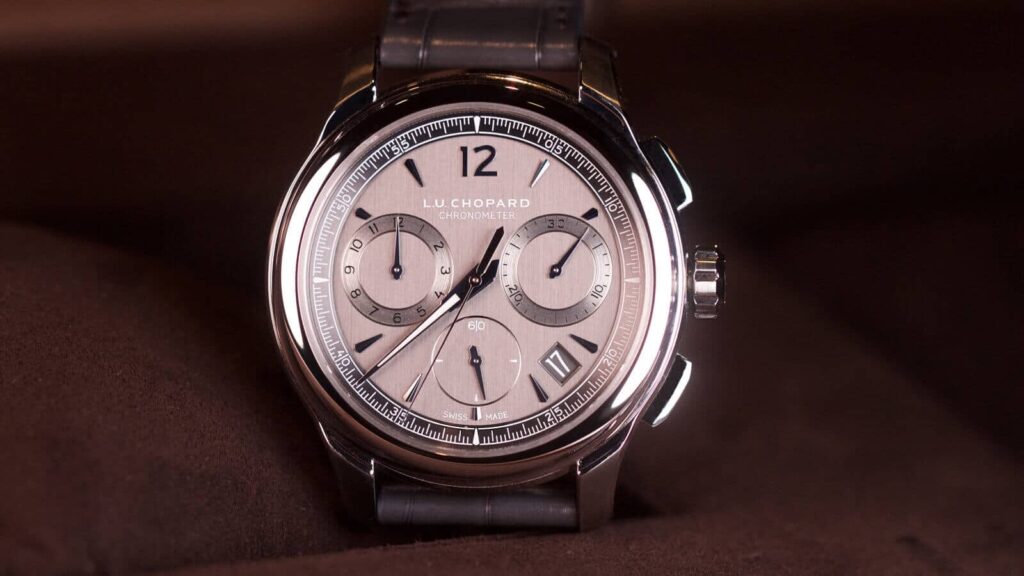
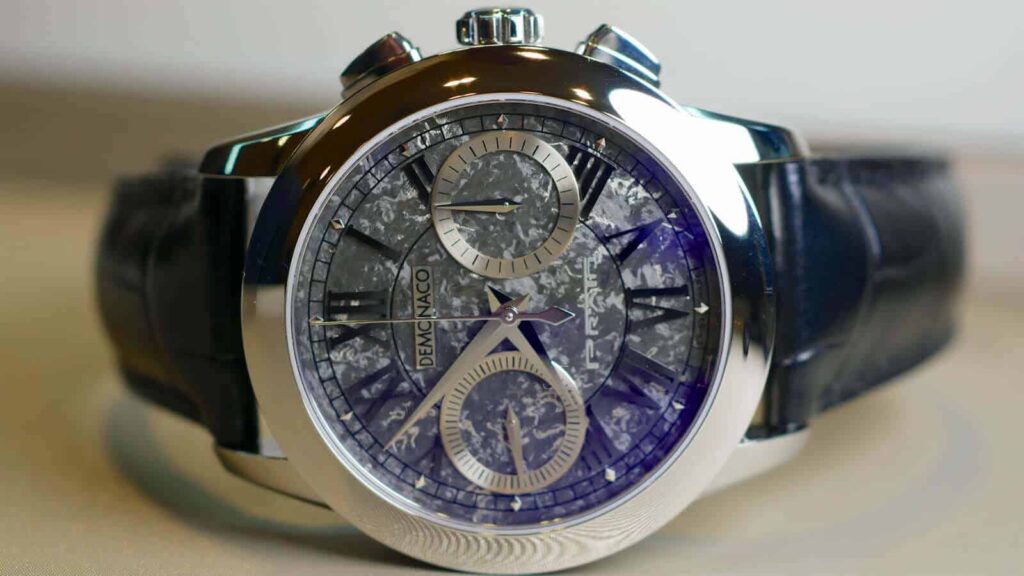
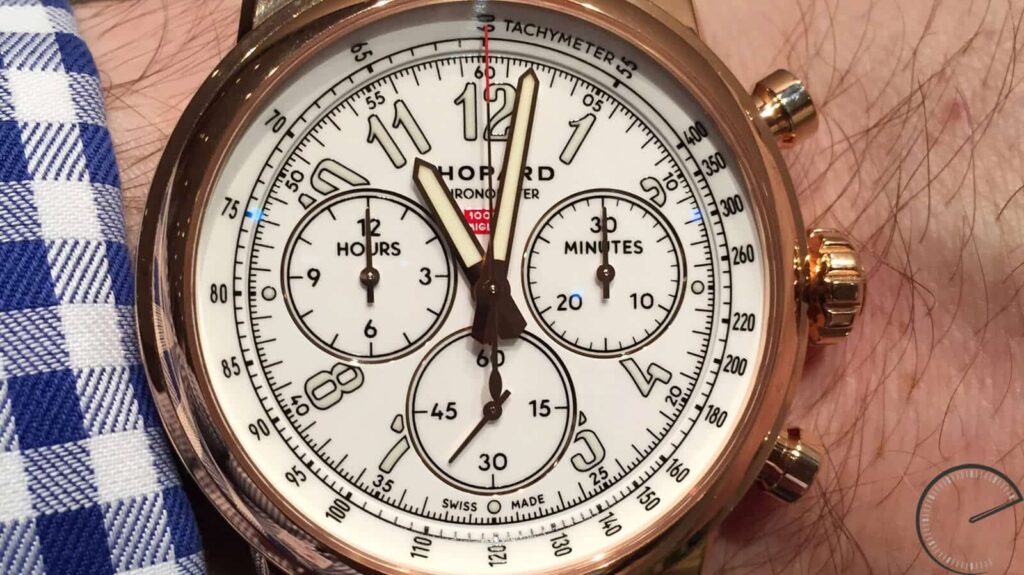


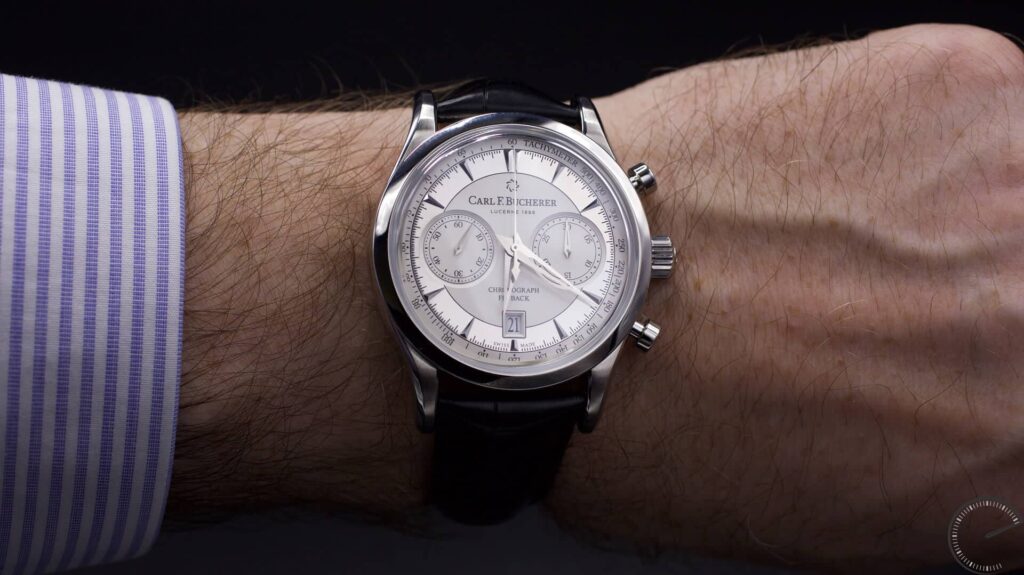
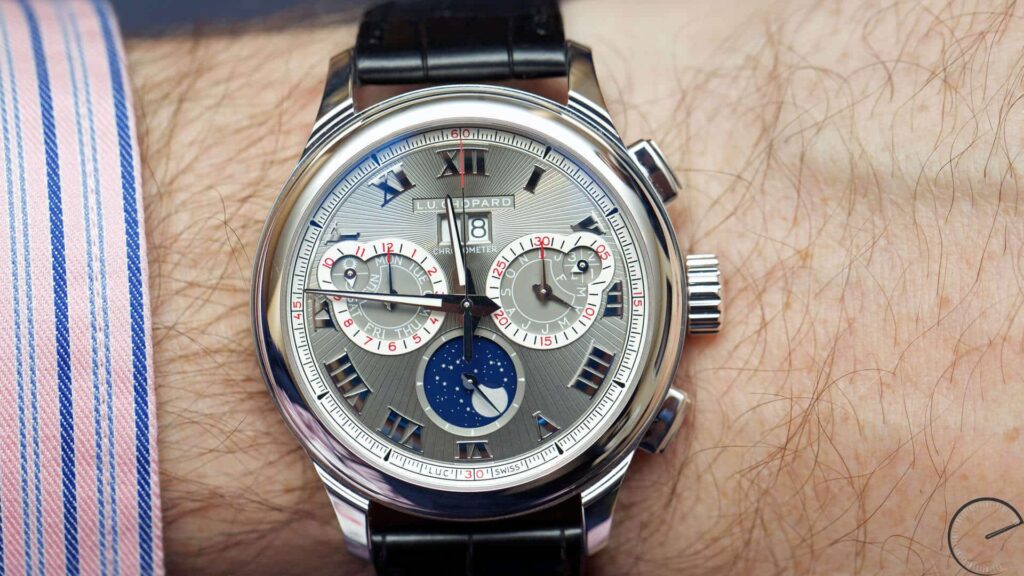
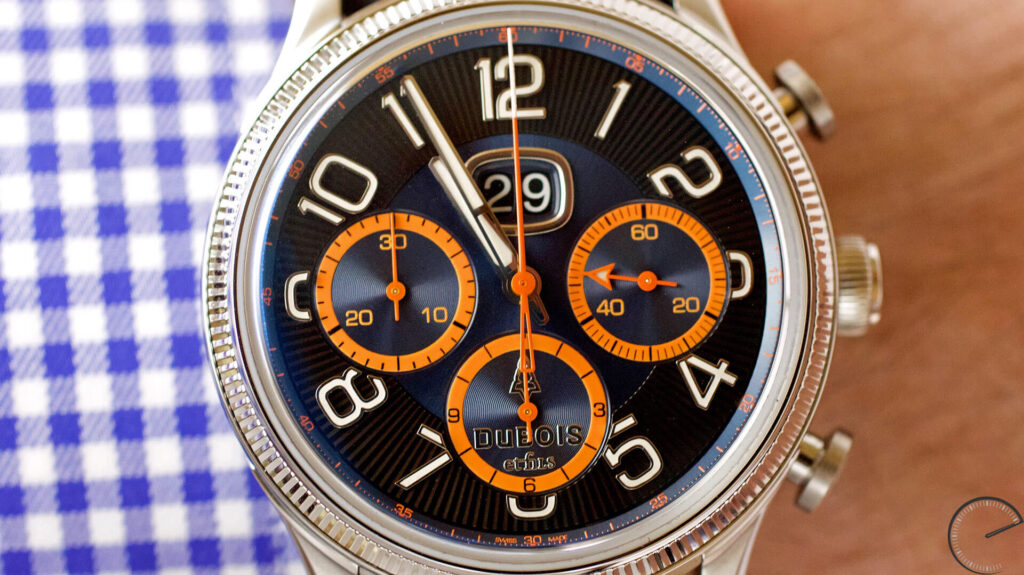


Flyback watches facilitate instant resetting of the chronograph function with the singular press of a button. Read our in-depth reviews of timepieces equipped with this complication here.
Flyback watches facilitate the instant resetting of their chronograph function with the singular press of a button. This negates the need to stop and reset the mechanism separately, making it very useful for timing successive events (e.g. within aviation, motorsports or athletic events) without interruption.
The pioneers of the flyback complication are the Swiss watchmakers, Longines. Invented in 1925, flyback watches proved particularly useful for pilots. Here’s a more detailed timeline: