
Girard-Perregaux Manufacture – an unparalleled history
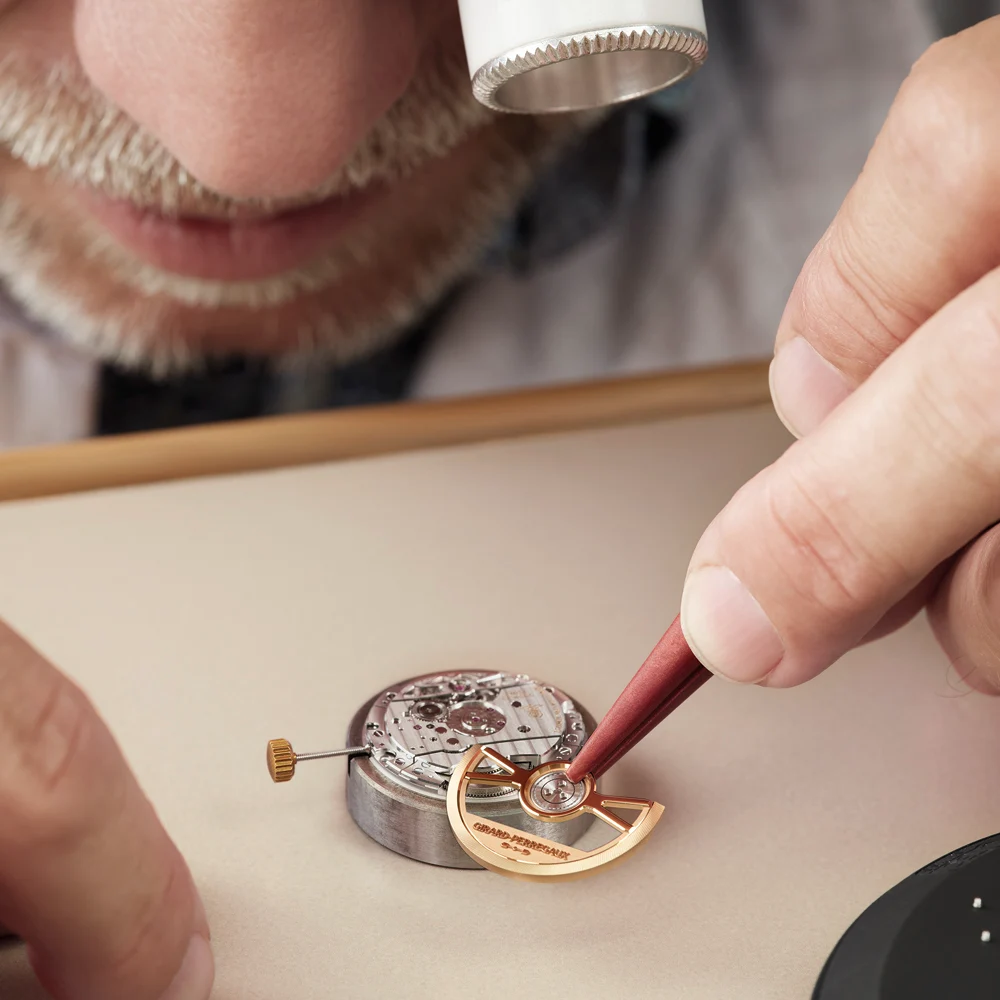
While some brands in recent years have transitioned from being an établisseur to a Manufacture, Girard-Perregaux has always designed, developed, manufactured and assembled movements from the outset. This article delves into watchmaking’s rich history before looking closely at the esteemed Manufacture, based in La Chaux-de-Fonds.
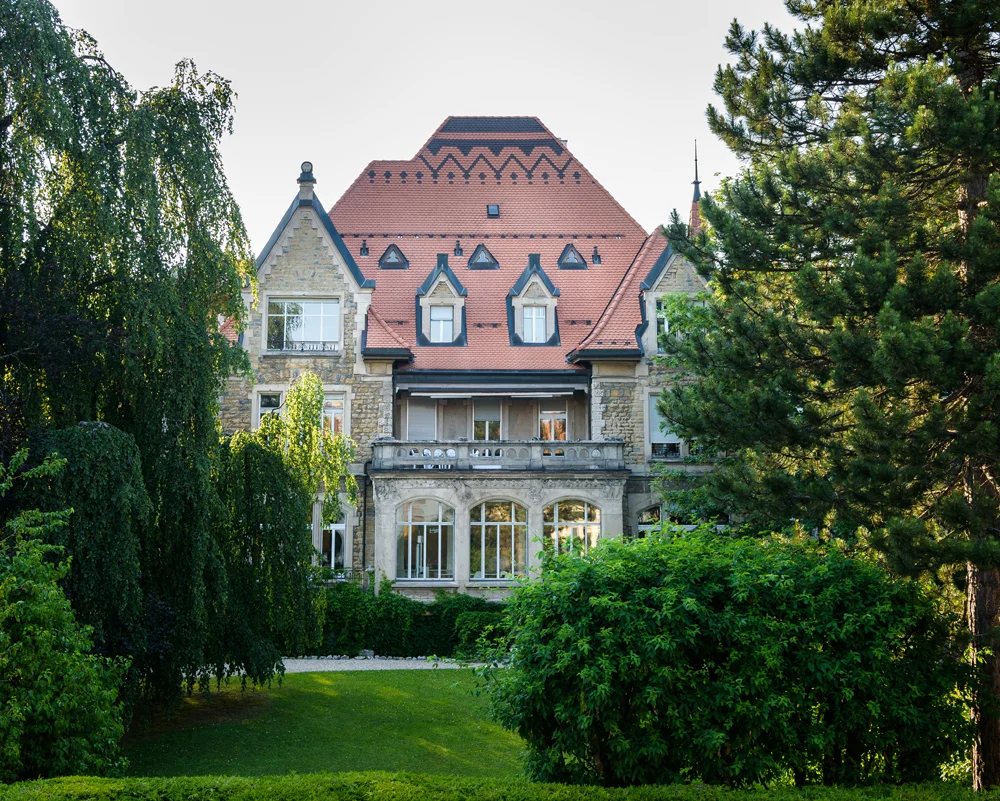
Image – Girard-Perregaux Manufacture
The history of watch brands – a common misconception
As business travellers and tourists stroll through ‘arrivals’ at Geneva airport, they cannot fail to notice the many advertisements for watches, positioned side by side. Comprising beautiful images, emblazoned with historic dates, often presented in cursive fonts, everything is calculated to suggest such brands have made watches in their entirety for hundreds of years. However, not everything is quite what it first appears.
Établisseurs
Most watch brands have a history of procuring movements from third parties to power their horological creations. Few brands are regarded as a ‘Manufacture’ in the truest sense and many of those have only joined this club in recent times. At this juncture, you may well ask, what is a ‘Manufacture’?
The FHH (Foundation Haute Horlogerie) defines a Manufacture as ‘a company that manufactures a watch almost in its entirety as opposed to finishing shops which only assemble and time the watch, and fit the hands and movement, and établisseurs’. This statement will inevitably prompt readers to ask what are ‘établisseurs’?
An établisseur procures unfinished movements. Termed an ‘ébauche’, this originally comprised a plate, bridge, fusee and barrel and was also known as a ‘blanc’. Today, according to the FHH, an ‘ébauche is a watch movement, with or without jewels but always without its regulating organ, mainspring, dial and hands. It is also known as a blanc roulant’. Alternatively, some watch brands choose to purchase complete movements from specialist firms. As a client brand, they can specify some personalisation, the degree of finishing and desired level of regulation eg COSC certified.
Surveying the horological landscape, most brands have procured ébauches or movements from third-party specialists at some point in the past. Even the so-called ‘Holy Trinity of Watchmaking’ (Audemars Piguet, Patek Philippe and Vacheron Constantin) have crafted watches using movements from other parties. For example, the highly desirable Patek Philippe 2499 employed a Valjoux base. Likewise, Vacheron Constantin and Audemars Piguet have been known to procure ébauches from Jaeger-LeCoultre (LeCoultre).
Jean-François Bautte (1772-1837) – a Manufacture
Jean-François Bautte (1772-1837) founded his Manufacture in Geneva, assembling numerous trades under one roof. In 1795, four years after his Manufacture was established, Bautte’s company employed 180 on-site staff as well as an additional 120 home-based craftsmen. This mass-production model was rare at the time, leading to Bautte’s Manufacture becoming one of the largest companies in Switzerland during this period. While some brands now talk of ‘vertical integration’, Bautte was ahead of the curve, hosting many trades in one building, including dial and movement manufacturing. As well as being an accomplished watchmaker, Bautte was also a jeweller, hence unsurprisingly, the Manufacture also employed techniques such as guilloché, gem-setting and enamelling. A man fascinated by mechanisms, Bautte crafted automata and also gained a reputation for crafting extra-thin timepieces.
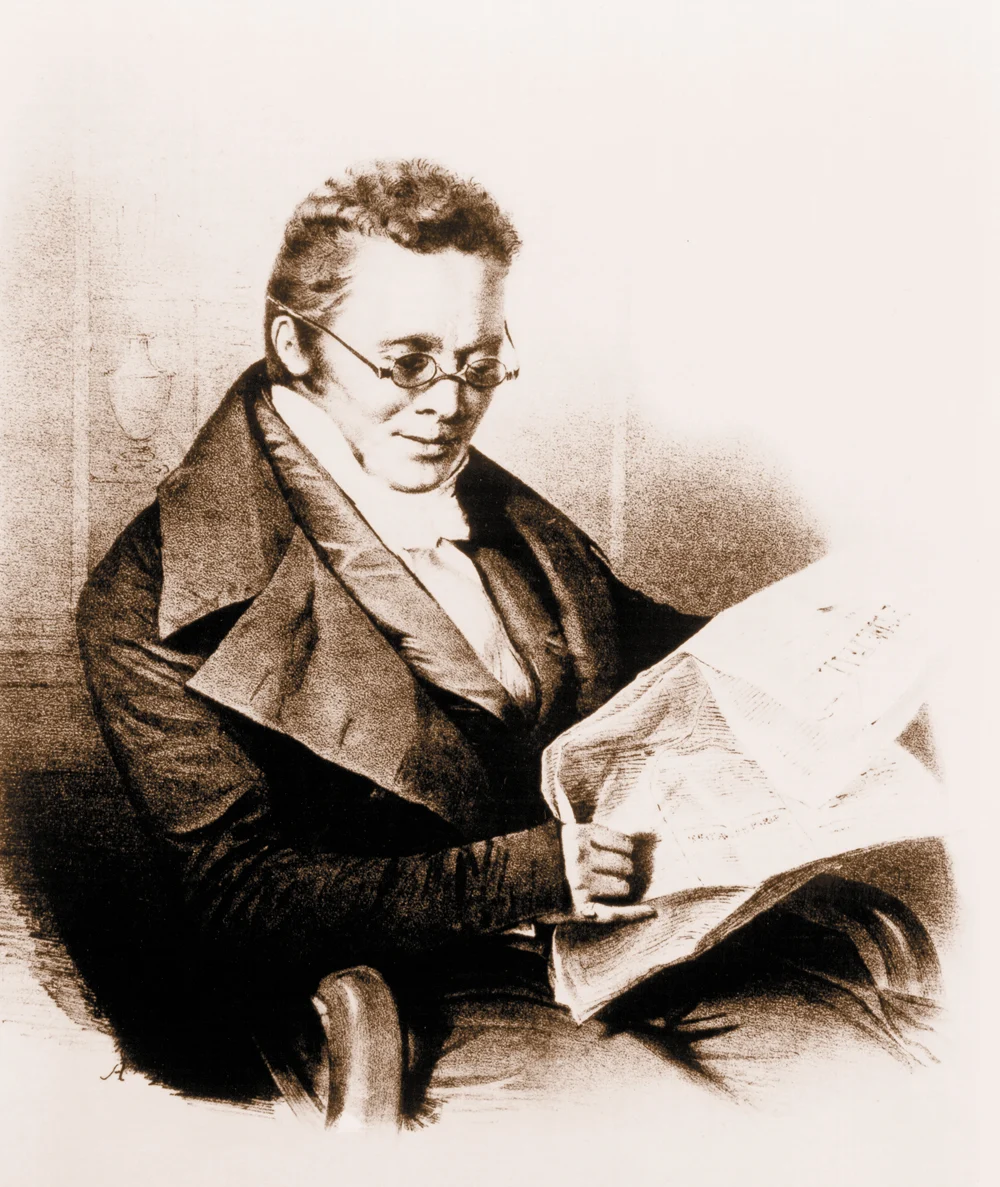
Image – Jean-François Bautte (1772-1837)
After Jean-François Bautte died in 1837, Jacques Bautte and Jean-Samuel Rossel took over the running of the company. Eventually, in 1906, Constant Girard-Gallet (1856-1945) acquired the famous Anciene Maison Bautte, merging it with Girard-Perregaux & Cie. The manufacturing operations were relocated to La Chaux-de-Fonds, a city that Girard-Perregaux has called ‘home’ since the mid-1800s.
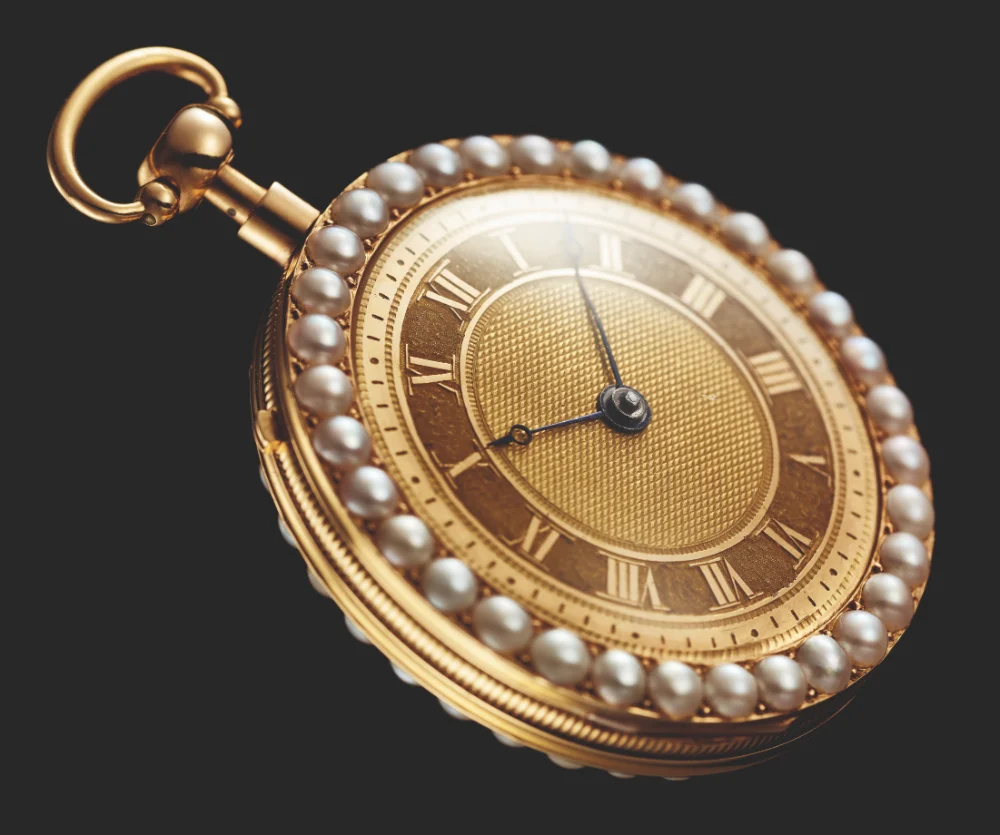
Image –Moulinié, Bautte et Moynier; made for the Indian market (1820)
La Chaux-de-Fonds – the ‘huge factory-town’
While Geneva is often talked about as the birthplace of Swiss watchmaking, La Chaux-de-Fonds is widely considered the present-day epicentre of Swiss watchmaking. In the late 17th century, local inhabitants ceased farming to focus on making watch components. Specialisation saw individuals making dials, hands, balance wheels, etc. Described by economists as ‘the division of labour’, these trades were ultimately performed in factories.
In 1794, large swathes of La Chaux-de-Fonds were destroyed by a huge fire. The city was subsequently rebuilt with due consideration to the principal industry of the time – watchmaking. The result of considered urban planning led to the creation of wide streets, arranged in a grid format and lined with tall buildings that harnessed light, a useful resource for watchmaking. Famously, Karl Marx visited La Chaux-de-Fonds, referring to it in his book ‘Das Kapital’, as a ‘huge factory-town’.
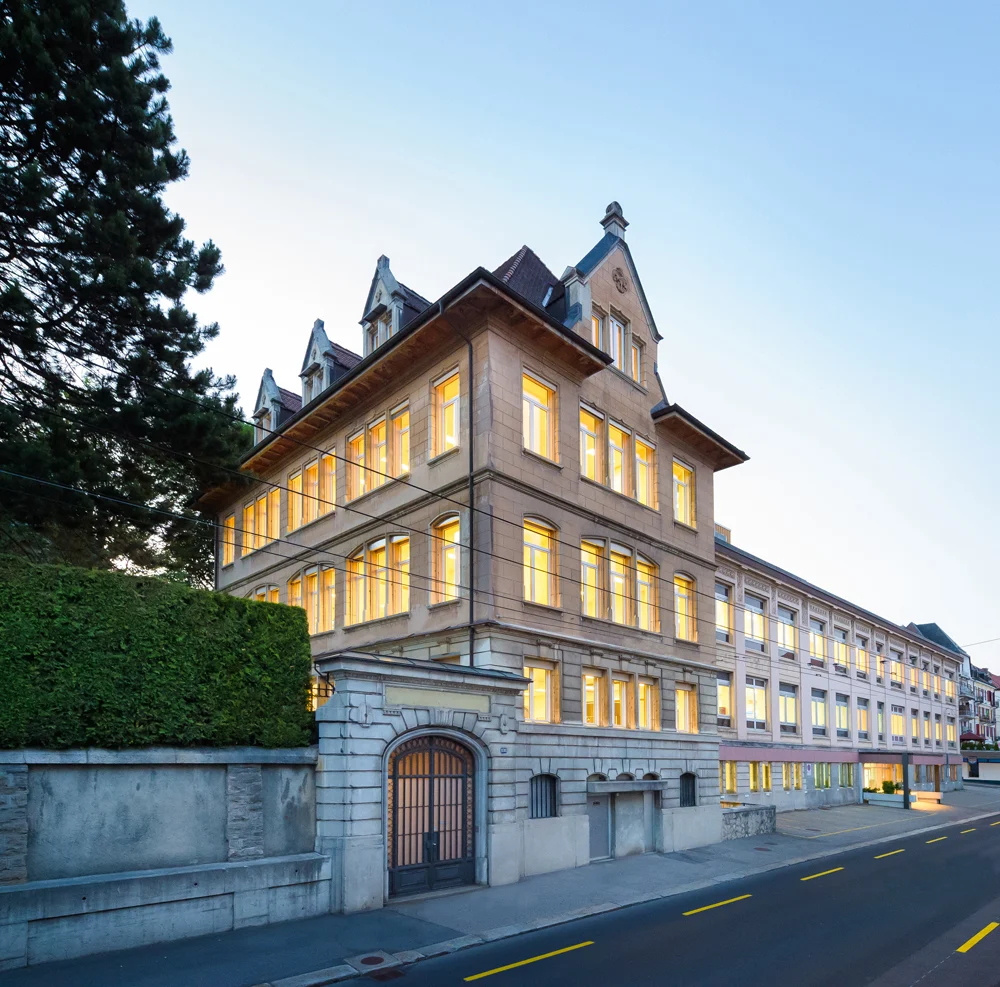
Image – Girard-Perregaux Manufacture
Girard-Perregaux Manufacture – numerous trades under one roof
A romance between Constant Girard (1825-1903) and Marie Perregaux (1831-1912) culminated in the couple joining hands in marriage and the birth of a watchmaking dynasty, Girard-Perregaux. Ultimately, several family members would work for the business, some travelling to foreign shores, promoting the company’s products.
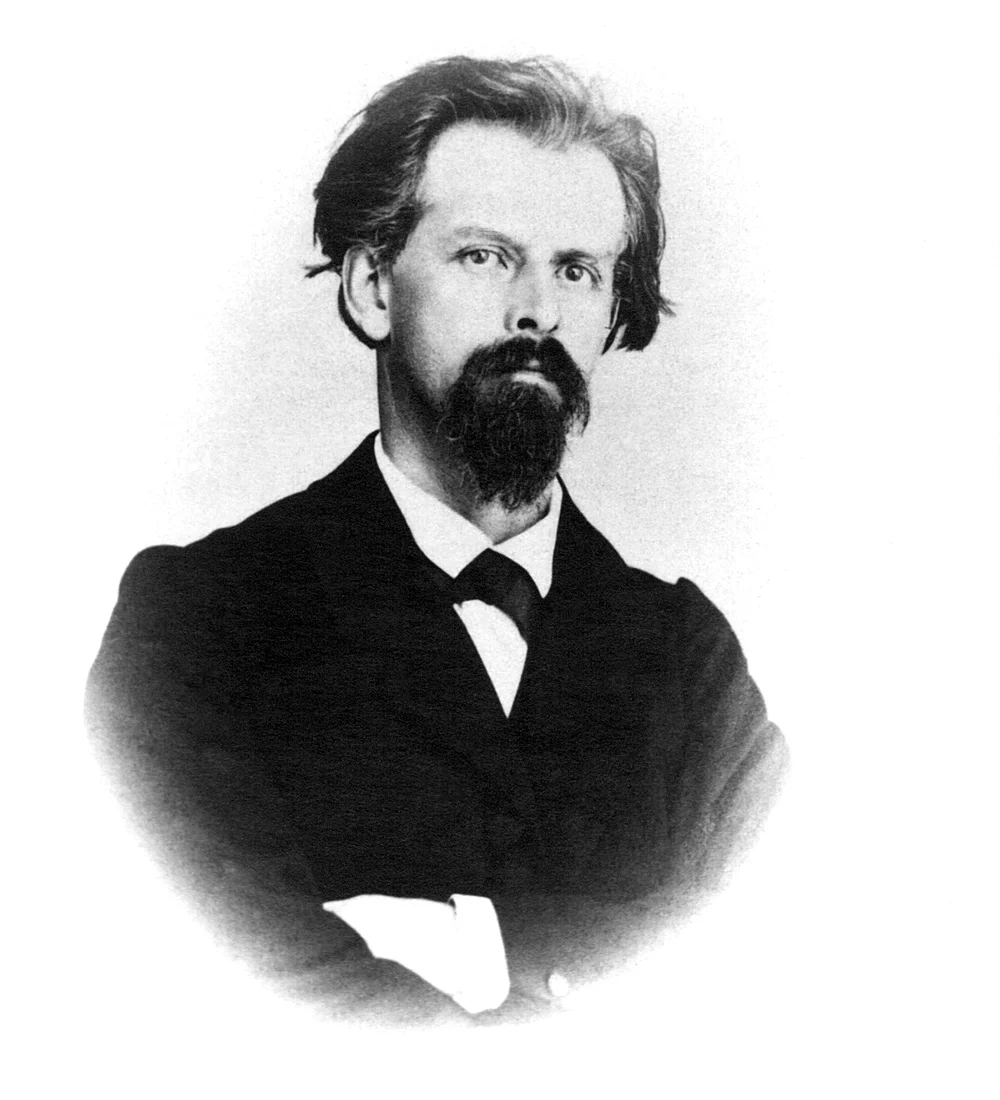
Image – Constant Girard (1825-1903)
During the 19th century, Girard-Perregaux gained a reputation for producing highly precise pocket chronometers, recognised with the award of multiple observatory prizes. Furthermore, the company’s mastery for making movements saw it design radically shaped calibres. For example, in 1867, the Manufacture created a cruciform pendant watch with a cross-shaped movement (presented at the 1867 Paris Universal Exhibition). Also in the same year, Constant Girard-Perregaux produced a pocket watch featuring three parallel nickel silver bridges and a Tourbillon.
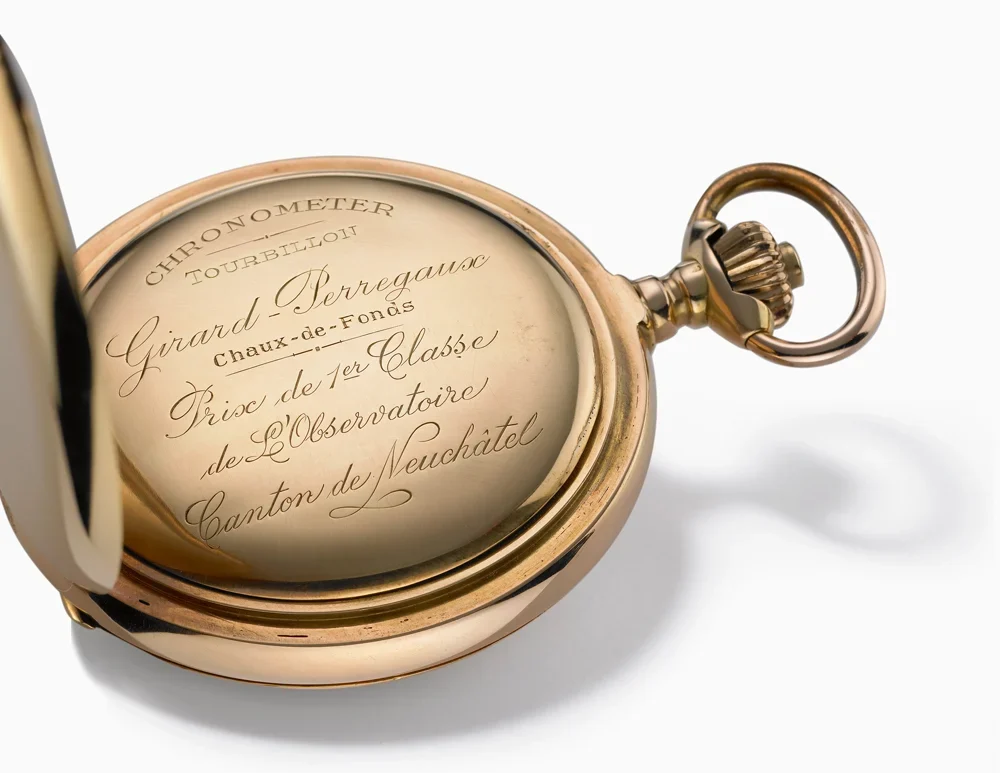
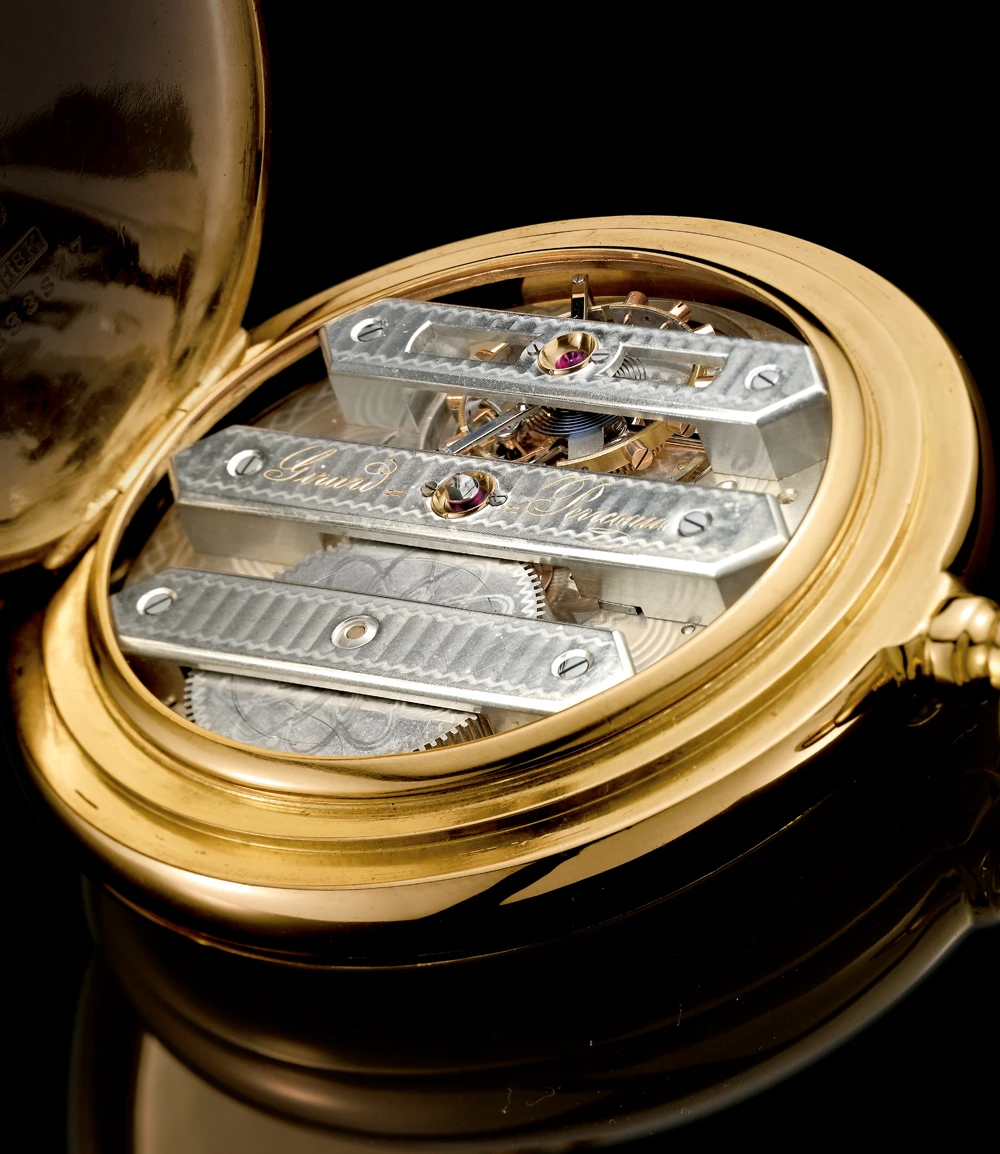
Above images – Girard-Perregaux-Tourbillon With Three Nickel Silver Bridges (1867)
The design of this watch, and especially its movement, was unprecedented, serving as a wonderful demonstration of the company’s in-house technical capabilities. Eventually, the design of the three arrow-shaped bridges was registered with the US Patent Office in 1884. Five years later, in 1889, the Manufacture unveiled ‘La Esmeralda’, the legendary watch featuring a tourbillon and three stylised bridges formed of gold.
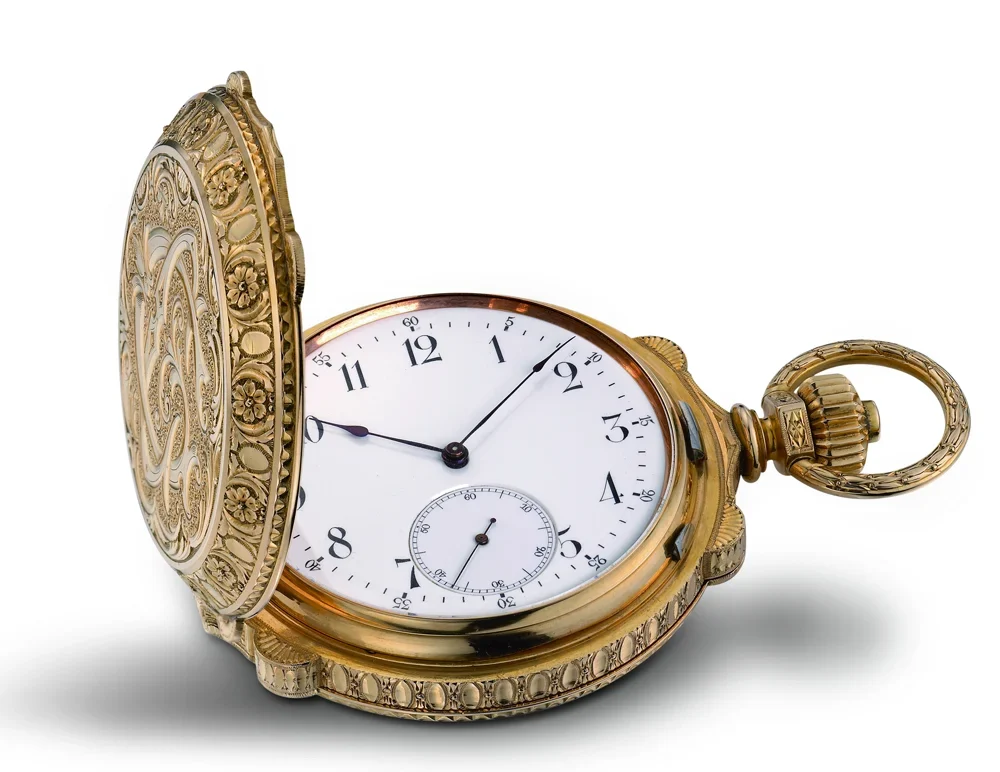
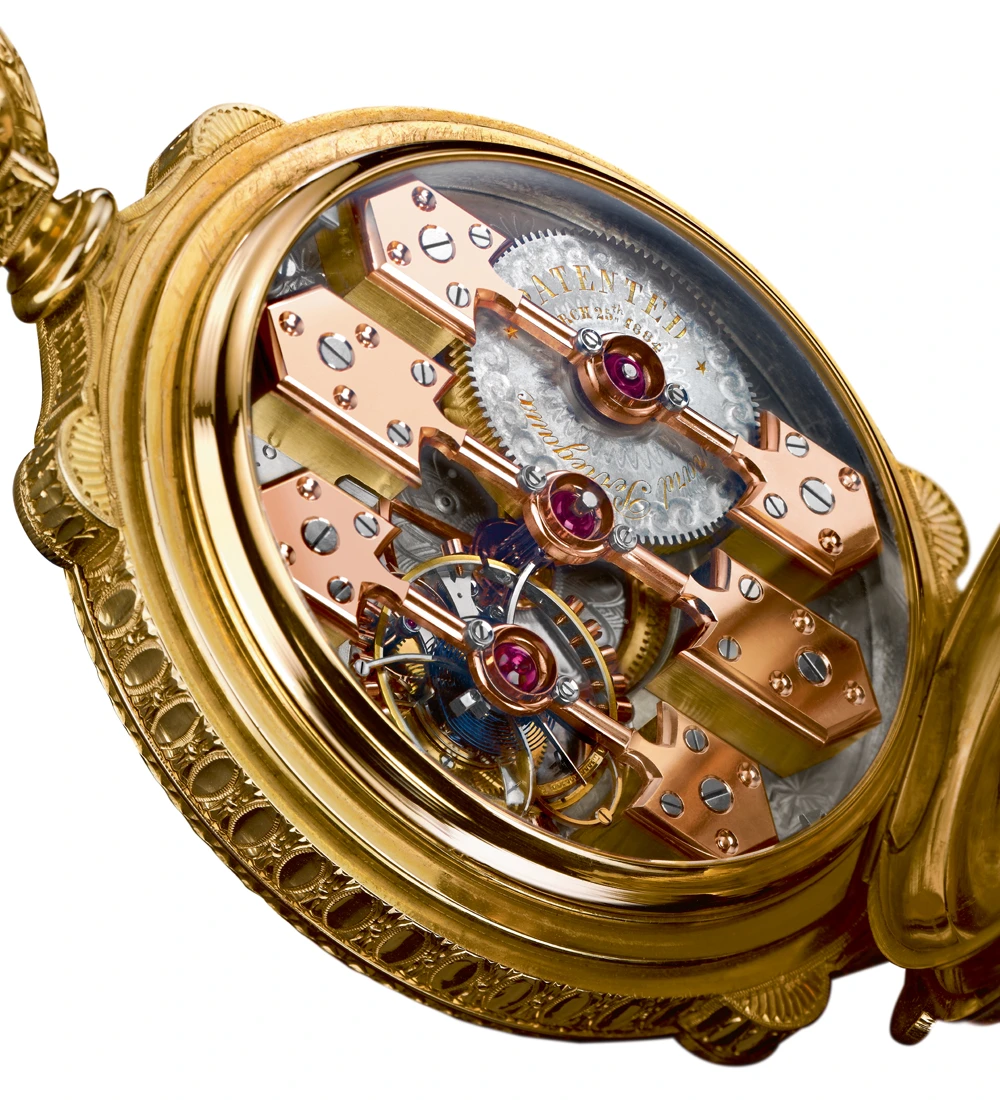
Above images – ‘La Esmeralda’ (1889)
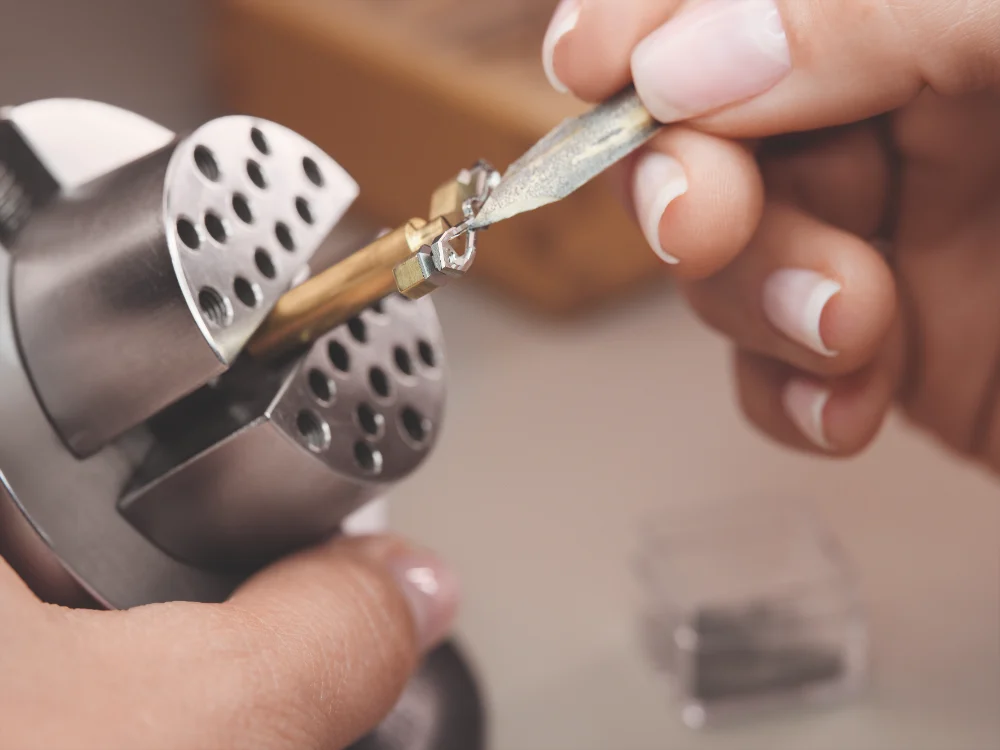
While the division of labour attracted Karl Marx to the huge-factory town, Girard-Perregaux took this concept to a whole new level. Indeed, as well as creating exceptional watches, the company also designed, developed and produced movements in their entirety. Moreover, it also produced a significant proportion of the exterior components. When discussing the brand’s unique approach, the Maison states, ‘in a world dominated by the établissage and the subcontracting system, Girard-Perregaux adopted a radically different vision: that of an integrated Manufacture – long before the term even existed.’
A history, packed with innovative know-how, including the creation of the first high-frequency 5 Hz movement (1965), Switzerland’s first industrially produced quartz watch (1971) and the groundbreaking Constant Escapement L.M (2013), Girard-Perregaux’s legitimacy in creating movements is beyond reproach.
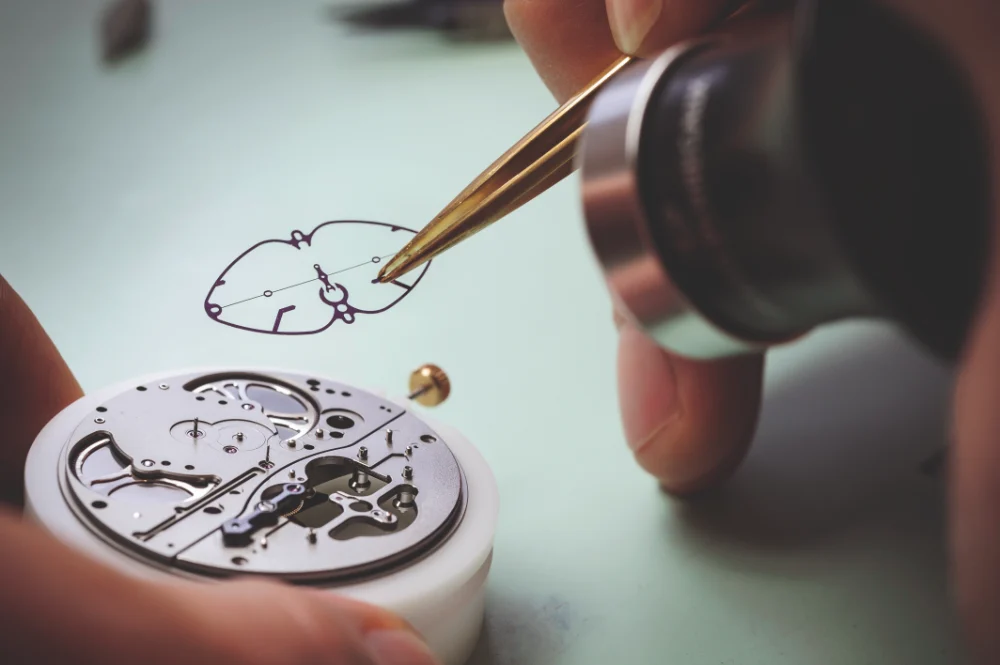
Image – Girard-Perregaux Constant Escapement (2013)
The Maison, a Manufacture in the truest sense, has supplied several prestigious brands over the years, including Audemars Piguet, Cartier, IWC, Jaeger-LeCoultre and Vacheron Constantin. Moreover, it continues to supply other brands with ébauches and movements, a testament to Girard-Perregaux’s high standing within the watch industry.
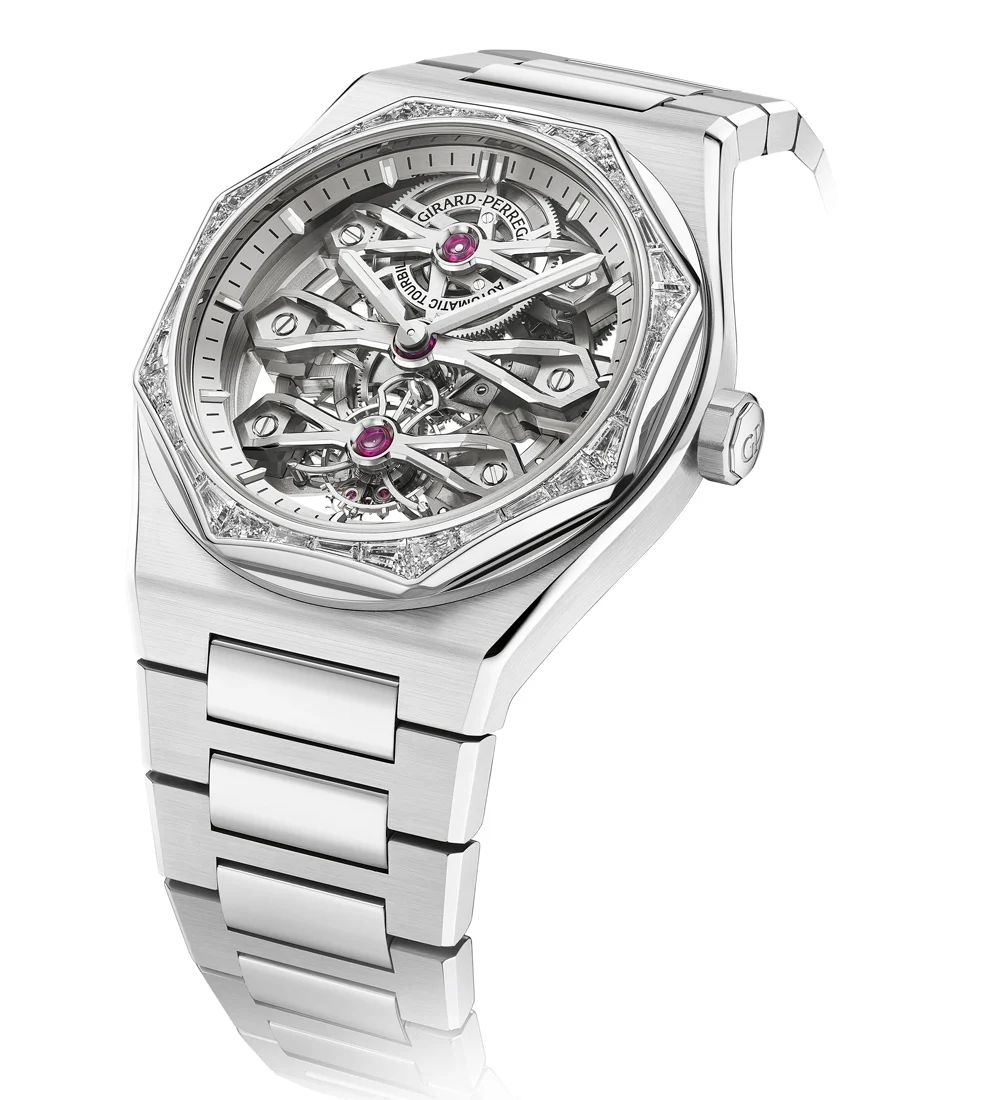
Image – Laureato Three Gold Bridges (2025)