
Ferdinand Berthoud Chronomètre FB 3SPC.4-1 Watch Review
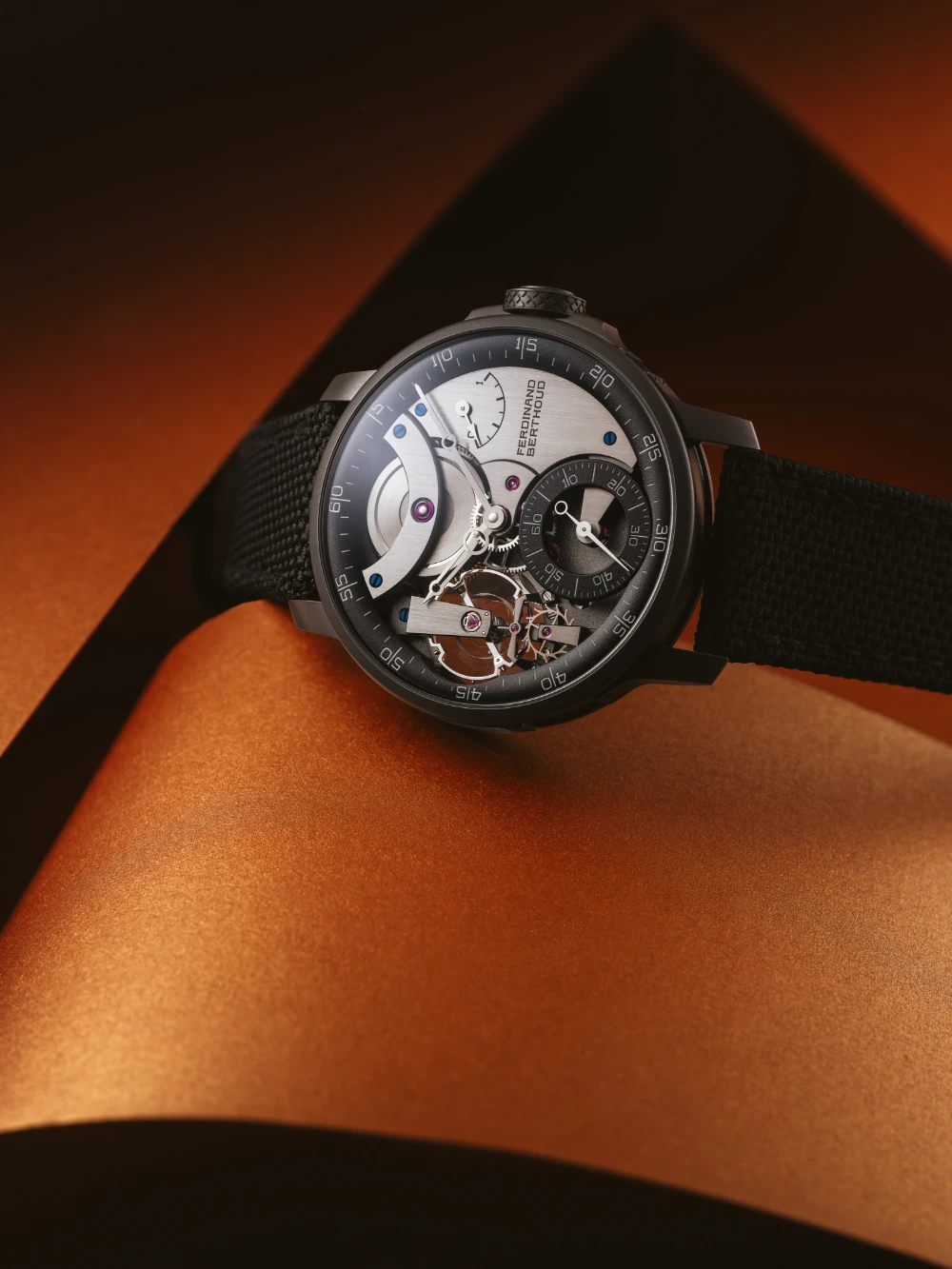
The Ferdinand Berthoud Chronomètre FB 3SPC.4-1 is the latest chapter in a story that began in 2022. The product of 3 years of research and development, the excellence of the FB 3 was recognised in 2023 with the award of the GPHG ‘Chronometry Prize’. Keen to offer clients choice, the company has executed its portfolio of models in different materials and a variety of finishes. Recently, the Maison released the Chronomètre FB 3SPC.2-1 and, now, to coincide with Geneva Watch Days, it has unveiled a new version in ceramised titanium.
Chronométrie Ferdinand Berthoud (2015) – the rebirth
In 2015, a group of journalists gathered in Paris, waiting patiently to hear Karl-Friedrich Scheufele make a statement. The Co-President of Chopard stood in front of the audience and announced he had created a new brand, honouring Ferdinand Berthoud (1727-1807), a horological great who was a pioneer in the making of marine chronometers during the 18th century. Mr Scheufele acquired the name in 2006 and then embarked on a journey to create a company worthy of the illustrious watchmaker’s name.
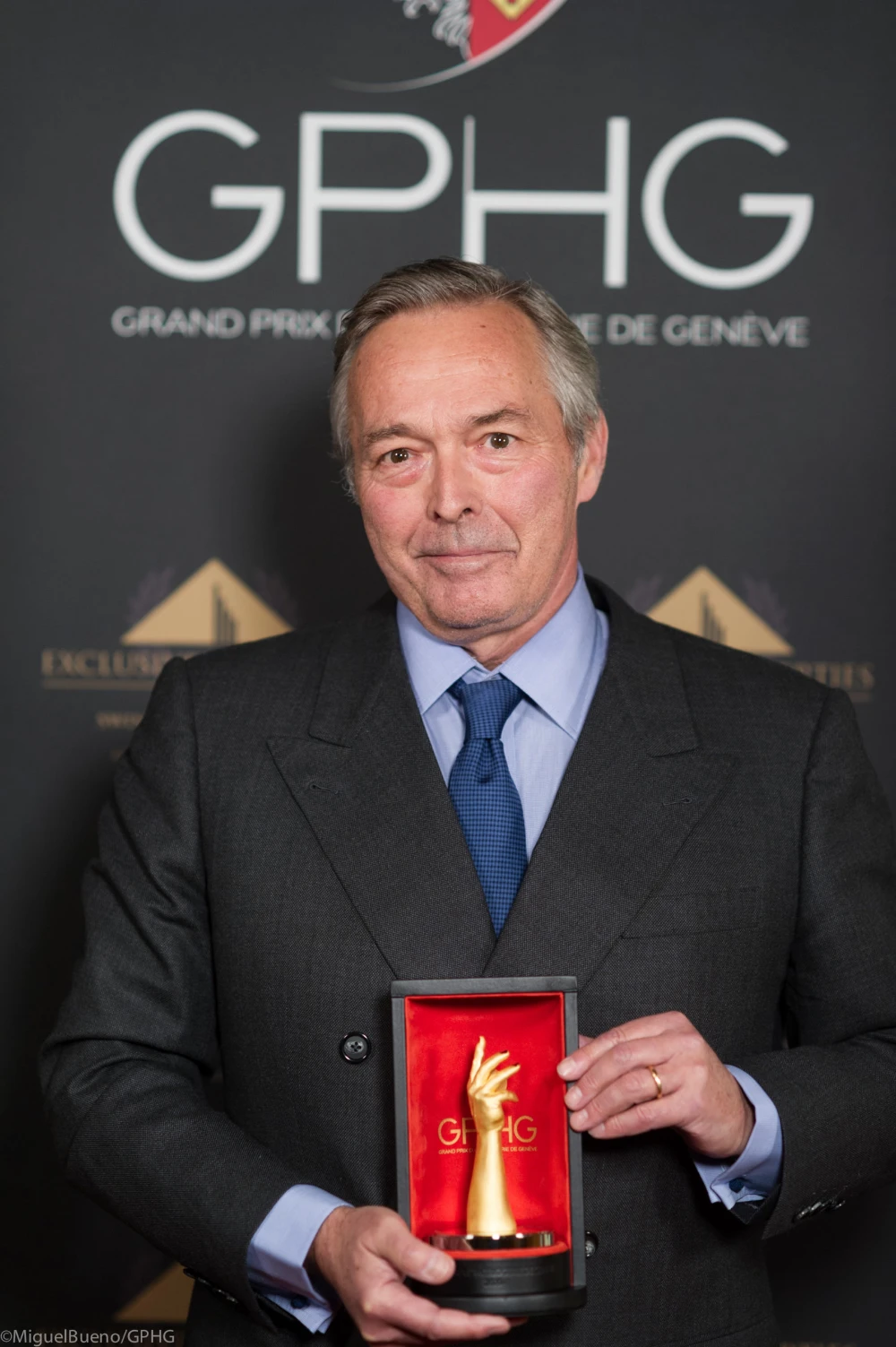
Image – Karl-Friedrich Scheufele at GPHG 2020
Chronomètre FB 1
At said press conference, the reborn company, Chronométrie Ferdinand Berthoud, unveiled its inaugural model, the appropriately named FB 1. I suspect some attendees at the launch expected to see a tribute piece, perhaps resembling a watch or marine chronometer from the past. However, it must be remembered that back in the 18th century Ferdinand Berthoud operated at the vanguard of horology. A learned man, he had written several publications on clocks, watches and specifically marine chronometers. He produced Marine Clock No.1 in 1761 and two further marine clocks, No. 2 and No.3 in 1765. Berthoud was an innovator and a visionary, hence the new model needed to reflect this.
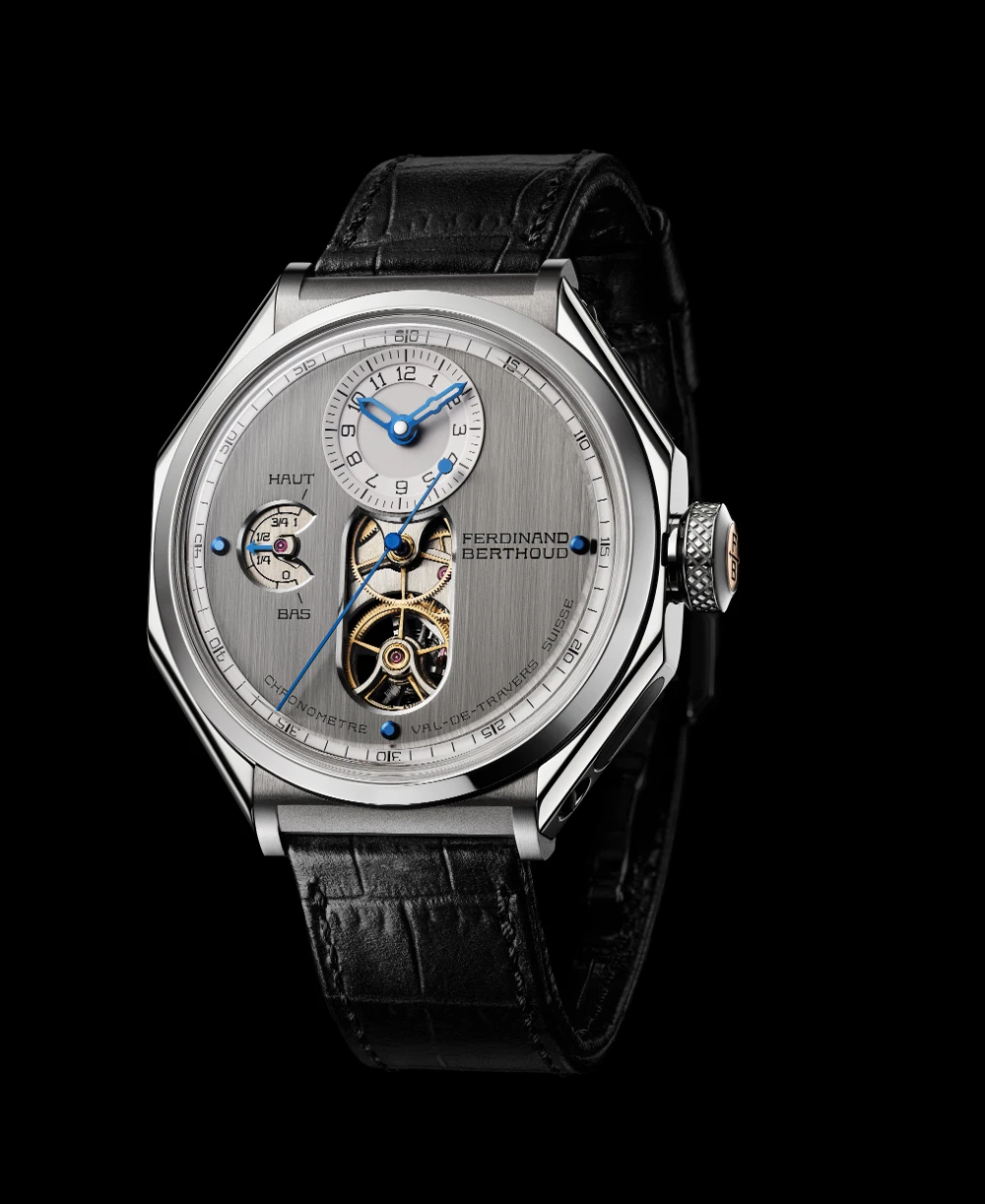
Image – Chronomètre FB 1
The FB 1 featured a case that resembled a gimbal mounted marine chronometer, had a pillar-type movement, incorporated a tourbillon with direct drive centre seconds and featured a fusee-and-chain-transmission. There were clear nods to the past, but the watch was unequivocally contemporary. Indeed, at the time of its launch Mr Scheufele said his aspiration was to create a watch that, “Ferdinand Berthoud might have created if he was living now.” The design and composition of the FB 1 was widely praised and it went on to win the ‘Aiguille d’Or’ at the GPHG awards in 2016.
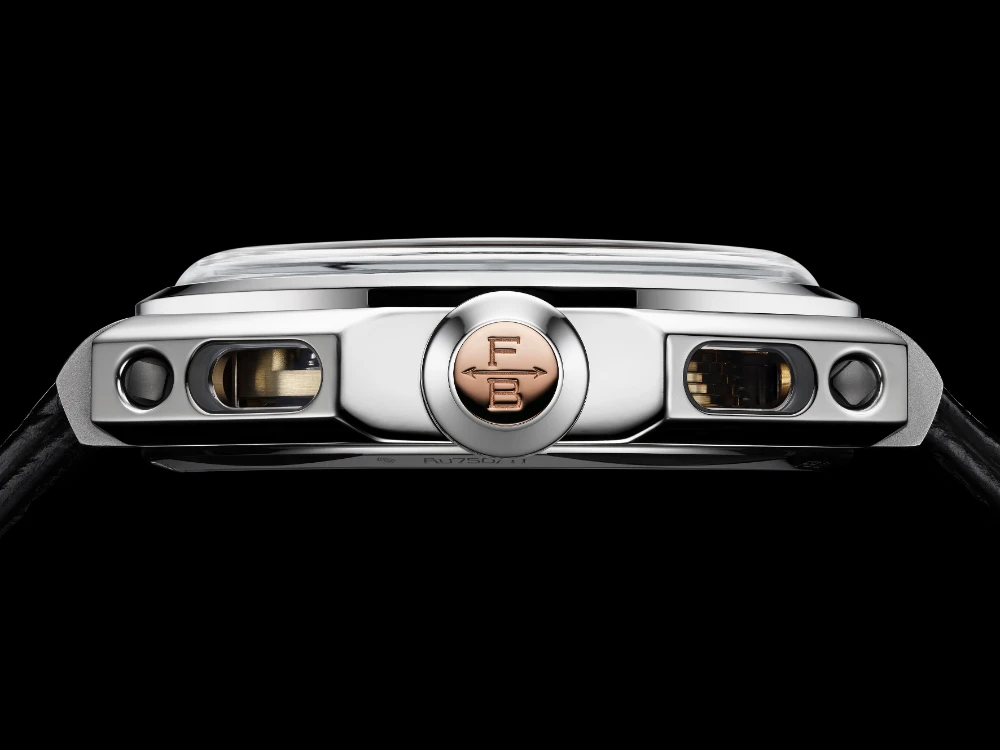
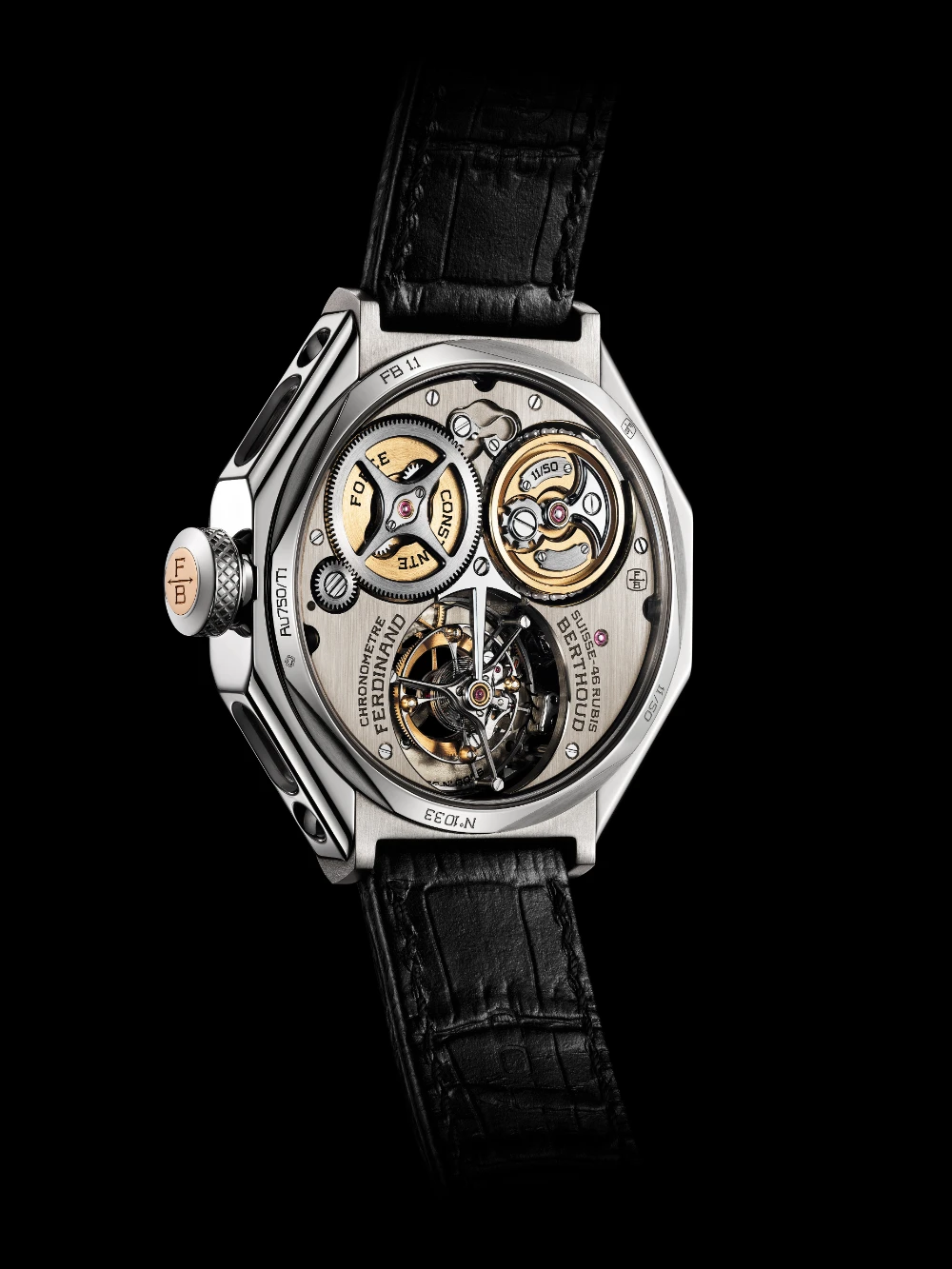
Image – Chronomètre FB 1
Chronométrie Ferdinand Berthoud – chronometer-certified (COSC) and finished to the highest order
Chronometry is one of the founding pillars on which the Maison stands, with every model from 2015 being chronometer-certified by the COSC. Likewise, movement finishing has always been of the highest order, with traditional artisanal techniques imparted by skilled hands.
Over subsequent years, the Maison has released other models, each neoteric in appearance, some endowed with different functions or executed in various materials but all incorporating a fusee-and-chain-transmission. Or at least that was the case until 2022, at which point Chronométrie Ferdinand Berthoud unveiled the FB 3 SPC.
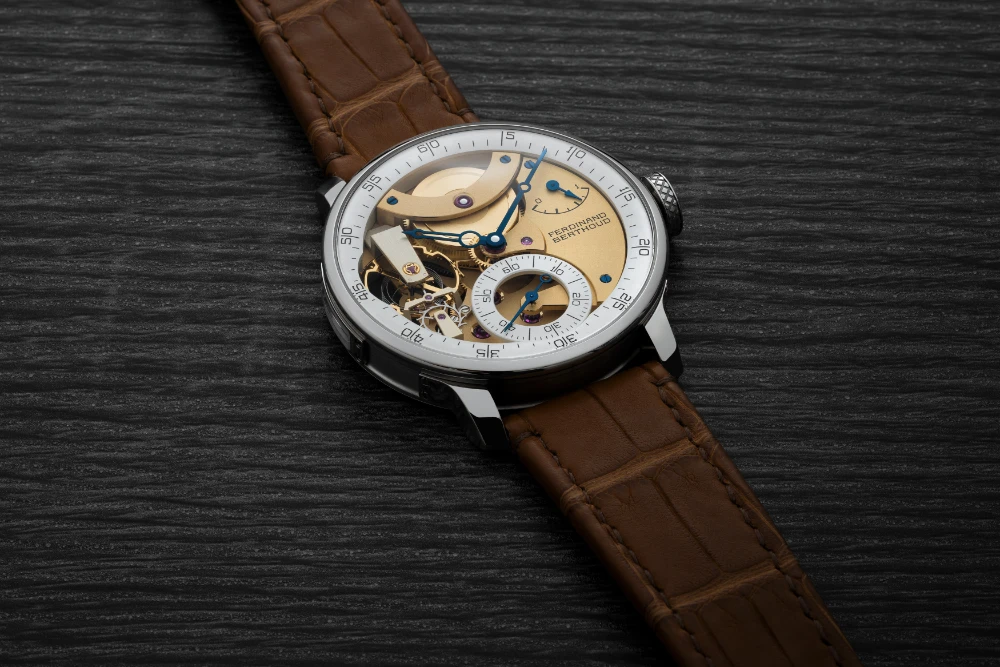
Image – Chronomètre FB 3SPC.1
Chronomètre FB 3SPC (2022)
Louis Berthoud (1754-1813) followed in his uncle’s footsteps. His decimal watch No. 26, a pocket watch, inspired Chronométrie Ferdinand Berthoud to create the FB 3 SPC.
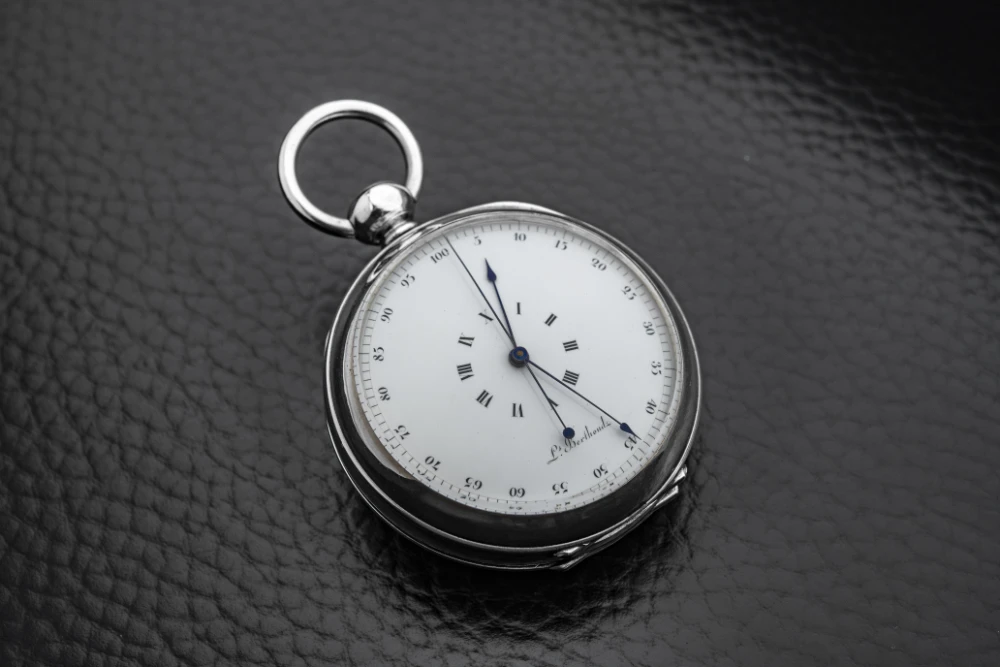
Image – Louis Berthoud No. 26 pocket watch
Incidentally, decimal watches appeared in France in the late 18th century against the backdrop of the French Revolution (1787-1799); however, the decimal system never replaced the sexagesimal system that we continue to use today.
It was not so much the decimal system that inspired the modern-day Maison brand to create the FB 3 SPC, but rather the cylindrical balance spring employed within the historic pocket watch.
Chronomètre FB 3SPC – cylindrical balance spring
Ferdinand Berthoud’s No.54, a marine chronometer, was also endowed with a cylindrical balance spring. The marine chronometer sat within a gimbal system, ensuring it remained in a horizontal position despite the motion of the ship (remember marine chronometers were used for navigational purposes – to determine longitude at sea). The cylindrical hairspring would always remain in a vertical position and developed more concentrically than a conventional flat balance spring, delivering superior isochronism.
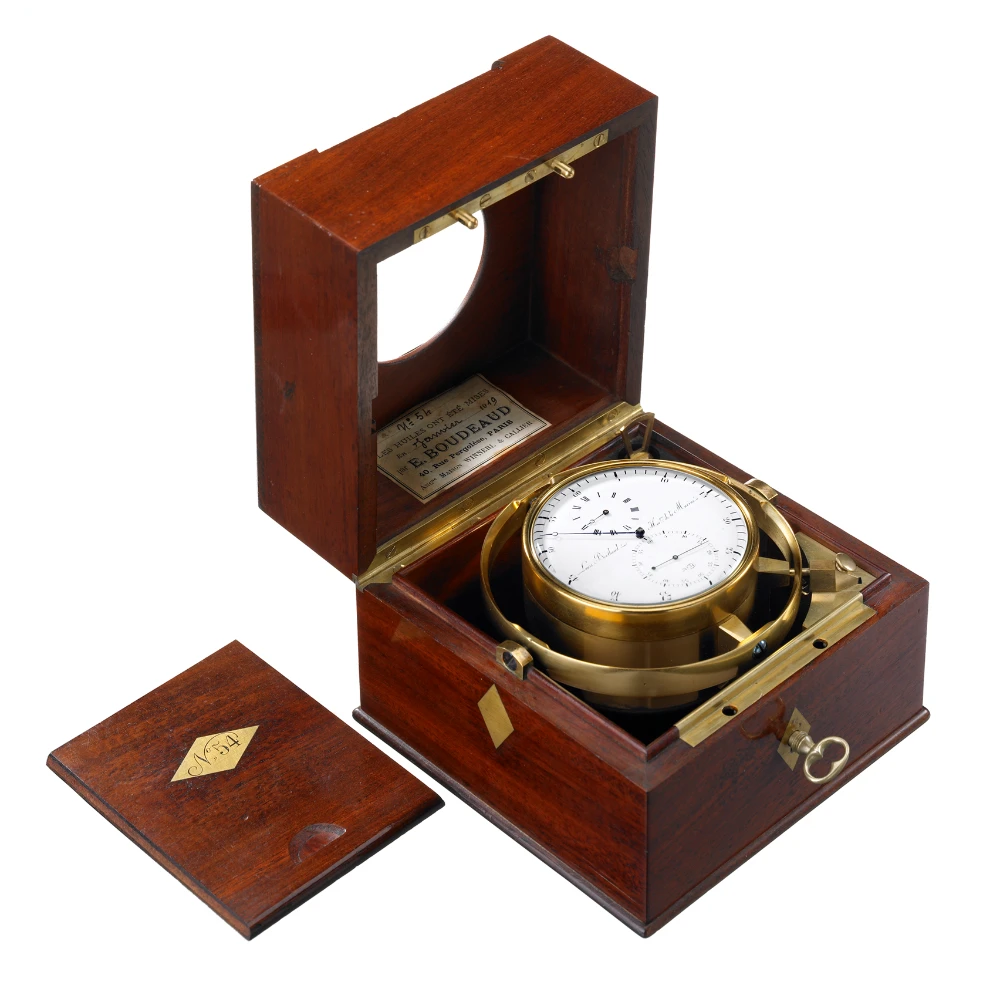
Image – Ferdinand Berthoud No.54
However, when a watch, fitted with a cylindrical balance spring, is affixed to the wrist, it will not remain flat. On the contrary, it will be subjected to a myriad of positions. Due to its height (or length), when placed in, say, a horizontal position, the cylindrical balance spring will be influenced by gravity and prone to bending. For instance, if the cylindrical balance spring is held in a horizontal position and supported at each end, the central part of the spring will hang down or droop, adversely affecting chronometric performance. The R&D team at Chronométrie Ferdinand Berthoud embarked on a research project, seeking to minimise this drooping behaviour, successfully creating a balance spring that delivers precision in every position.
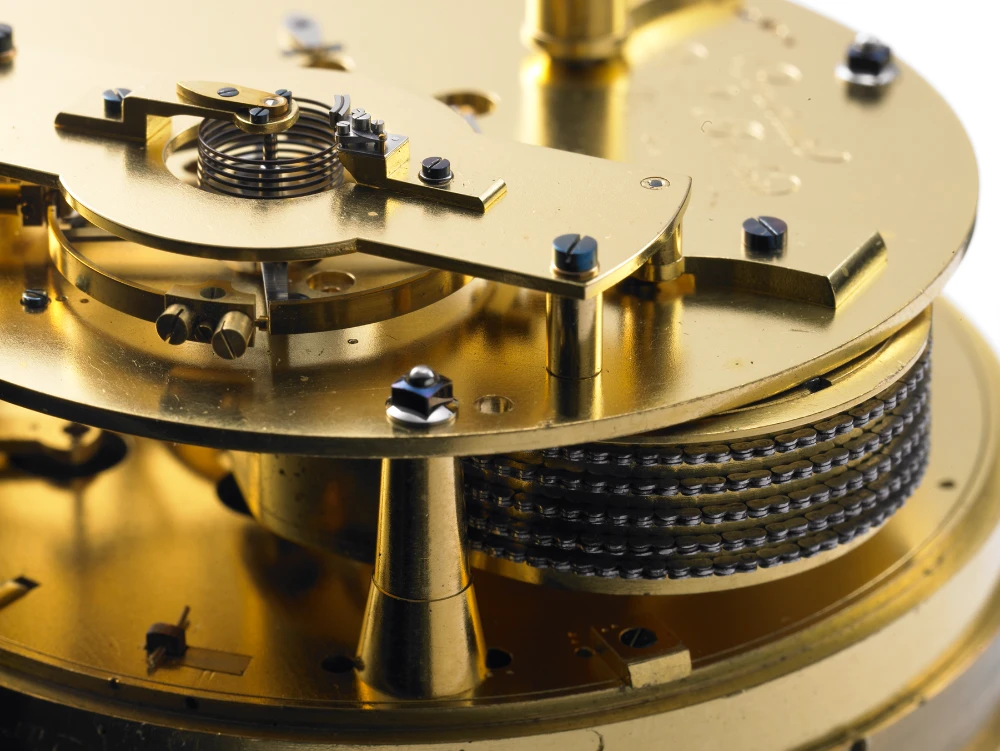
Image – cylindrical balance spring within the No.54 is kept within a vertical position at all times
Following three years of extensive research and development, the Maison unveiled the first wristwatch fitted with a cylindrical balance spring to receive chronometer certification (COSC). It achieved this feat by endowing the balance spring with two terminal curves. Using a microscope with a 20 x magnification, each curve was created by bending the balance spring by hand, three times (six in total for both terminal curves).
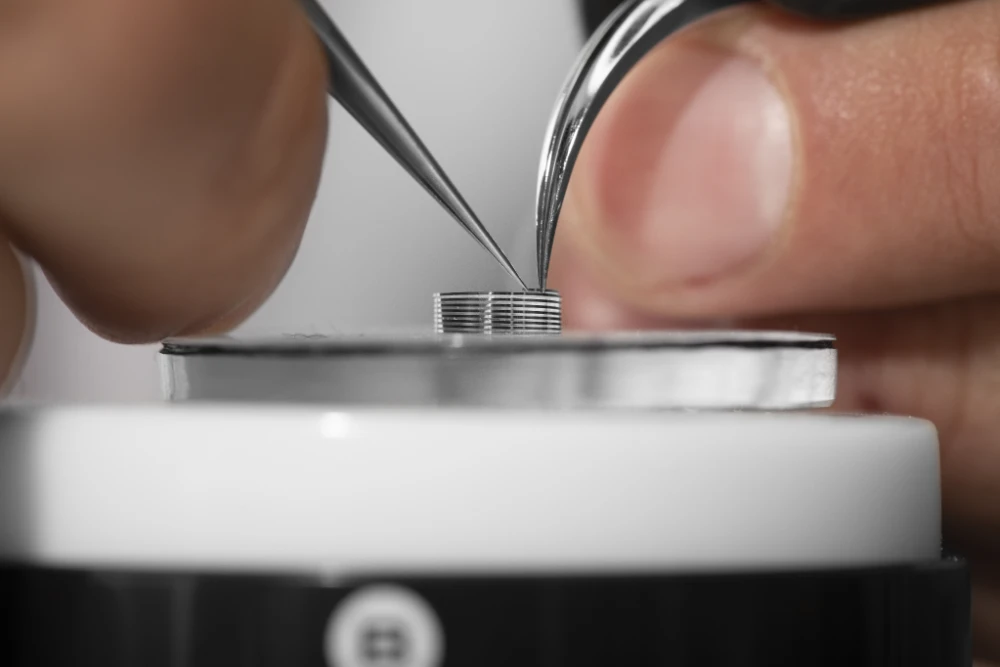
Image – creating each terminal curve by hand
Another challenge the company needed to surmount was to ensure that the mass of the collet was minimised and positioned as close to the centre of the balance wheel axis. Once again, the brand rose to the challenge, creating a specially designed collet. For those horophiles seeking more detail – please read my in-depth article on the subject.
In 2023, Mr Scheufele stood on the stage at Théâtre du Léman in Geneva and accepted the GPHG ‘Chronometry Prize’ for the Chronomètre FB 3SPC, independent recognition of its excellence.
Ferdinand Berthoud Chronomètre FB 3SPC.4-1 – ceramised titanium
Since the renaissance of Ferdinand Berthoud in 2015, the company has always sought to deliver choice to prospective clients. Initially, the FB 1 was available in two case materials, namely 18-carat white gold with titanium elements or 18-carat rose gold with black ceramic elements. However, this was only a foretaste of what would follow. Engraved and patinated gold dials (Oeuvre d’Or FB 1.2-1), bronze (FB 1R), bead-blasted titanium (FB 1.4-3), carburised stainless steel (FB 1R.6-1 and the FB 1RS.6) and ceramised titanium (FB 1RES.4) have all featured in the brand’s catalogue over the years.
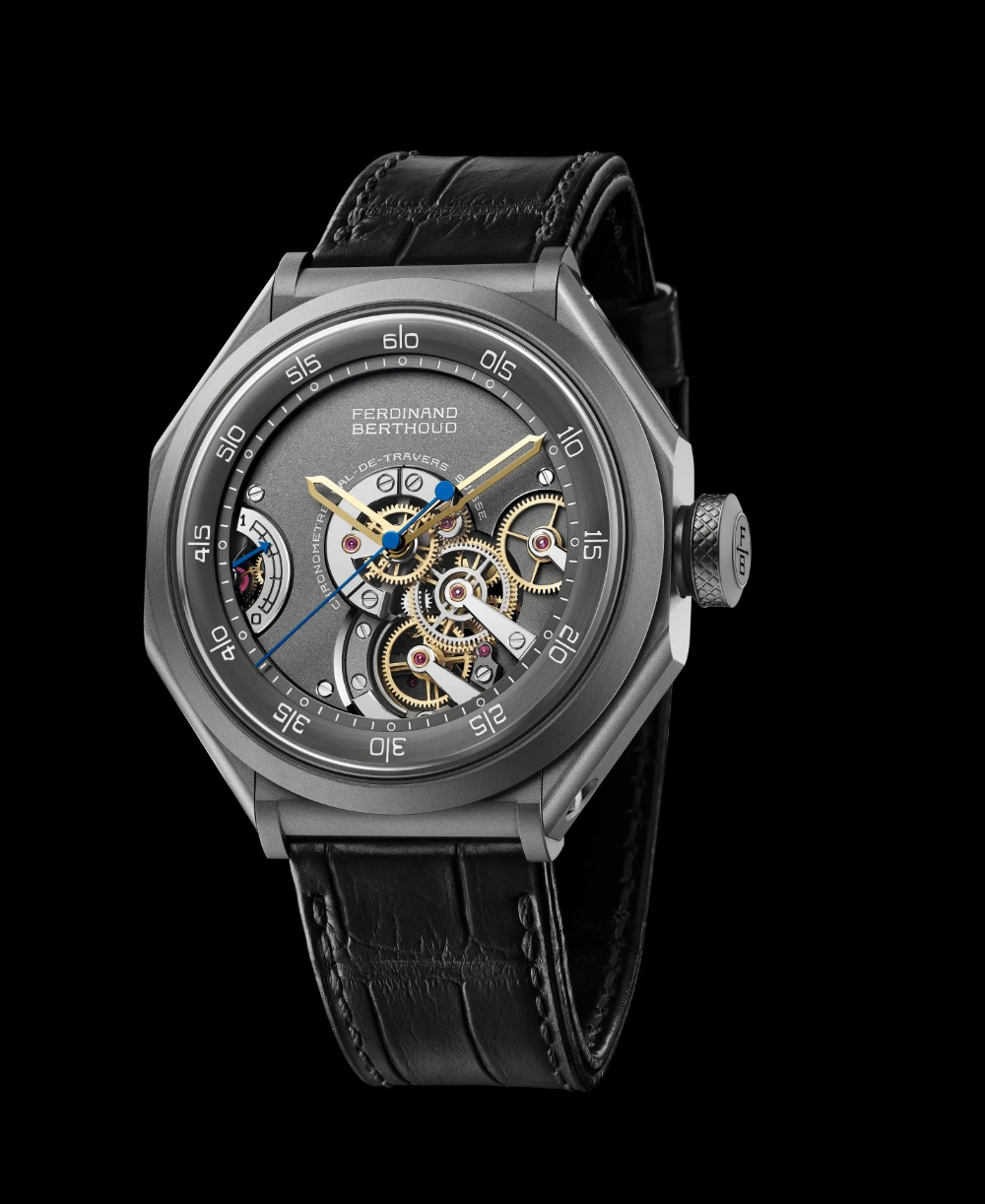
Image – Chronomètre FB 1RES.4 in ceramised titanium
Ceramised titanium has again been used in the making of a new expression of the FB 3. All additional materials used, as well as every finish applied, have been carefully selected to complement the ceramised titanium housing.
Ferdinand Berthoud Chronomètre FB 3SPC.4-1 – dial
The white gold hour and minute hands are ‘skeletonised and opentipped’, reaching out towards a black varnished inner bezel ring. This is marked with Arabic numerals at 5-minute intervals with crisp strokes positioned in between.
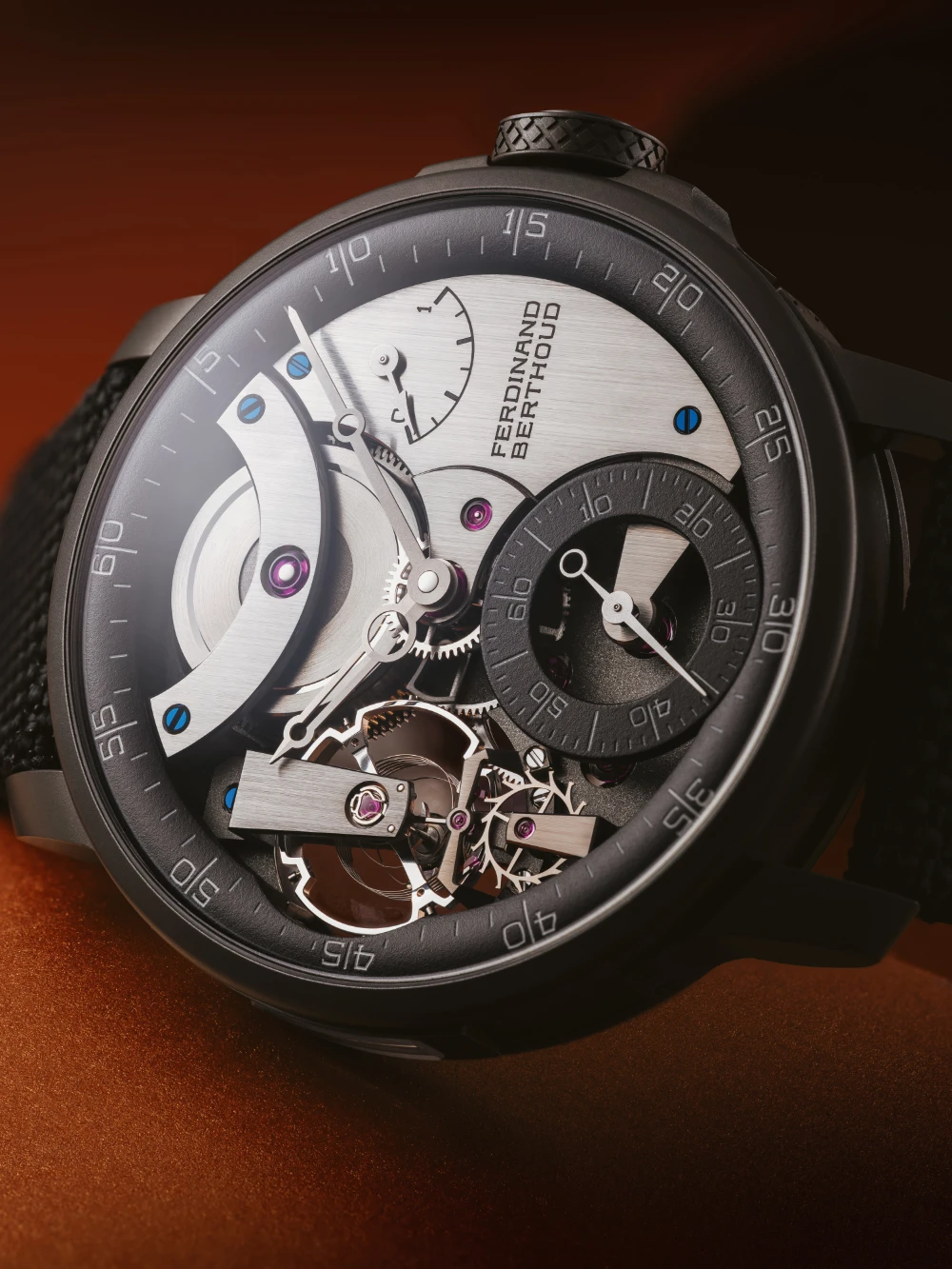
Consistent with other FB 3 models, the dial is endowed with an openworked small seconds display at 6 o’clock. The track shares the same appearance as the inner bezel ring, albeit it is presented in miniature form.
The dial of the FB 3 has always transcended mere time-telling. On this occasion, the small seconds hand is mounted on an exposed finger-like cock projecting over the movement below and affording sight of nearby jewels. Likewise, the barrel is visible at the top of the dial, supported by an arcing bridge and retained with two blue CVD-treated screws.
On the right side of the dial, the exposed nickel silver movement is adorned with vertical lines, running north to south. These lines must be perfectly straight and the pressure applied across all the surfaces must be of uniform intensity to confer a homogeneous appearance. The six bridges positioned to the front (see later) are hand-bevelled, hence care must be exercised to ensure that the vertical brushing does not spoil these pristine bevels. A power-reserve indicator resides at 2 o’clock.
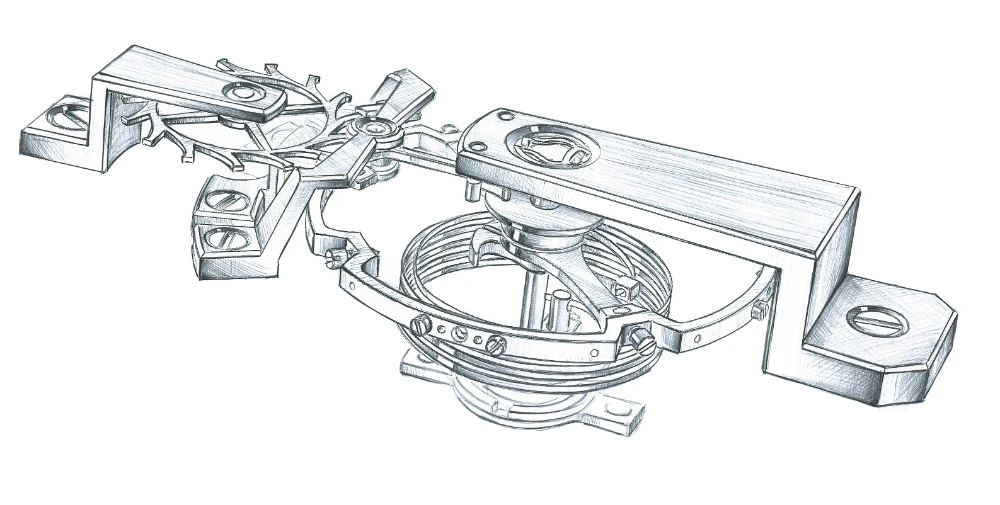
Image – the balance wheel sits beneath a stepped balance cock
Chronométrie Ferdinand Berthoud has indulged the wearer with a glorious, animated scene of the escapement and regulating organ in motion. The balance wheel, complete with said cylindrical balance spring, is supported with a dedicated, stepped balance cock. Furthermore, the pallet lever is held secure with a slender, dedicated bridge while the escape wheel is mounted on a further cock, positioned adjacent.
Not only does the FB 3 indicate time in highly lucid form, but it also delivers a wonderful landscape of beautifully finished parts, components in flight and a fascinating arrangement of depths, textures and hues.
Ferdinand Berthoud Chronomètre FB 3SPC.4-1 – case
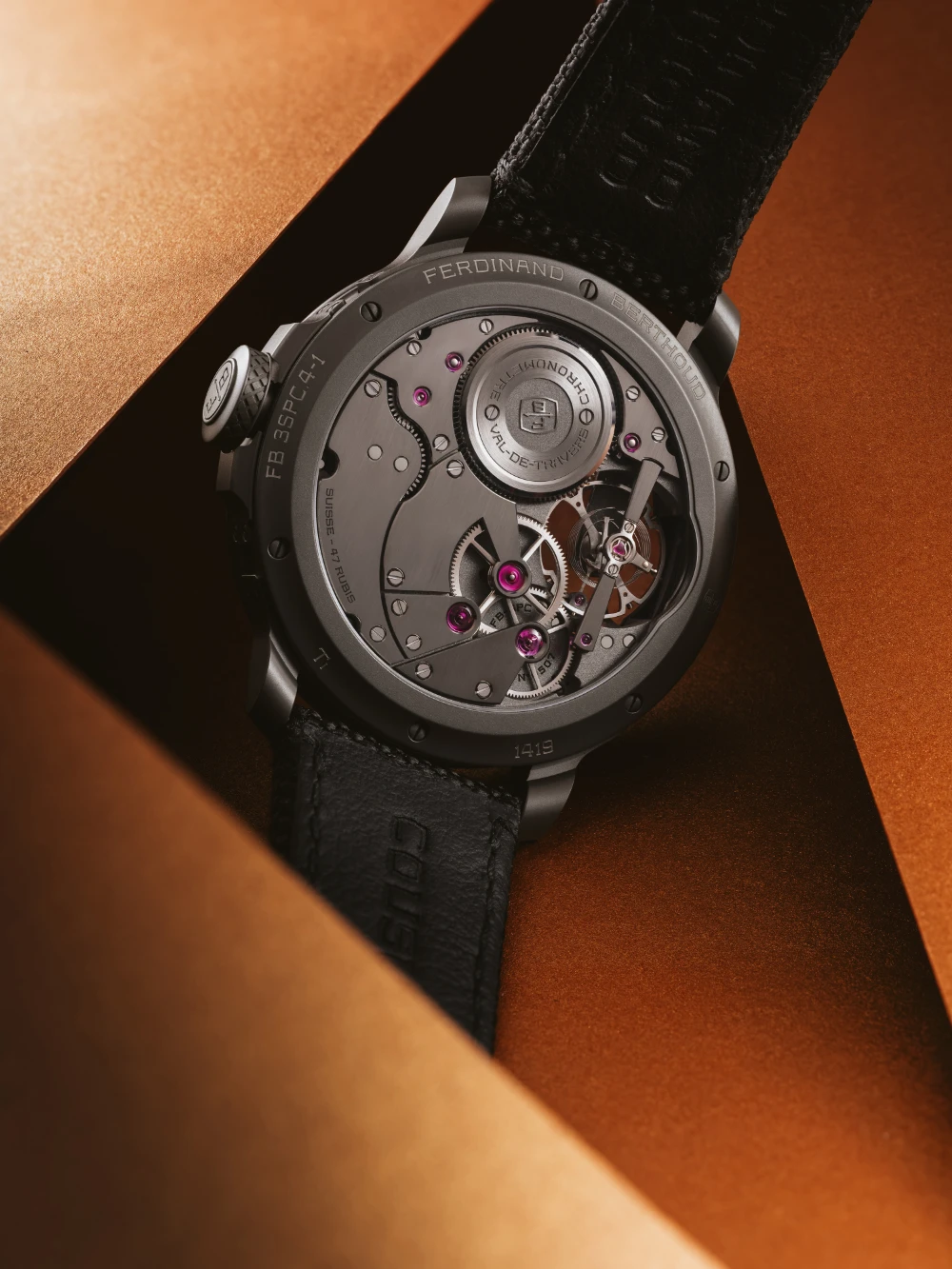
Anthracite in appearance, the ceramised titanium proffers the lightweight characteristics of titanium and the impressive scratch resistance of ceramic. Created by oxidising titanium through electro-plasma technology, the material is incredibly resistant to shocks and will never fade.
Measuring 42.30 mm in diameter with a thickness of 9.43 mm, the dimensions of the FB 3 are surprisingly modest for a watch housing so much complexity. The domed sapphire crystal draws in light, aiding readability, while an exhibition caseback provides dorsal views of the movement.
Upholding Chronométrie Ferdinand Berthoud convention, the FB 3 features a porthole on the vertical flank of the case (adjacent to 9 o’clock), granting sight of the cylindrical hairspring pulsing with life.
For the first time in FB 3 history, this latest iteration is equipped with a crown protector. Not only does this shield the winding stem from harm, but it also imbues the case with a sportier and more contemporary aesthetic.
When examining the FB 3, one is struck by the modernity of the watch, particularly this version in ceramised titanium. Conversely, there is an obvious adherence to traditional craftsmanship and horological best practice. For example, the lugs are discrete components which are subsequently attached to the case with screws. This approach, typical of Haute Horlogerie, allows the brand to finesse the finishing of these parts to a much higher standard.
Ferdinand Berthoud Chronomètre FB 3SPC.4-1 – Calibre FB-SPC
As you will have no doubt ascertained, the movement and dial are inextricably linked with many movement components disclosed front of house for the delectation of the wearer. But beyond the cylindrical balance spring’s captivating dance, there are many other details worthy of discussion.
Movement architecture
The architecture of the movement is quite unusual.
Typically, with most conventional watches, the mainplate sits behind the dial and effectively serves as the chassis of the movement, while the bridges sit upon the mainplate with wheels, etc positioned in between. Watches equipped with an exhibition caseback afford sight of the bridges and exposed wheels. However, with the Calibre FB-SPC, the mainplate sits midway between the dial and the caseback, with six bridges positioned to the front and 10 bridges located at the rear.
Finissage
Formed of nickel silver, the mainplate and bridges are black rhodium-plated and adorned with a vertical satin finish. To ensure the vertical lines align, all parts are decorated at the same time.
The movement is enriched with eight forms of decoration, including bevelling, black polishing, circular finishing, opening polishing (the sinks for the jewels and screws), sandblasting, satin-finishing, softening and stretching (satin-finishing the sides).
Anglage (bevelling) is performed in the ‘traditional way’. The common approach is to create a pre-angle using a CNC machine before the bevel is refined by hand; however, Chronométrie Ferdinand Berthoud favours a more artisanal approach.
The finisseurs based at the Fleurier Manufacture create a 45° angle by hand using a knife to remove material. The bevel is then refined using a series of files and abrasive paper (each of varying coarseness) to smoothen the surface. Finally, gentian wood, obtained from the mountains near the Manufacture, is used in conjunction with diamantine paste to deliver a blemish-free sheen.
According to Chronométrie Ferdinand Berthoud, there are 15 inner angles and 102 exterior angles, all of which are executed using this no-compromise, traditional approach.
Other refinements
The FB 3 is equipped with a ‘slip barrel’. When the mainspring is fully tensioned and capable of delivering the maximum power reserve, it will automatically uncouple to prevent it from becoming over-tensioned and suffering harm.
Conceived with precision in mind, the FB 3 is equipped with a stop seconds function. Using the crown, the wearer can stop the balance, causing the small seconds hand to halt. This allows the watch to be easily synchronised with a reference clock/watch.
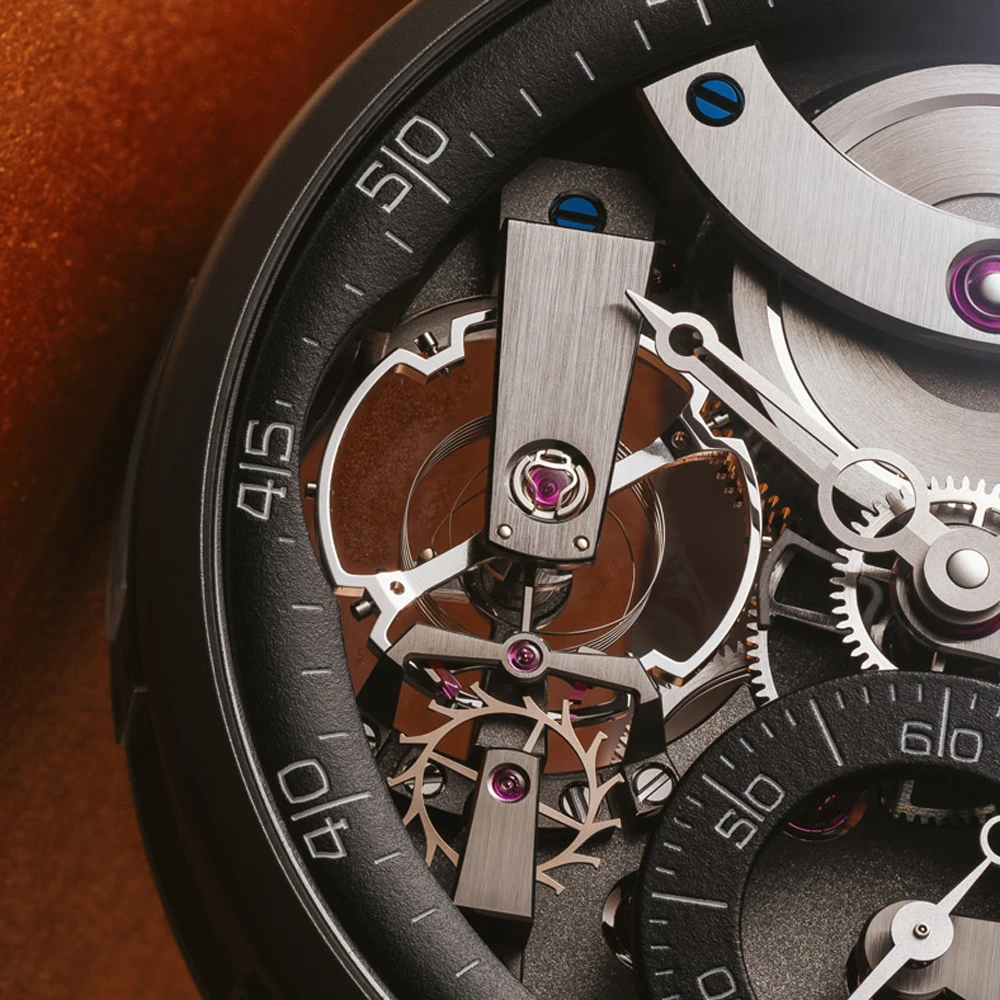
Image – variable-inertia balance
Most mainstream watches are fitted with an index-adjusted balance where the rate is altered by increasing/decreasing the effective length of the balance spring. However, the FB 3 is equipped with a superior variable-inertia balance. With this latter form of regulation, the length of the balance spring remains fixed and the rate is altered by adjusting inertia weights/screws affixed to the balance wheel. While it takes longer to regulate a movement with a variable-inertia balance, it proffers superior precision and, should it be subjected to a minor shock, it is less likely to require remedial regulation.
Chronomètre FB 3 – choice
Since the inaugural versions of the FB 3 were released in 2022, Chronométrie Ferdinand Berthoud has unveiled new variants of the model. For instance, in 2024, coinciding with the fifth anniversary of ART IN TIME, Monaco, the Maison released the FB 3SPC.4, a limited edition of 5 pieces.
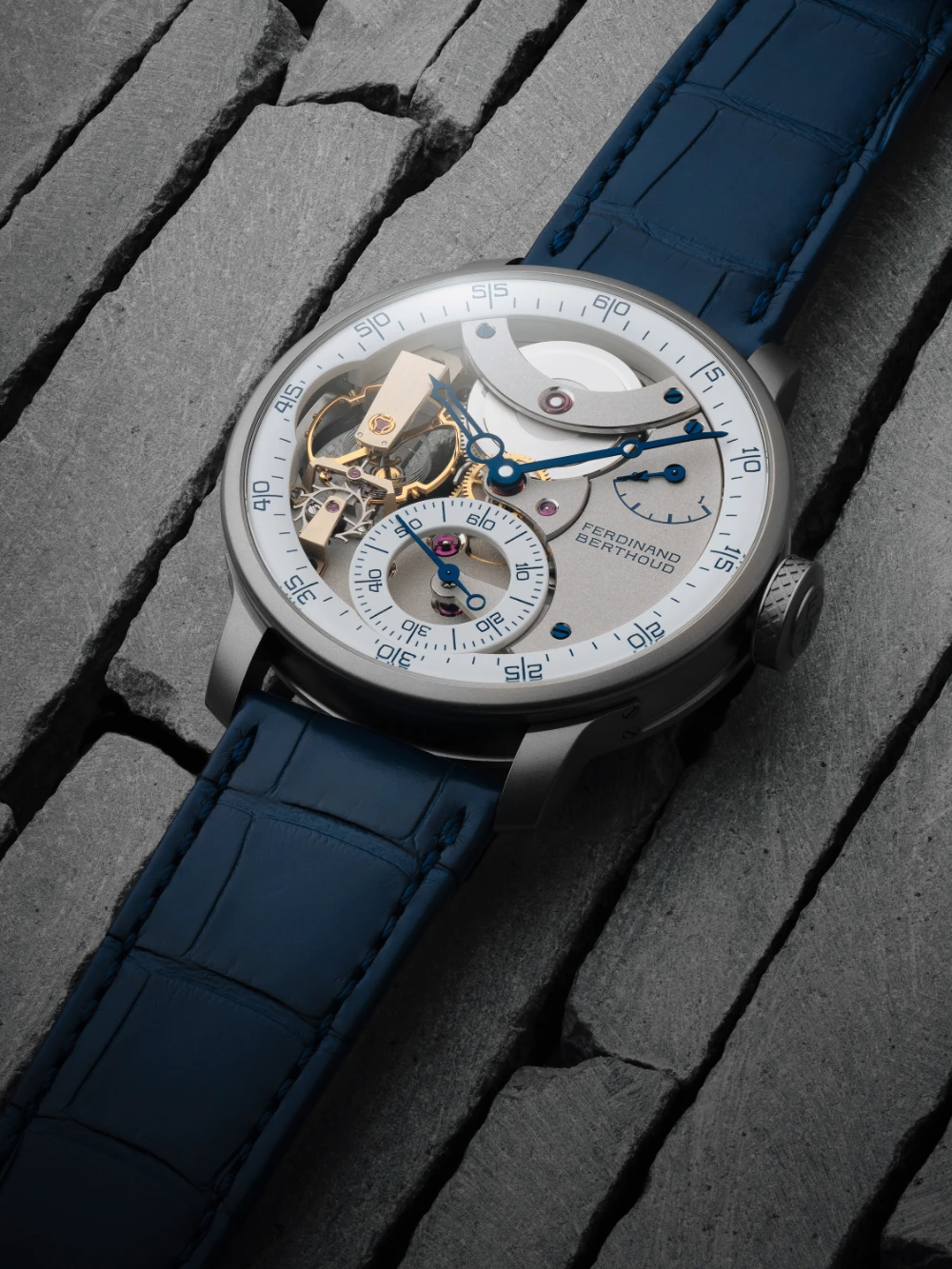
Image – Chronomètre FB 3SPC.4
A few weeks ago, the Fleurier-based company unveiled the FB 3SPC.2-1, a model sharing the same silhouette as the 2023 GPHG-winning creation but executed in an almost monochromatic palette. With this reference, the case is formed of ethical 18-carat rose gold, the inner bezel ring is executed in velvet-beige brass, and the nickel silver movement is sandblasted and paired with ‘natural nickel silver bridges’. The finishes and hues of each component were carefully selected to ensure a cohesive appearance. This iteration exhibits a classical appearance.
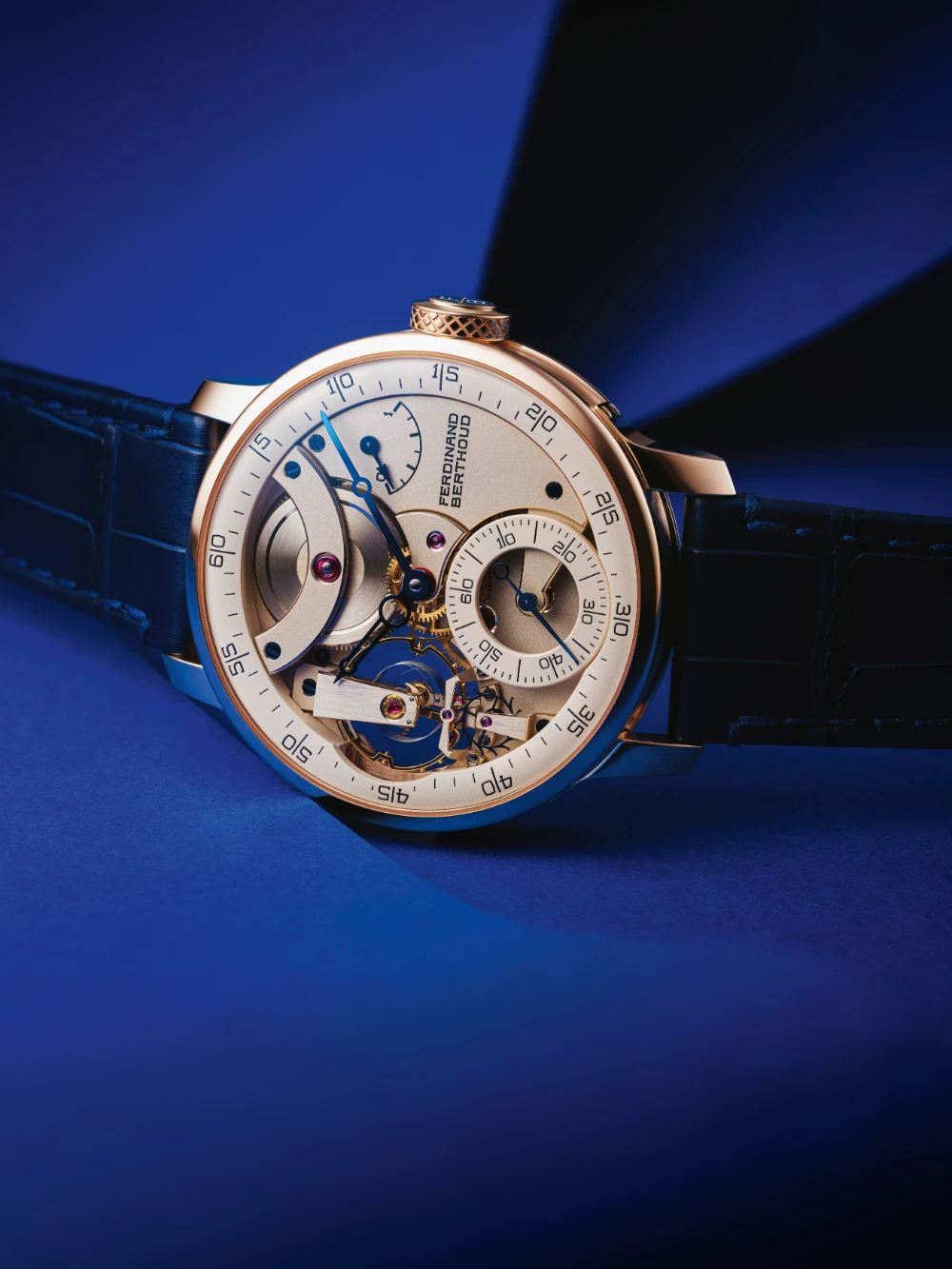
Image – Chronomètre FB 3SPC.2-1
In the rarefied heights of Haute Horlogerie, choice is critical to success. A watch that has the capacity to seduce one individual may not be to everyone’s taste. Chronométrie Ferdinand Berthoud has clearly recognised this, having released a small, curated selection of ownership options over the years.
Closing remarks
I can still remember, back in 2022, seeing the FB 3 for the first time. I was dumbfounded not only by its prepossessing appearance but also by its extraordinary balance spring. Watching the cylindrical balance in motion proves a captivating spectacle. But what is even more remarkable is that after devoting 3 years on R&D, Chronométrie Ferdinand Berthoud was able to deliver a watch fitted with a cylindrical balance spring that is chronometer-certified (COSC).
According to the COSC, 39% of mechanical watches exported in 2025 were COSC-certified. But this figure does not tell the full story. Most of these watches are serially produced and submitted en masse for testing, whereas a ‘Chronométrie Ferdinand Berthoud timepiece is individually crafted, assembled and regulated, making the task of obtaining certification far more challenging’.
The Chronomètre FB 3SPC.4-1 is arguably the most avant-garde expression of the FB 3 to date. Collectively, the ceramised titanium housing, the vertical satin-finished bridges and the black-rhodium plated movement exude modernity. However, these contemporary details are juxtaposed with traditional artisanal crafts. The finishing is of the highest order, free of compromise – the product of amassed skills and an inordinate amount of patience.
It is the protracted creation of each FB 3 that inevitably limits availability, but for those willing to wait, their patience will be rewarded with a watch imbued with a rare quotient of excellence. Quite simply, perfection is seldom achieved in haste.
Further reading
https://www.ferdinandberthoud.ch/
Technical specifications
- Model: Ferdinand Berthoud Chronomètre FB 3SPC.4-1
- Case: ceramised titanium, diameter 42.3 mm, height 9.43 mm, water resistance 3 ATM (30 m), domed sapphire crystal to the front and exhibition case back.
- Functions: central display of hours and minutes, seconds at 6 o’clock and power-reserve indication at 2 o’clock
- Movement: Calibre FB-SPC, hand-wound movement, frequency 21,600 vph (3 Hz), 47 jewels, power reserve 72 hours, 230 components, chronometer-certified (COSC)
- Strap: black fabric
- Price: £143,500 (RRP as of 1.9.2026)