£5000 to £10000
Azimuth Predator 2.0
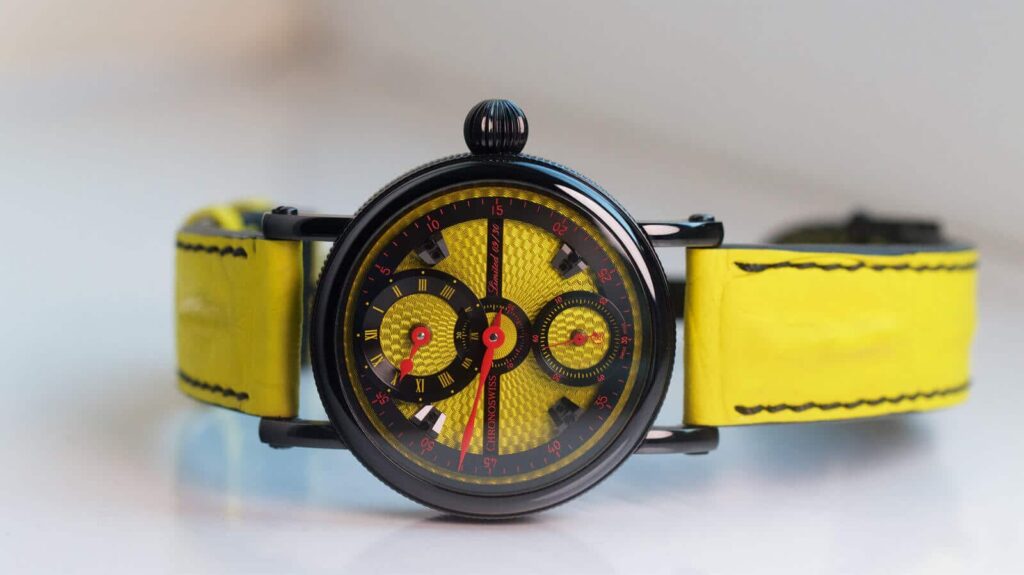
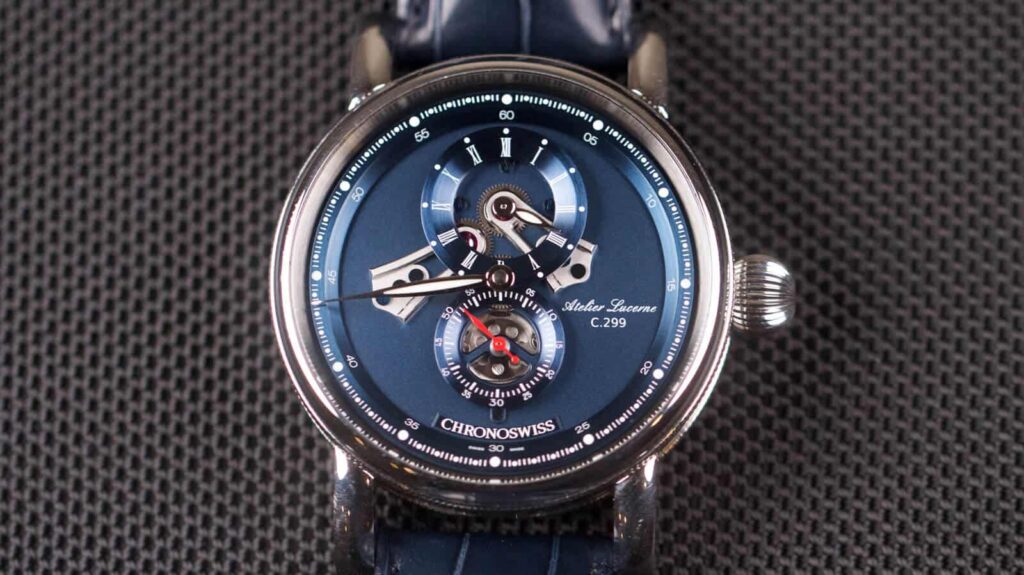
Chronoswiss Flying Grand Regulator Open Gear ReSec
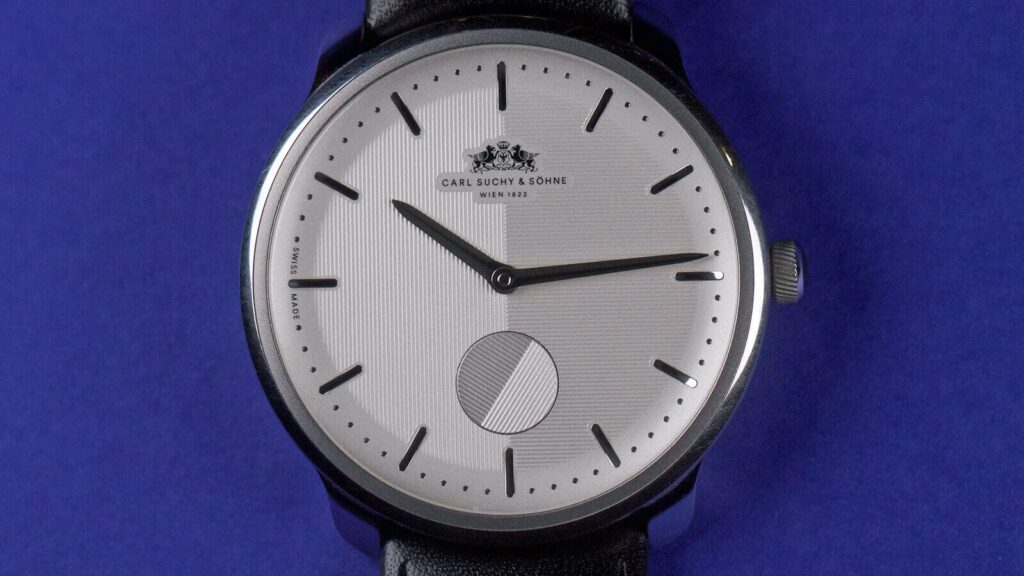
Carl Suchy & Söhne Waltz No.1
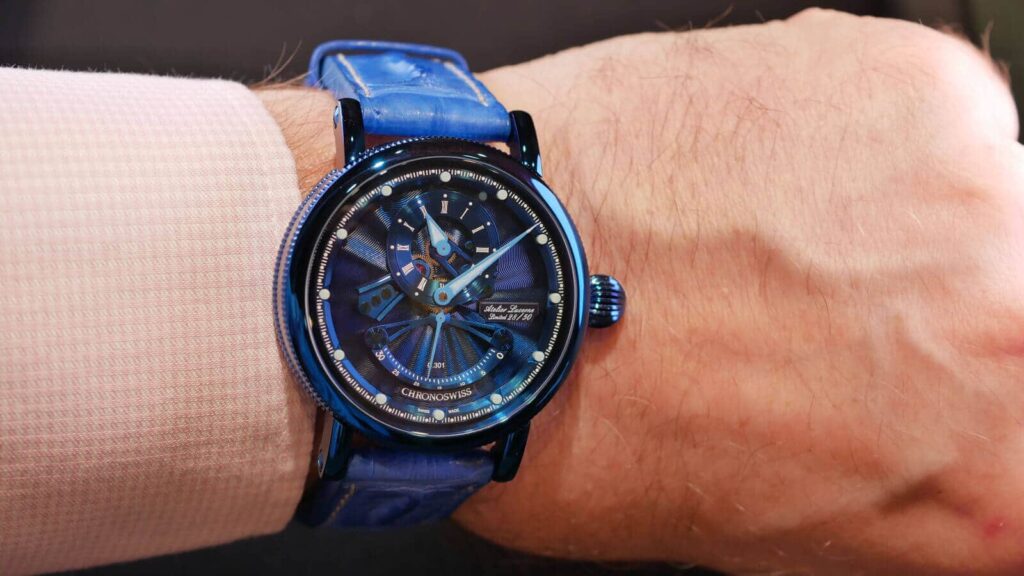
Chronoswiss Flying Grand Regulator Limited Edition 30
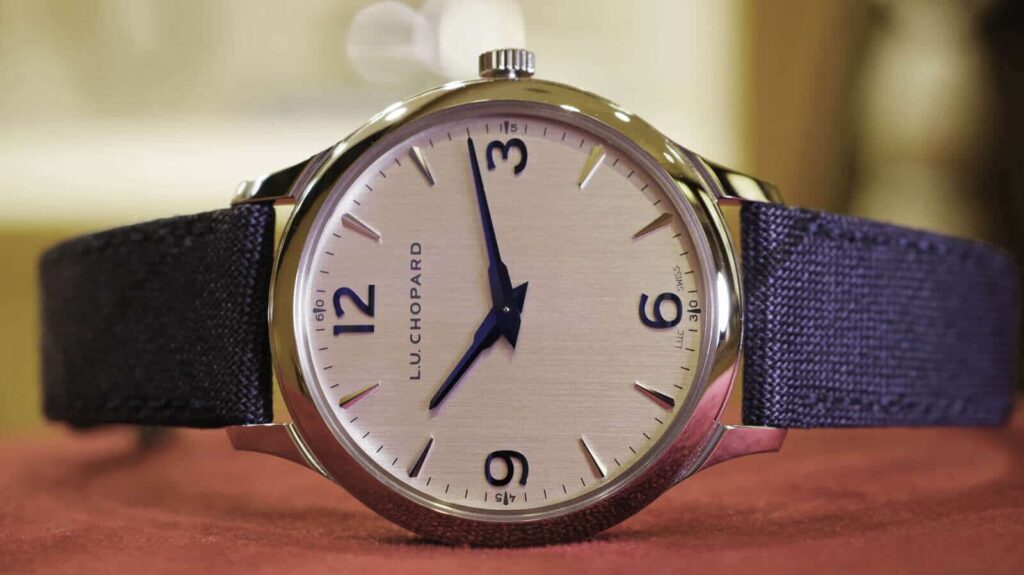
Chopard L.U.C XP – stainless steel
Chronoswiss Flying Regulator Open Gear
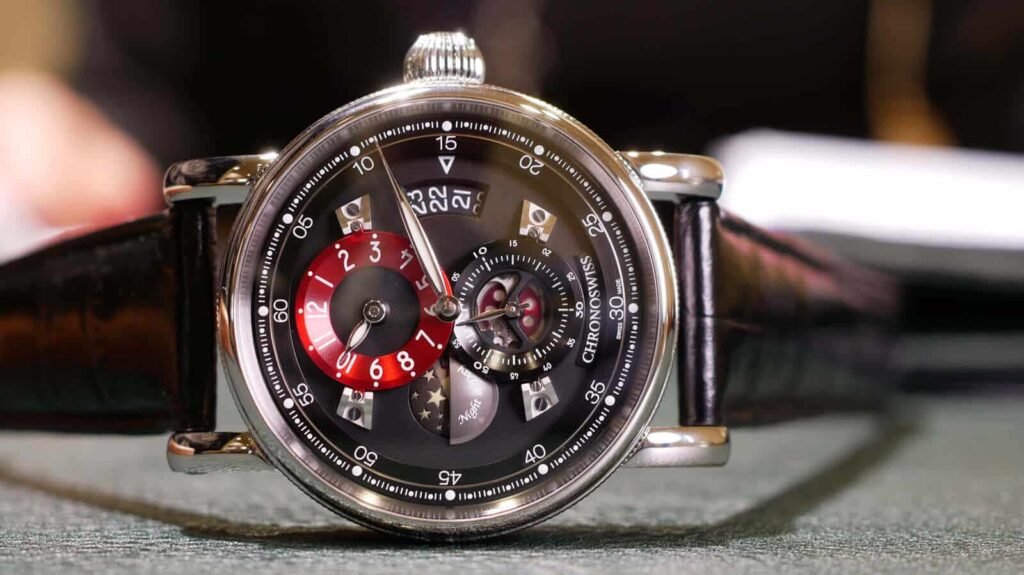
Chronoswiss Flying Regulator Night and Day
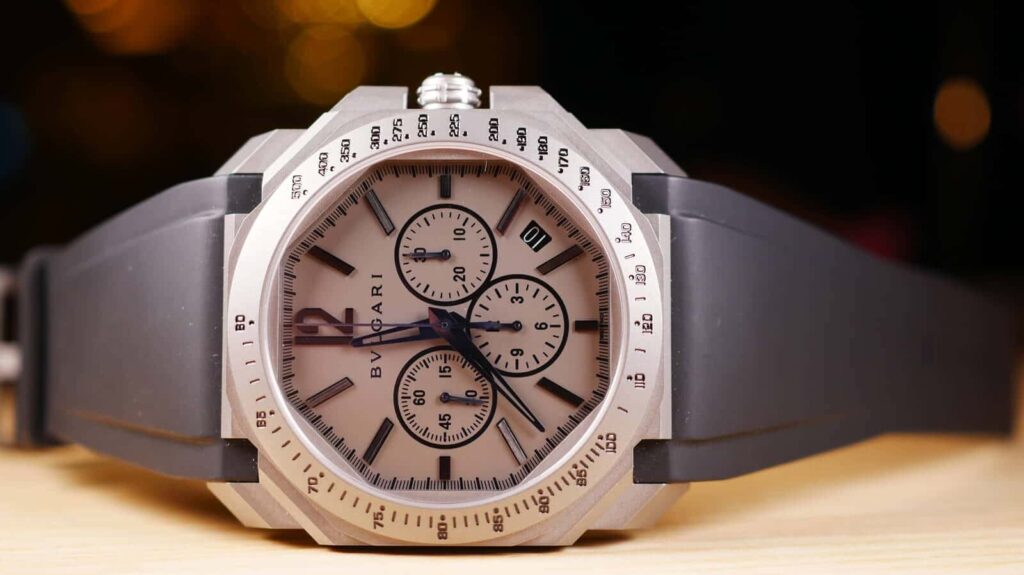
Bulgari Octo L’Originale Chronograph
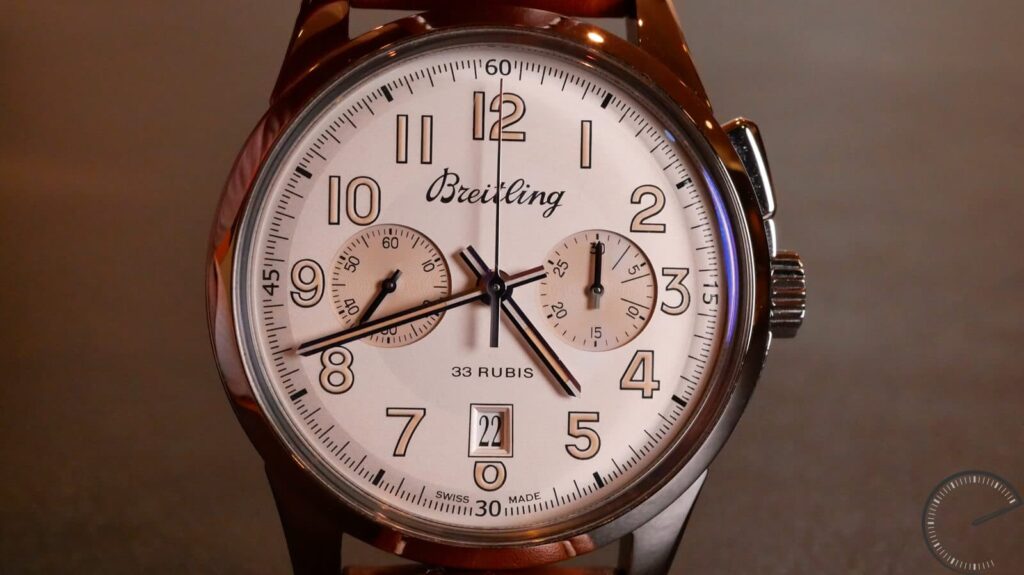
Breitling Transocean Chronograph 1915
Chopard Mille Miglia 2017 Race Edition
BRM Chronographes V12 Martini Racing
What makes luxury watches so expensive?
Aside from the brand’s prestige or complicated movements, luxury watches are often priced highly due to the expensive materials used, the varying levels of finishing, the time the timepieces took to produce, retailer mark-ups, the amount of research and development that has gone into the watch, and the cost of the brand’s marketing efforts – among many other considerations.
Delve into our in-depth reviews of watches for £5000-£10000 here on Escapement Magazine.
If you’re looking for luxury watches in the £5000-£10000 range, you can expect to see refined dials that feature different finishes and possibly play with depths. Cases may be formed of ceramic, Grade 5 titanium or premium stainless steel, e.g. 904L. The movements may feature complications, include COSC certification, and may be decorated with several refined finishes.
- Premium materials: Stainless steel 904L will appear whiter than stainless steel 316L and offers superior scratch resistance. However, stainless steel 904L typically contains more nickel which may be an issue for those individuals who are allergic to the element. When compared with Grade 2 titanium, Grade 5 titanium is stronger and can be polished to a brilliant gleam, albeit it is costlier.
- Precise Swiss movements: ‘Swiss Made’ are two words synonymous with quality, precision, craftsmanship and luxury. Chronometer-certified watches are usually tested by COSC (Contrôle Officiel Suisse des Chronomètres), an independent body which evaluates watch movements over several days, in various positions and at different temperatures. For a mechanical watch to be COSC-certified, the average daily rate must be -4 to +6 seconds per day (for a wristwatch with a fitting diameter greater than 20 mm or where the fitting surface area is greater than 20mm or where the fitting surface is greater than 314 mm²).
- Skilled craftsmanship: Cases will often feature two or more contrasting finishes with clear, crisp delineation between each surface. Artisanal techniques may also extend to dials, e.g. straw marquetry or Grand Feu enamel. Movement decoration, often referred to as ‘finissage’, encompasses an array of decorative techniques, including Côtes de Genève, perlage, anglage, mirror-polishing (aka black polishing), dressage, to name but a few. These techniques are employed to eradicate signs of machining, remove burrs (which could impair the motion of movement parts), improve corrosion resistance and enhance the appearance of the movement. Some forms of decoration are applied using automated methods, while the finest finishing is executed by hand, albeit this is typically the preserve of Haute Horlogerie and less likely on watches within this price segment.
In some cases, a watch can increase in value over time; however, most watches depreciate, similar to a car. While the retail price of a watch may increase over time, it does not necessarily mean that the pre-owned price increases in the same way. Moreover, new and pre-owned prices include the retailer’s margin. If you wish to sell that same watch to a retailer, it is unlikely you would receive the same amount.
There are some vintage military watches within the £5000-£10000 range that may prove suitable investment pieces. Likewise, there are some modern pre-owned watches that may be currently undervalued, but these are rare. Once again, remember the legal term ‘caveat emptor’. Buyers of pre-owned watches must exercise great care to avoid making a costly mistake.
The potential for a watch’s appreciation is driven by:
- Scarcity, e.g. limited edition pieces
- Demand for the watch, i.e. long waiting lists may stimulate desire
- The cachet/appeal of the brand
And even if a purchase represents a shrewd buy today, this is no guarantee that prices will increase over time. Indeed, values often fluctuate.
Yes, watches with in-house movements for under £10000 include:
- Breitling: Navitimer B01 Chronograph. This watch has a fully integrated movement, featuring a column-wheel and vertical coupling, and has a power reserve of approximately 70 hours.
- Grand Seiko: Grand Seiko has extraordinary expertise in crafting in-house movements. It produces mechanical (4 Hz & 5 Hz movements), highly precise Spring Drive movements and the ultra desirable 5Hz movements that incorporate a dual-impulse escapement.
- Jaeger Le-Coultre: Based in Le Sentier, Switzerland, Jaeger-LeCoultre has an impressive heritage. It has a history of making mechanical movements, including complicated and ultra-thin calibres, and has supplied some of the most prestigious names in watchmaking, including Audemars Piguet and Vacheron Constantin.
- TAG Heuer: Founded in 1860, TAG Heuer is synonymous with the making of chronographs and stopwatches. The firm’s Calibre TH20-00 in-house chronograph movement is particularly impressive. It’s fully integrated, features a highly desirable column-wheel and vertical coupling arrangement, and has a power-reserve of 80 hours.
- Zenith: The brand is headquartered in Le Locle, Switzerland. Zenith can trace its history to 1865 when Georges Favre-Jacot chose to open a Manufacture, housing numerous trades under one roof. The company has supplied movements to several watch brands over the years and its technical prowess is highly impressive. In 1969, the company released the iconic El Primero, the ‘world’s first automatic movement’ (Calibre 3019 PHC) with a cadence of 5 Hz.